[Music]
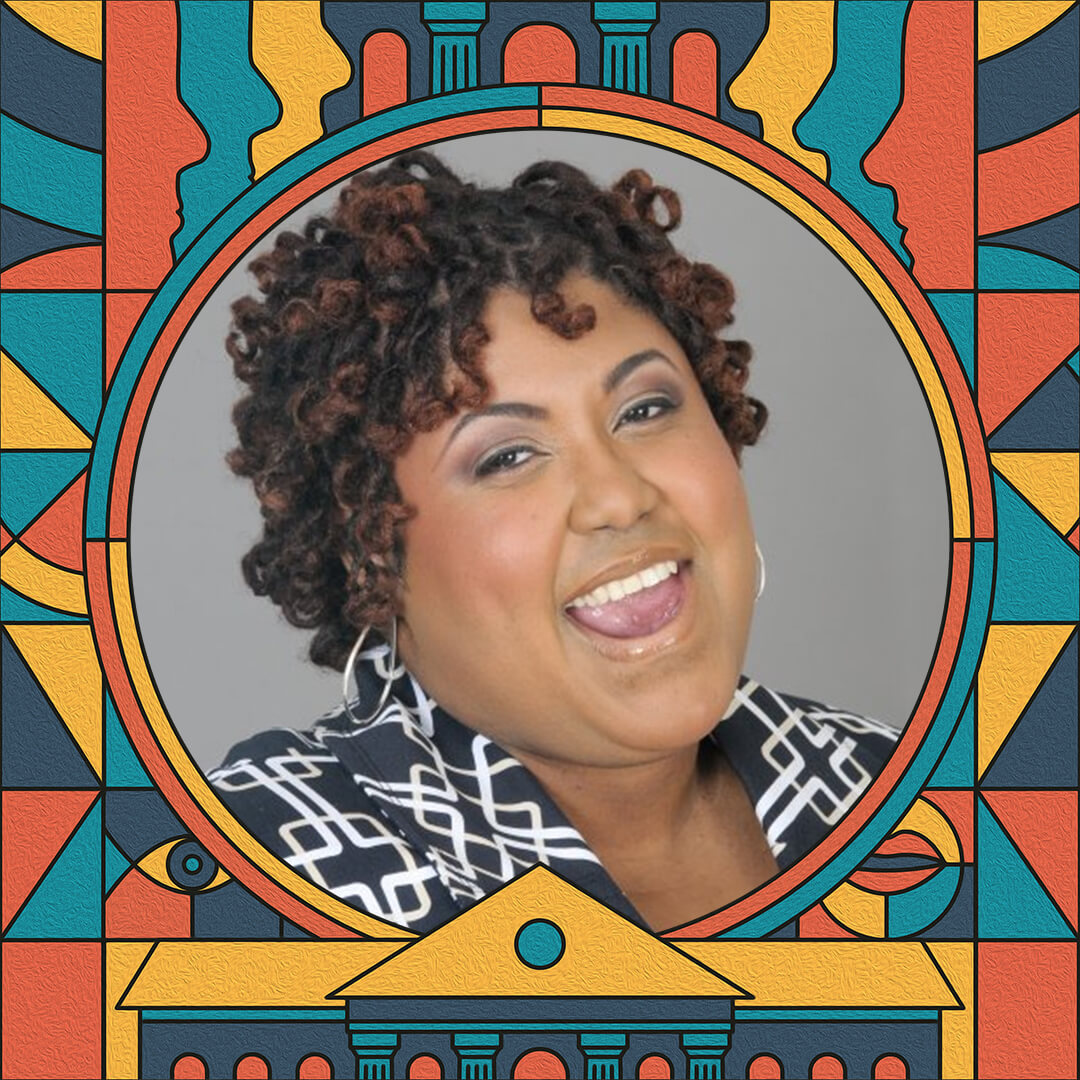
Abby: Hello and welcome to Matters of Experience. My name is Abigail Honor.
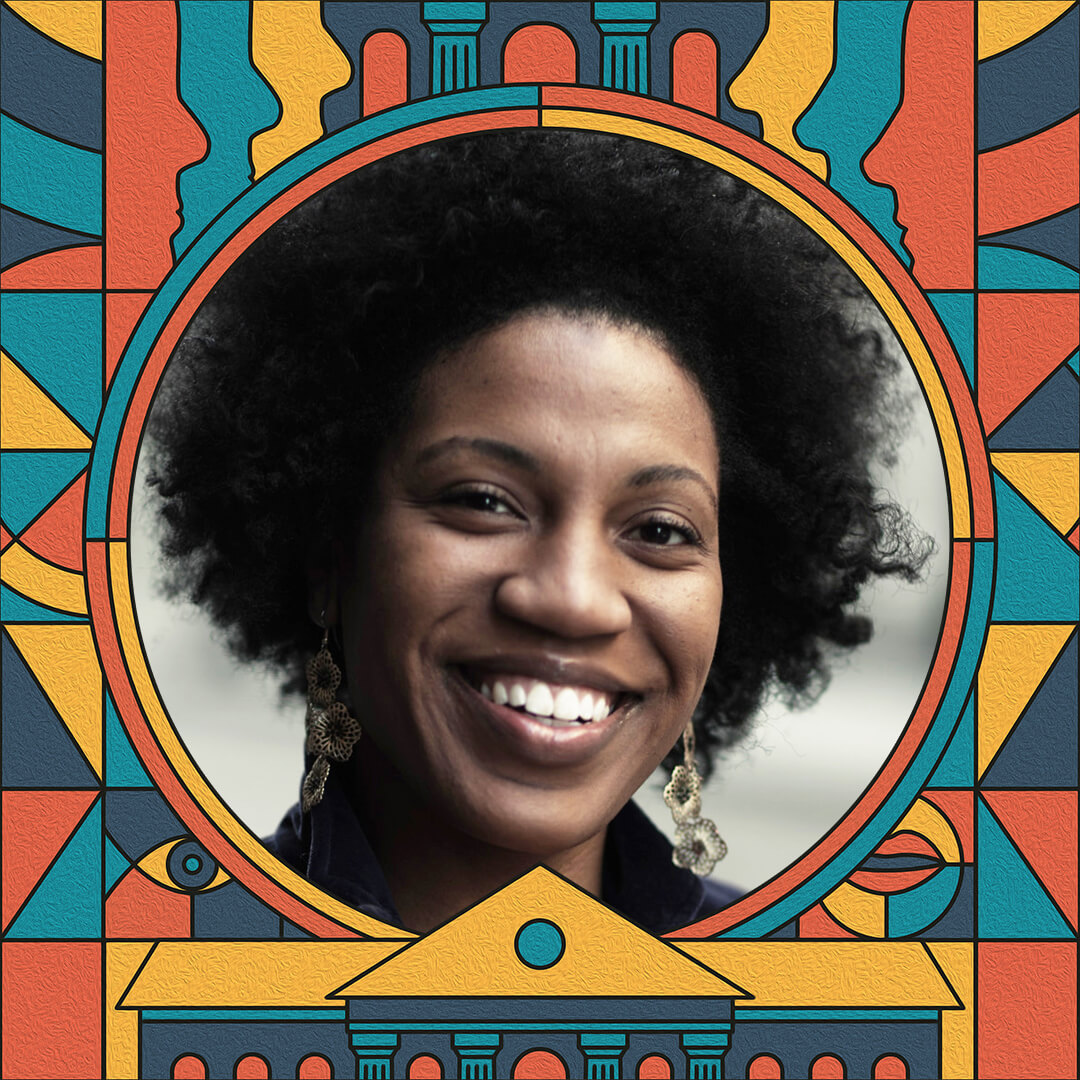
Brenda: And I am Brenda Cowan.
Abby: The title of our show – Where’s the Bathroom? – may seem odd, but in our work the bathroom is an excellent subject to represent the difference of opinion, and let’s call it, that we experienced designers have with architects. I think it’s a good place to start exploring the sometimes tumultuous relationship we have with each other. Brenda, I’m referring to the stereotype that the architect thinks people come to see the building, and we think they come to visit the content.
Brenda: Well, with our special guest today, we’re certainly going to get the very important architectural perspective so that maybe we can battle the stereotype. But, as regards what the visitor is coming for, I think that they come for both the architecture and the designed experience. We can’t separate the two, which is why I think in my experience, like yours as well, Abby, it’s difficult to understand why it is that the two are often separated when the process is underway. One cannot work well without the other.
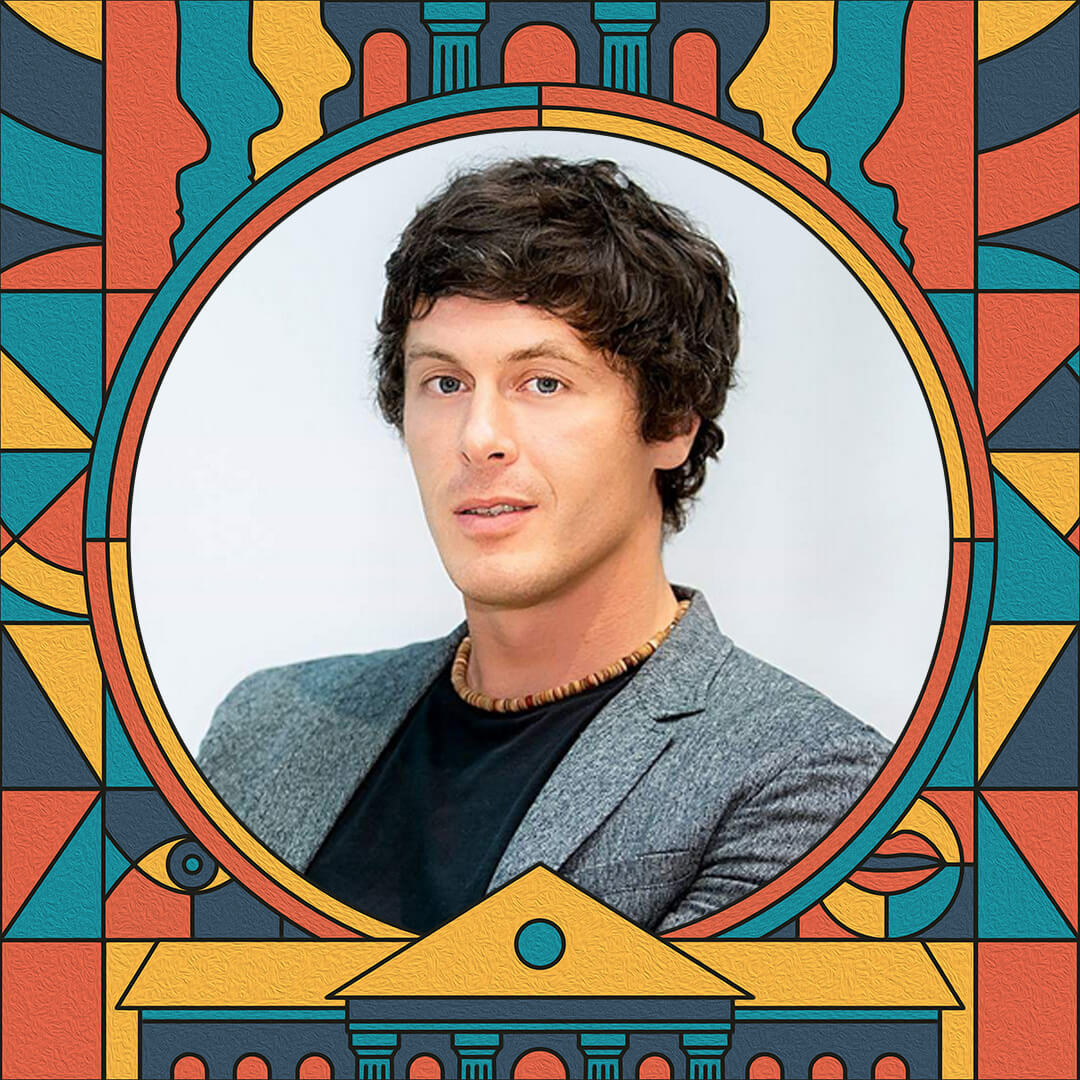
Abby: Yep, completely. And I’m looking forward to today’s podcast discussion because I’m very proud to introduce Alex Bitus. Alex, hello.
Alex: Hello.
Abby: Alex is the founder of Buro Bitus, an award-winning international architecture and urban design firm that values cooperation, not competition, and ideas, not egos. Buro Bitus is 100% employee owned and very proud of it. Alex trained as a structural and civil engineer as well as an architect, and his early days were spent working closely with British architects Tony Kettle and Will Alsop.
Brenda: Alex, I’m going to kick it off with the title of this podcast, Where’s the Bathroom, and why the bathroom is illustrative of the battle between the architect and the design firm, and also why it’s indicative to a visitor as to the thoroughness and care of the design and the architecture of the building. Alex, what does a bathroom mean to you?
Alex: Well, in my opinion, the bathroom is the most important room in the building, and when I visit any public buildings, I’m trying to make sure I visit bathroom, just to see. In my opinion, it’s an indicator of the quality of work, and personally, I’ve had lots of experience designing bathrooms, and at Buro Bitus we put a lot of efforts in designing bathrooms.
We designed Platov Airport, and we spent lots of time designing the bathroom in that airport, and a few years later, we were doing another airport, and I went on the web to search, sort of I would say, common trends about modern design. And when I typed modern bathroom airport design, I swear, a quarter of the results that Google threw back at me was that bathroom we designed at Platov Airport. I would never imagine that so many people would take a picture of a bathroom and post it on the web.
Abby: Look at that. It’s not just this obsessed with bathroom, it’s the users, too. I’m so happy about that. Well, I have many bathroom, or as I’ve been known to call it, loo stories. My most relevant to this conversation is when we are brought on midway through the design of a building and not at the very beginning. And a really prominent architectural firm had provided us with client-approved designs for a five story building, which is about 10,000 square meters, and it had one bathroom, I kid you not. Not one per floor, just one bathroom. We had to have several meetings to explain the importance of more than one bathroom. Clearly, none of these people ever needed to use the loo.
Brenda: Or have children.
Abby: Exactly. Because what I feel some architects forget is that we’re creating an experience and it has to be a comfortable experience. In the case of museums or, as you mentioned, retail experiences, which means things have to be practical. Nobody really wants to be dragging that child along who’s desperate to go to the bathroom up three flights of stairs only to have to stand in a really long line.
So I also really enjoy themed bathrooms, and one of the toilets stalls I’d like to highlight is there’s five stalls at Liberty Market in Gilbert, Arizona, where each stall, Brenda, reflects the individual contributions that go into running that restaurant. So each one’s like designed by a member of the staff and has things like a unique playlist and unique artifacts and photos.
So, for example, the co-owner and chef there, David Traynor’s stall has recipes, photos of his creations, and dangling cooking tools. I love this because it’s not just design. It tells you a story while you sit.
Brenda: This is so mind-boggling. I am so creating a playlist for my bathroom at home. I’ve got to tell you, you know, Judy Rand, museum great, created the Visitor Bill of Rights back in the 1990s. And the right for a visitor to be comfortable is a top item. Nothing has changed since then, and yet the right to have this level of comfort is still a question, which I find mind-boggling. Alex, what are your thoughts about the rights for visitors to have comfort as a top priority? How is it that you’re thinking about things like site, and, pardon the pun, visitor flow?
Alex: Yes, one of the key drivers that we consider is the visitor’s comfort. We do lots of airport design, and air travel for some people is a stressful situation. What we find that calm, sort of calm environment can be created by lighting and natural materials. We tend to provide a comfort, visual comfort and actually, it works. It works, I must say, I’m reading lots of reviews on the web, and people are happy with the environment.
Flow, I believe it needs to be predicted. It shouldn’t be a maze. We tend to do a predicted experience, predicted flow, so people do not get lost, they know where they are going, and high ceilings, big rooms, they tend to help. Yeah. We always consider that in our design.
Abby: Oh, that’s interesting you mention high ceilings. So you’re saying that high ceilings make people feel more comfortable than lower, more, sort of cozy ceilings?
Alex: Lower ceilings tend to provide sort of tension and – well, that’s how I feel.
Abby: Yeah. Yeah.
Alex: High ceiling gives more air. You can put a sign that’s easier to observe from a distance. So if space allows, if design allows, we would have a high ceiling, definitely.
Abby: Let’s talk about the visitor flow in the Arctic Museum that we worked on.
Alex: Yes, I think you were the first to come up with the idea of the museum. And I believe that at that point, you didn’t have any information about the site. In your vision, you had sort of five areas, and those five areas supposed to be five different floors in the building. And when I saw the site, it’s actually a thin, narrow site that the building with five stories or six stories, it actually wouldn’t fit with the surrounding.
So I was trying to find a way to make it flat to fill the site as much as we can. But I also knew that there has to be another area, the common hall, where we enter, where we leave, where the restaurant is, where the auditorium is, cloakroom. So that sixth area has to be somewhere between those five areas, and as the site is thin and long, I put that area right in the middle. And I also was trying to find a way how we visit all the areas by a single floor, entering through and leaving the building through the same area, because, in my opinion, the returning experience is also experience.
A returning experience in Guggenheim Museum in Manhattan is quite interesting because it’s a spiral rotunda. You’re going up visiting all the areas, and then to return, you’re going back the same route. So I was trying to find a different solution that you shouldn’t go through the areas you visited before. So it’s a clockwise direction, but shifting the areas would allow us to visit them once and not bypass them on your way back.
Brenda: I’d love to zero in even further on the exhibition space and a real classic challenge that can oftentimes come up between the design firm and the client and the architect is on the subject of windows. So, when we have collections and when we have artifacts that need to be preserved, that sets up kind of an automatic challenge regarding planning for windows and how that could work within concept and visitor experience.
Alex, can you talk to us about how it is that you design solutions is for spaces where you have to either incorporate windows in new and unique ways or somehow convince a client and or exhibition design firm that they can’t have what they want.
Alex: Yes, in Arctic Museum, we, I think initially we had more windows and then you guys said that, no, no, no, we don’t want them. So we left them in the central core and we left them in one of the areas that you actually find a nice solution to, to include them into your experience area. But yeah, there are some buildings that by nature has to be without windows like a retail mall.
With one of the retail malls, we found a quite interesting solution by wrapping the facade with a tensile fabric. It’s a folded fabric. It represents ballerina skirt, and it was the main idea because it was in a city and the city was famous for its ballet, and it looks fantastic, even without windows. So, buildings without windows is possible. It’s a challenge, but it’s an interesting task to find a solution.
Abby: Well, I love that solution because as you mentioned, it’s a city had a large focus on ballet, taking that narrative and using it around the building continues that story. I just think that’s like a wonderful design solution and content moment. Let’s focus on inspiration for a moment. Do you have a style, and where do you get your inspiration from for a project?
Alex: Well, I think there are a few key drivers. First is environment. I think the building needs to fit with the surrounding location. I don’t say it has to blend with it. No, it can stand on its own, but with respect to what’s surrounding it. Materials is another source of inspiration. As I mentioned earlier, the tensile fabric that we used on one of the retail malls. Historic contexts. If there is a site history. Shapes. If you’re looking to design an interesting, exciting building, then shapes of the building could be another source of inspiration.
Brenda: I’ve got to say, I’m really, really happy to hear you talk about not having this, you know, sort of signature that you just stamp on every single project, and it’s making me think of a question that I received from a student not long ago who was very, very concerned, and he pulls me aside, and he’s like, “Professor, I don’t have a style. And what am I going to do? I’m never going to get work. I don’t have a look.” And I told him, you’re doing the right thing because it’s not about you. It’s about the audience. It’s about everything. It’s about the context and the story. It’s really, really about those things. And no one should ever go into an exhibition and ask themselves about the exhibition designer. It’s our job to allow everything else to speak for itself.
I would love to hear an example, Alex, of a time when you have been able to work with a client, the experienced design company, and you all worked together really, really well. What was at the heart of the success?
Alex: Well, I think the latest project that we had with Lorem Ipsum, Arctic Museum, was a nice example of collaboration between architects, experience designers, and the client. Client is definitely one of the key factors because client never sort of pushed in terms of design. They were happy with our competence, with our experience, and they left it entirely to us.
So, maybe one of the key factors that we knew each other before starting this project, we sort of on the same wave, so we work together respecting each other opinion. And as I think the result is, is quite nice.
Abby: Yeah, I think it’s interesting that you mentioned the client, and their role is so key. They need to listen to the consultants, to the people with experience. Oftentimes, if it’s a very large institution, some of our clients, it’s the first time ever doing this. We need to collaborate with them. They need to also trust and collaborate with us.
I think. Brenda we need a whole other podcast about getting a client to trust you and how do you do that because it is a real skill, and there’s a real effort, and sometimes you win, and sometimes you don’t.
Brenda: Oh, we are going to get a lot of caller comments for this one.
Alex: Yeah, we actually had experience with a client. It was Platov Airport, when client had a vision on how the airport needs to be designed, and in a design brief, they said that they want to have a flat roof. And when we started with the first design ideas, we realized that it’s a box shape and all we do is just skinning that box. It’s just like a facade design. It’s not, we’re not designing a building, and we, I don’t remember why, but for some reason we decided to ignore the client’s vision. And we came up with the arched roof like a bridge going from the front to the apron where the airplanes are. So, the idea was a sky bridge, and we thought that at least if we don’t win the competition, at least we have something that we will not feel ashamed of. You know, we can be proud of our concept. And when client saw all 11 proposals, all the other architects, they were following the brief, and they did a flat roof, and our building was the only one different, completely different. And then clients thought, hmm, do we really want to have a flat roof? And we won the competition.
Brenda: I would just imagine that at some point you have to determine, and it’s great in a way if it can come up in the bid, will you be able to collaborate with your client if right out of the gate the ask is unreasonable or completely lacking in vision? So, if the client was not amenable to the change that you had proposed, I can well imagine that you still, you know, dodged a bullet, perhaps because, you know, you could have won the competition but been utterly miserable or never been able to really, truly collaborate, to work together. And, you know, a successful collaboration is essential for a successful project, I think.
Alex
I even had experience when client, with some residential projects, that a client had an initial idea from done by other architect and they would approach us and say, look, we like the areas, the plan, but we don’t like the facade and architects don’t want to change their facade. They said it’s their vision, and they just refused to, to do anything. So we have the experience when clients approach us and asking to redesign someone’s design. It’s an interesting experience, I must say.
Brenda: Now, I’d love to get just a slight shift of perspective on this and ask you, Alex, what do our listeners need to know about working with an architect?
Alex: Well, I think it’s like with any design team, when you need to collaborate with different parties, it’s just respect each other opinions, but mind your vision as well. It’s probably like playing in a music band. If band is playing jazz and you’re trying to play country, then it won’t fit with the rest of the band, and you will be just kicked off. All members of the team, they play different music instruments, but at the end it sounds like a proper jazz. So working with architects is just not to push your ego and not to allow for architects to push their ego first. It’s, it’s respect at the end, I think.
Abby: Yeah, I love that analogy to playing in a band. I think that’s exactly how it feels. Everybody has the different competencies, experiences and job to do, and they all have to work and respect each other and know those boundaries.
I have a quick question about, you know, I think you’re a unique architect, Alex, because of your history, like you did structural and civil engineering, so when we’ve got all this technical equipment, we’ve got tons of screens, we’ve all our watchout, all our hardware and, you know, often it’s forgotten and it’s, oh, you just need this amount of space, but you’re always planning and making space for us. So can you talk a little bit about your background and how it really helps make sure that the boring stuff is remembered from a structural engineering perspective?
Alex: Yes, I started structural and civil engineering first. I got my diploma, and I realized that it’s not really what I want to do. It’s a bit boring, and I was looking for something more creative, and architecture was the closest sort of thing, and it blends quite well. On all my projects, I do structural design, all the technical areas, they actually come from experience. But at the later stages when structural engineers, mechanical electrical engineers joining the team, it’s always a fight. They need a room, they need a space to run the ducts. And at the design stage, I sort of can predict where it’s going to be and how it’s going to be run just at the concept level, you know, I’m not an expert, but I have a general idea how it works, so that’s how it works from my, for me.
Abby: It’s fantastic from our perspective because we don’t walk in during a build and see a bunch of ducts that weren’t supposed to be there but now have to be there because nobody’s thought about it. So I think having that skill and that expertise really sort of fulfills that gray area between us and you that often is sort of left and forgotten about and really enables us to really design and build what we say we’re going to design and build. There’s no bait and switch. There’s no changing. There’s no large structural problems that come up that mean we only have to have one bathroom just to bring it around to bathrooms again.
Alex: Yeah. Yeah. Well, I think it’s down to client. If they want at the concept stage, they can invite structural, and they can invite mechanical electrical engineers just to do a concept on structure and mechanical and electrical. It helps a lot and the end.
Abby: And then, when you think about the future in your work, what are you excited about?
Alex: New countries. I think exploring new cultures is interesting, and learning from those cultures and designing something that we never experienced before is quite interesting. So yeah, that’s I think, the future I see for Buro Bitus.
Abby: Do you have any solid advice for young architects?
Alex: It’s not an easy job, I would say. We do lots of concepts, we do lots of competition, and I think we maybe are one out of ten, one out of 20. So, so many efforts and thoughts and designs, they are never going to be implemented, never going to be realized. So it’s a hard thing to do and be prepared that you’re not going to be you’re not going to win on every level. That can demotivate, I must say, but if you’re prepared for that, then go for it.
Abby:
Why did you like being an architect then, Alex?
Alex: It’s very exciting. I must say. It’s like a message to future. You leave something behind. You’re not going to live that long, but your building’s going to live, and people are going to use them. It’s an extremely nice feeling. It just gives a warmth inside, and it gives a strength to carry on.
Abby: Thank you so much for joining us today. I hope at the very least you all look at bathroom design and museums in a different way, and at most, the architects listening will recommend to their clients to bring in the experience design team at the beginning, not after the building has been designed.
Brenda: Hear, Hear.
Abby: So thank you, Alex, so much for joining us.
Brenda: Thank you, Alex.
Alex: Thank you.
[Music]
Abby: Now we’re going to do a double take where we focus on things we heard, read, and saw in the media that a noteworthy and we want to punctuate.
Brenda: So, Abby, it is not just us who are obsessed with, as you call it, the loo. July 29th, the American Alliance of Museums put out on their blog The Best Museum Bathrooms, According to Museum People, and I highly recommend this read. So in this blog, you’ll read through if it’s the Smith College Museum of Art or if it is the John Michael Kohler Arts Center, you will read about a number of different bathrooms that are designed by artists, and that include things such as objects from museum collections.
Abby: Oh, I love that.
Brenda: At the Mariners Museum and Park, they have panels in their stalls that explain bathroom elements on ships and about how to use the bathroom at sea. Who doesn’t want to do that?
Abby: That’s fantastic.
Brenda: It is fantastic.
Abby: It’s like putting you in the position of being at sea. I never thought about what it would be like to go the bathroom.
Brenda: At the Glore Psychiatric Museum, according to Ann Bennett, they are “nightmare inducing bathrooms, but in a good way.” They are artworks that, according to Sara Elizabeth Wilson, they are “awesome, but the clown and optical illusion bathrooms are the best.” I think I should just leave it at clown and let all of our listeners imagine for themselves what they would encounter in that particular bathroom.
Abby: There’s a very interactive bathroom at the Denver Art Museum, which sings ‘Row, Row, Row Your Boat’ while you’re washing your hands. And I think if you can get them all activated at the same time, they’ll sort of sing in this canon, so you can obviously spend a lot of time in the bathroom playing along with that. That was developed by Denver artist Jim Green, who’s also known for a laughing escalator at the Colorado Convention Center. So again, talking about sound and how you can use sound to interact.
Brenda: I just, I have to conclude my appreciation for bathrooms. Actually, this one is not in this particular article, but this is my favorite bathroom experience – this is like True Confessions time, my favorite bathroom experience – was at the Boston Children’s Museum, where they had inside the bathroom displays of scat, as they put it, of different animals. So, you know what scat is, right? Do they? They don’t say that in in the UK. Oh gosh. Poop. They had displays of animal poop. So, talk about being topical and on theme in every environment, talk about extending the experience in the story.
Abby: I love it. So I think overall our point is the devil’s in the details. And if you’re designing an experience, you have to design the whole experience. There shouldn’t be a blind spot.
Brenda: Hear, hear.
Abby: So I hope that our listeners will do a double take at least next time they’re sitting in the bathroom of a museum and really decide, is this a good experience or not?
Brenda: Don’t miss an opportunity. The bathroom is not an interstitial space, although interstitial spaces are critical. Every stairwell counts, every hallway matters. Definitely use the bathroom. People are captive audiences, folks. Make good use of it.
Abby: Tell your story. Thank you, everybody.
Brenda: Thank you.
[Music]
Producer: Matters of Experience is produced by Lorem Ipsum Corp. Please tune in next week for another conversation. Thank you all for listening.