[Music]
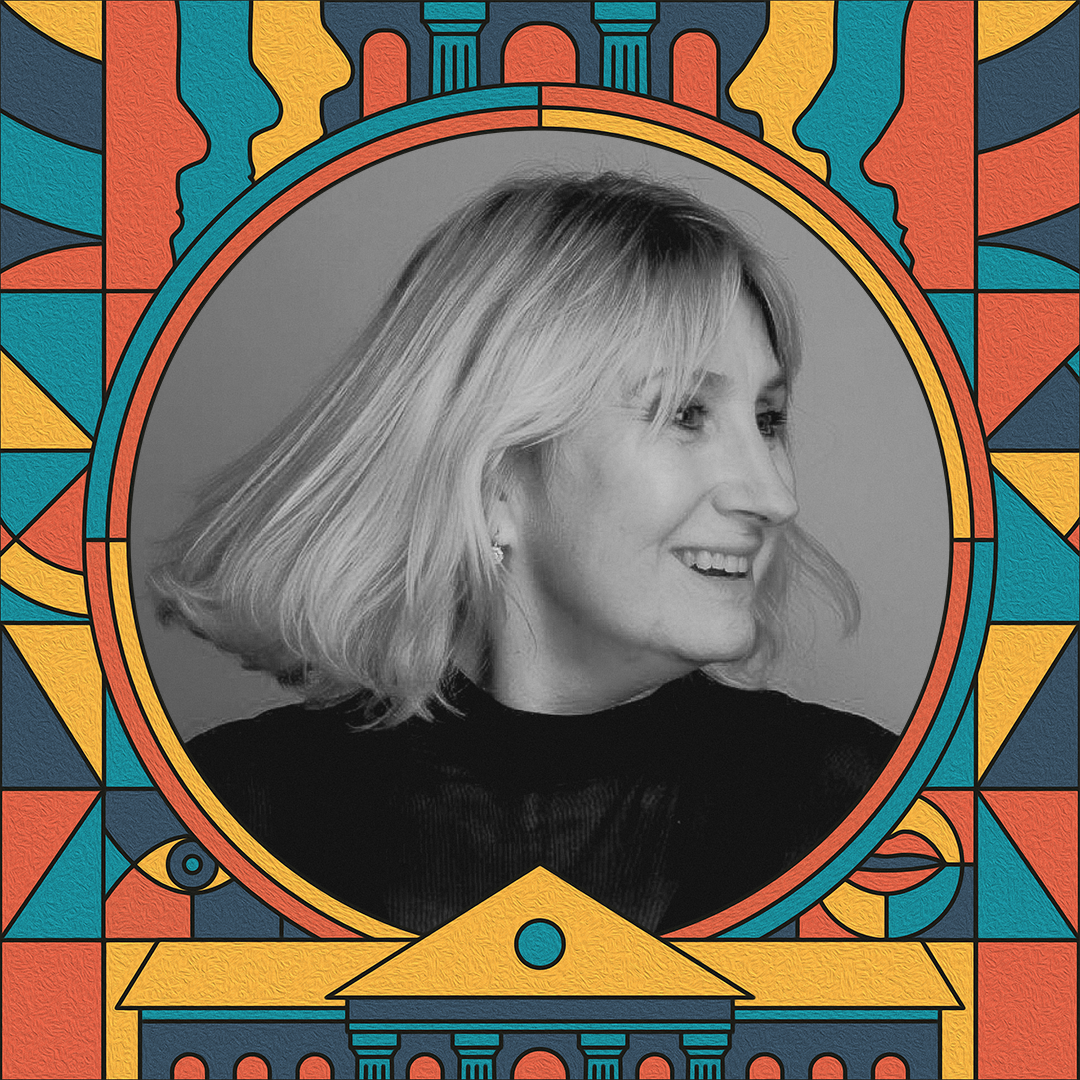
Abby: Welcome to Matters of Experience, produced by Lorem Ipsum, an experience design company headquartered in New York City. Our podcast explores the creativity, innovation and psychology driving immersive experiences. If you’re new, hello and welcome, and to our regular listeners, thank you for tuning in and supporting our conversation. My name is Abigail Honor.
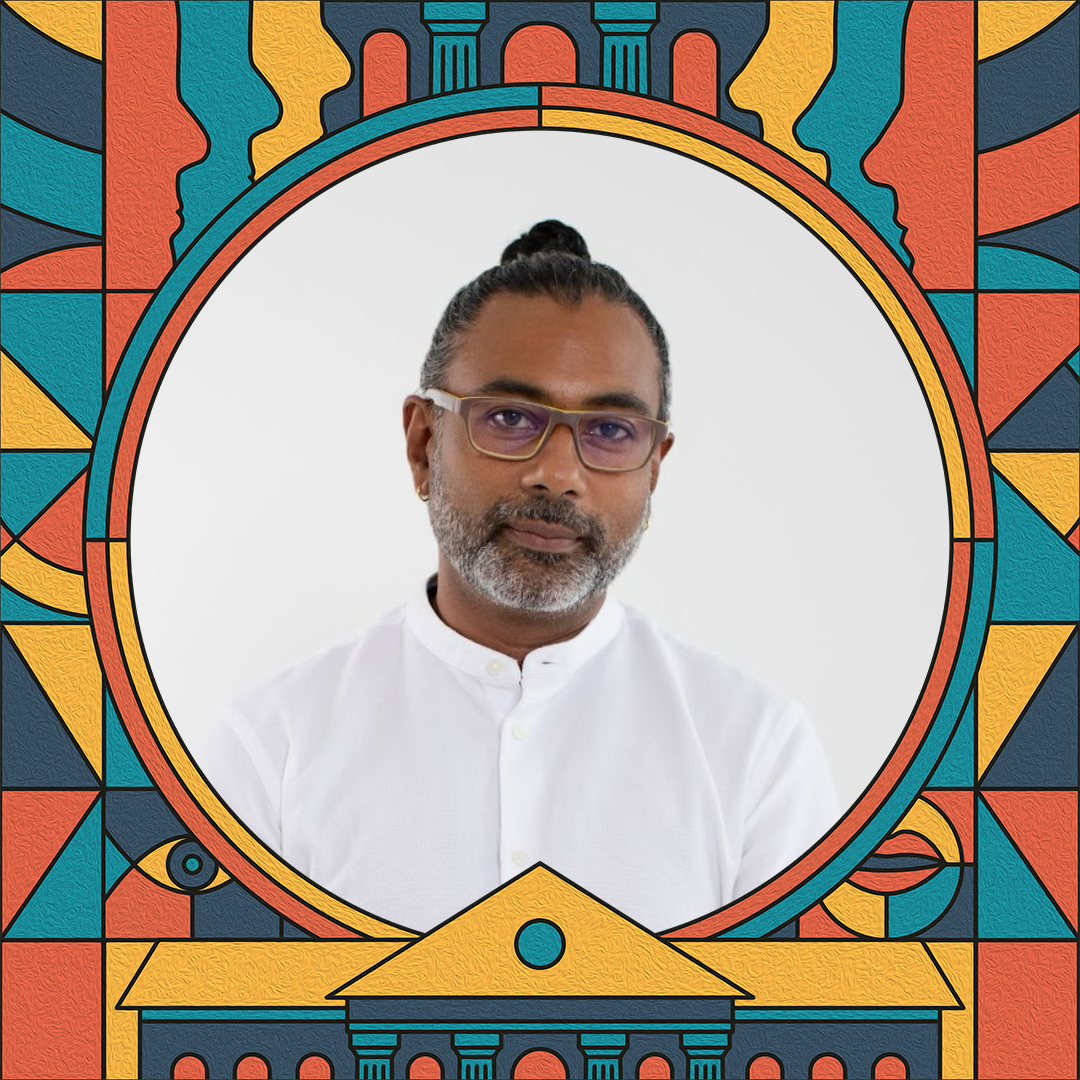
Brenda: And I’m Brenda Cowan.
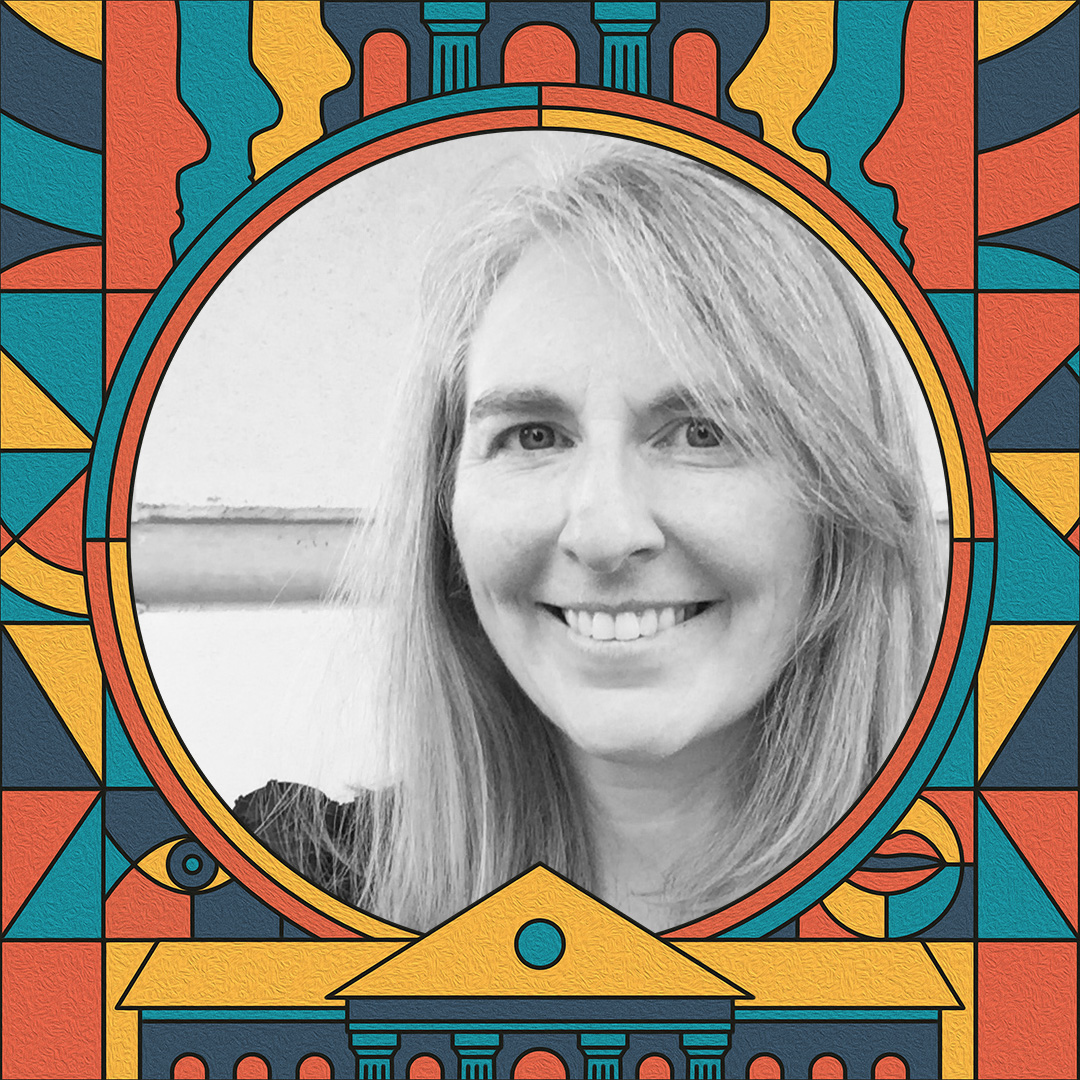
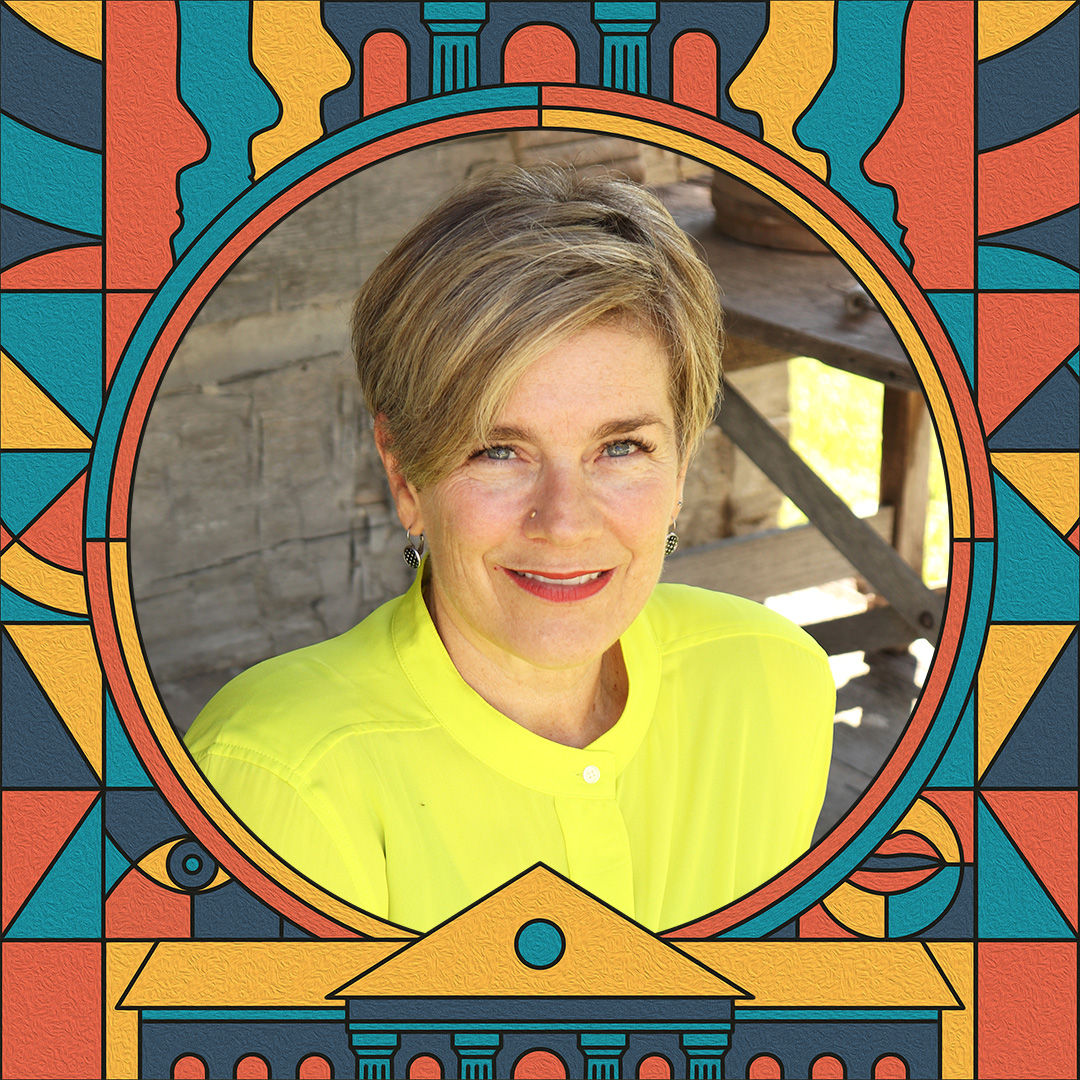
Abby: Today we’re chatting with Anne Fullenkamp, who is the Senior Director of Creative Experiences at the Children’s Museum of Pittsburgh. She oversees the museum’s permanent exhibitions and collections and design consulting and business development programs, as well as leading their complex design teams and design philosophies about hands on learning through play to create informal learning environments, which I’m really looking forward to discussing today. And she also leads the museum’s Inclusive Design Initiative, working with cultural organizations in Pittsburgh to make the city a hub for accessibility in the arts. Anne, welcome to the show.
Anne: Thank you very much. I’m looking forward to our conversation today.
Brenda: We’re so excited to have you Anne, and I’ve got to say, I feel so privileged, mostly because I come out of children’s museums, and part of what I wanted to initiate our conversation about was about the very nature of children’s museums, and also how the path to working in a children’s museum can be varied and circuitous. You know, I started my career back in the early 1990s at Brooklyn Children’s Museum and thinking I was going to be an art teacher, and then realizing, and as I’ve told others, having this total epiphany that, oh my gosh, children’s museums, who knew? Everything seemed possible.
And since those years, those many years ago, every single decision that I’ve made in my career, no lie, has been influenced in one way or another from that initial origin in my career at Brooklyn Children’s Museum. The Pittsburgh Children’s Museum is at least as miraculous and amazing. It is a giant complex of spaces and I absolutely love visiting there.
Anne, what is it that led you to children’s museums? And I’m curious if you fell in love with them through any special ways or special means.
Anne: My origin story started in very traditional architectural design. I went to art school fully intending to be a practicing architect, and I went to graduate school. I was a practicing architect for several years. I was living and working in Baltimore, my hometown, and then I found my way to Pittsburgh. And one day I was, like we all do at the early stages of our career, I was searching job boards to see what interesting things were out there, and a job posting for an exhibit designer popped up and I literally didn’t know what that was, so I clicked on it to see, huh, I wonder what that is. And I almost took it as a design exercise to see, okay, what if I applied for this and updated my portfolio thinking about an exhibit designer job?
So, I did that, and I got a call in to come to the Children’s Museum of Pittsburgh. This was literally the first time I had ever been in a children’s museum, and it literally was a life changing moment. I ended up accepting a temporary grant funded position to design one traveling exhibit, which for me was perfect. And then, frankly, 17 years later, I’m still here.
But to your point, Brenda, I fell in love with this. I found an opportunity as a designer that was so unique because there was no other place where you’re designing and working in real time with the end user. And for me, that was a life changing moment because so often as designers, we put things out into the world and then we move on. At the Children’s Museum, I found myself on both sides. I was designing it and then I was also the end user. So, good or bad, I had to live with it. And that totally changed my thinking as a designer. And it’s just continued on and on.
Abby: What was it about the skills that you had as an architect that worked so well as you transitioned, and how was it very, very different from being an architect when you were designing for the museum?
Anne: So, the skills as an architect that I brought that fit in very well is the project management and the planning and understanding of materiality, budgets, schedules, a lot of the practical things, but even the whole design process is very useful. This idea of iterative design, where you’re going to start with a concept and then build and build and build that until you get a final design that’s fully articulated around a big idea.
And I think for me, my training as an architect, it was that big exploration, that big dreaming, where you’re pulling in influences from nature, from art, from culture or whatever. It actually didn’t matter that I didn’t have any experience in children’s museums, and in some ways that was better because I can look at each project more objectively and kind of draw from whatever this specific program or this specific space or project needs.
Another big piece is for anyone who’s been through art school or architecture school, you understand the process of critiques, where you put your heart and soul into something and you’ve stayed up all night and you’re literally bleeding. Your fingers might be bleeding from cuts, and this is, I went to architecture school 25 years ago, 30 years ago, when we were still making models.
So, yeah, you put so much into it, and then you put it up there and then somebody is going to say, I don’t like that, or why didn’t you think about this? And you need to be able to defend your ideas, but also accept the criticism and then maybe learn from somebody else. Another piece of this I always talk about is the people, often architects and designers, we’re designing with the materials and space and thinking about all these wonderful inanimate or abstract elements.
And then, yes, the user, there’s the end user, the stakeholder, whatever we’re calling them, and we interview them and their wants, wish lists are included. But at the end of the day, we talk about space, we talk about light, we talk about the materials and the aesthetics and details and create these moments that might feel great when you’re in there. It might photograph beautifully, but what happens when someone’s using it every day and they start to wear out? You might have to live with the design for ten years before you get a chance to redo it, or a gallery or something. So having to understand how to keep something fresh and new and interesting for children every day, it just amped up the responsibility of what we’re actually doing and putting a whole nother layer of personal connection with the end user, because I see it every day.
Brenda: You know, talking about the end user and talking about the people for whom we’re designing, in a children’s museum, it’s so special because everything that you are designing towards, in some ways has to do with every stage of human development. It’s so multidimensional, because we’ve got, you know, our little, teeny tiny ones right on through folks who are in their senior adult years and thinking about the whole person in designing in a really holistic fashion is something that, you know, certainly in the years that I was working with children’s museums, it was really at the heart of the matter. And that was, for me, something that was really particularly special and really one of my favorite aspects of the work. And I would love to hear what some of your absolute favorite aspects are of the work that you get to do.
Anne: First and foremost, I work with amazing people, and that does translate into the work on the floor and the things we produce because we really care. I’m lucky in that the people who choose to work at a children’s museum, frankly, I’m sure at any children’s museum—we’re nonprofits. Nobody is really in this for the money, but it’s really for a passion for some aspect of the work we do.
I have to say, I love that aspect of it, but I really do get great satisfaction in seeing a family, like you were mentioning the different ages, to see adults enjoying their time with their kids in a really unique way is very special. And to your point, yes, we’re going to see the early childhood and the kind of, the different stages of childhood development, and then you have older kids, but what about the parent, the new parent, or even the new grandparent or a caretaker?
You know, any adult who’s interacting with this child, who’s experiencing things in a new and joyful way, to see that kind of childhood joy of playing translate to an adult and get them kind of in a different headspace, they’re moments that are really special here when we see the parents just relaxing.
Abby: Can you tell us some specific examples? Because in your almost 18 years, can you? Yeah, share a few so we can understand what you’ve enjoyed.
Anne: Well, something just a couple of weeks ago I was walking through the museum, and I stopped to take a picture because we have an exhibit activity called Build It, and it’s a collection of drilled panels that you take nuts and bolts and that, you assemble them together to build different structures. And as I was walking by, I saw this amazing fort and structure, and I didn’t see any children.
I saw three adult men, and they were building and playing and having a lot of fun. And it took me a little while to find where the kids were. The kids were inside the fort, but for me, that was like, check the box because the dads were actively engaged in this creative Children’s Museum exhibit experience. Other moments, too, that are kind of these more special, quieter moments that you might not expect to find at a children’s museum, is we do have a focus on social emotional learning and our approach to that is through communication.
And we have these stations where you can write down, we call them strategies cards. That’s where parents can really communicate with one another. And every week, you know, we spend time going through and reading some of those notes. It’s really kind of gratifying to see that people take advantage of that and share their struggles. I mean, that’s another big part of, of what we believe at our museum is childhood, and raising children is not all sunshine and laughter. It’s a lot of pain and crying and anxiety and all of the stuff. And, you know, being a safe place where parents and caregivers can stage those frustrations and those feelings is another aspect that I find very gratifying.
Abby: We talk a lot on our show about beginning with audiences when you’re crafting the stories and content and exhibitions. Do you work directly with children when creating your experiences or other kinds of experts? And who’s at the table when the museum is sort of beginning or starting up a new experience?
Anne: Yeah. So, we do assemble an advisory panel, and that helps us kind of focus in on some of the bigger ideas. But one of the things we do very quickly in the process is we jump right into prototyping. We find it more useful as designers and to get everyone to loosen up in their creative process, to just make something and not necessarily so obviously connected to a topic, but just roll up your sleeves and start making something that is engaging is interesting to you and you think would be interesting to kids.
And then once we kind of have these quick prototypes, we put it out on the floor directly so our visitors can kind of respond to it. So, from that frame of mind, we kind of think about prototyping and this constant critiquing process. Let’s get it out and let’s see what they think really early, and that really helps our all of us see what’s going on, and if we’re on the right track, and then we find that sometimes we’ll figure out what the exhibit is about, actually, after we start building it.
Brenda: It sounds so dynamic. And so fun and I can imagine how stimulating it’s got to be to be a designer at your children’s museum. And we cannot have a conversation today about Pittsburgh without mentioning Fred Rogers.
Anne: Yes.
Brenda: And I can tell you, Mister Rogers’ Neighborhood, it was a huge influence in my childhood, as with so many people. I know that his work in media and with children, with families, his ethics and values of, in particular, certainly of kindness, have made a big impact on the Children’s Museum of Pittsburgh. Can you tell us about the ways in which Mister Rogers’ Neighborhood has influenced the work that the Children’s Museum does?
Anne: Absolutely. So, Fred Rogers was a big part of the founding and the opening of the Children’s Museum in 1983, and then he continued to work with the museum until his passing and was a mentor and friend of our executive director. One thing that we’re really lucky is that we as an institution got to know Fred Rogers as a man, as a person, and one of the main things, our takeaway, because Fred Rogers is with us every day at the Children’s Museum, frankly, and it is his respect for children.
That’s what we talk about. And he really never talked down to kids. And that’s something we really model now, especially when we decide and to do topics that are more like tough to talk about, like our love—we have an exhibit about love and forgiveness and about kindness and all of our emotional, social, emotional work—that you need to talk about the hard things too. And Fred Rogers has been such a great model and how you can talk about these things and really respect children as human beings.
Abby: So, talking about some of the hard stuff, though, I really want to get into the specifics. Are there any limits? Let’s start with that. Any limits at your museum or boundaries to the content that you share? I guess that’s one of our first questions and sort of what is that balance? And if you could do some specific examples of maybe some things in the past just to help the audience understand.
Anne: We do not want to prescribe or judge or tell kids or families what they should think or feel. We want to provide spaces for kids to communicate wherever they are and contextualize some things in their own way. It’s almost taking a lot of steps back, and it’s really letting the experience lead. Whatever this next step context is. And I think the best, most specific example I mentioned are love and forgiveness, XOXO: An Exhibit About Love & Forgiveness. We learned so much in the development of that, that now influences a lot of our permanent exhibits and almost our approach to exhibits in general. Because when we were first developing this exhibit, when you think about love and forgiveness very quickly in the conversation, from an adult designer point of view, you end up going down a line of personal beliefs, religion, judgments.
You know, it gets very personal very quickly. And then it can, also gets very divisive. And when I was talking about before that, we start with the experience, we kind of like took a deep breath and like, okay, what are we going to do? Because nobody wants to come to an exhibit where they feel scolded or judged or lectured to.
So that’s where we went back and started with the fun stuff or things that they were doing. And then from there we realized, this whole process that we’ve been going through, what were we doing, really doing here? We have these amazing conversations that you can have as adults that kind of ended up being, might be controversial or even like heated when were communicating.
And we as a group, we were lucky in that we trusted one another, that we could have these frank conversations. So that’s where we kind of focused in on how people communicate. And then we provided from a content point of view, we did curate and provide prompts, quotes from people we valued. We have quotes from Mahatma Gandhi, the Dalai Lama, these kind of universal understood, accepted role models. But basically, we let the visitors kind of finish the story.
Brenda: And what does that look like? Because people might argue that you know, kids may not actually really deeply understand or personally connect with some abstract, if you will, concepts such as forgiveness and you go there, but you do it through play. What does that actually look like from a design perspective? How does somebody play towards gratitude or forgiveness?
Anne: Oh, it’s funny, in some ways you create these scenarios that then would spark a conversation. So, in a literal way, when we were doing XOXO, one of the things we talked about, love and forgiveness, well, there’s balance, right, there—love is on one end or forgiveness is on the other if that’s your balance scale. So how do kids balance things?
And we created a seesaw. And in the middle, there is a ball. And the ball was half black and half white, a yin and a yang, and kids work together to create that balance. And it created behaviors where kids start to learn how to work together and have conversations and what are we doing, and if you provide the tools in the toolbox, but also like understand that the kids need to move and have different energy levels and you kind of literally put the playground in front of them, but also give them these opportunities to rest and reflect, all in the same space, all together, that’s what’s been working for us when we talk about the social emotional learning aspects.
Abby: I want to ask, just pick up on something you mentioned Anne, you talked about frank conversations with your team. It seems that, you know, sometimes we find ourselves in situations where you can’t be as frank as you like. How have you managed to curate this team around you, where you can have that quality of conversation and all leave friends in a way or have that understanding that you all understand the world differently.
Anne: Well, I think at the foundation of who we are as a children’s museum, we’re actually an art museum. We are a collecting art museum. And I think those discussions are able to be pretty open and frank, but collegial, because we all kind of approach this as artists and creators. And I think just culturally, if you kind of come into the world from an artist point of view, there’s that expectation of even being outrageous and having kind of different ideas and different perspectives.
There’s a lot of humility among all of us, because if we, we kind of take this artistic, creative approach in it and just even start conversations, it’s like, well, this is just my opinion. Art is meant for controversy and to be subjective. And I like this, and you don’t, but it’s still art and art is still worthwhile. And that kind of goes back to even the practical standpoint.
We let the prototyping process kind of be that judgy, the judgmental factor. I’m not necessarily, and again, assuming it’s not outrageously out of scope, but if you have an idea and you think this is the way to go, let’s prototype it. Let’s see what the kids say. Let’s see what the visitors say. And I think that’s where that just respect and understanding, if we’re all creatives, we’re all going to come at this from a different perspective.
Brenda: You know, Anne, the conversation that we’ve had unfold today, talking about so much respect for your audience and for kids and for families, and now you talking about the very respectful ways in which you work with your staff and work internally, it’s making me think about the recent chapter that you just wrote for the volume that I just co-edited, Flourishing in Museums, and you’ve also published, in addition to writing about flourishing in your institution, you’ve also published on the theme of empathy.
And I think that more and more, these ideas and themes are progressing as our profession moves forward. And I’d love your perspectives on flourishing, both within your institution and also through the exhibitions that you create and how you reach and work with your audiences. I’d love your perspectives on what flourishing, and empathy looks like, what strikes you as possible in terms of the profession writ large?
Anne: Well, when you, when you’re describing this in context of flourishing and empathy and what we get to do at a children’s museum, I think this is where hopefully, and I see this, where all museums are moving into this approach of not necessarily being the experts, but really being spaces where people can explore ideas. We say at our museum, and it’s a quote that I, it’s been repeated that you can’t fail museum. And just having that ability to like, see something new, have an experience with it, whether it’s a, you know, a child and you’re a parent for the first time or just personally see something that you’ve never seen before, that is kind of exciting. And just to reignite that kind of personal passion, I think is really, really important.
And I think that’s where museums, especially in this day and age, where there’s so much information that’s available. I mean, this is kind of that classic, museums used to be places that provided information, but now that that kind of the same factual information is available at our fingertips, that I think that’s where the museums can be places for experiences.
And I know we’ve been, you know, our museum, we’re looking at all these like the photo ops and are those valuable kind of experiences. But if people are finding joy in what they do, it’s a social experience. But I think that’s where they, if they can be these places of really exploring new ideas and, trying things they’ve never done before.
Again, as a children’s museum, and we’re an art museum, so we have an art studio, we have a makerspace, we have artworks, we’re working commission art and installation art all the time. It’s kind of just places. I think that’s kind of the exciting thing when I think about museums in the future as they evolve, it’s really taking a step back and leaving more blank spaces and seeing how individuals can personalize and bring themselves.
I know that’s another phrase we see a lot now, but bringing themselves to the museum experience and adding to it, and the museum doesn’t have to provide all the context. We’re not the, the source of all the culture, all the context. We might even if it is a specific theme or an idea, this is a starting point. And then really looking at our visitors as contributors. And luckily, I mean, that’s the kind of where I see us going as a children’s museum, because the point of empathy when we were talking about that, too, it’s it allows you for lots of perspectives and to see how people, other people respond to things like that.
Abby: Briefly Anne, this is out last question, so, what would you tell ten year old Anne? What advice would you give her that you know now?
Anne; Well, it’s funny because that’s a question we always ask when you come to a new meeting at the Children’s Museum. You’re asked what you like to do as a child. And inevitably we find connections to what you do now. And, you know, in that context, growing up in Baltimore, I was an only child in the 80s. You know, I had young parents.
And now that very young parents, but I spent a lot of time at our art museum. But it’s that, that open exploration and just being places and having that kind of freedom, that confidence building that I now look back and got that kind of latchkey free, the free form child rearing. I’d like to say I wouldn’t change a lot, but it’s just interesting how where I ended up, I just see that looking back at my childhood as that connection to what I do now.
So yeah, I know I’m not actually—that advice to your, to yourself, it’s, it’s like everything, it’s to have, stress less. Don’t worry about it. Trust your instincts. Because that’s one thing that I have done, been able to do is, is to to trust my gut. And that’s where by making this leap in 2006, taking this chance and trying something out and knowing that it’s, you know, it’ll be okay. And I think that’s something I got from childhood and frankly, visiting museums, and I didn’t even appreciate that at the time, but I see that now working in museums, that that’s what these spaces can be.
Abby: Thank you, Anne, for sharing your story with us, and passion for design. I think there’s probably a lot of people who were like, I’d like to go and work on Anne’s team because it sounds fantastic.
Brenda: Oh my gosh.
Abby: I want to do what Anne does.
Brenda: You’re going to get so many emails now, Anne.
Abby: It sounds like an amazing place to work. And, and thank you, yeah, so much for sharing these individual stories. I’m coming to visit, if that’s all right, Anne.
Anne: Oh, anytime. We’re open—that’s the other wonderful thing about a museum. We’re open every day.
Brenda: There you go. Oh, it’s such, it’s such a worthy visit. Absolutely.
Anne: Well, thank you both. I’ve really enjoyed this conversation.
Brenda: Thank you so much, Anne.
Abby: And thanks to everyone who tuned in today. If you like what you heard, subscribe for more episodes of Matters of Experience, wherever you listen to podcasts, make sure to leave a rating and a review and share with a friend. We’ll see you next time.
Brenda: Goodbye, everyone.
[Music]
Producer: Matters of Experience is produced by Lorem Ipsum Corp and recorded at Hangar Studios. Tune in next time for more fun discussions about experience design.