[Music]
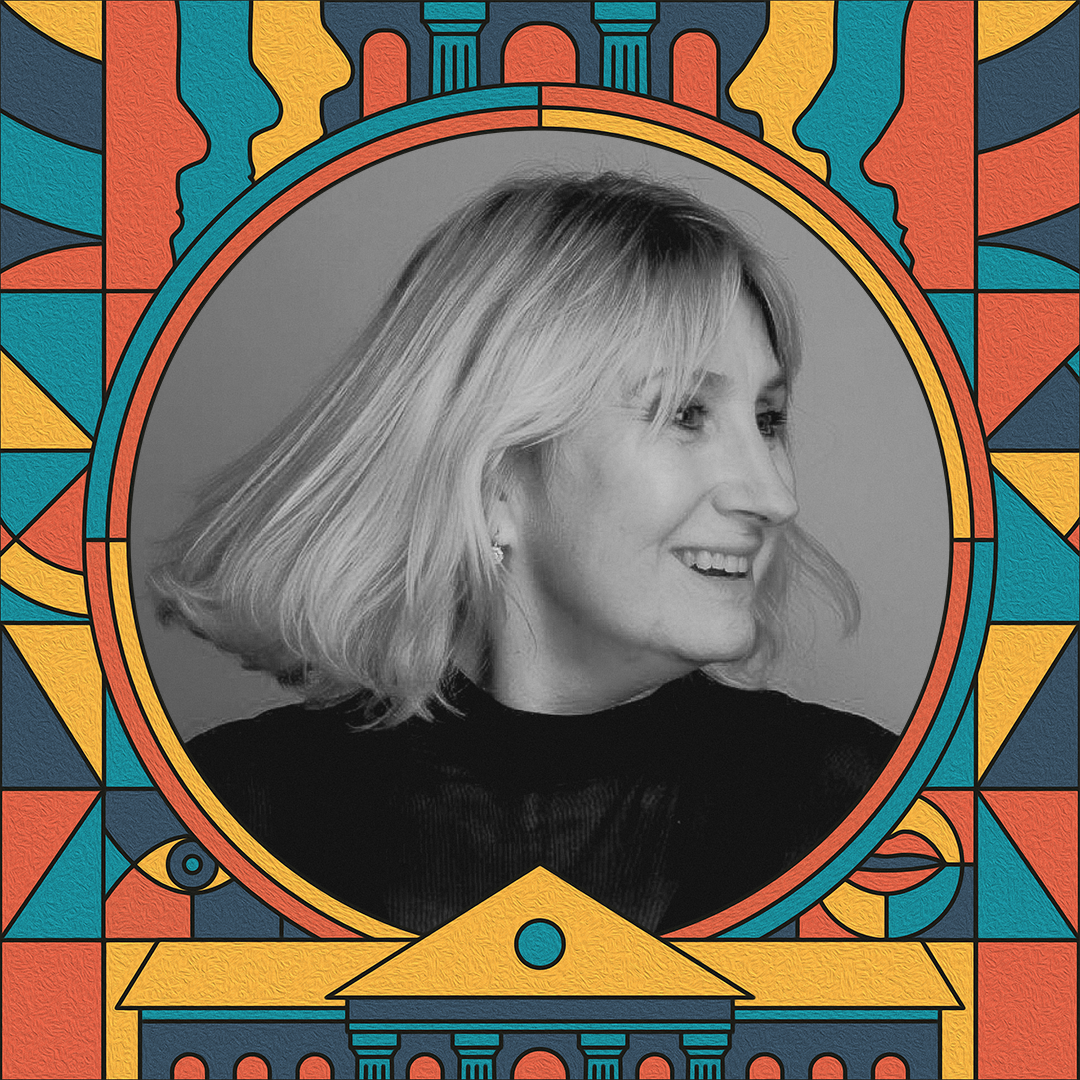
Abby: Welcome to Matters of Experience, a podcast produced by Lorem Ipsum, an experience design company headquartered in New York City. Our podcast explores the creativity, innovation and psychology driving designed experiences and encounters. Thanks for tuning in today and supporting our conversation. My name is Abigail Honor.
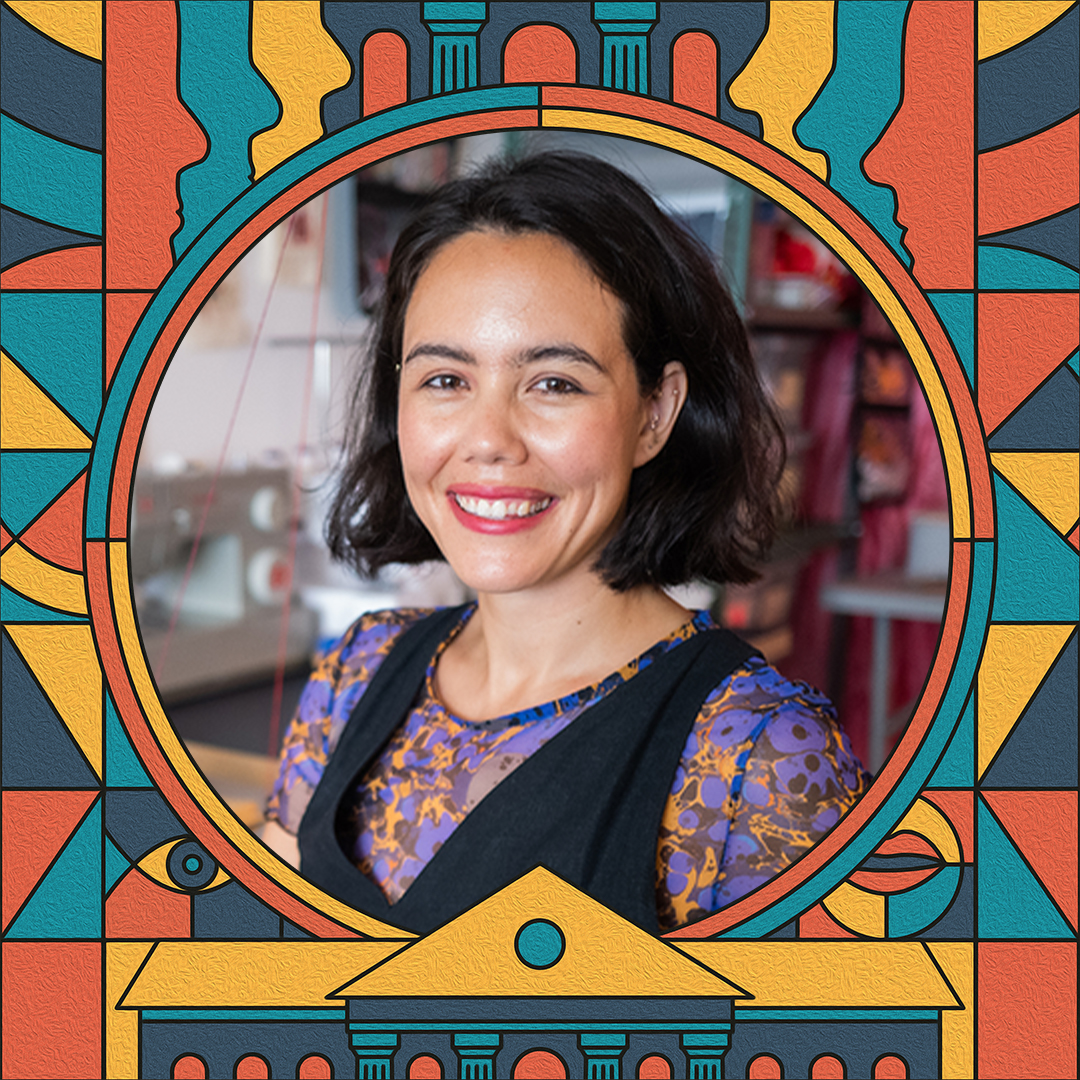
Brenda: Hello, this is Brenda Cowan.
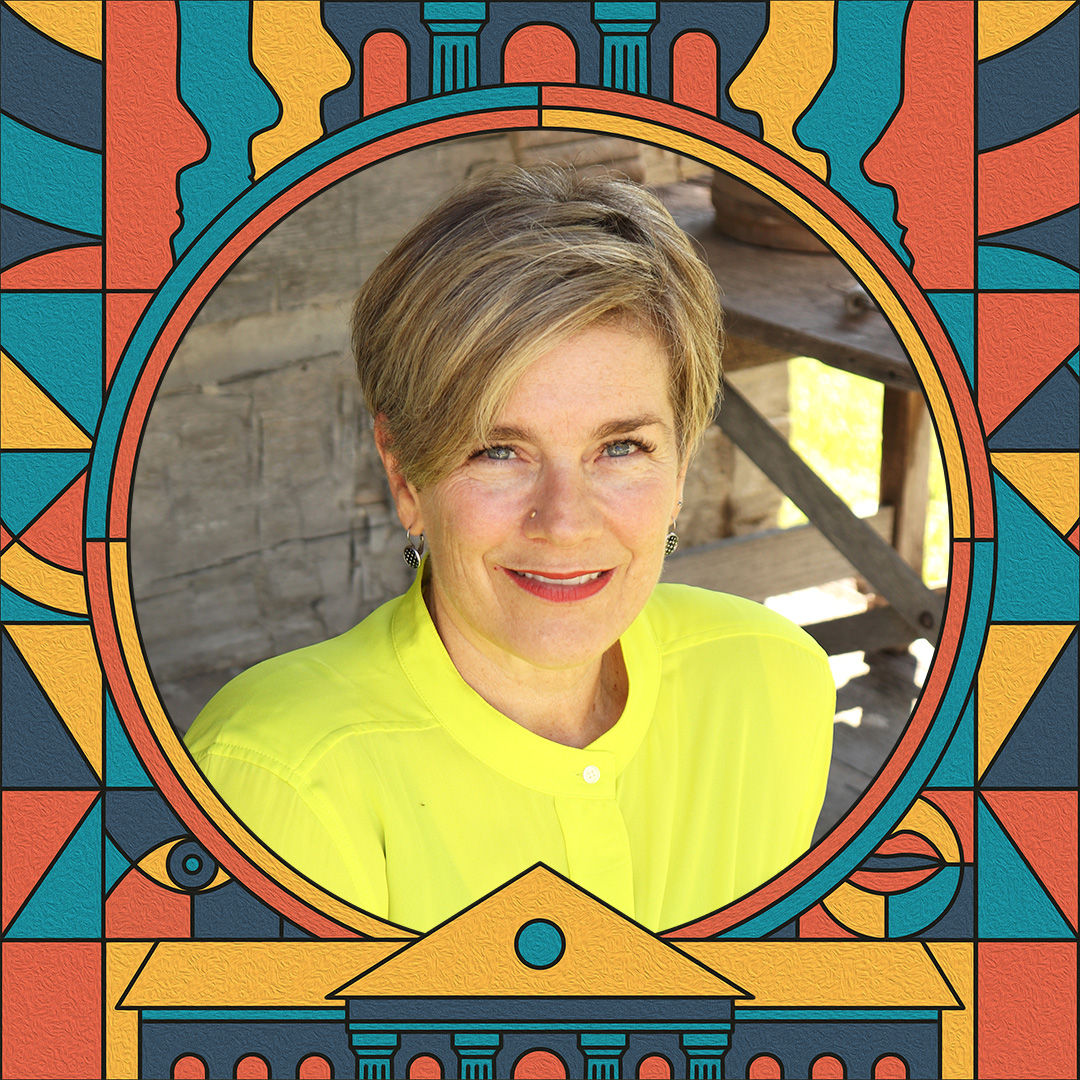
Abby: So today we’re focusing on a woman who has done it all in our industry and finding out what some of her challenges were professionally and personally, as her career has gone from strength to strength. It is a pleasure to welcome Trent Oliver, the principal and managing director of Blue Telescope.
BT, as it’s fondly referred to, creates location-based, interactive experiences for museums, executive briefing centers, and brand experiences. Trent has a desire to blur the lines between reality and technology, in honor of the good, Well, Trent, a big welcome to the studio today.
Trent: Thank you. I’m glad to be here.
Brenda: Trent, I’m going to kick us off focusing on your incredible history of work in interactive experience design technology, entertainment, leadership. Abby and I would love to know what on earth attracted you to this industry in the first place, and as I was thinking about this question, I was thinking about how so many of us in this dynamic profession find ourselves here, having come from totally, seemingly unrelated backgrounds or just plain weird lines of work, right? Really weird. And the attraction in experience design to me anyway, is that everything seems to apply.
Trent: Yeah.
Brenda: And there seem to be no limits in either direction. So, I’m curious to know, is that your take also and what brought you here?
Trent: I was in theater. I was a stage manager. I moved up, I became an equity stage manager, and it occurred to me I could stage manage the best show ever, and it could still be terrible. I could be well run, yet terrible. And I found myself in commercials in LA. I found myself doing corporate theater here in New York, and I would interview here and there, I did videos, I did film, and I saw a little car go across the screen. And this is a very long time ago. This is pre-2000. And I was like, oh, how’d you do that. And I was like, that’s cool. I want to figure that out.
I got lucky. I started telling my clients back then when I was a producer, don’t call me unless you don’t know how to do it. If you don’t know how to do it, I’m interested. If you know how to do it, call somebody else. They can dance faster. I don’t want to dance faster. And I found myself owning a company, and we ended up doing interactive multimedia. And then wandered my way. I mean, I couldn’t have aimed for it.
Abby: You know what I was going to say? One of the things that really resonated with me is when Trent, you said that if you can’t do it, if a client can’t do it, you wanted them to call you. What do you think that is, that, not being scared to help people solve problems that you don’t have the answer to? What is it about that in you that motivates you?
Trent: I always found that when I wanted to learn something I’d go get a job doing it. Nothing makes you learn it faster than, oh dear God, I might get fired, you know, like, oh, if this doesn’t work, I’ve got a problem. But diving in and going to the best people you can find that do that and interviewing them, it’s phenomenal. They’re not worried about you. You’re not going to take their job and they’ll give you great advice. And I like learning. Learning’s great. If I weren’t learning, I would probably blow up my career and run away.
Abby: So just jumping back then into this idea that our industry is very multidisciplinary, not only for the people and where they’re coming from as they come into our industry, but sort of, the way that we need to have multiple people from lots of different disciplines sitting around the table to be able to do what we do really well. You need everybody there and I remember thinking as I was growing up, well, I’ve got a broad interest in lots of things. I like to do this, the painting, the video, the sound, the music. But thinking about my growth and how I ended up here, it helps to have mentors.
Trent: Yeah.
Abby: Did anyone ever mentor you along your road to success and how did it help you? At the time?
Trent: I would just go find people who were good at—like I didn’t know how to make a DVD. I called up a friend and said, let me take you to lunch and pick your brain. I joined, back when it existed, the Inc. Business Owners Council, because I was like, all right, I own a business. Do I know what I’m doing? I don’t know, and that was really interesting to learn that businesses all have the same problems, everybody has employees, overhead, health care. They’re all dealing with the same problems. And it’s useful to talk about those problems and hear from others that have found a way.
Brenda: Well, I want to pick up, and move along a little bit more of the conversation about mentorship, because I know that you yourself see mentorship and being a mentor as very important. And, you have been an advisor for an organization called Harriet’s Descendants, and the organization, folks, if you don’t know what it is, it mentors the next generation of themed entertainment leadership to embrace, engage in the work of equity, access and justice and mindfully expand representation, inclusion and diversity within guest experiences and creative works. And they’ve got this great tagline, which is, “think of us as a feminist, intersectional Dumbledore’s Army of themed entertainment.” I’m looking at you laugh, Trent, did you know that this was one of the taglines?
Trent: No.
Brenda: You must tell us how did you get involved with this organization, as a mentor, as an advisor.
Trent: Cynthia Sharpe is a principal at Thinkwell, and she’s a very creative, very opinionated, intelligent woman. And she and I were having a big discussion around 2016, and we had very strong feelings and this is what came out of that. One of the first years we went to IAPA and we had this interesting kind of round robin talk about like how, how can you go forward as a woman? Women haven’t been in the workforce that long. We don’t have, a lot of times, mothers that did it before. We don’t know how to go forward and how to make it not personal but breaking it down and making it kind of more of a math problem and not a personal problem.
But I will say that it’s something that all people should be involved in. If we are really looking at finances, adding half of the citizenry into the economics, adding people that we don’t see, that don’t look like us, that, you know, they’re not part of our everyday experience into what we’re doing. We’re going to expand our audience. That’s going to make everybody more money. So even if you are against it, it will make you money. And I think that financial case is a good thing to put forward when people don’t agree with just kind of the basic idea.
Abby: Why is it called Harriet’s Descendants?
Trent: It’s after the first female animator at Disney.
Abby: Oh, wow. I did not know that.
So, you started talking about women, so I’m going to keep going. I played, like, a lot of sport in school, and often we trained with guys, right, and I learned that you need to be agile and strategic if you’re really going to have success when you’re playing with the boys. And so, Trent, as the principal and managing director of Blue Telescope, tell us about being a woman in a leadership position in this largely male dominated industry, and do you have any stories to share or things that you had to overcome.
Trent: I never walk in thinking, oh, I’m a woman here. My mother told me I was smart. Whether I am or not, my mommy told me, therefore I believe it. And I’ll walk into anywhere thinking I should be here. It’s taken years to get that, and I often am clueless when I’m faced with either, you know, a male who isn’t enjoying a female having a conversation with him, or other women who kind of—there’s games in the playground that I never learned.
And then there have been times where it’s been overtly bad. We used to have a large client, the biggest pharmaceutical client in the world at that time, and I was at a conference and ended up with someone who could have put us out of business, got off the elevator behind me on my floor, and ended up having a full-on wrestling match. And I got lucky. I got my door open and got myself in and slammed the door and he wasn’t inside. And I was furious. I was furious for years. I could do nothing about it. There was nothing I could do. And that’s crazy.
That was the most over. You know, coming up in my life, there was lots of crap. I remember also after then a partner, a fabrication house that we partnered with, I had hired, a man from another company, and I brought him with me. We went to go talk to this fabrication partner. Suddenly, I didn’t exist. And, you know, they had a complete conversation, and I didn’t matter. And I was like, wow, this is very interesting. And also having the name Trent, quite often people will say, oh, Trent, he and I go way back, and I would just grab a guy and say, here, you talk to him and I’m out of here.
I keep thinking it changes and it kind of does, but it kind of really doesn’t.
Brenda: Yeah.
Abby: I totally agree. How do you, how do you see leadership? What are you aiming to be? Or at least, let’s say your colleagues think about you as a leader, what sort of things do you want them to say?
Trent: That I have their back. We’re selling a service, yes. Our service is out people, and our people need to feel that they matter. If you don’t feel like you’re important in your job, you slack off, you stop coming in. It’s not that important. And the people who feel that way shouldn’t work for us. But its helping people go to the next level. It’s picking the right people and putting them together to create. And I tell everybody, being a stage manager, taught me to enable creative people to do what they need to do.
Abby: How do you teach this, Brenda? So, when you’ve got a room full of all these amazing students, how do you teach leadership?
Brenda: I teach leadership by teaching how to listen, how to speak even when you don’t want to speak or you’re not sure what you’re about to say. I think that a lot of the leadership skills that I really break down with my students have to do with being able to have really challenging conversations and to listen and to be engaged and to be mindful.
As I’m listening to the two of you, Abby and Trent and we were talking about mentorships and important people in our lives, and I have to share a story of when I was 30 years old, and I just had my daughter and I had a friend, and she was 88, and Kathryn had been a fashion model in the 1930s. This woman had moxie. I think the word was invented for her. And spending time with her always involved smoking cigarettes, drinking beer and talking about men and talking about being a woman. And I’m getting a crazy flashback to that right now. And outside of, you know, her, endless words of wisdom, one quip of which involved her saying, “Brenda, let me tell you something. The legs, they’re the last thing to go.”
But more seriously, she would tell me, get out there and talk, and she would say, no one’s going to listen if you don’t talk, and so in a way, to your point, you know, when you asked a question about how I teach leadership, it really is about those conversational skills. And it might sound feeble but if you really look around you and if you really watch people and if you really watch the dynamics, it’s the people who, yes, can talk, but the people who have the skill of listening, they’re the people who go far.
I want to sort of extend this conversation about womanhood by bringing up the next absolutely obvious talking point, which is going to be about family, because this just seems inevitable in a way. You know, before I was a professor, I was in practice, for many years and raising a family and traveling constantly, working far too many hours. How’s this sounding, my friends?
Trent: Yeah.
Brenda: Yeah, sounding about right. So, I also ran a company which meant that I was always on the front line when things needed to get decided upon, when things needed to get done, and when I was interviewed for my current position, this professorship, one of the questions that I was asked was how I would feel about not traveling so much, about how would I feel about not being in the action and everything else. And they were really genuinely concerned about this. And I swear to God, I practically choked back tears. And like the idea was such a relief. And so, Trent, you’ve got a family of your own and your very busy, active position at Blue Telescope. How have you managed to balance your work and your life?
Trent: I don’t know that I do.
Brenda: Tell us more.
Trent: Becoming a parent was a lesson in futility. You can’t do anything completely, Just can’t. I can’t be there to be the perfect mother. There is no such thing. I can’t be at work and, you know, be a workaholic because I need to go home. You know, there’s so many things that when I was freelance and I was single, it was like, oh, I dove in, I did it completely, I walked away, I was done.
We’re 24 years old, the company is, and I haven’t finished anything completely in 24 years. But I read this amazing article from a woman who said, don’t give up. At the time, there’s so many women who would have kids and they’d leave the workforce and they felt that, you want to be there for your family, you want to participate. You had kids because you wanted them, not because you wanted to leave them behind, but that continuing down the work path and becoming really successful, she was like, I have been allowed to take my family on amazing trips. I have been able to do all these things for my kids. I’ve also been able to go to their recitals, and I think that that’s really important. I have not made everything my kids have done. I’ve made a lot of them. But my daughter will tell you I wasn’t there.
Abby: They’ll remember that one time.
Brenda: That one time, forever.
Trent: Yeah. But, at a certain point, it was either I was home, or my husband was home. And travel comes and you do it. And then you come home, and my kids have gone with me and set up a booth, you know, I took my daughter to Munich because I had to go there, and it was like, you’re coming with me. Now, that’s amazing.
Brenda: That really is.
Trent: That’s amazing.
Brenda: It’s important. Let’s take a little pivot. Let’s talk about Praxis. So, dear listeners, Praxis is a consultation group of industry practitioners, and they provide this comprehensive list of services in exhibition development and design, media, software, hardware, interpretive and master planning, and so much more. And as a part of your work, Trent, you’ve recently put together a survey of best practices on how new technologies can help us navigate the new challenges our profession is facing. What are some of the challenges that technology is addressing and how is it that technology addresses them best?
Trent: Everybody, you know, they’re like, oh, tell me your offering, what’s your latest technology? And it’s like, throw that out. That has nothing to do with anything. We have to figure out why. Why are you doing this? What is it, what is the kernel of what you want people to do, feel, think, you know, how do you get to them emotionally? What is that? And then once we know why, there are a million ways to figure out the how. And technology is a tool. It’s a hammer. It’s a nail. It’s you know, okay, a touch screen, not that anybody needs more screens in their lives, but how can we find ways to spark joy, to educate, to surprise, to have fun? You know, fun is a perfectly good why. Looking cool is not a good why, because that will fade very quickly.
And the technology, it’s just going to keep rolling. I don’t think we’re surprised where it’s going. Okay, Apple Vision Pro, all right. It hurts my head. Yeah. the HoloLens was quite good also, but the idea of AR, augmented reality, virtual reality. AI is remarkable. I think that it’s going to be the most fascinating thing in our lives. I think it’s going to be good and bad. And I think it’s really interesting and I’m happy to watch it.
All of these things will happen, but they aren’t the important part. How can we use technology to help all of us go forward? And how can we create things that are useful?
Brenda: Do you happen to have a personal favorite that you’ve done over the years that, Blue Telescope has produced?
Trent: We created an injection simulator for Ipsen Pharmaceuticals. I got to say, it’s really cool. That is really cool.
Brenda: Oh, wait, what is an injection simulator?
Trent: It’s actually, it’s a physical device. Here’s a bust of a human. And around the neck and shoulders is a silicone shawl, that you would use, you know, that’s like a medical dummy. And you pick up a real syringe that’s of course, attached, and you pull it back as if you’re filling it with medicine. But on the screen in front of you, it shows the medicine going in. And as you go to inject, it will tell you here’s the muscles you’re trying to hit. Did you hit them? Yes. How much medicine did you put in and how much went wild. And it’s very specific and it’s very accurate. And I think that’s really cool. That’s a nice invention.
Brenda: Yeah. And frankly, strangely compelling. Abby, would you want to give someone an injection?
Abby: I would love to do that. You used the word specific. I want to pick up on that, because a lot of the things that I’ve seen of your work have to be specific to be successful. I think it’s a challenge to try to bring that to a visitor who maybe doesn’t have the background. And, our job, in a way, is to try and frame the interactive or the exhibit moment, and I find that really sometimes a challenge, right? To put the context around this moment that you’re doing in this case, you know, injecting like, why am I doing it? How does it help? Why is this cool and all the other reasons.
whil
And so how do you go about your process? You’re obviously not focusing on the technology first, which I completely agree with. I think that’s wonderful. You’re listening to what the client needs are, but how are you planning out, can you just try to paint a picture of how you come up with an exhibit idea.
Trent: I don’t know. A long time ago, we used to do a lot of pharmaceutical trade shows, and we used to say, you need to be able to see it from far away and know there’s something interesting. So, a big, then a medium when you’re there, something that most people will do that engages and is interesting but allows those people who are really the nerds to dive in and really go to it. And I think the same is true for museums.
You have to be a little puzzling. What is that? Why is that? And go there and have it be interesting that even if I don’t know, it’s kind of fun. Let me check this out. Maybe I’ll learn something. You know, you learn stuff just by watching, you know, and there are people who aren’t going to interact. Are they still going to get stuff? Hopefully they will, but allow there to be enough content for the nerds to dive in because, you know, everybody should get to. But it does have to be something that’s accessible to everyone.
Abby: So, some of your work with exhibit experiences, really focuses on the visitor. How important for you is the visitor when you think about your strategy for design?
Trent: I think that’s the key. I mean, it doesn’t make any sense otherwise. Whatever you’re designing, if you’ve got the why, you got to know who is coming through and make sure that they feel they’re represented.
I have a pet peeve that sometimes museums kind of live in rarefied air and I’ve been in discussions in a big round table where everybody is extremely educated and really smart and coming up with really good points, but they’re missing the undereducated. And if you’re going to speak to people who maybe don’t have a master’s and a PhD, you have to have people in the room that also don’t have a master’s and a PhD so that you can speak to them. You know, if you want to speak to people as a community, you have to bring the community in.
We did a project recently and it was on black feminism. We were lucky enough that Tessellate brought us in for Women’s History Museum, and we got to create the interactives that they designed. We brought black feminists to the table to do the work because I can’t speak to anybody else’s experience but my own and I believe everybody should feel that.
Abby: Good for you. That’s fantastic that you did that.
So, let’s chat a bit about AI because you touched earlier. How do you see museums of the future? Do you think that they will be heavily designed with the use of AI? Do you think a lot of our industry will become obsolete?
Trent: Have you seen the meme that as long as clients don’t know what they want, our jobs are secure? I don’t know for sure. Yes, some jobs will become a little obsolete, but, like, AI takes all our meeting notes. How fantastic is that? If you need to create—all right, I need a picture, kind of like this, kind of like that. I personally can still see when it’s AI, and I’m like, eh, but sometimes it can give you an idea of where you’re trying to go. And maybe it can cut down some of your discussions of like, do you mean this, do you mean that, you know, and then go to the people to create it. Authentic human experiences, I think are going to be very important. I think we’ll know the difference. I’m fascinated to see where it goes. I could see where terrible things could happen, and I could also see where amazing things could happen.
Abby: Well, that sounds like the fate of human nature.
Trent: Yeah.
Abby: The good and the bad.
Brenda: Well, I want to know, Trent, what is it that you’re currently passionate about in this big world of yours? What is it that you’re just really excited to be showing up for every day?
Trent: Blue Telescope is the Rubik’s cube I get up and I work on every day. Now, I know I should have solved it by now, but it’s interesting. What’s the right blend of jobs? You know, we need to have stuff we care deeply about because that’s why we get up in the morning. But we also need to have stuff that’s fun, fast and profitable because without profit, you can’t do the stuff you care about. It’s kind of like, I’ve heard flying a helicopter, you’re constantly moving, you can’t stop your hands because you’re constantly doing it. And I feel like that.
Brenda: Well, I know what you’ve got to do next, okay, being that you are willing to keep learning and interested in constantly learning new things, and you clearly have the ability to be in endless motion, right, all the time. It is time for you, Trent Oliver, to learn how to fly a helicopter.
Trent: Oh no, no.
Abby: Yes, I second that notion.
Brenda: You heard it here first.
Abby: Yeah, yeah. Trent, up in the air.
Trent: When I was young, I was never afraid of heights. I was never afraid of rollercoasters, any of it. Now I’m like, oh no, no, no, I couldn’t. If I got four feet off the ground, I’d be scared.
Abby: I think it’s something, yes, it’s something to do with aging, and the fear starts to kick in.
Trent: Yeah. Something in your head. You get dizzy.
Abby: Another biological thing that happens as we age.
Brenda: Oh, here we go. And, well, that’s another whole podcast.
Abby: Well, Trent, I cannot thank you enough for coming on today and sharing some of your experiences.
Trent: What a fun thing.
Abby: It’s been really—I feel like I’ve met a kindred spirit.
Trent: Oh, me too. This is great.
Abby: Yeah. This has been amazing. Thank you so much.
Brenda: Thank you so much, Trent.
Trent: Thank you.
Abby: And thanks to everyone who tuned in today. If you like what you heard, subscribe for more episodes of Matters of Experience, wherever you listen to podcasts, and make sure to leave a rating and a review and share with a friend. We’ll see you next time.
Brenda: Thanks everyone!
Trent: Bye.
[Music]
Producer: Matters of Experience is produced by Lorem Ipsum Corp and recorded at Hangar Studios. Tune in next time for more fun discussions about experience design.