[Music]
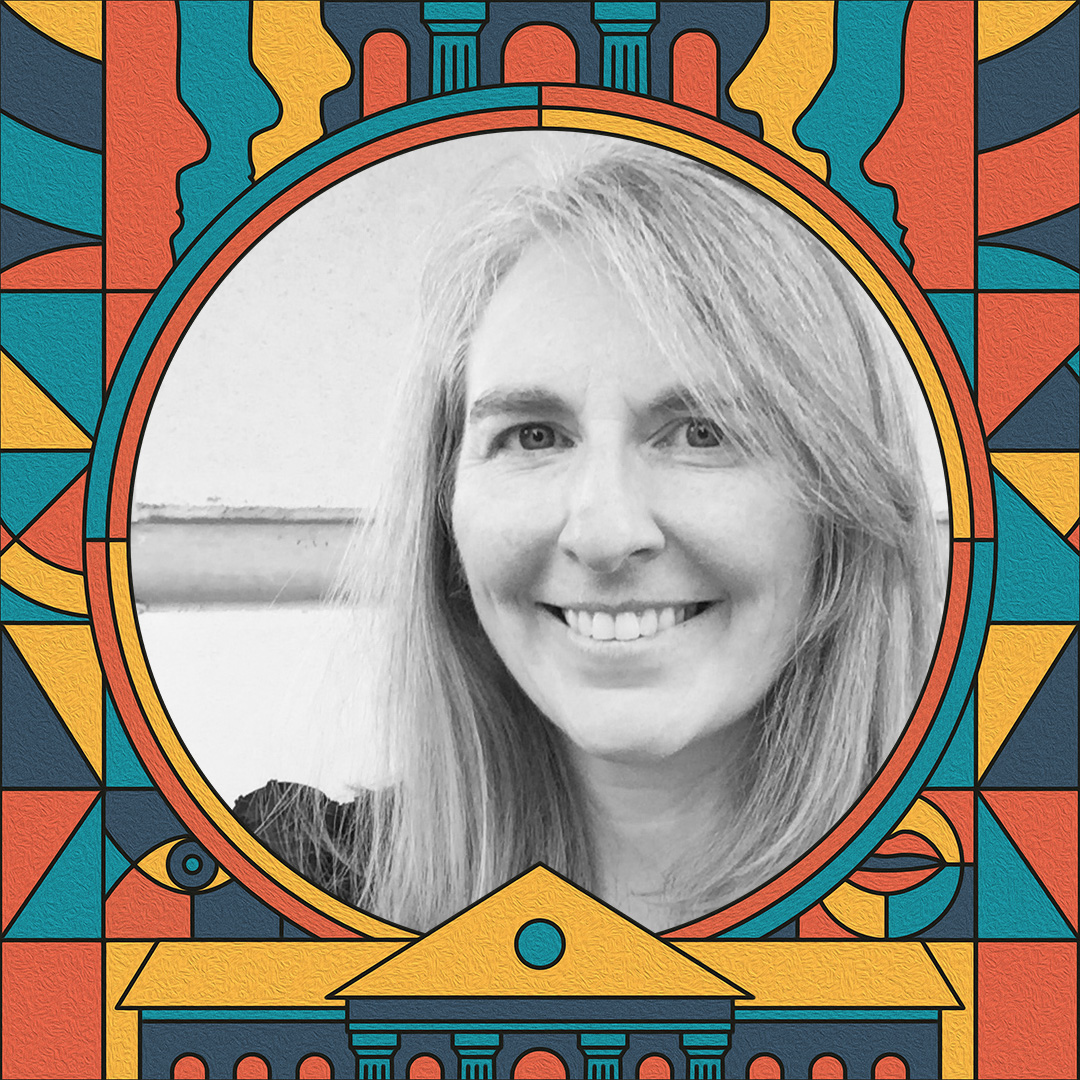
Abby: Welcome to Matters of Experience. This podcast is produced by Lorem Ipsum, an experience design company headquartered in New York City. Our show explores the creativity, innovation and psychology driving designed experiences. If you’re new, a big welcome and to our regular listeners, thank you for tuning in and supporting our conversation. My name is Abigail Honor.
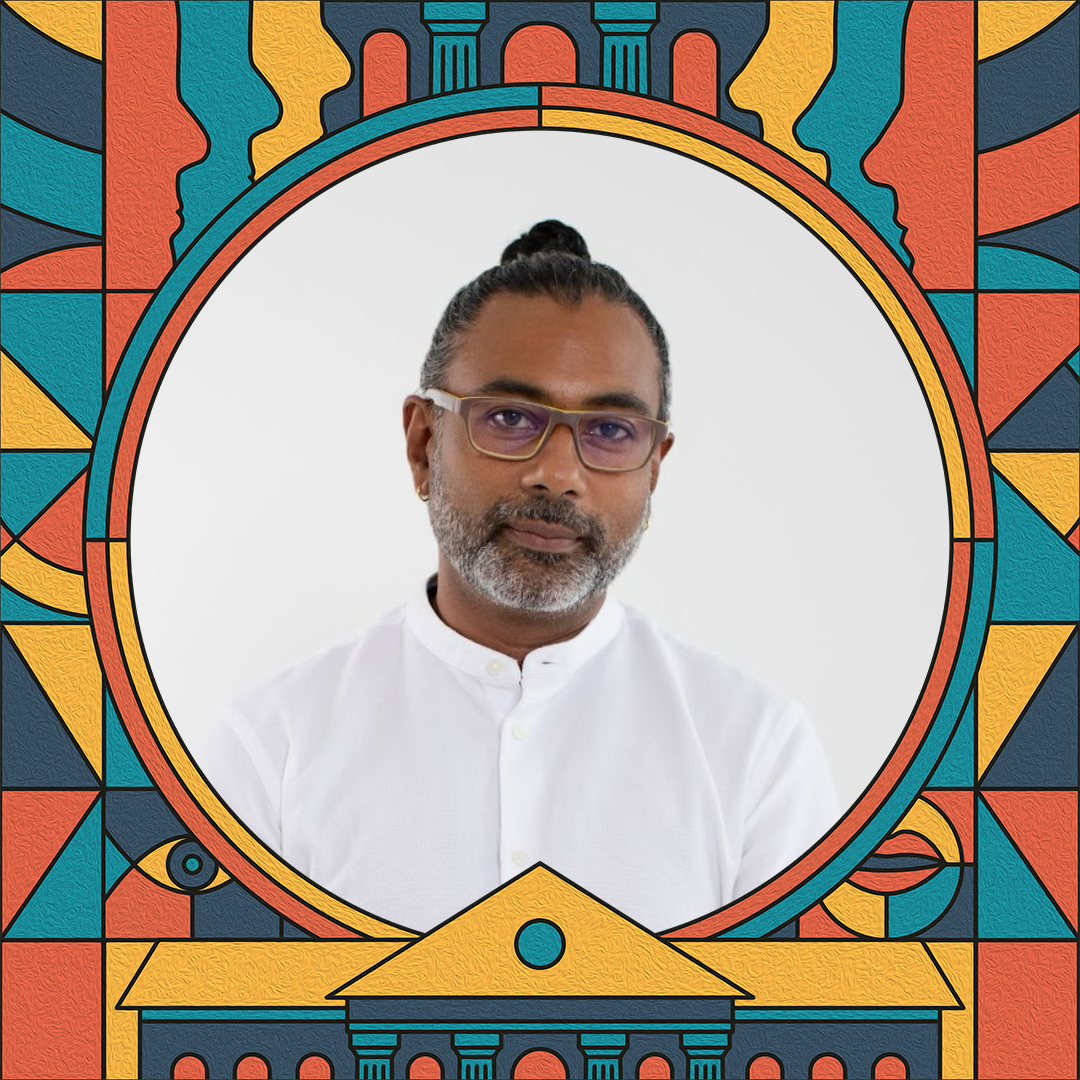
Brenda: Hello, this is Brenda Cowan.
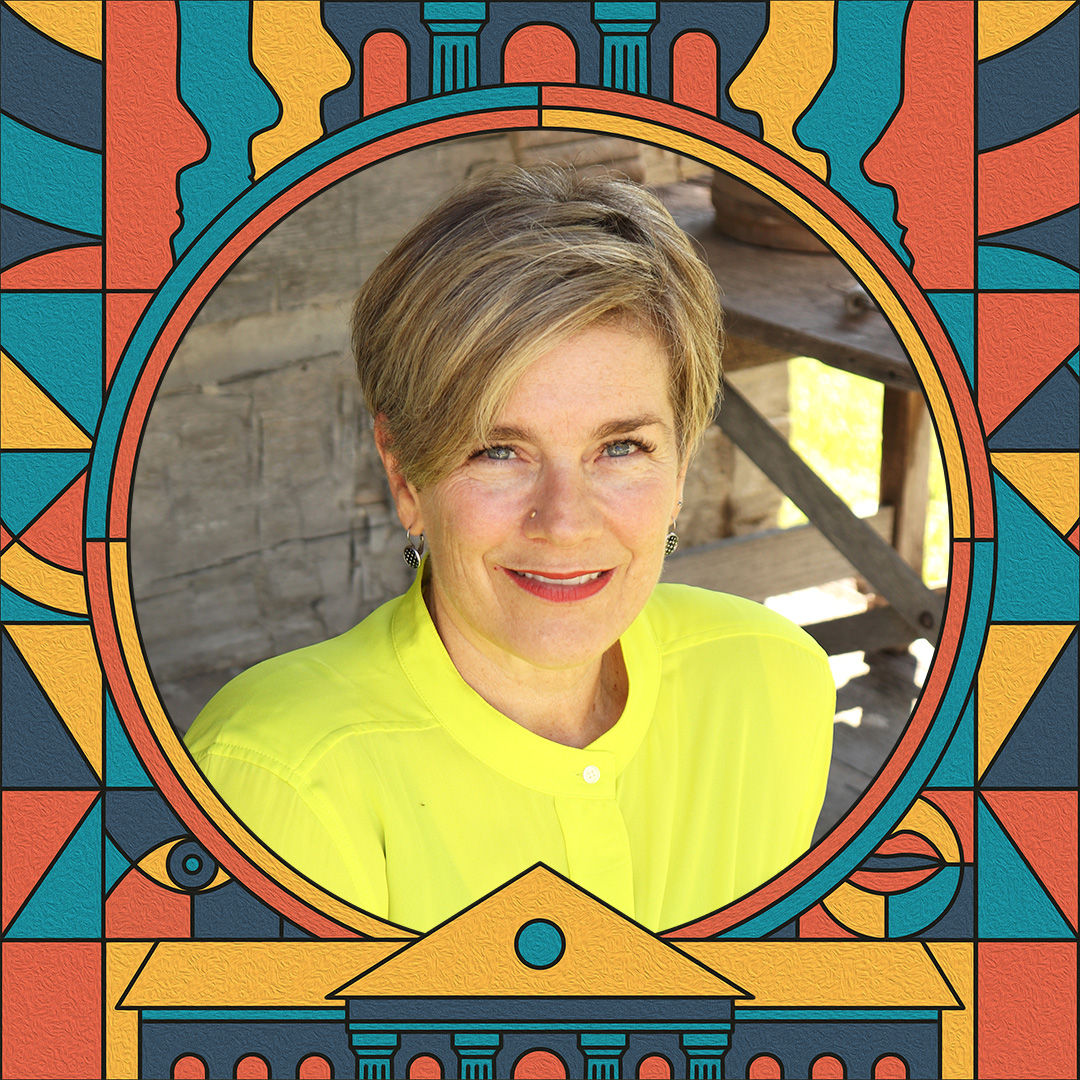
Abby: So today, Brenda, I feel it’s going to be a really interesting conversation because we’re discussing your new book, Flourishing in Museums: Towards a Positive Museology that you wrote with today’s guest, Dr. Kiersten F. Latham, who is the president and CEO of Sauder Village. And for our listeners who may not be familiar with Sauder Village, it’s a living history museum complex in Ohio. If you’re ever in the area, I really, really encourage you to go, stay there. It’s absolutely fantastic.
Prior to the Village, Kiersten had led Museums Studies programs at Michigan State University and Kent State University, founded the experimental space, MuseLab, and taught all aspects of Museum Studies from administration to collections management to user experience. Kiersten has conducted research on the meaning of museum objects, Brenda, your area of interest too, user perceptions of ‘the real thing’ and positive museology. Kiersten, welcome to the show.
Kiersten: Thank you. I’m so glad to be here.
Brenda: Kiersten, we are so happy to have you. Let’s sink right into the heart of what the book is about. The museum field is poised for change and growth right now as it has never been before. Societal unrest and reckonings, climate change, challenges to museum conventions, these have brought us to a moment in time when positive and empathetic movements in the workplace and community are opportune and they’re necessary.
So, let’s begin with flourishing. In the midst of all of these challenges that museums are facing and all of the actions and activities that museums are making, what does it actually mean to flourish and who should be flourishing?
Kiersten: You know, I have an image that comes to my mind whenever I think about the word flourishing. You know the timelapses of flowers where you see the seed in the ground and it goes very fast and takes you through the whole growth cycle and then suddenly it’s in this bloom, and it’s this most incredible, beautiful thing with all this color.
That’s the image I have when I think about flourish. In this context, in the book and beyond the book, really, I think it boils down to when you empower people to flourish, it means that people have what they need to be their best selves. That means that they’re able to thrive, that there’s vitality, that they blossom, that they grow.
And in the museum organization or related cultural organizations, we’re referring to not only our visitors, but the people who work in the museums. And my own take on flourishing comes from a whole person approach, which means you’re really considering each person in their entirety, not just their work selves, but their whole selves, their whole past experience, their learning styles, their emotions, their life at home.
I think that’s really what flourishing means to me. It does come from Martin Seligman and many people have probably heard about Martin Seligman. He’s kind of the father of positive psychology, but he basically says that flourishing is a state that we create. And I think that’s really important here, too.
Abby: First of all, wow, the imagery of the flower and then the lead on to the flourishing is like really positive, and I think positivity seems to underscore so much of the idea of flourishing. But what does positivity mean here? I understand there are many sort of different disciplines that engage with the idea of positivity, you know, can you give us a little bit more of a break down?
Kiersten: For me, positivity is ultimately a practice. It’s taking a positive or optimistic attitude. It’s a skill, it’s a tool and it is the kind of thing that, if you choose, can change your reality. There’s a meme that’s going around in positive circles, positive disciplinary circles in particular about the heliotropic effect. The heliotropic effect is if you imagine a field full of sunflowers, and the sunflower throughout the day points itself toward the sun, right? It’s looking for that positive thing. It’s looking for that sunshine, that thing that, that keeps it going.
There’s a great quote that I just really love that I think summarizes a lot of this, and it’s from Viktor Frankl. He was, among many things, a Holocaust survivor. And he said, we have the freedom to choose our own attitude. It’s a choice that you can make. It’s a choice that you can make now, positivity, and it’s a choice that you can grow all the time.
But the other thing that’s important to remember here also is that we’re not talking about toxic positivity. You know, a lot of people, they hear the word positivity, and I can see them bristle a little bit. And I know that this is, this is one of those things that we need to, that Brenda and I in particular, you know, with this book, with the word positive in front of it and saying, hey, everybody be positive that we are not saying to paste on smiley faces, this is absolutely not what we’re saying and this is not what the entire set of positive disciplines are saying.
You know, to give you an idea of what positivity is, Barbara Fredrickson, who wrote the book Positivity, did a lot of research on it. She’s one of many who have been really digging into this for the last couple of decades. She says there are many forms of positivity, but she names a few, and I feel like this will give you an example. She’s broken them down to joy, gratitude, serenity, interest, hope, pride, amusement, inspiration, awe, and my favorite, love.
Abby: Wow.
Kiersten: Yeah.
Brenda: In thinking about positivity and in thinking about all of this work in terms of principles or as we frame them out as intentions, we specifically work within a framework of specific emotions and behaviors, including gratitude, care, delight, courage, hope, and kindness. Can you talk with us a little bit about how it is, Kiersten, that museums work with these in practical ways?
Kiersten: Well, I want to start by saying it’s bird by bird. One bite at a time. But I think it starts with leadership because that sets the tone. As a leader, in order to create a culture that understands flourishing and enacts it, one needs to say it out loud.
Brenda: Kiersten, let me ask you, when you say “say it out loud,” are you speaking literally or figuratively?
Kiersten: Both.
Brenda: So as a leader of an institution, what would that have you saying out loud that might be deemed even controversial in some examples?
Kiersten: Yeah. So, I also wrote a chapter in the book on using love leadership in my organization. And, you know, that can get some funny looks. So, you have to define that. So, this is first of all, this is not, you know, like going out on dates, kind of love, not that sort of love, it’s agape love, which is kind of more of a practical sort of love, a care for people and a consistency.
But love leadership involves a lot of forgiveness, a lot of listening, a lot of communication, guidance. And for me, it meant saying to everyone from the start that I believe in leading with love. And then I started to realize, oh this is a pretty big organization. So, there’s about 350 people total with part time and full time mixed across this organization, and that’s new to me. That’s been something that’s been kind of a struggle because I want to communicate with everyone, and I want it one-on-one with everyone because I want to tell them all that I love them.
But what I did was I posted love letters, I call them love letters, at all the break rooms, and I tried to do it—I’m not very good with regularity, but I tried to do it monthly, where I put at these break room spots, just a monthly thing that just talked something about what was happening around the realm of leading with love. And it was just a short little thing. I always made it a little bit fun. I kind of used a lot of Canva templates that looked like Valentine’s Day.
That’s what it looked like in terms of saying it out loud. But I also did it in ways that weren’t using the love word necessarily, but made it very clear to, for instance, my core team. I have a core leadership team of eight people to talk about it in our pretty much every other week meetings. It means a lot of vulnerability, and so it was not only being vulnerable myself, but helping them understand the importance of them also being vulnerable. And so, it was just, it was in, I don’t want to call them small things, but it was in these kind of more subtle things that had to do with things like, you know, talking about emotions as leaders.
Abby: And in terms of flourishing for colleagues, let’s say, not for leadership, like is it, how do you talk about the docents and the people in the museum? Like what does this flourishing museum look like from a, from an employee perspective?
Kiersten: So, yes, the idea is that the leader creates conditions that allow for all of these people in their different kinds of jobs to flourish in positive ways. But I can give you some examples of that. It’s about, you know, having respect for each other, treating each other a certain way. We are a living history museum, but we have a whole suite of other, I don’t know, we can call them businesses, like a hotel and a restaurant and that sort of thing.
And, you know, they’ve in the past worked very much in silos. They’re physically apart. They kind of have had their own sort of budgets, their own staff. And I immediately wanted to break that down, break those silos down. And it’s taken a good year and a half to get to a point where, you know, I can say it over and over, but you really need to understand it from within and between themselves.
Me telling people isn’t going to do anything. People have to believe it and enact it. And so, for New Year’s as we, I believe everybody across this entire country, if not beyond that, have had staffing shortage issues. It’s, it’s just a, it’s just kind of a way of life right now. And we have particularly the inn, the hotel has had quite a difficult time with getting housekeepers.
So, what happened was, this is so beautiful, the hotel manager asked for help because they were short staffed. They had to do a quick turnaround on all the rooms because they were very busy. So, we reached out to the whole entire complex asking anybody and everybody from the bakery to the restaurant to the banquets, to the living history, to the farm.
I mean, everybody was asked, and I cannot believe how many people pitched in. It was absolutely, it just was a moment where I was like, oh, my gosh, this is, this is happening. People are caring for each other across the whole complex. They get it, that it’s not silos. They get it that we’re all in this together. So, I was one of those people, I did help, and that’s why I know how hard it is to change out a room. Oh, my gosh, I hurt really bad that night. I’ll just tell you that right now.
Abby: Well, another thing is leading by example, Kiersten, like you have to, you’ve got to walk the walk. You really do. And that takes time, that’s the only way. I was going to ask you how you manage to convince people to your way. And you know, the best way that I’ve seen is you can sit and tell people, but you just got to show them and do it. That really is the only way.
Kiersten: I think that’s the only way. But I actually see that, I don’t see that necessarily as leading by example, but learning for me. I mean, I have a much, much better sense now and I can be more empathetic to everybody who has these jobs. So, it was actually good for me.
Brenda: I want to play with some of this good feeling that we’re having here right now, because, Kiersten, when we were talking with the publisher of Flourishing in Museums, there was a little bit of pushback on the subject. Flourishing was misunderstood by many people, and it still is, I’m sure. There is this perception, and we were mentioning this a little bit earlier, that it’s about being happy all the time and feeling upbeat and not taking on difficult situations or subjects.
And as we know and as we’ve really, really worked very hard to point out in the book, the opposite is true. You can feel some very bad feelings and yet work towards flourishing with a positive strategy. You can take on rough subjects and challenges and do so in a positive manner. Kiersten, what do you say to folks who think that positivity is the same thing as feeling happy?
Kiersten: Well, I tell them it’s not the same thing, that’s for sure. One can be positive without being happy. And in fact, when you really start to dig into what an optimist is, I’m going to call them a practical optimist, one of the features of a practical optimist is that there, is that they can be cheerful but not be happy.
And that sounds like parsing things pretty finely, but if you start to think about it, positive can feel good, but not all positive things are good and not all negative things result in the bad. There’s a reason that we have negative reinforcement. The negative, why we have negative data that comes to us, because it is teaching us something. It’s telling us something. Don’t hold your hand in the fire. That’s bad.
Abby: Well, negativity is also critical thinking, right, Kiersten? Like, I’ll be in a meeting and we’re talking, and they’ll be like, why are you focusing on the negative? And I’m like, no, no, no, I’m problem solving. I want to see all those problems because that makes me feel comfortable. And then I can work on how we can positively address those issues.
Like these words positive and negative are bandied around. But you’re completely right. Sometimes we need the balance. You need to be able to see the, the good and the bad of the situation, and positivity is, I feel like you and Brenda are explaining it, is it’s about understanding that and looking forward and overcoming challenges with a positive way as opposed to just being, you know, happy as the ship’s going down. Yay, we’re all drowning!
Kiersten: Yeah, and I mean, remember what I said at the beginning? It’s about making a choice on perspective and you can take any situation, I mean, we’ve got situations in the book and we’ve got children in war, sexual assault, mental, emotional, spiritual health, repatriation, refugeeism are all topics that are discussed in this book, and the idea is to put on that, that lens, to understand it through that, to choose to see the future.
For example, there’s a fixed versus growth mindset. For example, a fixed mindset says, you know, that’s it, oh, bad thing happens, the end, we’re done, we’re all doomed. Let’s just all, you know, give it in. But a growth mindset, which is very much a part of positivity and flourishing, says, okay, this is this moment, this is this moment.
And it’s not always going to be like this. And we’re going to get past this and what are we going to do to get past it or how are we going to deal with it? And how are we going to, you know, not, it doesn’t always have to be like this, but how are we going to make an opportunity out of a problem? You know, sometimes a problem is a problem. You got to deal with it and you have to treat it as a problem. But quite often when you reframe, you can see the opportunities in problems.
Abby: Yeah, and Brenda, can you tell us something about a chapter in the book or, you know, as Kiersten just mentioned, some adversity, some of the stories about the museums or the subjects or the exhibitions that pop in your head?
Brenda: I think one of my oh, I don’t know if I could really pick a favorite exactly, but I’m so very fond of the chapter on the War Childhood Museum and the work of Jasminko Halilovic and how absolutely remarkable that institution was because they literally, everything about this subject was, if you will, negative. You know, the subject of the museum is about children in war.
There’s no sugarcoating this subject. And you could wonder how on earth could this have any relevancy to the idea of flourishing or positivity or, you know, positive anything? And the reality is, is that Jasminko did a brilliant job, not just in creating his institution, but in really sort of fortifying his staff, his visitors, and the people who participate with him in collecting and donating objects and looking at how it is that the very action of creating a museum and the very action of giving an object, and the very action of telling a story, and the very action of listening to a story enables you to flourish, it enables you to thrive, it enables you to grow, and it enables you to, in his work, work through the trauma, work through the tragedy, and come perhaps to a new place, a different place, transformation.
Abby: I do want to say one thing, which means the way that you just described the War Childhood Museum makes it, as an institution, give back so much to humanity because anybody who comes there or has to do with and involved with, but beyond the people involved, just the visitors, will take away something that will nurture them for the rest of their lives.
And so, it makes our museums, it makes me feel like our museums and institutions are still very vital places, places that can help people heal, understand where they’ve come from, understand each other. And I feel like they’re as relevant and important today as they ever have been.
Brenda: I would completely agree. And I think that, again, like Kiersten mentioned, so many of the subjects in the book and the author contributions deal with a lot of the very hard work that museums are doing right now, fortunately, and how difficult it is, if we are talking about repatriation of objects or and well, so on. I think that one of the things that is an important take away is, yes, museums can contribute to human beings becoming better human beings and flourishing is absolutely a part of that.
I like to think about flourishing and the museum world, though, as being very practical. And again, Kiersten, back to what when you were kickstarting this conversation and talking about how having an abundance mindset and thinking in terms of the positive, it really is practical mechanics in a certain regard and so any museum, even museums that aren’t dealing with very challenging topics, if you will, still need to work with an abundance mindset, still need to, and I’m using the word need here because I believe very fervently in this practice.
I’m thinking about another contributing author Anne Fullenkamp at the Pittsburgh Children’s Museum who wrote about kindness and who wrote about creating exhibitions on the subject of kindness for children. And what does that actually look like and how does that actually work? When she’s talking about the exhibitions work and the programing work that they’re doing at the Pittsburgh Children’s Museum, it’s very strategic and it’s very pragmatic, but it’s entirely dealing with feelings, emotions and interactions that can be a little bit amorphous. And again, kindness really is the subject of what she’s working with.
Abby: It sounds like, why do we need the book? The book sounds perfect, but it sounds like all the contributors’ museums have got it down. Have museums got it down? Who needs this book? Kiersten, starting with you.
Kiersten: No, but that is a really interesting question because when this journey started, it was an absolute no. But, and so that was probably, you know, the origin in my brain for all of this really started in 2017. So, I’m putting this in time so that you can understand this journey that went through COVID. In 2017 to 2019, no, this, let’s just say it was rejected outright—
Abby: Wow.
Kiersten: —in my first proposal of the book. But something and I think we all know, something happened during COVID, and we know that during the pandemic, people started to understand a lot more about the importance of emotions, importance of social contact, the importance of empathy. And now it’s okay. And I, and I feel like what’s really interesting is Brenda and I basically worked on this book over the span of that very strange time.
Brenda: Yeah, it was our COVID baby.
Kiersten: Yeah, it was. It was our COVID baby, but it was also, you know, the world wasn’t quite ready for it when we started. And now, look, the world feels like, I’m seeing publications and people talking about these things now, and they were not really talking about it in this way. So, it feels like we’ve like landed in this moment, in this trajectory of time where people really are going to get it now. And I think that’s exciting.
Brenda: I think that you’re right in that, you know, first of all, I think that anybody who works in museums is duty bound to do well and to be well and to think in these terms, because otherwise we’re not going to make it. Burnout is a reality in the museum world. Stress, anxiety, definitely realities in the museum world. And I think that if I were to, if I were to wager, because museums since COVID in particular, as you’re pointing out, have been taking on big issues and are working very, very hard, I think really across the board, are working very hard and very notably is maybe a better word, working very notably to be able to make change both in terms of how they staff, how they administer, how they function, how they operate, as well as what are we going to be exhibiting, what are we going to be interpreting, who are we inviting in, how are we welcoming people? Do people belong here?
These are all things that have been a problem with museums for a very long time that are now being addressed and the hard work of doing this, it’s a lot to ask of people who are working in museums and already working very, very hard to now work towards solving, in some cases, world problems. Right? Or looking to shift entire paradigms in ways of being, operating, and thinking. And I think that the timeliness of this work is because people need handholds so that they can do this rough work. They need a framework for being able to think in a way that is going to be rejuvenating, healthy, helpful and hopeful. And that’s what this book does.
Abby: Wow. It’s fantastic. I actually think this book should be read by more than people outside, people outside the museum industry, to be honest, I think it’s people who lead in any way, shape or form or who dream of leading, it sounds like there’s a lot of things in here that it will help guide, you know, be that playbook for people as they move forward and we all work together. I feel like it really has legs outside just the museum industry.
Kiersten: Yeah, you use the word playbook and I, I want to make sure that it’s understood, too, that really this isn’t, again, we talked about fix and growth. This is all about growth. This isn’t something that’s done. It’s not one and done. This is the start. I want everyone to build on, it doesn’t have to be me. It doesn’t have to be Brenda. You know, just how can you take this and run with it?
Abby: Well, Kiersten, it was such a pleasure to have you on the show today and discuss flourishing and that positivity can change your reality. Congratulations, Brenda and Kiersten with the book and I look forward to the next book.
Kiersten: Thank you.
Brenda: No pressure Kiersten, come on!
Kiersten: Yeah, that might be a little while.
Abby: Thank you for listening today. If you enjoyed the show, subscribe for more episodes of Matters of Experience wherever you listen to podcasts, make sure to leave a rating and a review and share with a friend. We’ll see you next time.
Brenda: Thanks everyone.
[Music]
Producer: Matters of Experience is produced by Lorem Ipsum Corp and recorded at Hangar Studios. Tune in next time for more fun discussions about experience design.