[Music]
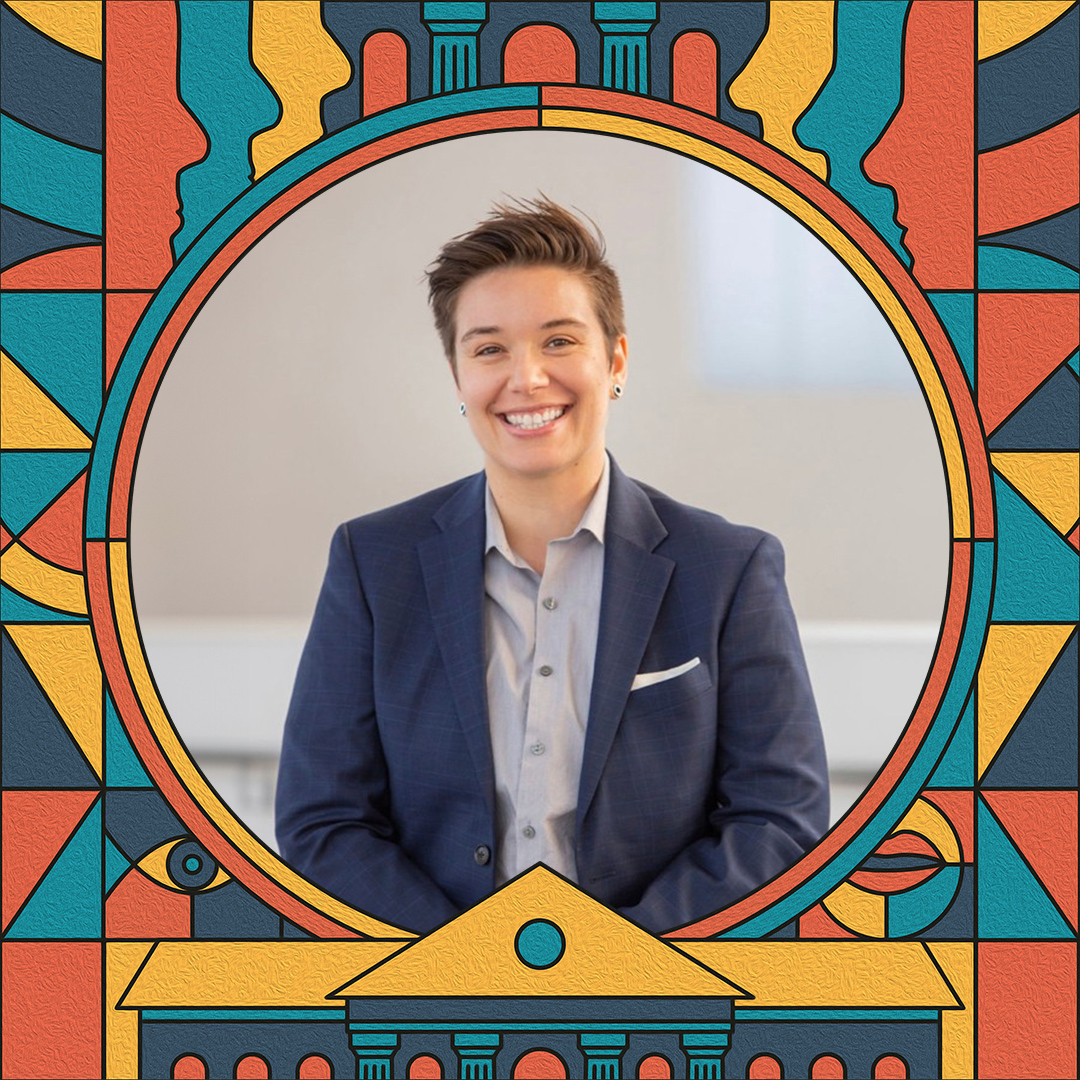
Abby: Welcome to Matters of Experience, produced by Lorem Ipsum, an experience design company headquartered in New York City. Our podcast explores the creativity, innovation and psychology driving immersive experiences. If you’re new, hello and welcome and to our regular listeners, thank you for tuning in and supporting our conversation. My name is Abigail Honor.
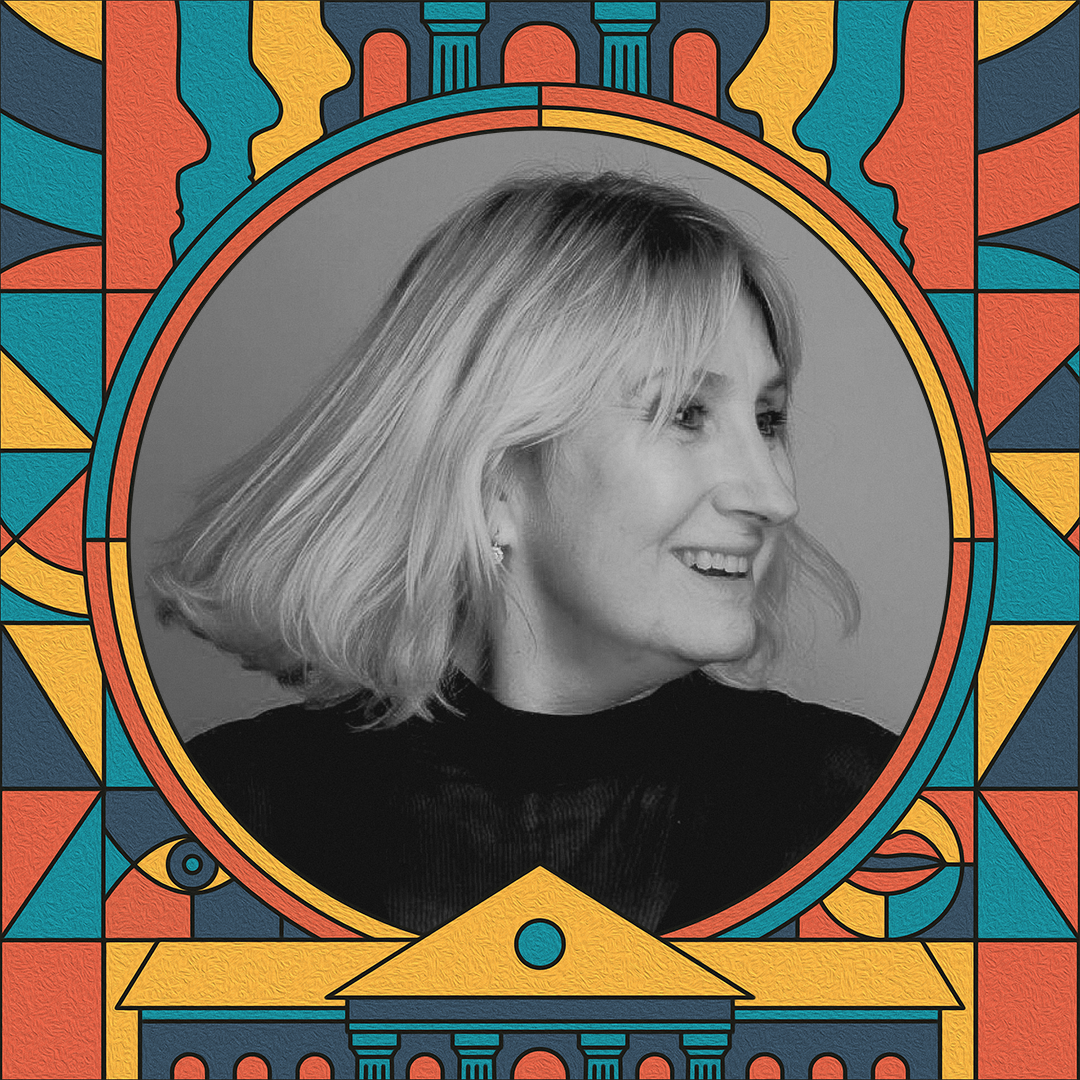
Brenda: Hello, everyone. This is Brenda Cowan.
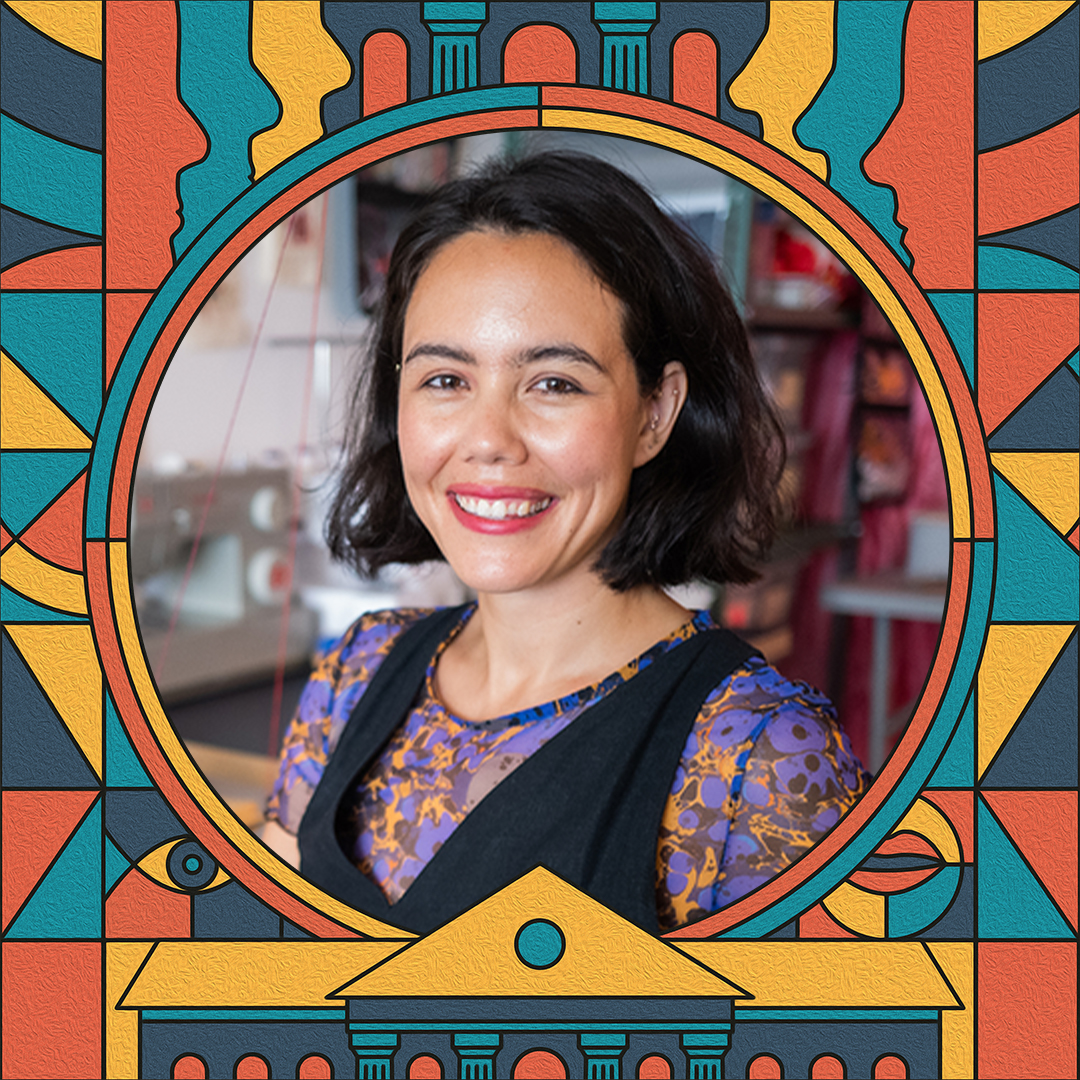
Abby: So today we’re chatting with someone who works at the intersection of technology, craft and textiles to create experiences that truly push the envelope in terms of the way we interact with them and the way they respond to us. And someone who, as you learn more from, opens up a whole world of possibility in your brain you never knew existed, speaking from experience after visiting her studio, which is why I am so happy to welcome Nicole Yi Messier to our show. Nicole. Hello.
Nicole: Hi! I’m so excited to be here.
Abby: Nicole, you’re an interdisciplinary artist and creative technologist with a focus on storytelling and community. You co-founded Craftwork Collective, teach at Parsons and exhibit your work globally. So, we really have a lot to cover on this show. I’d like to first focus on how you got into this combo of technology and art. Technology and textiles is not an obvious pairing. So, how did you come to this particular intersection?
Nicole: Yeah, so my background and my first degree was actually in aerospace mechanical engineering and then I went on and worked at a consulting firm, and I really did not like it. While I was working in the consulting firm, I was taking art classes at night and decided to go back to school, get my MFA in design and technology. And that’s where I took a class called Computational Craft, where we’re really exploring conductive fabrics, thermochromic inks and things of that nature, and just got excited about kind of the magic that these materials bring to engineering and interactive things.
Brenda: What is it, I have to ask, what is it about aerospace engineering that sort of hooked you in the first place? What was it that, you know, sparked you to try it out?
Nicole: I was good at math and science in high school, and so I feel like everyone was like, you should do engineering. But I also really like to make, so I think that was the biggest thing actually, for me in engineering school that was lacking was like the making, the hands-on part. A lot of it was theory.
Brenda: Well, speaking of making, you once described the loom as being the first computer. We would love to hear more about what you mean by that, and how you see the history of technology and making and craft.
Nicole: We think of textiles as kind of an ancient technology. It’s a very mechanical system. They’re like the first computer, the first, like, drafting patterns and things of that nature, and so when we think about technology at craft work, we’re really trying to marry the two. It’s not just about what is modern technology, but let’s go to the past, use craft, and bring it into the digital technologies that we’re using today.
Abby: So how does all this fit with storytelling? You know, I understand both textiles and technology have been used to tell stories, textile art is one of the oldest forms of art and been used to tell stories through like human and animal figures, landscapes or, for example, the Bayeux Tapestry in England, which were all taught about, you know, from the Norman Conquest of England in 1066. It’s this huge thing that wraps all the way around, around the room. It’s amazing.
Textiles have been used to express cultural narratives, political affiliation. I’m thinking about banners, or there’s the AIDS quilts, and there’s also been multiple textile reactions to 911. I’m not even going into all of the ideas of blindfolds, gags, masks, corsets, foot bindings which tell a more violent story. But for you, Nicole, how does bringing the textiles and technology together sort of enhance, widen, deepen, I guess, the storytelling possibilities?
Nicole: Part of our work at Craftwork is we’re always thinking about how to kind of reimagine how textiles have always told stories across time and space. And so, we’re making oftentimes modern precedents of things that have already been made.
So, for example, we have a project called Ancient Futures where you could walk up to this textile that is woven with fiber optics, and you could tell it a secret or a story, and it would reflect back in light. And the, like, inspiration for this is how textiles have always held secrets, for example, people used to, knit secrets or messages into mittens during World War II.
For us, textiles is really kind of like a soft medium. So much of technology or interactive things today happen on a screen, and textiles help us bring something that’s a bit warmer and softer into these spaces.
Brenda: Is it possible for you to even separate the two? So, specifically, is there something about technology and just technology in and of itself that really excites you right now and then is there something about textiles and only textiles that’s exciting you right now?
Nicole: For me, I’m very unexcited about modern technologies right now. I think we’re seeing a lot of things on repeat, a lot of the same ideas, and it seems quite cyclical. And then whenever I’m doing something that’s textile based, I’m excited about it because it’s hands on, it’s usually something new that I’m learning. And then marrying the two is super exciting because we’re often creating novel materials, so like blending materials that aren’t found within the same space and really having to think about how these two different worlds can live together.
Abby: Do you think it’s because, you mentioned hard or plastic or digital or technology and how sort of that feels very rough or hard and then when you think about textiles, they feel softer. Do you think as people, as human beings, we like a bit of softness in our life.
Because I know when I was in your studio, I wanted to touch things. You had a beautiful merino wool hanging that may end up as a rug, and it was just the type of thing that you, it was soft and padded and squishy, and it was so, so nice. I wanted to walk on it. And so, textiles provide this emotional connection that isn’t in technology. I don’t feel the same—I get excited about technology—but I don’t want to touch it and squish it and being, surrounded by it. So, is there something about human nature that you think craves softness?
Nicole: I think people love texture and they love to touch things. And so, I think also when we think about textiles, it reminds us of home sometimes. There’s like less of a barrier to get through, so just thinking like instead of having a touch screen, what if that screen was soft or had some type of texture to it, I think it would be easier for people to engage with it.
Brenda: This is reminding me of, there’s an artist in the UK named Ellen Sampson, and she’s done a lot of research with touch and with clothing, and she talks a lot about how in her thinking, the desire to touch and to feel items of clothing specifically, has to do with the idea that our DNA is threaded within it, and the memories of people held within clothing is much like the DNA that we impart within clothing. It’s really, it’s, it’s fascinating stuff.
What do you think about that? Do you think about people wearing textiles as you’re making them? Do you think about that kind of human interrelationship and the idea that somebody’s body is really mingling with the work that you create?
Nicole: Yeah, sometimes with e-textiles, a lot of times you think about wearables and what it means to have something that’s interactive and soft on your body. I think for me and for us at Craftwork, we’re more excited about thinking about textiles as like an actual building block. And I think for a lot of people, the first thing when you think about textiles, you think about clothes, but actually, like you look around the room right now, how much textiles are around us? There’s textile on this mic, there’s textiles on the wall, and then just like making textile at an industrial scale to really be immersive in environments and in spaces.
Abby: One of the things, actually, you mentioned Ancient Futures, and I was in there and I saw a prototype. One of the things that I loved about it is this idea of being able to share a story and have the digital side create a color that represents that emotion of the story. So, if it was a happy story, it would be one color, neutral story, another, and then something maybe negative, not that I’d ever tell a negative story.
Brenda: Never.
Abby: That would be a be a third color. Can you talk a little bit about the genesis of this idea and what you’re hoping to achieve?
Nicole: Yeah. Craft has been such a space for community historically. And so, for us, we constantly think about that with our interactive pieces. And so, where there’s an ambient feeling to the textile, where there’s a light that’s changing, and the idea is that that light will be constantly changing and evolving with all the messages that are shared with it and in particular space, and the idea is that we could capture the overall feeling and the mood of a community. And then as this piece travels from location to location, we could capture many different communities through their stories and reflect that through something that’s not exactly just text or audio, but through something that’s more about creating a feeling within a location.
Brenda: Amazing,and a feeling that is a shared feeling. A feeling that is sort of like of many instead of just one. That’s lovely.
Abby: Yeah. Isn’t that absolutely incredible?
Brenda: Yeah.
Nicole: I think also like sometimes it can feel like in big cities you might be disconnected, but that as you see the stories that are collected, there tends to be like moods throughout the day and that there’s actually a connection between people, even within spaces.
Brenda: Nicole, I’m wondering, are there other projects in addition to Ancient Futures that sort of combines spoken word with technology, with textile and emotions? And are there other works that you can sort of share with us right now?
Nicole: Less about the spoken word, but we, we have another project in the studio that we’re very excited about where we’re exploring RFID systems as a mode of interaction. RFID systems are pervasive. We use them every day to like, swipe into buildings, but the magic of them is actually they both have antennas on them, and one powers the other, and you don’t actually have to touch them. You can make them hover against each other, and there’s actually like electricity moving through them. And so, we’ve thought about how do we put this system on our body and have people interact either with spaces or with each other through like simple hovering gestures? It’ll be like a little bit playful, a little bit awkward, but exploring like different modes of intimate interactions. So we’re really excited about that, and we’re excited about it because it’s also using like a low fi tech that’s very accessible, very easy to come by.
Brenda: Amazing. Where do these ideas come from?
Abby: Are you solving a problem first? And you’re like, I’m sick of RFIDs, and the way they’re so like this. Or are you just like musing in the shower or like, like, oh, maybe and so, yeah, where’s your inspiration coming from?
Nicole: I think a lot of the inspiration is through making. So, for the RFID tag thing, I had to one time make an RFID experience. The ones that we’ve all seen at museums and my RFID tags were on backorder. And so I was just like Google how I make an RFID tag and there’s just like this whole world of people making fun, quirky things with RFID tags. You can take copper tape, make an antenna, put a light bulb on it, and you don’t even need a battery to power it, you Just hover that over an RFID reader and it lights something up. And it’s those moments that feel, they feel magical.
Abby: I was going to say, do you know what makes it hard, though, when you think about pitching what you do to a client, must be difficult. What are some of the issues or some of the hurdles when you’re trying to explain to clients what you do and the different materiality, like, how are you solving this issue and what are some of the misconceptions people might have?
Nicole: I think some of the misconceptions are, technology and textiles, you do wearables. And we do do wearables. We can do wearables, but we do so much more than that. And then in terms of pitching, it’s really hard to capture textiles via photo, and then it’s really hard to capture textiles that are doing things computationally.
So, the best thing that we have found is to bring people to our space and then sometimes—we have a big materials library that we’ve organized, and we use that as a big tool when we’re talking to people. And if we go to someone oftentimes, we’ll bring like 1 or 2 of those cases that are full of swatches just to show the materiality, allow people to touch things and experience what a computational textile could be.
Brenda: Let’s talk about process. First, though, I want to ask you a question regarding as you are shaping a work and going through the process and you’re thinking about the story, do you like incorporate the audience or the end user at any point throughout the process, or is it something where you know you’ll work up to a certain point and then you’ll bring in that end user or the visitor or whatever the case might be. What does that process look like?
Nicole: Much of our making process is prototyping. A lot of the pieces we have out in the world, we call them prototypes. And so, we are constantly having an iterative process where we’re allowing the space, the pieces to live within a space and people to interact with it. And then going back to the drawing board and seeing how what we can change to make it a better experience. Better experience, meaning a lot of things. Maybe it’s sometimes messaging, sometimes it’s the interaction, sometimes it’s the design of it, like how it looks and feels.
Abby: Oh, that’s so interesting.
Brenda: We would love to know what your thoughts are regarding AI and what kind of technologies you might be using.
Nicole: We have been exploring AI. We’ve had a few projects where we’re thinking about AI as a collaborator. And also, have just explored how AI makes textiles, and it can’t. It’s so bad. You ask it to make a knitted structure and it cannot. And we’ve also tried to use it, like the great thing about it is it could be a rendering tool, right, for RFIPs and pitches—it is a bad rendering tool for textiles. It’s so bad we went all the way the other way and we’re having a storyboard artist help us make pencil renderings.
Brenda: There we go. This is where I get to interject some kind of romantic comment about the human hand.
What are you really passionate about right now, if you could pick one thing?
Nicole: I feel like Craftwork is, our studio is, my passion project right now. There’s not a lot of people really doing experiential design where they’re putting material research at the core of the things they do, and I think that in order to make more interesting, interactive pieces, we really need to have material research, material exploration, be a part of the design process, and for us, that is what excites us.
Abby: So, what’s the best way to work with you? Because you must be brought on sometimes at the very beginning, but sometimes probably towards the middle or even the fabrication stage, where they’re like, oh, how are we going to make this. Can you sort of talk to us about your process and then how you work in the larger project process?
Nicole: Much of our process follows, a similar path to a larger project in that we have an idea or concept and then we do design development. But I would say our design development is less based in like rendering and mockup worlds and actually prototyping and making it. I feel like a lot of the studios in experiential design were doing so much prototyping and then the like older I’ve gotten, the studios have moved away from it, and I think in order to make interesting work and really explore the possibilities of certain interactions and materials, you have to make things to figure it out. So, that’s a big part of our process. And then in terms of communicating that to a client, it’s like trying to find ways to document that constantly and capture that, and making that our 2D deliverable.
Abby: Yeah. That must be your biggest challenge in a way.
Brenda: Do you try to push to be a part of the earlier stages of the process?
Nicole: Yeah, ideally we’re part of concepting, so we can really flesh out the ideas together and build, build a creative trust because that’s, that’s a big hurdle. And we talked about this a bit. I think a lot of people are very excited about the new ideas, but then they want an example of it. It’s kind of like, well, we’re doing a new thing, so we don’t have an example and you kind of have to trust and it’s hard to build that trust. Yeah.
Brenda: It’s one of the things that we work with our students to try to really sort of teach them and enable them to be prepared for the, you know, inevitable question from a client, which is, day one, you’ve just met everybody: what’s it going to look like? And to fight against that, in, you know, a kind way, but to basically, for as long as humanly possible, not know what it is going to be, and it’s a tough, it’s a tough trick to teach a designer actually to, you know, not get visual for as long as possible and instead to really think about the story and the human factors and, you know, in the audience and so on and so forth, and it’s frustrating for, I know for a lot of the designers that I work with, it’s really frustrating to not know what it is.
What’s that process like for you? Do you get frustrated? You seem like you’re having too much fun to be a frustrated person.
Nicole: Do I get frustrated working with materials that don’t live within the same spaces? It’s so frustrating. But, as someone who’s done coding and hardware engineering, I feel like the biggest thing, and doing creative technology, so doing things that people don’t, haven’t done before is I have like a high amount of patience when things are broken. and I have this like, I can’t let it stay broken. So, I just keep going at it.
Brenda: It sounds like broken to you is an opportunity.
Nicole: Yes.
Abby: So, I would like, I’d like to ask you a question. What would you tell ten-year-old Nicole, if you could talk to her now, and here she is, ten-year-old Nicole, what would you say?
Nicole: I don’t know, I say this to my husband a lot, I say we’re living the dream, because New York can be hard and being a creative in New York can be hard. And I’m like you always have to remind yourself that, you know, in—to ten-year-old Nicole, in 25 years you’ll be living a dream.
Brenda: What’s coming up next? Can you talk about what, what we can expect from you in the near future?
Nicole: Yes. Craftwork is part of NEW INC. NEW INC is the design incubator at the New Museum. They work with artists, they work with studios, they work with a wide range of creative practitioners in helping them make their work more sustainably. So they’ll have a big festival called Demo Festival in June, and there will be a big, group exhibition, talks, presentations, and that is a big, kind of thing we’re looking forward to where we will have a large scale version of Ancient Futures that is up, down in Financial District.
Abby: Oh, fantastic.
Nicole: Yeah.
Brenda: That’s excellent.
Abby: Doesn’t that sound amazing, outside, see how it weathers the, because that was my other question was like textiles. I think we chatted textiles, water, like, are you dealing with waterproofing? Have you worked in water before, when you’re thinking about different elements?
Nicole: Yeah, we’ve dealt with waterproofing. And I think also when people think about textile, they think about it as a fragile thing, and actually there are industrial scale textiles. So thinking about whether it goes inside or outside, there really, there’s lots of possibilities there, and there’s lots of ways to treat textiles so that that might be stiffer in some parts, looser in others, so it has that flexibility, but that there’s, there’s different scales of what a textile can be.
I think the biggest thing is just, thinking about textiles as a building block is is a big thing for us. And I think it would be great if designers and everyone thought about that more. We would have such a richer, richer architecture, richer spatial design if we folded textiles in in a way that we fold technology or hard materials into things.
Abby: And for me, it kind of feels like one of those, why aren’t we doing it already? You know, like, yeah, of course, it should be part of our training, the training of students.
Brenda: Is it expensive? If I were looking to create some fabric architecture for space and stuff, does that like, are the budgeting conversations on a really crazy level or how accessible financially is this kind of technology?
Nicole: I think there are different scales, right? We were just talking about, this was for an exhibition, they’re going to put up drywall. We were like, we could put up fabric scrims instead, and the difference is, not crazy different.
Brenda: Right, negligible.
Nicole: Yeah.
Brenda: That’s really good to know and that, because that’s like the first question that I know always comes in. And it sounds like, you know, it might be really expensive, but it’s really nice to know that it’s scalable.
Abby: And long lasting, right? There’s a misconception that material will just wither away and disappear. But it lasts just as long in some cases, right?
Nicole: Yeah. And also, if you think about the amount of, like, money that goes into technology, if we could just think of textiles as technology, the amount of money to build something that’s textile and interactive would not be more expensive than something that’s hardened technology.
Abby: Just the plastics industry will be weeping.
Nicole: Yeah.
Abby: Which wouldn’t be a bad thing right. Exactly. Nicole thank you so much for opening up this window on textiles and technology and sharing your vision and experiences with us today. I hope everybody enjoyed listening. It was absolutely incredible.
Brenda: Amazing.
Abby: And thanks to everyone who tuned in. If you like what you heard, subscribe for more episodes of Matters of Experience, wherever you listen to podcasts. Make sure to leave a rating and a review and share with a friend. See you next time!
Brenda: Thank you everyone. Thank you, Nicole.
Nicole: Thank you.
[Music]
Producer: Matters of Experience is produced by Lorem Ipsum Corp and recorded at Hangar Studios. Tune in next time for more fun discussions about experience design.