[Music]
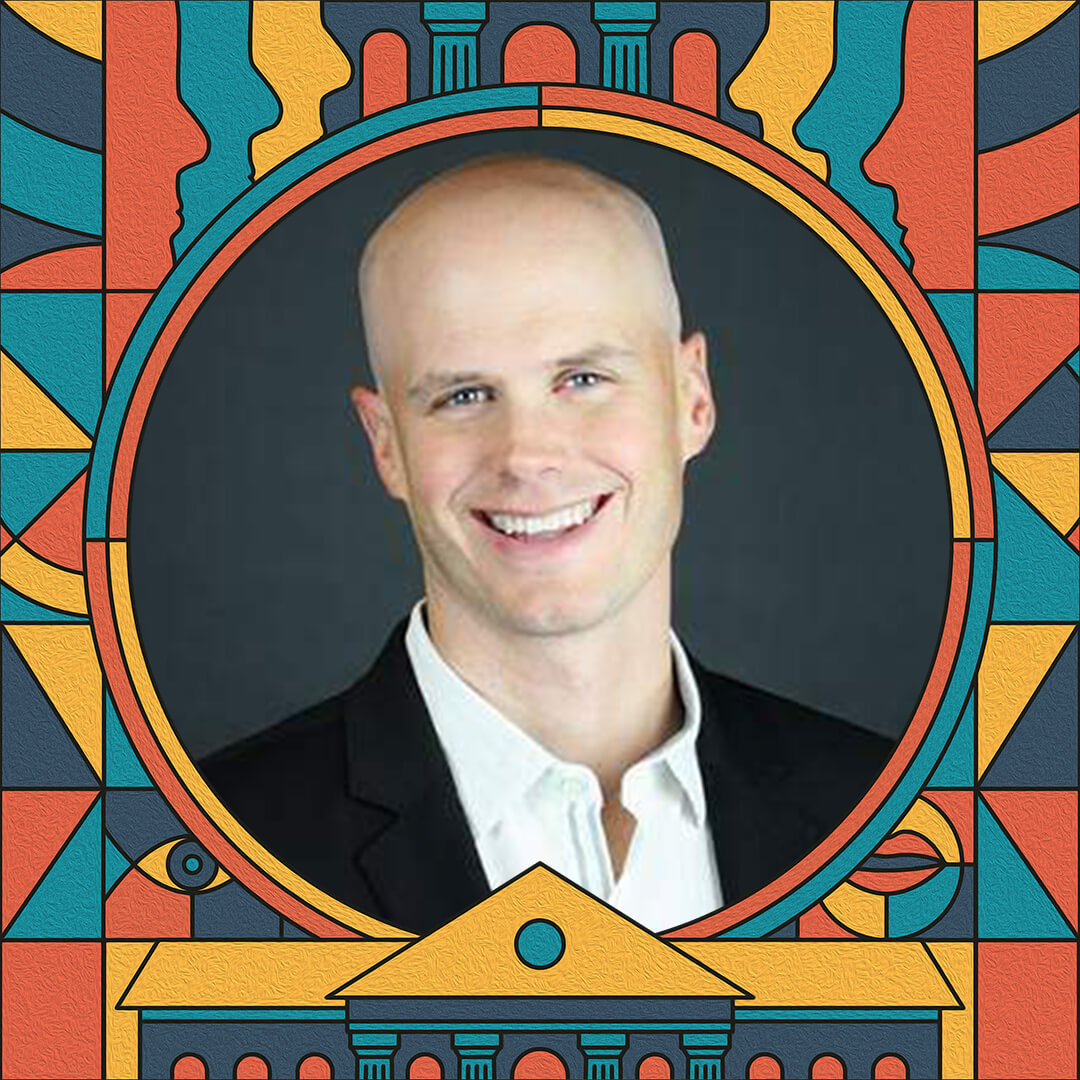
Abby: Welcome to Matters of Experience, a podcast that explores the creativity, innovation, and psychology driving designed experiences and encounters. If you’re new here, welcome, and a big hello to our regular listeners. As you know, my name is Abigail Honor.
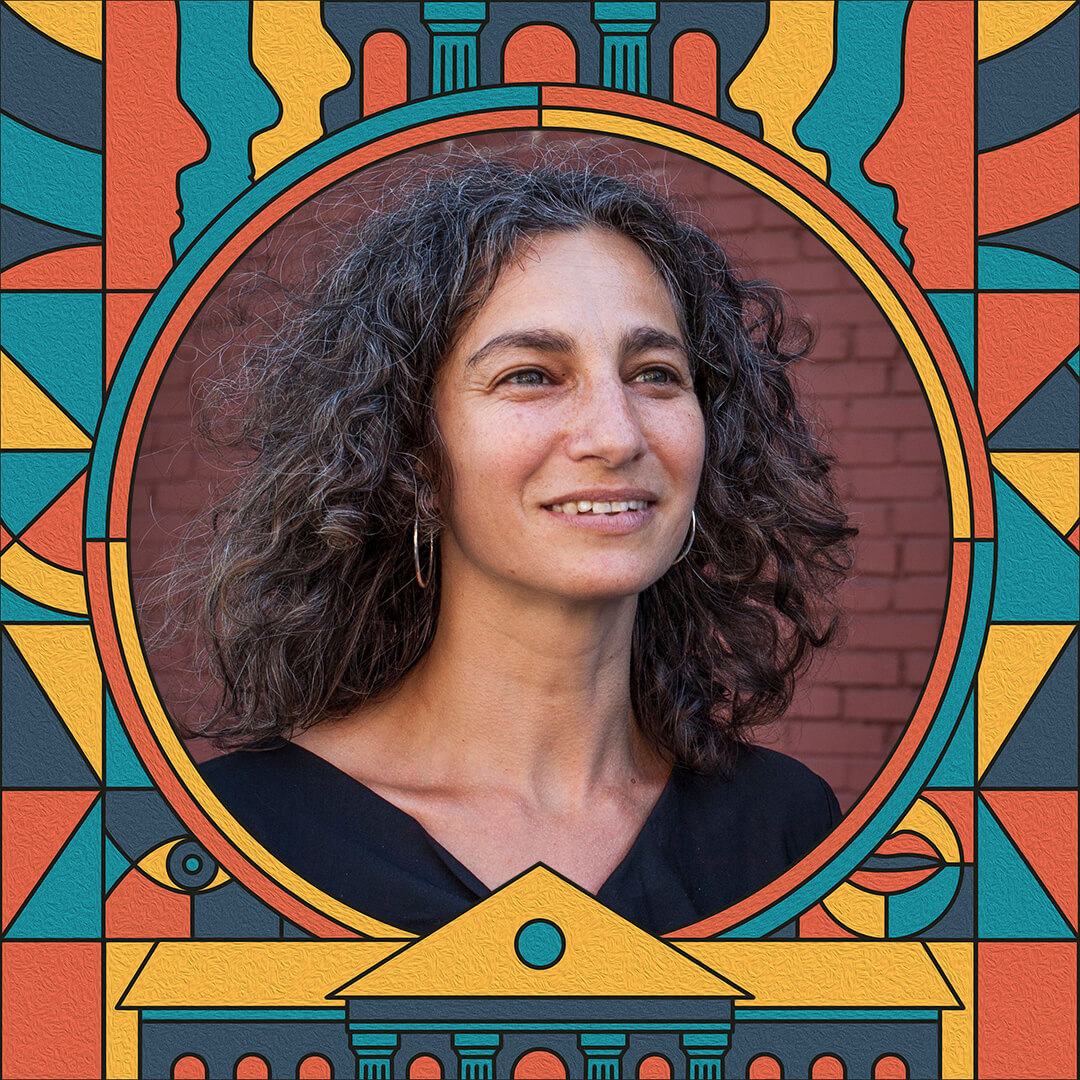
Brenda: Hello, everybody. This is Brenda Cowan.
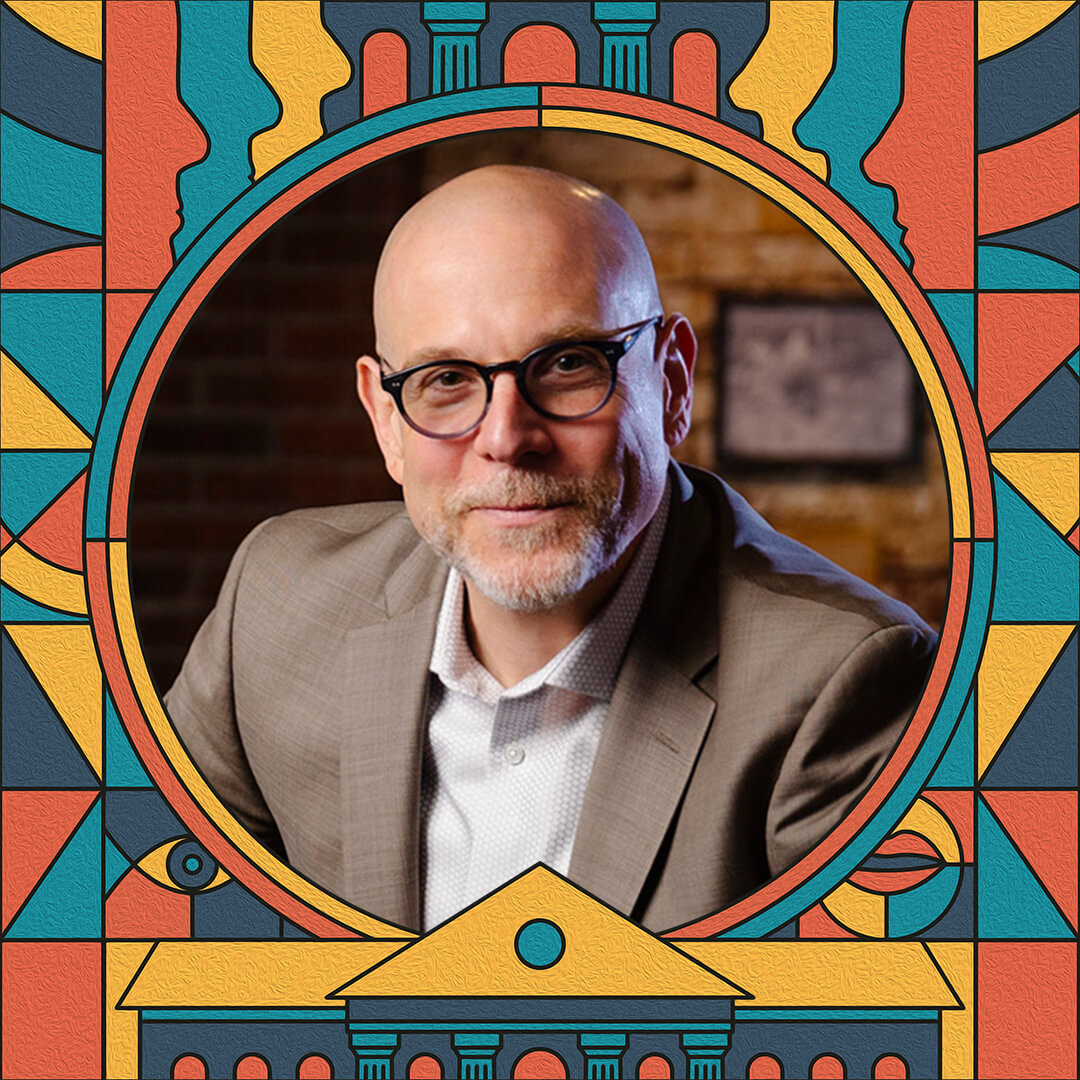
Abby: Today, we’re speaking with Jonathan Ullman, President and CEO of the Mob Museum: The National Museum of Organized Crime and Law Enforcement, located in downtown Las Vegas with the mission of advancing the public understanding of organized crime’s history and impact on society. Jonathan is responsible for leading the organization that’s been ranked number 20 on Tripadvisor’s list of top museums in the United States.
I think that’s kind of phenomenal. Jonathan’s museum career began at Liberty Science Center, New Jersey’s most visited museum, where he was intimately involved in the strategic planning and operation of the facility following a 109 million capital expansion. Prior to joining the Mob Museum, Jonathan was the president and COO at the National Soccer Hall of Fame, where he led the dramatic transformation of the organization’s operating model.
Jonathan has earned a huge list of accolades to his name, and it’s truly my pleasure to welcome him to the show. Jonathan, hello.
Jonathan: Hello. Thank you so much for having me.
Abby: So the first time I went to the museum was with the wonderful Cybelle Jones, SEGD’s CEO, and she was on the Gallagher team that worked on creating the Mob Museum, as she reiterated many, many times, working very, very closely with you, Jonathan. So can you talk about that time, the museum concept and design, and sort of the overall mission in those first early stages and how you collaborated with the experience design team to really create this truly wonderful institution?
Jonathan: Sure, they actually were involved with the Mob Museum twice; the initial opening in 2012, then in 2017, we embarked on what we referred to as the Museum Improvement Project, which was a renovation of the first floor. And then we also took the basement of our historic building.
You’ve been through the building, so, you know, it’s a former U.S. post office and federal courthouse, and it’s on the National Register of Historic Places. It’s this amazing 1933, just beautiful federal building and being historic, nationally significant, not just locally, but nationally significant because of events that took place in the courtroom. We had to be very careful about how the exhibits were developed and to not do anything that would alter the historic integrity of the building.
I think Gallagher did an amazing job of helping us create these really kind of just very immersive and kind of amazingly themed spaces, but doing it in a way that respected the historic integrity of the building.
Brenda: So you’re number 20 right now, which is pretty incredible. And my question, Jonathan, has to do with before you even opened. Did you have anxieties? Did you have doubts? Did you think there’s no way this is going to really happen and we’d love to hear what the thoughts were that were going through your head.
Jonathan: We don’t have enough time in the show to talk about my anxiety and doubts.
Brenda: Number one, number two.
Jonathan: But, I will say, look, you know, this project was an amazing opportunity. I mean, I think for someone like myself, having been in the museum industry, to know that you had, first of all, the support of the city of Las Vegas, you know, that was investing, you know, had the vision to, and the support at the highest levels. I mean, this is, you know, we still regard the then mayor, Oscar Goodman, as our chief visionary of the museum. And knowing that the organizations that were contracted to do the renovation were really world-class firms. So, there was no question in my mind that the quality of the experience, that this was going to be something unique and special, and amazing.
At the same time, Las Vegas marketplace is really tough and tough in a number of regards. I think one is if you take the list of metropolitan areas that are known for cultural experiences and museums, you’ll see, you know, right at the tippy top of the list, you know, Washington, D.C. Everybody knows, you know, some of the most amazing landmarks and museums are in Washington, D.C. People visit D.C. to go to those types of institutions.
Not quite the same thing in Las Vegas. You know, the first thing that comes to mind about going to Las Vegas isn’t like, you know, I’ve heard they have amazing museums.
Brenda:
Let’s have a cultural moment in Las Vegas.
Jonathan: You know, on the one hand, the visitor volume in this marketplace is extraordinary. I mean, there’s, you know, 40-plus million people come to Las Vegas every year. You know, the vast majority of people that you’re going to be attracting are people that are not from here, which, again, you know, cuts both ways. I mean, there’s this enormous base of people, but they also don’t necessarily have a lot of awareness or familiarity with what’s here, and there’s a lot of noise you have to cut through.
So, we felt really good about what we had created and knew that this was something that was really unique in terms of not just, you know, both the subject matter as well as the way in which we were delivering the subject matter, felt very confident in the quality of what we created. But that’s also just, I don’t know if it’s half the battle or just part of the battle, you know, you still have to make people aware of it and make certain that you’re operating at a really high level. So there certainly was a great deal of anxiety when we opened of whether or not would we be able to have that type of penetration and that success.
And, you know, there was this great surge of interest when we first opened. You know, the first six weeks, there’s a lot of attention, and there’s a lot of people that have been waiting to see it and, you know, come out, and then you start to go into this period where you have to, it’s not quite pound the pavement so much, but you have to encourage people to come create some urgency for people to come and you don’t start off knowing necessarily what the seasonality is going to be for your visitation.
February and March are great months. Things start to head down again in the summertime until you get to October, which is an amazing month in Las Vegas. The weather’s so, you know, fantastic. Lots of tourists come out, and things kind of come back up again. But the first time around, you don’t necessarily know if we’re, you know, hey, what’s going on here? Is this the natural kind of ebbs and flows of things, or is this all it’s going to be?
Abby: Can you talk a little bit about these sort of parallel stories? Tell the audience about those stories and how you struggled with which way to weight them, and also education versus entertainment at the same time.
Jonathan: Yeah. So, first of all, our mission is to advance the public understanding of organized crime’s history and impact on American society. Pretty broad. And when you go through the museum, you will see it becomes abundantly clear that this is very much a law enforcement museum. You know, we take visitors on this journey, starts at the turn of the 20th century, and you see how organized crime takes root in America. And you see the different factors. You know, it’s very much an immigration story. It’s a story about social mobility or the lack thereof and the things that allow, or at times even encourage crime to take root, but also at the same time, you know, it’s all of the tools and techniques and innovations of law enforcement and the criminal justice system and how they’re combating crime.
But, you know, there is this certain amount of romanticism that some people have for these stories of these mobsters. They’re familiar with movies like The Godfather, and they, you know, and they like to sometimes have fun with this kind of playacting, that sort of thing. And a certain amount of that is perfectly okay, right, but at the end of the day, we are a serious educational institution, and we also need to make clear to people that criminal behavior is not okay and that a lot of these mobsters that are at times, you know, that there’s this aura of glamour around their, you know, organizations, were doing really, really bad things, and the, actually, the heroes that we should be celebrating are on the law enforcement side.
So, you’re constantly trying to do this balance. You know, I think for us, it’s making certain that we don’t compromise the integrity of what we’re conveying, you know, the underlying educational messages and the historical facts and the importance of understanding how all of this fits into how our country has evolved.
Brenda: You’re making me think about an earlier podcast, and Abby was mentioning exhibitions at the Mob Museum that use empathy to challenge perceptions. Can you talk a little bit about how it is that you use empathy to encourage sort of enabling folks to think more multidimensional about your subjects?
Jonathan: Yeah, if we’re doing what we should be doing, we are helping to kind of transport people to other times and places and be able to see historical events or understand issues through the lens of people that live those experiences. Right, I mean, that’s what separates the type of environment that, you know, that a museum can create.
So how do you create that kind of emotional connection and help people feel it? Some of that is just about creating the right environment. So, when you’re temporally transported back to a particular point in time. So, whether it’s going through the lineup experience or walking into a space that’s about very, very early Las Vegas or the vintage Vegas time period, and you have the bright lights, and you have the sounds of, you know, what some of us can remember when slot machines actually had coins in them, and they would clink, you know.
Brenda: They don’t have coins anymore? I had no idea. Okay.
Abby: Ruined, you’re never going.
Brenda: I’m learning. I’m learning every day.
Jonathan: But you try to create those multi-sensory experiences. We have these great interactives where you can listen to wiretaps, real wiretaps that were used to prosecute different criminals like a John Gotti, or you can see some of the undercover agents’ tools and try to imagine what it must be like to strap on one of these cassette players.
So, I think one of the experiences that Abby and I talked about a great deal on her visit when we renovated the first floor, we added a couple of new, more experiential spaces that are about policing. So there’s this interactive crime lab where you can go into this area and actually try ballistics testing and match striations of bullets as, you know, as you might see on, you know, a CSI-type program.
There’s also this whole area that we’ve dedicated to use of force. And I think people recognize certainly it’s, you know, it’s one of the hotbed issues of the day, and I think often with these types of conversations when you’re trying to understand these things, you know, we can talk about them in a very kind of intellectual and almost detached sorts of ways, and we convey a lot of the information in that way, also I mean, we do talk about, you know, what does the law say is appropriate or excessive force. But what we’ve created for our visitors is a way to kind of step in the shoes of a law enforcement officer by replicating the training that officers will often use. And we worked very closely with the Las Vegas Metropolitan Police Department to develop this, and I think they’ve, you know, they are, you know, absolutely the standard bearers right now in terms of kind of training and a lot of the best practices with regard to use of force.
But you go through this simulator, you get paired up with one of our staff members who’s a training officer. You get a duty belt that has, you know, so it kind of replicates the heft and the weight of a real duty belt. You get a simulated firearm that has a, you know, it’s got a CO2 cartridge, so it’s got a little kick to it, and it’s got a laser sight on it. You get briefed by a real member of, senior member of the Las Vegas Metropolitan Police Department, you know, in a video underscoring that this is, you know, this is not intended to be an experience like a video game. This is designed to replicate training.
So, you then go into a couple of rooms where you first encounter these digital scenarios. So you see a video up on a screen that you are, you, as a police officer, are responding to a call, and it might be at a convenience store, it might be some other location. And you have to see what’s going on in this video, and you respond with these, you know, very basic shoot or don’t shoot situations.
What really kind of cuts to the heart of this, though, is that when you get to the last room, we actually have a live-action role-play. So you go into this small space where an officer, you know, our staff member, now explains to you the call that you’re responding to. So maybe you are responding to a call of a suspicious person in a parking lot, and you have to respond to this call, and then you go through the door and you enter this room.
Ultimately, the goal you’re trying to accomplish is to resolve this situation without using force. And I think ultimately, you know, what we’re hoping to achieve with this is for people to recognize how complicated these situations are. And, how important it is for, you know, the 17,000 plus law enforcement agencies across the country that, you know, training is so critical and being able to do, you know, have training that is robust because these situations that you can be in are so complicated.
People generally do not characterize this experience as fun, but it is consistently one of the highest-ranked areas of the museum for our visitors. You know, there’s such an emotional component to it, and you are kind of transport added in this, you know, into this situation that has such kind of tension and kind of, you know, it brings you to another place that it’s it is really an extraordinary experience.
Abby: So, in this immersive experience, you’re putting the visitor literally in the shoes of the police officer, and you’re creating this really empathetic, immersive experience. This is an amazing storytelling device. It’s a way of getting people to challenge their preconceived ideas, and I think it’s really difficult to do, to come up with exhibits or moments in a museum that do this. And you found one which really, really is powerful. So, you know, if you were working in another museum completely, what would you recommend other directors or the designers of museums think about when they’re thinking about what experiences they should create?
Jonathan: Yeah, I think that’s for me, I think that’s the ultimate question. And there’s certain types of experiences, you know, I think this is, you know, this particular kind of experience that we’ve been talking about is, you know, is really provocative. But it also lends itself, I mean, there’s kind of a very clear way to how you can kind of create that type of experience.
Other types of, for lack of a better way of putting it, learning objectives are maybe more difficult. It kind of starts from a place of what are we trying to convey? Like what are we hoping to achieve with the guests, right? Like, what are we, you know, what do we want them to be understanding, and then how do we make it as multidimensional and rich as an experience as possible? Like all the things that touch people in terms of how they feel when they encounter a space, like how do you create that for whatever it is that you’re trying to convey?
I mean, I think that’s for us, as we, as we look ahead to how do we how are we going to grow and create new exhibit spaces and experience spaces like this, how do you accomplish that kind of visceral, emotional connection that is transporting people to another time, another place?
Brenda: You know, we’re talking about technology used for really specific aims and end goals and to develop perspectives and empathy and to enable people to have very rich, very personal, intimate, emotional experiences. And my question is about investing in technology. So, did you anticipate or plan for any potential redundancies in technology? Did you play it safe? How did you go through the process of determining how much you wanted to use technology and towards what aims?
Jonathan: Yeah, part of what makes that tough is that the world has changed so much in such a short amount of time. Right? When we created those experiences, you know, the crime lab, the use of force exhibition space, we also created this, you know, touch wall, we call it the global networks wall, where you can see how does organized crime manifest and law enforcement groups manifest, you know, internationally now.
You can search geographically or by crime groups or law enforcement groups, and it’s visually alluring, not as engaging as I think we hoped it would be. And I think that there’s there is a certain amount of a trap here, too, to be, be honest with you. I mean, technology is tantalizing.
You know, we have this amazing app, right? And it’s it’s, you know, there’s tours and missions that you can go on when you visit the museum. There’s this amazing ‘doppelgangster’ feature that uses facial recognition technology. So, if you take our app, you take a picture of yourself, and then it’ll search a database, and you’ll get three matches of people that are either criminals or members of law enforcement or kind of pop culture figures that were somehow related to organized crime and law enforcement.
And it’s super fun, right? But there’s big barriers to getting people to, you know, to pull out their phone, to download an app or to follow a QR code and then, you know, do this or do that. And I think it’s, you know, I also want to make a distinction between what we’re doing for the onsite experience as opposed to things that we try to push out for people that aren’t traveling here and to make it, you know, make some kind of rich an engaging experience through the website. I mean, I think that’s like that’s a different topic.
But for the onsite experience, I think it’s a, it’s a tricky mix. I mean, it’s always tempting to say that we want interactives, but we don’t necessarily mean the same thing when we say that. I mean, for a lot of, you know, museum professionals, interactive kind of like makes you think of, you know, that it’s some type of an interactive technology or digitally based exhibit.
You know, it’s touch screens. It’s something that you, that you’re manipulating as opposed to interactivity that, from the guest perspective, is often, it’s a confluence of things. It’s the exhibit, but it’s also the people that are helping to facilitate the experience on the staff side. And it’s being able to have, like, there’s a very important kind of human component of the experience that you can’t understate. And I think that you know, finding the sweet spot is using technology but also not abandoning the people and remembering that the guests want to share their stories, too, and they want to be met where they are. And so, you know, having a person that’s mediating that engagement between the guests and the exhibits and is part of that experience is really, really important.
Abby: Well, one of the things I know when I visited with you, Jonathan, was you had a mobster, I forget his name, what was his name, standing, talking to the audience?
Jonathan: Oh, well, there’s a fellow Frank LaPena, which we would characterize as mob adjacent. He’s not a mobster.
Abby: Sorry, mob adjacent.
Jonathan: Mob adjacent.
Abby: Got to be PC with my mob language. So, Frank was there, and he was talking, and as we approached the room, the room was packed with people. All the visitors were cramming around, and there was Frank telling these wonderful yarns about his time being mob adjacent. And so, it was really, really cool, and it reminds me of what you’re talking about. That interactivity from a visitor perspective is very different to the way that we use interactivity from a digital perspective. And what they get from these moments can be as simple as sitting and listening to a storyteller, and that can really be a transformative experience where you connect so much with the information, with the story. And so, I thought it was another reason why I’m such a fan of the Mob Museum is these different techniques that you use, some of them super, as old as humanity, storytelling, and you use them really effectively throughout.
Jonathan: Abby, thank you for saying that. You know, I think that there is a thread that runs through all of these experiences, and it’s really about authenticity. What’s so gripping about, you know, Frank LaPena is that he lived this life in which he was in, you know, he was around these mobsters, and he was actually not just prosecuted, but he was convicted of a very heinous crime, subsequently exonerated not just pardoned.
So, the life journey that he has been on is so captivating. And to be able to hear that story directly, what possibly could be more engaging and captivating? If you can figure out how to bring people that have had these real-life experiences and can convey that in a way that it’s, I mean, you could hear a pin drop in that room because it’s so mesmerizing and it’s so real.
Brenda: So I wanted to take a quick pivot, actually, and ask you about your return on experience. I’m wondering, do you think about your return on experience and what you’re seeing now as a result?
Jonathan: You talk about timeless elements of, of, of museums, right? Measuring, measuring our impact is, is, you know, one of the timeless challenges that we face. So, we have a number of different metrics that we use. And I think we’re always seeking better ways to understand, but we, we do get feedback from people and survey people on how they consider the value of the experience, you know, across different categories.
So, you know, with educational value as well as entertainment value, as well as monetary value as well as time spent value. You know, the one metric that we follow the most is, you know, people’s likelihood to recommend the experience to a friend or family member. That doesn’t get you at the question of how much did they learn from the experience.
But it gets you to answer the question of: How much value do they believe they derive from the experience? And I, you know, never want to suggest that, you know, that there’s a pure relationship between how entertaining something is and how little or much educational value there is. But we do know that there are certain experiences that are a little bit light on content. And we do know that there are certain things that are really, really dense, particularly when we look at things like our educational outreach, for example.
We have this speakeasy experience where we take people back in time to the prohibition era. When you go down the end of the hall, you then get to, you know, two doorways, and on one side is the speakeasy space where we, you know, take people into an environment that’s about where people consume booze during prohibition. And then on the other side is the distillery space where we talk about how did it get there, how is it manufactured or bootlegged, you know, rum running and all that. And we’re actually distilling and making moonshine over there. And when you’re in this space, you’re not just transported in time, and you don’t simply see objects behind cases, but you can also get a drink, and you can have a bartender explain to you the history of how these things were made and why people were consuming it and what the you know, what the environment was like back then, right.
But anyway, part of the point is, you know, people also like to have a drink, like people like to hear the music. I’m proud of the fact that we have a menu that tells great stories and, you know, and educates people while they’re figuring out what they’re going to eat or drink.
Brenda: I’m so appreciating what, what you’re sharing with us right now, and I wanted to sort of underscore what you’re talking about. You know, Abby and I had the pleasure of speaking with John Falk in a prior podcast. and, you know, I think to your point about, you know, this is not solely about education or how do you actually measure education and the value of that and when there’s so much going on with all of these experiences, and John was sharing with us that actually in what he’s discovering is that the real value is satisfaction. And it sure sounds like folks who go to the Mob Museum and experience the exhibits and experience that drink at the speakeasy are having an awful lot of satisfaction.
Abby: And I can echo that because that was another thing is, is when we look at museums, they’re turning into, and they need to provide for the community. Because, John, when you’re thinking about your speakeasy, I know you have a lot of repeat visitors, people from the local community, so you’re tailoring to them as well as to the tourists, and it’s just an amazing place to be. And I think you’re also touching on the fact that people go to museums with different expectations and needing different things. And so, it’s up to, the jobs tough, but it’s up to a museum to make sure that there’s those very different access points where people can get out of the place, what they need, even on a given day, right?
Jonathan: That’s an excellent point. You know, we have this ability, and we take very seriously this notion that, I mean, museums should be gathering places. We have a very dense calendar of programs that we do that are very focused on the local community. You know, they can be historical topics, contemporary topics. They can be things that are, you know, very practical about living more safely in a community and what types of legislation might be coming up that people should be more informed about that relate to the topics in the museum. You have an ability with the folks that are here to continue to get deeper and deeper.
You know, I think with a lot of the tourists, you know, when you think about what’s the return and how do you know if you’re doing well, you know, if we can get people to say boy, I can’t wait to you know, I’d love to go back there again, you know, I’d love to go learn more about this and whether they learn more about this by coming back to us again or going somewhere else, you know, if we’re just whetting their appetite, you know, piquing their interest and they’re going somewhere else, then we’re doing our job. That’s what we’re supposed to do.
Abby: Tell me three things you and you got to be honest now, three things you absolutely love about your job, and three things you wish you could change but can’t.
Jonathan: I don’t know where to begin with what I love about my job. I mean, I’m, like, and I don’t for a second take for granted what a wonderful, how’d I get to have such a fantastic gig. I mean, this place is, place is amazing, and I get to work with such amazing people, and it’s so fascinating. I mean, it’s just tremendous opportunity. You know, we have the greatest board, the greatest staff, phenomenal city, the fascinating folks that we get to interact with, I mean, I, you know, real-life heroes. And to be able to couple that with the ability to be creative, to get to imagine things like the underground, the speakeasy space or, you know, new exhibit galleries, new experiences, whatever comes down the pike. I mean, it’s a phenomenal opportunity, and I’m super grateful. I mean, I’m very, very lucky. So I don’t know if that was three. I mean, I feel like that was maybe more than three. I feel like it was kind of two, but like a lot more than three. Yeah.
Brenda: They were big.
Abby: They were big, they were big. And you’re pleading the fifth on the three things you wish you could change.
Jonathan: It’d be great to have more resources. The team here is so great, and the number of ideas for how we can grow this organization and the number of potential partners, you know, there truly just, there aren’t enough hours in the day. I mean, the people that work here are so committed and passionate about what they’re doing that sometimes it’s hard to turn it off, and sometimes it’s frustrating that you can’t do everything that you wish that you could do, so, you know, so that gets to be a little tough, too, but it’s still worth it.
Brenda: Clearly, enthusiasm is, is coming from above, I can assure you. What an incredible pleasure to be speaking with you today, Jonathan.
Jonathan: Well, thank you both. This is an honor and a delight to be here.
Abby: Thank you so much, Jonathan, for joining us today. Thanks for listening, everyone. If you like what you heard, subscribe for more episodes of Matters of Experience wherever you listen to podcasts, and make sure to leave a rating and a review and share with a friend. We’ll see you next time.
Brenda: Take care, everyone.
[Music]
Producer: Matters of Experience is produced by Lorem Ipsum Corp and recorded at Hangar Studios. Tune in next time for more fun discussions about experience design.