[Music]
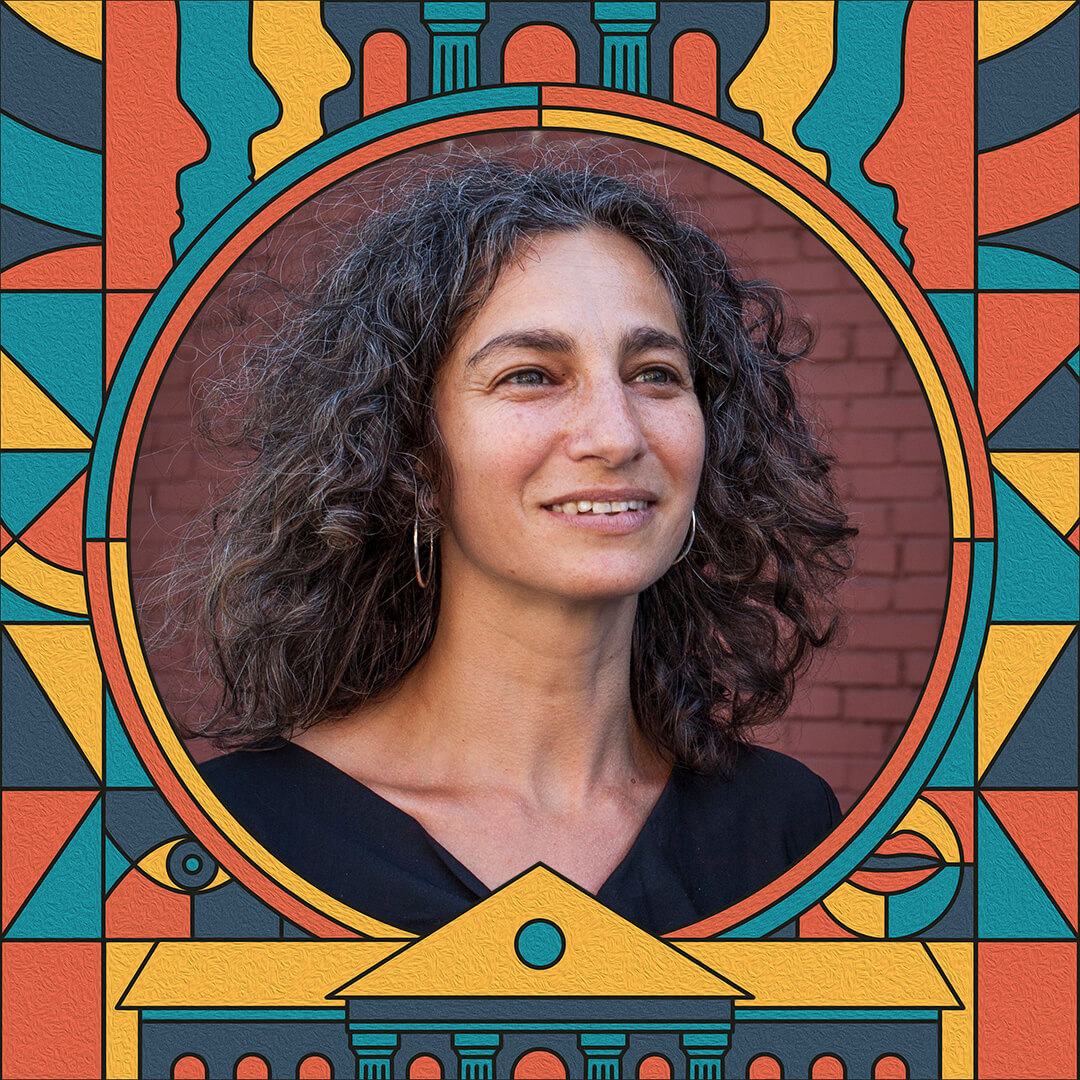
Abby: Welcome to Matters of Experience. My name is Abigail Honor.
Brenda: I’m Brenda Cowan.
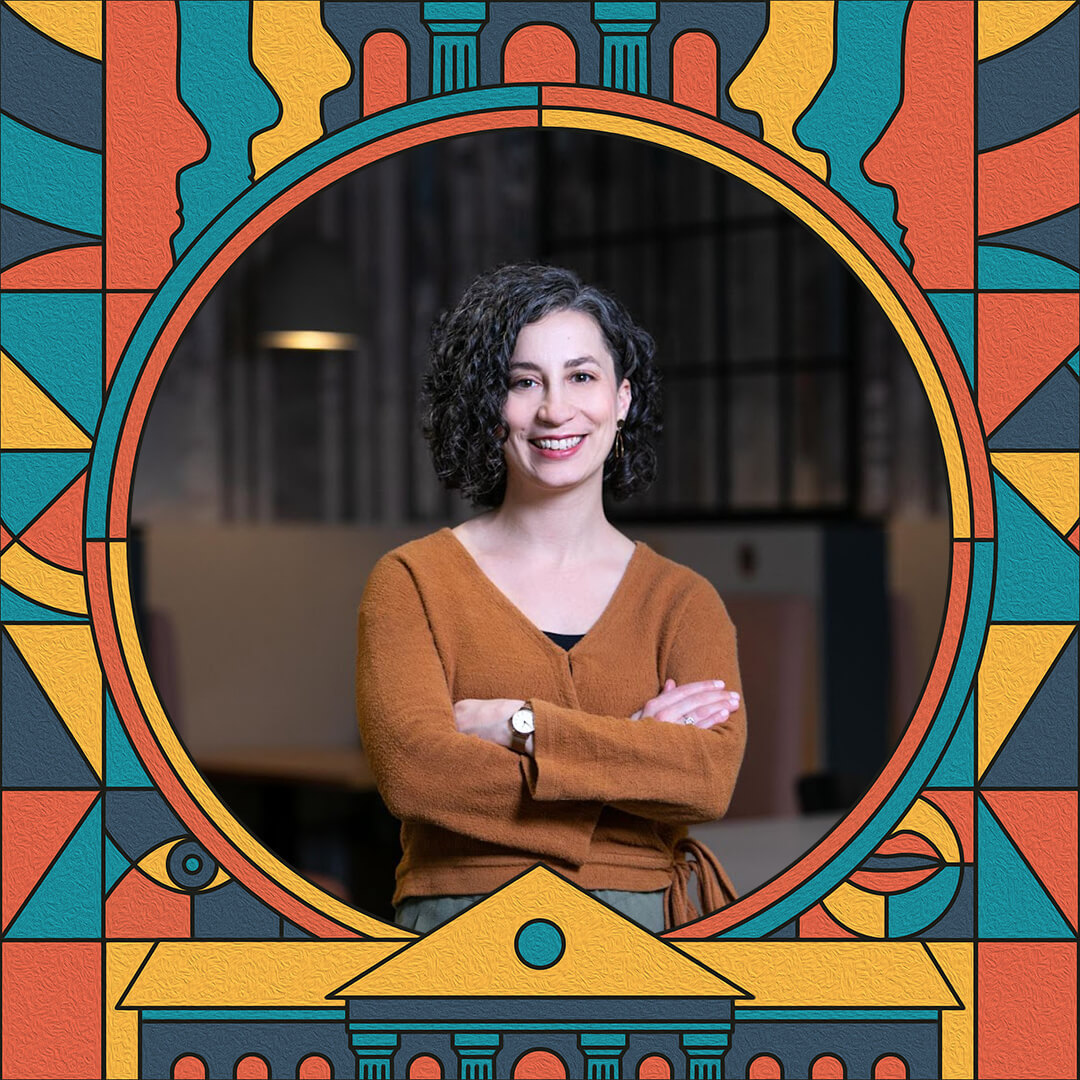
Abby: So today we’re speaking with Cathy Sigmond, Head of Strategy for Kera Collective, a firm that specializes in research, evaluation, and strategy for museums and cultural institutions. Now, Cathy’s been called many things in her career. She’s worn many hats, ranging from evaluator, UX researcher to strategist. I’m keen to find out which hat fits most comfortably. So Cathy, welcome to Matters of Experience.
Cathy: Thank you. Thank you so much for having me.
Abby: Okay, so I’m going to start off by setting the stage a little bit and in a bit of dramatic way.
Brenda: As always. Hold on, listeners.
Abby: I feel sometimes that museums and cultural institutions really need to evaluate their role in society, and to do that, they need to listen more to what the visitors want instead of assuming as an institution that they know what they want and assume that what they’re presenting is actually hitting the mark when often it isn’t. So overall, Cathy, how is the landscape for museums right now?
Cathy: Very big question, but an exciting one. So, I feel like the landscape for museums is really good and always has been. For me, I got into the field because I was always fascinated by how museums are this really great convergence of different stories and ideas and creative people who visit them and creative people who work in them. And I think that that blend of creativity and diversity just really keeps me fueled working in them and keeps me optimistic about the landscape for museums.
And you mentioned thinking about the idea of whether what they’re doing really hits the mark. Not everything is always going to, but that’s okay. I feel always optimistic that as long as museums are listening and learning, then the landscape is always going to be really good, and there’s always an opportunity to grow from any experience.
Brenda: Cathy, with your work, you aim to help museums, as you put it, make a positive difference in everyone’s lives, and that’s a very lofty, very important ambition, and we would love to hear. How do you think a museum can make a positive, lasting difference in someone’s life, and how do you capture everyone?
Cathy: Well, it is a lofty ambition. I’d say that it’s not just my own. It’s one that I share with all of my teammates at Kera Collective, and I feel that’s important because working with the team is really, really essential to how we work. But I think that that’s also not an ambition that’s unique to our firm and our way of working.
I think no one would be in the museum fields doing whatever it is the amazing work they do is if they didn’t believe that there was a possibility that museums could make a positive difference in someone’s life, right? It’s kind of like, what’s the point? Why are you here if you don’t believe that as well? And so we really seek to work with museums and our clients, both through formal official projects and through just conversations that we have with our colleagues in the field to keep everything really grounded on the visitor and the audience and thinking about, well you’re doing something for someone to receive it, right? And for me, keeping that sort of the center of what you do is, is really what drives me. Now, to your point about like, well, how can you possibly touch everybody positively? The thing is, is like not every single thing is going to, but that’s okay.
One of the things we do a lot of work with our clients on is clarifying through this initiative, right? So through this exhibition, through this program, through this app, who is it that you hope to most effect, really who is this for, and what would success look like for them? So if it, if there was a positive outcome, tell us what that would look like. What would people say? What would people do? What would you see happen?
I think it’s being really clear that it’s not sort of trying to make a positive difference with every single person through every single thing, but through the collective set of things that you offer as an institution, that’s really sort of where the magic is.
Abby: So overall, I think a lot of museums have a generalized idea of visitors. It’s pretty common in our industry. You group them into, you know, four – families, locals, tourists. Brenda, you have really fun names that you teach. What are your names?
Brenda: Oh, well, I don’t know how fun they are, but maybe you’re thinking of streakers, strollers, and studiers?
Abby: That’s what I’m thinking about.
Brenda: Okay. Yup.
Abby: But I think, though, that these groups don’t tell us what audiences value, right? Or believe in. Are you saying that we can’t group people anymore? So, just sort of give me your thoughts on this.
Cathy: The way that we like to think about grouping people in a way we find helpful for museums and really for any type of organization, if I’m being honest, is thinking about grouping people by their values. So it is not about, it’s not about demographics, it’s not about people’s age, it’s not about where they live necessarily. I mean, there’s very good reasons to focus on geography and demographics, which is sort of a whole other thing.
But generally, I find when you think about focusing your work and what you do for a group of people who value X or who are motivated by X, and you identify that as your target audience, you know that person could be an adult in their sixties who tends to visit museums alone, or that person who values this could be somebody of a much younger age who tends to visit, you know, in social groups, and there could be all sorts of demographics thrown into this bucket. But the common thing that this persona or this audience type has is that the motivations and values that they share.
Abby: So how does data, Cathy, help museums understand these groups better?
Cathy: Well, data is a big term. Working as a researcher, I love the word data, and I work with, with audience data every day. But the word data is also a bit misleading if you ask me because what you’re really gathering is like stories from people. Thinking of it as data can kind of like remove you a bit from the fact that it’s, it’s sort of a human talking.
But broadly speaking, if you have not just made assumptions about these audiences but really heard from them, heard from them through lots of different methods, could be through interviews, could be through focus groups, could be through some sort of survey, observed their behavior both in and outside of museum spaces. All of this data can help paint a picture for you of who these people are, and maybe it’s learning more about what brought them through the door. Maybe it’s gathering data on what they did while they were there, I’ve mentioned observations of people in spaces. Maybe it’s doing that and also talking to them after and seeing what you can learn both from what they share was memorable from them and what you observe them doing, and maybe any pain points or barriers that come up along the way.
Brenda: Isn’t it critical for evaluators especially to use the idea of, you know, or I’ll say your word, data? Isn’t that sort of layer of remove really critical so that there’s objectivity when you’re actually trying to measure success or determine value? When you are listening to people’s stories, don’t you need to really sort of think about it in a scientific way, for lack of a better word, so that you’re really, really being very objective?
Cathy: Yeah, totally. It’s kind of a push and pull that I think exists within the evaluation fields because, you know, on the one hand, we’re people too, and we, you know, we feel along with people, when people share sensitive information with us, you know, something that’s been difficult for them about their museum experience or that has been a barrier for them to coming, and we’re trying to understand why. And, you know, so it’s, it’s a bit false in a way for us to have to put on that like removed lens, you know, to be one step away from that. And we try really hard when collecting data and knowing that that when we’re quote-unquote, collecting data, you know, that means we’re speaking with, we have the privilege of speaking with members of a museum’s audience or people who aren’t museums audience yet, but who are important to them and who are in the community in some way.
And, you know, it’s really important for us that no one we’re ever working with to gather data from to learn about ever feels like they’re being treated as data. But you’re right that on the analytical side of things, one of the main jobs of an evaluation, evaluator at all, and particularly an evaluation firm like ours that operates in a consulting manner. And for us, you know, we are not the, we’re not as attached on a day-to-day basis to the work the museum is doing. We immerse ourselves in it as much as possible when we have the privilege to work with the place. But it’s also our role to be that third party and to say, Well, well, hang on. You know, this is sounds like a really great idea you have. But what we just learned from our audiences through X, Y, or Z method or methods tells us that maybe, you know, a different direction should be something we should consider. And so it’s our role sort of play that advocate for the audience based on the data that we’re gathering at all times.
It’s kind of a push and pull as I said, it can be tricky to maintain that level of quote-unquote objectivity. And, you know, everybody has their biases. So we’re, we’re as objective as we tell ourselves we are.
Brenda: I want to pull over to the word success, which has come up a couple of times now. Cathy, in your experience, how are museums and cultural institutions defining what success even means?
Cathy: Yeah, I mean, there’s no one size fits all definition for success. One of the things we work a lot with our clients on is helping them to identify what we call their distinct qualities. This is, you know, you could call it lots of different things, but it boils down to what as an institution makes you unique, you know, what do you offer or could you offer or do you have at your disposal that no other place has?
You know, we work a lot with our clients and helping them before we even get to any stage of evaluation, helping them think about what it is that they’re passionate about the work for, you know what, what drives them and their staff and their team, and what makes this place, this museum, the medium through which everyone who is there does their work for the public. What is it that you that sort of makes you unique? Then we can talk about what success will mean for each of those things.
I think when you think about it on a smaller level, not always this big institutional level because that’s that’s really hard, I guess is what I’m trying to say, like it’s really hard to think about what would make this museum successful as a whole, but thinking about what would make this exhibition successful for the target audience and really working with people to say, okay, well, what would you hope to see, in what ways would someone be changed? And we talk about it a lot about outcomes being maybe behavioral, so people would learn a new skill. We talk about outcomes in terms of cognitive outcomes, so that’s thinking about, something museums think about a lot, learning, right? What, what new facts or ways, or attitudes would people come away with?
We think about outcomes in terms of emotions. What kinds of emotions do you want this experience to bring up for people and why? And then we think about, okay, well, so those are the outcomes that you’ve defined would be successful. Let’s talk about what would you see people do? What would you hear them say? Sometimes it’s kind of it’s easy, but it, some of the outcomes, it’s like, well, well, that’s not measurable. You know, that’s not we’ll never know if that’s actually happening. That’s the outcome we’re aspiring to. But it’s not measurable. And we’ll say, no, it is, we, we can think about the kinds of things that people would say, what are some of the words they would say to describe this thing?
If you want them to think about, you know, outer space in this new particular way? Well, let’s talk about how, you know, what kinds of questions might they ask. And we try to get really specific with, like, let’s talk about success in the context of this initiative you’re working on now. Because I think that when you do that, and you do that regularly as part of your practice as a museum for each new thing that you do, there is a purpose behind each of it, and it adds up to some some sort of success on a bigger level.
Abby: So, Cathy, you don’t design, correct? Your company doesn’t do the designs.
Cathy: We don’t. So it depends who you ask. No, we don’t do the designs, but we do work a lot with designers. That would be through what we call front-end or formative evaluation, where we’re doing contact testing for an exhibition. And concept testing, in that case, might be like, for example, we worked with the museum years ago that was designing a, an exhibition, an art exhibition on home and Brenda, you’ve heard this story many times. I think.
Brenda: I love this example so much.
Cathy: Yeah, it’s one of my favorites. I always come back to it. It was a beautiful concept, you know, the idea of home, something that that in some way, shape, or form, whether positively or negatively, everybody has a connection to this idea. And they had a couple of specific ways that they wanted to talk about the idea of home in the exhibition.
And it was an object-based exhibition with objects from their collection, but all sorts of art objects from all different years, all different types of art, you know, some sculptures, some photographs. And they had a few ways they wanted to talk about home, and they basically hired us to put some of these ideas in front of visitors to the museum and have a conversation with them before we even showed them anything about what home means to them. What comes to mind when we think of that idea, and then slowly introducing some of the ways through really rough, I wouldn’t even call it label text, just like a rough outline of, well, we might talk about this, and we might talk about this, or if I give you these key words like, what does this make you think of and show you these objects related to this phrase, what associations do you make?
And those aren’t literally the questions we’re asking visitors. Those are more the things that the museums wanted to know. And through some some really cleverly designed interviews, we’re able to extract so much information that helped to shape designs. So we were able to understand what kinds of associations people within the museum currently make with the idea of home, what objects that the museum has selected really do evoke an idea of home for people and which don’t and why? What kinds of questions people are asking about the idea of home, and what they wonder about other people’s experiences of home.
All this to say, we, we do a lot of sort of concept testing and front end evaluation early on to help shape designs, and then we do do prototyping in a more formative sense, you know, that could be hands-on prototyping or even really specific message testing when you’re at maybe 60, 60 percent design, something like that.
Abby: Yeah, because I was thinking as you were talking your process, you do an awful lot of research and obviously work closely with museums and cultural institutions. There’s a huge difference, though, from getting that list together. Everything looks fantastic for you. Everything looks great for the institution. But then the implementation, the design, you know, is a definitely a completely different stage, and I believe things can get lost. Things can get lost in translation, and if there’s not a lot of coordination and if you’re not there in some way, shape, or form, I can imagine that you know, a separate design team could interpolate the findings you have in a very different direction or completely ignore them.
Cathy: Yeah, and you’re totally right. I’ve seen it happen, but that needle has moved a lot in my experience with designers and museums. We used to have to fight for, for that presence with design teams, maybe a lot more. And I’m happy to say that at least in my, my small window of experience, that that has started to really shift.
Lots of people can’t quite pinpoint like what’s the point of human-centered research. And really, it’s to be the advocates for the people who are going to experience the thing that you are designing. Right? And, you know, we’re not here to be these sort of like data dictators and saying you have to do it this way because the data says. We’re sort of here to help guide and shape, just making sure that every decision is made with the audience in mind.
And sometimes, we have big gaps in our knowledge about what an audience’s reaction is going to be to something. Or, as I mentioned, you know, the motivations of this particular audience. We – an exhibition, for example, might be being designed because there is, on a global scale, a lack of knowledge, you know, about a really important topic. If you don’t bring people along for the ride, they don’t feel like it’s something that’s made for them. But you also are kind of designing a bit blind and working based off assumptions. So I really see the role of designers and evaluators slash UX researcher slash human-centered researchers slash strategists, you know, call them what you will, but I really see the, that tie between designers and data gatherers and synthesizers as really, really strong.
Brenda: On another note, tell us about a situation that you’ve been in because I’d be willing to bet that you’ve been in this situation where an institution is asking something from you, and you know that what they really need doesn’t match with what it is that they’re asking you to do.
Cathy: Well, I’ll say that this happens, but it doesn’t happen because any place is like completely, you know, has no idea what they need, and we’re the ones who can come in and tell you how to do everything. I find that happens in a very specific situation. It’s when we get contacted, you know, an email from somebody or a message of some sort about possibly doing a study or whether it’s an RFP that’s very, you know, it explains what the thing that they would like evaluated is, but then it’s very prescriptive on the methods that should be used to gather the data. You know, we want this many surveys with a sample size of this and, you know, this many interviews done exactly with these people.
It’s not to say that those methods are necessarily always a bad recommendation, but oftentimes we really like to get as many questions in early as we can because we find out more information later about, like, oh, you’re really actually wondering about this? Well, if that’s the case and this is what you would need to help you forward in your design work or to help you make decisions about, you know, about how to do this program differently for the next year, then we really should think about maybe not doing a survey, because a survey, while it gets you a lot of data really quickly, doesn’t really go deep with any one individual and doesn’t get at the nuance of people’s experiences. Maybe we need to do focus groups instead. Sometimes people have the best of intentions and they, they know what questions they’ve got, but they don’t quite know how to go about answering them.
Abby: Yeah, we also sort of see, an institution will come at the very beginning and think that they actually have one set of problems that they need to solve, but from our research, it turns out that it’s actually not the right set of problems and guiding them along this almost journey of self-discovery is really hard because I think as we are in our individual lives, you know what we want to be and what we are are often two very different things.
Bringing those two things together and being real, keeping it real and understanding sort of what problems you need to solve is often really difficult. Have you ever experienced clients that are potentially coming, thinking that if they can solve this set of problems, then it’ll fix everything, but actually, when you’ve done the research, you’ve realized it’s a totally different set of problems?
Cathy: In general, yeah, I think this kind of thing happens all the time that you know, sometimes this happens when an institution wants to go straight to doing evaluation. They want to go straight to some form of measuring, and we find that it’s almost too early to do that, that what really needed to be done and needs to be done is a defining of who this, who this exhibition or who this program or who this initiative is for, so defining of audience and then really articulating sort of the why, like the outcomes that you hope for and doing all of that before you go out and just measure for the sake of measuring. I find that that kind of thing comes up quite a lot.
But yeah, it’s definitely sort of we’re, we’re always learning as we go with clients and getting to know – because we’re not there every day. Like that’s a, that’s a consulting thing as well. But it sounds like you’ve experienced too where there’s often like sort of a second layer to peel back of what’s really going on. And it’s as you begin the work that you start to realize that there’s a lot more to it. And so that’s, that’s a part of being adaptable and we try to be very flexible in our strategy and evaluation work.
Abby: So, let’s think about success from your personal perspective. You can have a happy client, you can have a happy institution, but you know you’re not happy. And I know there’s been instances because that’s always those instances. So, when you think back to those moments, what is it that real success, you know, for Cathy looks like?
Cathy: So it’s funny. For being such an audience advocate through our work, I often don’t get to see the end result, especially when we are working primarily on those front-end concept testing and more formative prototyping or sort of testing designs as their further along. That’s still early and it’s before the thing is out there for the world to really experience at scale.
For me, like the satisfaction comes from hearing later, hopefully, you know, through just an email or conversation, that you’ve been returning to the data, that those tools that we left you with are continuing to be used. We were really fortunate several years ago to do a lot of prototyping and concept testing work as the Americans exhibition at the National Museum of the American Indian, which is a Smithsonian Institution in DC, as that was being designed, and it was a new permanent exhibition, so meant to be up for quite a long time.
And it’s all about the pervasiveness of Indian imagery and in, in our lives. But it’s it’s a really powerful exhibition about our shared history with Native Americans and the testing that we did, and the time in the project at which we got to be audience advocates was quite early on. Then, you know, I – it was kind of not intentionally, but a bit of a closed door situation where then all of a sudden, you know, it was up later on, and I have to say that, you know, just going to visit that space on my own afterwards and overhearing some of the conversations that I got to hear from visitors unofficially, you know, I wasn’t, I wasn’t officially gathering data for any work at that point.
I remembered some of the messages and ideas that the museum had been going for and things that they hoped people would wonder about or, or the time that they hoped people would linger in the space. And I’m being a bad evaluator now, just speaking based on, based on, one anecdotal visit. But for me, I remember just thinking in that moment, oh, this is what they were going for, you know, and I’m so happy that the work that we helped do early on helped them get to a point of shaping the design that this was even possible to happen.
Abby: I was going to say, I don’t think you’re the only person who’s actually sort of haunted the halls after an exhibition has opened. I know I’ve done that, and it’s amazing because you just want to be that fly on the wall as people are enjoying and investigating and playing with your, your exhibition. So yeah, I think there’s a lot of people listening right now who’ve done the same thing.
So, what are some of the components of a contemporary museum experience? We chatted with Monica O. Montgomery about museums being community centers, a place for people to get together, share their stories. And I’m also thinking about social media and how important, quite frankly, that is to storytelling. So can you sort of talk about the components of a contemporary immersive experience from your perspective and what you’ve seen evolving over the last five years?
Cathy: Museums have to think about themselves as this sort of like, this like living organism that’s constantly changing, and you, you can’t just rest on your laurels of thinking of experience design and interaction with visitors as one handful of things that you know and do really well. It’s great to have a handful of things that you know and do really well, but there’s always going to be more that you could do.
And I think the thing that we do a lot as strategists and as human-centered researchers is really helping museums realize that every single touchpoint with a person matters and that there are so many possible touchpoints you could have that museums aren’t in the habit historically of always, always thinking about. If we are going to talk about an exhibition, well, let’s talk about it, and let’s really drill down into what you want to do with that thing.
But you also have to step back and realize it’s not the only thing that you’re doing, and it is not the only way that a person could come across something that your museum does. There’s all sorts of ways, through social media, through a blog post, through what your museum staff is writing on LinkedIn, through gosh, there’s so many different, there are many different avenues.
And I feel like hearing myself say that it sounds like I’m advocating for just do more, do more, do more, do more, do more. I think that’s not really it. It’s finding a balance between not being afraid to try new things but also trying new things with purpose and saying, okay, there’s always one or two things we already do and do really, really well. Let’s keep doing those while leaving a little bit of room to try some new stuff.
Brenda: I actually, as a strategist, I’m really curious, what have some of your favorite projects been that are really, really innovative?
Cathy: Putting me on the spot here to, to pick favorites in the museum world. But, I will name one organization that I’m now a very big fan of. They’re called Made by Us, and they are a coalition, a consortium of history museums and organizations. They have kind of a, a great team that’s coalescing all of these disparate organizations.
Their mission is really about engaging 18 to 30-year-olds with history and history museums, but not just for the benefit of museums, for them doing civic good in society. And I think, though, the way that they do their work is, is actually, it’s sort of museums operating in a totally different way, and it really has caught my attention.
It’s all digital, and it’s all remote, but they’re still trying to add some in-person events and it’s, it’s really building on the strengths that history organizations bring to the table and helping them be in conversation with 18 to 30-year-olds, which is a really pivotal time for doing public good, figuring out who you are. We were fortunate to do some evaluation work on their flagship program, which is called Civic Season. It runs every summer.
We’ve also had some great work recently with organizations doing innovative stuff in sort of the digital gaming space around teaching science concepts through gaming. And so that’s sort of an area that I’m really excited to see. And then, you know, for me, I’m really always going to be passionate about exhibitions. I’m by no means an expert on it, but I really look to all the great organizations that are experimenting with different immersive stuff out there, both in and out of museums, and so for me, that’s kind of an area to watch that I as an evaluator and an audience, audience advocate, I really love to be able to work more in.
Abby: Well, Cathy, thank you so much for enduring our rapid-fire questions today. I just love the way you describe a museum as a living organism that’s constantly changing. I think that’s absolutely fantastic and something we should all aspire to create. And that idea of balancing between sort of trying new things with purpose and keeping what’s working as part of that visitor experience, I think, is really an inspiration and keeps you on solid ground, so thank you so much for joining us, Cathy, and thanks for everyone out there listening. If you liked what you heard today, subscribe for more episodes of Matters of Experience wherever you listen to podcasts. Make sure to leave a rating and a review and share with a friend. We’ll see you next time.
[Music]
Producer: Matters of Experience is produced by Lorem Ipsum Corp and recorded at Hangar Studios. Tune in next time for more fun discussions about experience design.