[Music]
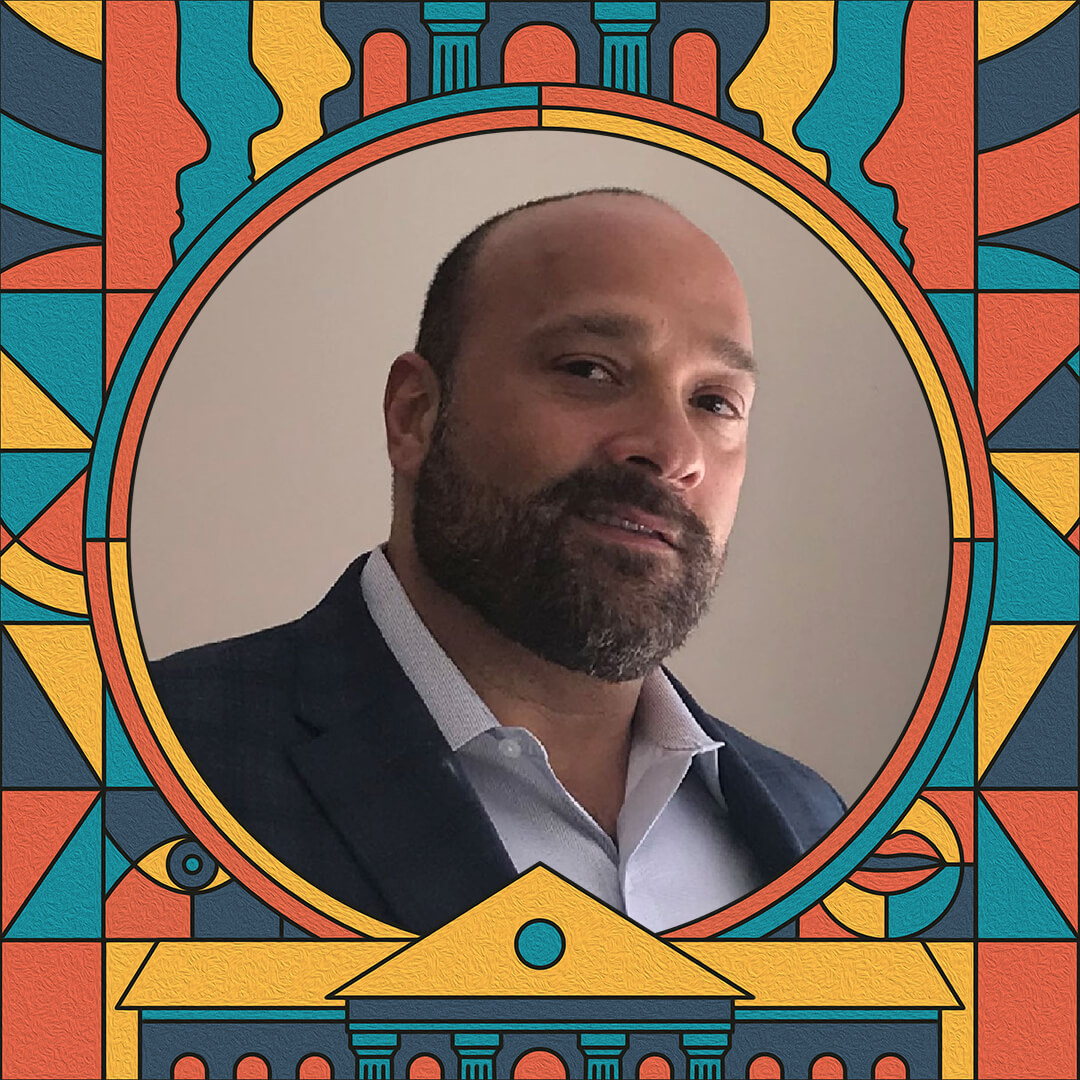
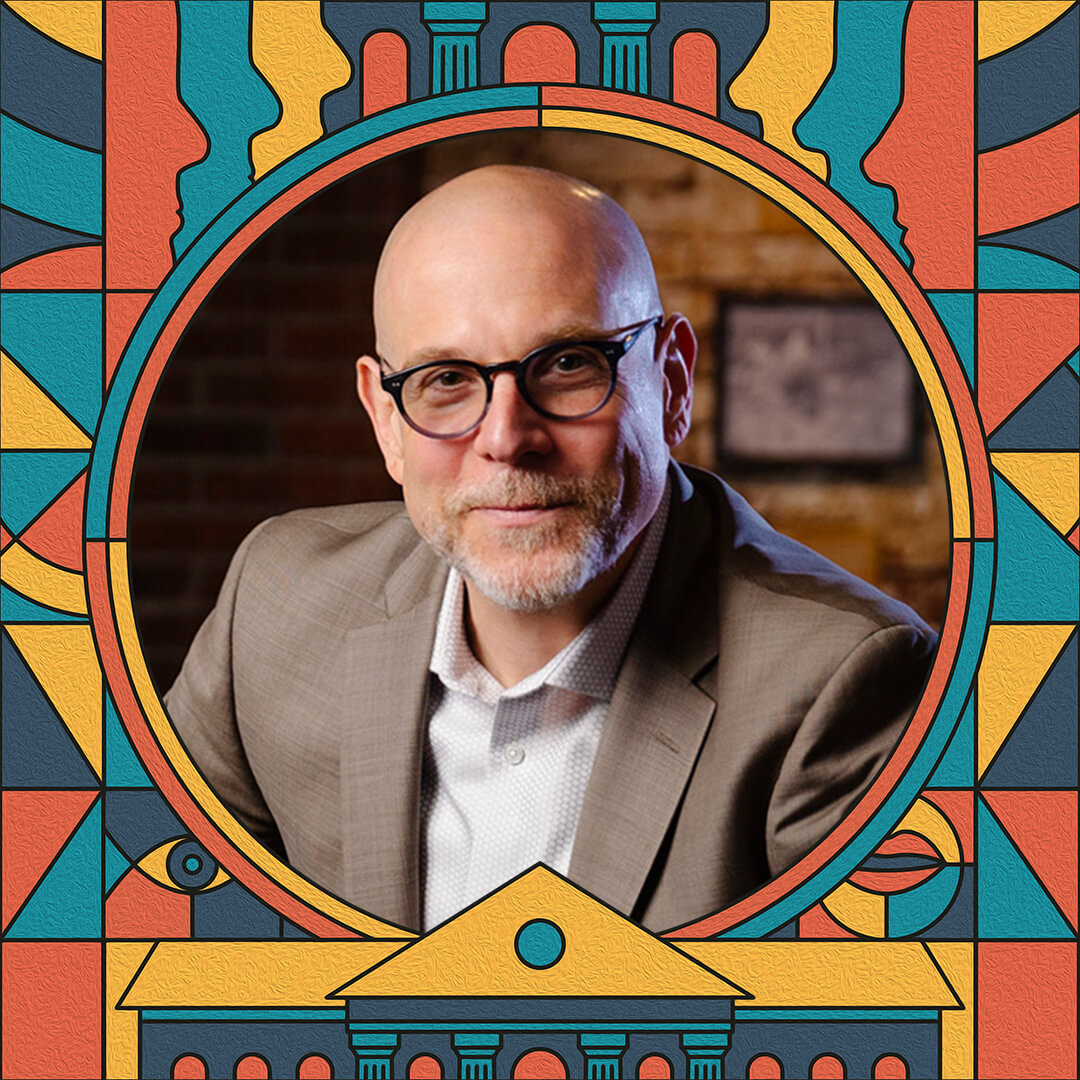
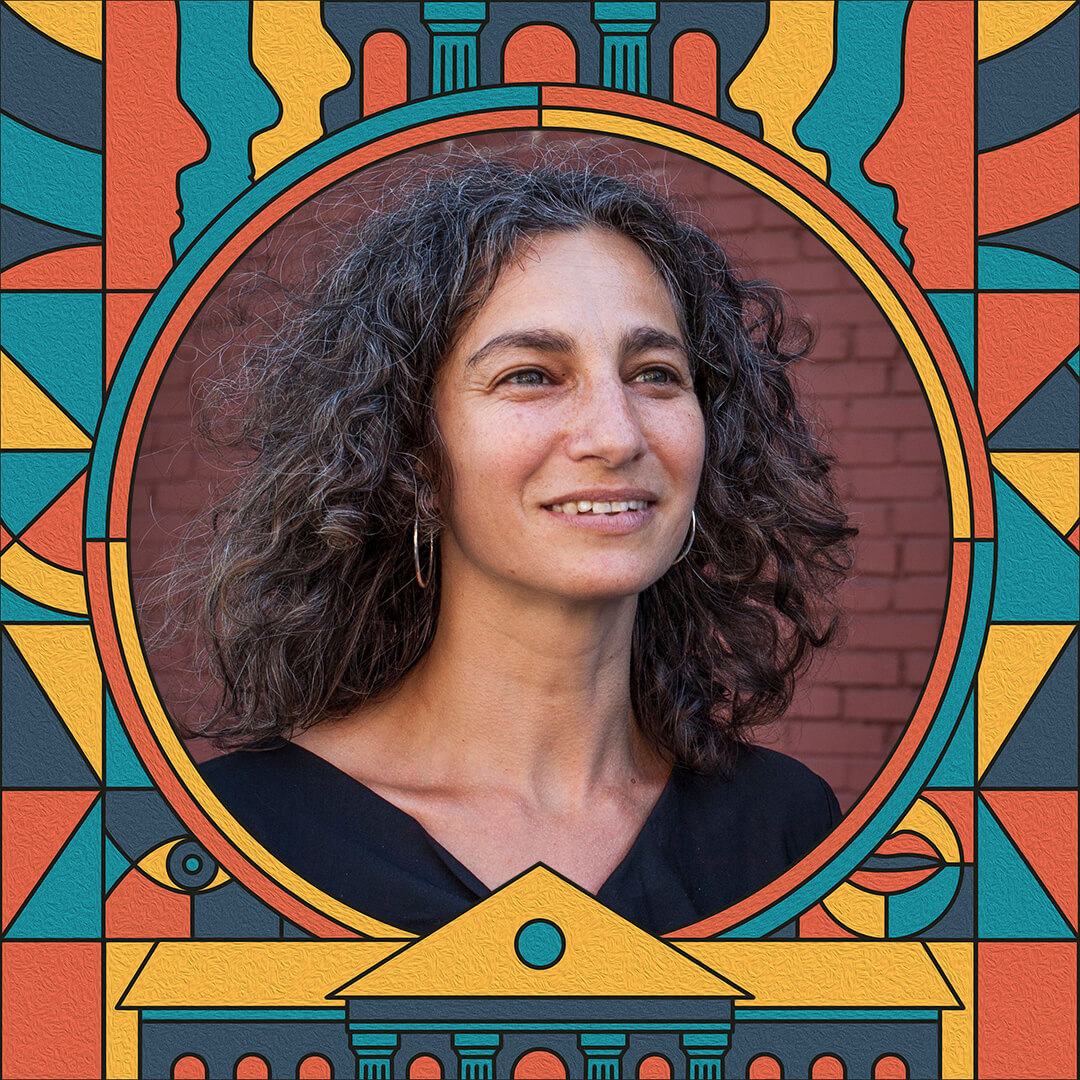
Abby: Welcome to Matters of Experience, a podcast that explores the creativity, innovation and psychology driving designed experiences and encounters. If you’re new, a warm welcome, and to our regular listeners, thank you for tuning in and supporting our conversation. My name is Abigail Honor.
Brenda: Hello everyone. This is Brenda Cowan.
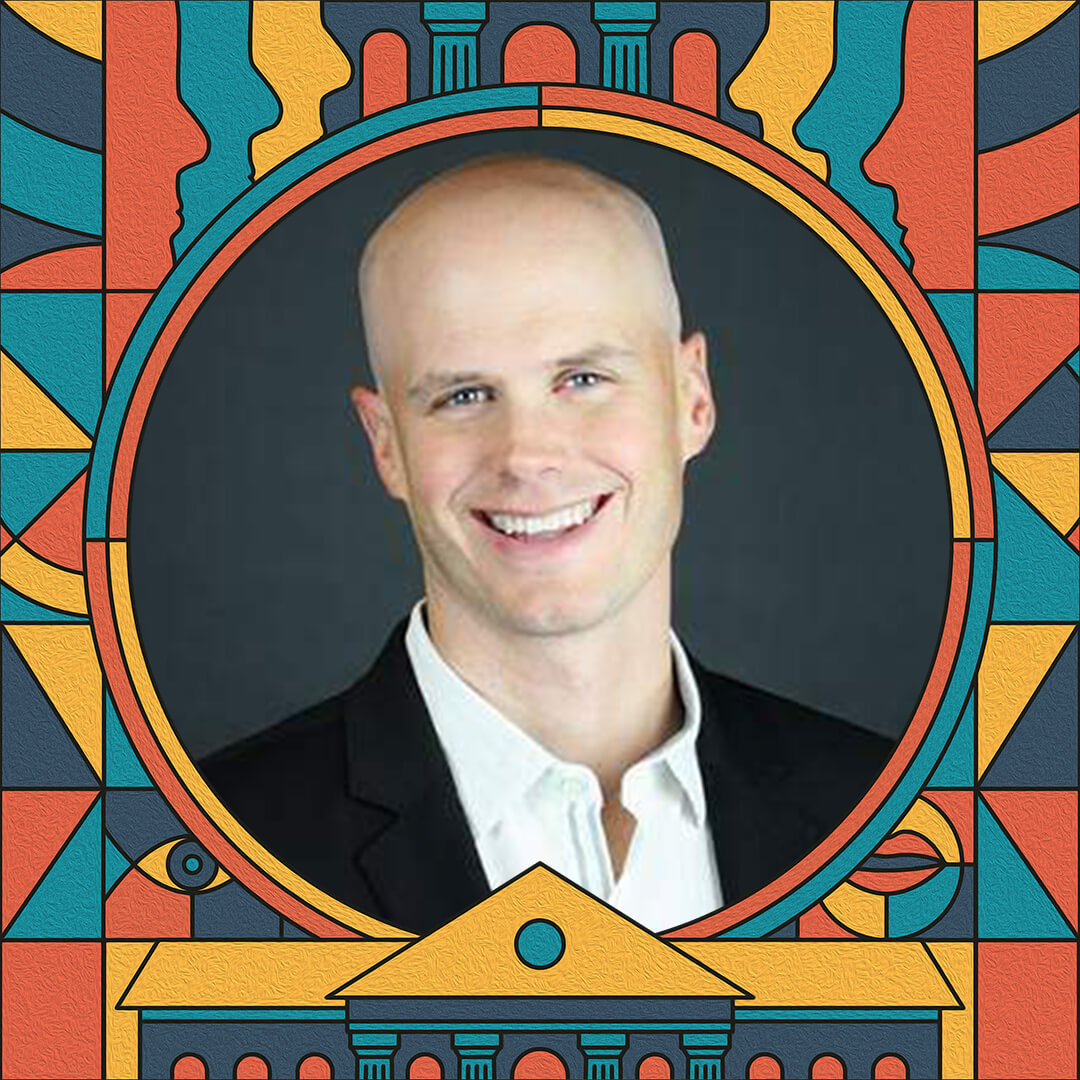
Abby: Today we’re talking with Mike McCarthy, who is the VP of Design Communications Ltd., fondly referred to by most of us as DCL, who build really amazing architectural specialty products. DCL’s clients are designers and developers involved in large scale new construction and renovations of things like sports stadiums, theme parks, shopping malls, basically big infrastructure and some really cool places to hang out. Mike’s been involved in thousands of projects over his 20 plus year career, including, and this is a really impressive flex Mike, works at Walt Disney World, SoFi Stadium, TD Garden, Madison Square Garden, Gillette Stadium, Twitter, LinkedIn, Facebook, Amazon, Coca-Cola, Hasbro and many, many others.
Brenda: That should have a soundtrack. can I just say, that should have like trumpets sort of layering behind it.
Abby: I think it’d take the entire podcast to list it all out.
Mike: I would like that.
Abby: Yeah. Yeah, he really would. I can imagine. Mike’s also on the board of directors and executive committee of SEGD, and for those listening who may not be aware of this association, it’s the Society of Experiential Graphic Design, which I’m also a member. It has members from across our industry and I recommend everyone to really consider joining. Lastly, he serves on the board of directors of the Massachusetts Business Roundtable and he has a family, and I think my question really should be, Mike, how do you fit it all in?
Mike: Well, it’s all a labor of love. So, I’m lucky and I’m grateful to be here with you both today. Thank you for having me.
Brenda: Well, I’m going to get us kickstarted by talking about everybody’s favorite topic, COVID. Because you have such a broad scope of the industry, what are you seeing evolving in the workplace since COVID? What’s changing?
Mike: Well, first of all, I will point out that COVID is actually not my favorite subject.
Brenda: Fair enough.
Mike: So, we make things for places that people go, so to have sort of a global crisis where people are not allowed to go places, not good. So, I’m glad that is dissipating, let’s put it that way.
You know what I’m certainly seeing in the post-COVID world, people trying to figure out their corporate space. Right. I think everybody’s grappling with, you know, are we doing a back in the office thing? Are we doing a work from home thing or are we doing a hybrid? You know, maybe somebody signed a lease on a big giant space with one mindset ten years ago, and. and they’re really unsure if that’s going to be the same moving forward.
I’m seeing a lot of corporations and heads of corporations trying to figure that out and say, how can we, how can we do this? And if we are going to create a space that we can sort of compete for talent, which is the other big thing right now, right, is, is competing for talent and getting people towork at your place versus another. How can we make those spaces some place that people want to be?
Abby: So, you know, you have also built a really diverse range of incredible spaces and just thinking about how things evolve, you know, what are they looking to add to these spaces over time?
Mike: I think especially with the COVID break or in some ways, if you look at it, it’s almost like a warp in time where all of a sudden, it might be seven years since they updated their space, right? COVID might have been three of those, but nonetheless, all of a sudden you think, wow, it’s been a decade since we put this and or did that. And I think there are a lot of places that are looking to add technology because they see these really exciting areas that have it and they say, hey, we don’t want to get left behind and we want to look like we’re cutting edge and we want to be cutting edge.
Not to mention when you’re dealing with technology, be it LED or projection mapping or whatever, it offers you a chance to do things that sometimes static environments can’t. Right? We can update that information. We can tell a different story. We can use it to inform people and, and inspire people and tell our story and in all those different things. And so, I think that there is definitely a push to technology for anyone who wants to update and stay current and look at a different way to communicate with the people that are using that space.
Abby: How sort of well-thought through is it when some of your clients are coming to you saying we want, want technology? Are they thinking about what that could actually look like in space, how it would work? Because, you know, in my experience, we’ve had a lot of situations where a client would want technology but then haven’t really thought through the application of that and the longevity.
Mike: And it runs the gamut, and so there are people who have figured everything out, here’s what we want to do and here’s how we want to do it. And all you need to do is tell me, you know, where can I get this one screen? And then there’s people who say, what if it like lit up, but also like was like a movie?
Abby: Right.
Mike: Ok, well that, that’s a big scope, and, you know, how can we sort of help figure that out? Now, the one thing we don’t do, we build, we engineer, we project, manage, we install, we do all those things, but the one thing that we don’t do, is we don’t design. A lot of times people reach out to us and say, hey, we want to add technology, we want to do all these things. How can we do that? And the first thing we’ll do is say, okay, well, you need to team up with someone who’s going to help you design this and help tell your story or help you even figure out where you want to be.
And through that, there’s so many interesting things that they can do. They can tell their story as we see so many times, like, here’s the history of our company or whatever it is, or they can go in a completely different direction and use it for public art. We’re seeing that a lot, too, where people are saying, hey, I have this space. We’re going to put a big multimedia installation here, but we really want to use it to promote art and promote the community. I think that in the post-pandemic world, that connection to community is so huge. But even that is maybe more complicated than we’re thinking, right?
Abby: Yeah.
Mike: Because with every media there are restrictions, and you all know this well, there’s restrictions to what you can accept, how big does a file need to be, what, how do we upload it. All those different things, and we will work with partners who will sort of help them through that process.
Abby: There’s that piece to it though, which is once the, the portal, the monitor, the project, whatever is holding the content is up, it’s like a beast that needs to be fed. It’s not good enough often to just have a short term plan. How is that going to evolve? How is it going to change? How is it going to continue to have that dialog with the visitor?
You know, just thinking about the fantastic idea of showing and displaying the work of local artists, you still need a curator. You need somebody who’s going to be there and facilitating the work that goes up there. And I often find that that’s not been accounted for by the client and something that you need to bring up soon because the best laid plans can go awry and make sure that they understand the commitment to, to the content.
Brenda: Mike, how much are places mimicking, wanting to mimic other places? How often do you have somebody come up and say, you know, I just, I was over at Joe’s place and they’re doing, you know, X, Y and Z. I want the exact same thing. Are you getting that a lot?
Mike: Yeah. Yeah.
Brenda: Tell us more.
Mike: Yeah. Imitation is the most sincere form of flattery, right? I mean, they see something and they liked it and say, I want to do exactly that. Okay, well, you know, maybe not exactly that, but how could we use a similar concept to work with your space and in your story and, and so forth?
Brenda: Mike, we’ve talked about media and technology. Given your scope of work, you must be seeing some more big trends across the various industries. Can you fill us in? What are you seeing out there?
Mike: Yeah, I see, kind of going back to that theory of people wanting to inspire, and I think that people are trying to be more socially conscious. So even if they’re saying, okay, well, we’re going to tell our story, they want to do it in a way that shows who they are and what their values are. Right? It isn’t just we’re the best, we do this. Why are we doing it? What is the, you know, what’s the purpose of our, our organization, what’s our mission? And so you’re seeing more mission statements. You’re seeing more organizations try to explain who they are and what they do and why they do it.
Abby: We’re seeing that completely, too. So, when you talk about, let’s focus on, on when you want to be invited to the table, because I know it’s not always at the ideal time, sometimes you get that last minute panicked phone call like help.
Mike: Sometimes.
Brenda: Fix this! Quick!
Abby: When do you need to come into the process?
Mike: Earlier is better, and speaking not only for, for DCL, but all fabricators, you know, I think they would all say earlier is better because sometimes if we’re talking with a designer and a client, we can help steer in the right direction.
Abby: Can you give us some examples so people can understand how you can actually help us?
Brenda: Bring us into your world, Mike.
Mike: Yeah, sure. So budget, right? So, we’re thinking, okay, well everybody has a budget of some type and so a fabricator may be able to say, all right, look, if you get us in early, we can take a look at what you’re going for and kind of recommend cost effective ways to fabricate that, that are going to stay within your budget. Right, and many, many times for us, we would rather get in early and say, okay, well, what is the budget? The budget is X, let’s work till that, rather than say, here’s what I want, tell me what your bid is, and, you know, we and others come in at two x, three, x four, x, whatever it is, and and somebody says, no, you got to cut that down. Cut that down to what? I don’t know, but it has to be less.
That, that can sometimes spin a lot of wheels, right. And you can spend a lot of time doing that. And for a designer client, you know, the design firm themselves, they can burn their budget in that process because they too have taken on the work and have hourly rates they have to pay, and that’s how they do their budgeting, and so they don’t want to burn their time on that. And so if they bring somebody in like us early, they can sort of go through that and say, okay, well, how could we chart this course together to get to this particular finish line of the budget and of the schedule and of whatever that constraint is?
Abby: Can you think of some, don’t mean to put you on the spot, Mike, but can you think of some instances not naming any names or a design to build something out of aluminum and you had to make it out of wood or vice versa, like some sort of tangible example.
Mike: We love aluminum, so it’s very rare that we’d be talking anybody out of aluminum that’s our best friend.
Abby: So, you understood when I said, did I say aluminum?
Mike: Well, I went to, I very quickly, I went to Google Translate and it came out as aluminum.
Brenda: Looked up English English.
Mike: So I’m like, oh, that’s what it is. But, yeah, and so with different metals, maybe, that’s a good example, right? They may say, oh, we want it to be titanium or we want it to be this or that and, and that can be very expensive. And we said, okay, well, here’s a finish that we can do out of maybe a painted aluminum or, or maybe a stainless steel or whatever it is. And many times we may say, hey, this method might be more cost efficient, but it also might be more durable. And that’s, that’s a big thing. Durability is something that I think not everybody thinks about but is a big deal.
Brenda: I have a question about the elements of the good fabricator relationship. What are the essential elements that folks should know for making things work well?
Mike: Trust, right? And that takes a while to build. Your only going to have trust if you’ve done a few projects together and you’ve been through a couple of things and, and anyone who’s in the construction field knows that construction does not always go to plan and we’re going to make mistakes and the designer is going to make mistakes and the owner is going to make mistakes and everybody’s going to make mistakes. The question is, how do you respond to those mistakes? Did they stand by their work? Did they say, yeah, we will fix it, we know about this? Did they try to hide problems?
You know, for a fabricator, they’re going to be looking for somebody who wants to have a long-term partnership with them and wants to get them involved in projects early on. One of the things that we always talk to our estimators about is you can’t just constantly price things with people, right? So, if you say, oh, I’m going to get three prices and I know, you know, company, company B and company C are going to be way too high, but I’m going to have them price it anyhow. All right. Well, that’s the that’s a process for them, and that takes them time and that costs them money. And eventually, if they say, look, I’ve priced 40 things for you and I’ve never gotten one, like, thanks, but I really don’t want to be your third price, so you can say, oh God, they’re always too high. A fabricator or vendor or supplier of any type is going to want a relationship that they have with anyone to be fruitful for them too.
Abby: Do you, you know, we often say that if we’ve done our job well, our work goes unnoticed. You know, if that’s great lighting, nobody notices the great lighting or if it’s fantastically designed or the typography, the wayfinding, if it all works together, then the visitor just goes away having had an amazing experience. Do you sometimes feel that the fabricators are truly like the unsung heroes?
Mike: I certainly think we don’t get enough thanks. I mean, there has rarely been a parade, any sort of fanfare like that. I mean, I don’t think, it wouldn’t have to be a big parade, but like a couple thousand people, I don’t think would be out of the question.
Brenda: A few thousand.
Mike: Yeah, you know, I think we’re I think we’re the same. Right. I think if all goes well, no one’s thinking about it. A lot of times when we meet people, even if we’re hiring, people will say, oh, I never even stopped to think about how this stuff was built or that anybody built it or made it, which sounds crazy, but it’s true, right? You think, oh, wow, someone’s making this. Someone did that, and, and that’s true of everything. Somebody makes doors. Somebody makes windows, right? But we take all those things for granted as we’re entering a space and we’re there to experience what the space has to offer, not how was this made.
Abby: And just a small segue, over on Seventh Avenue and 23rd Street, they were renewing, updating, I’ll call it, the, one of the entrances to the subway. Well, they uncovered it and on one side of the street, it’s the green metal. It’s been there forever because it’s made of metal and obviously it’s painted well, repainted whenever they need. It’s been there for a while. We got wood planks, so I kid you not, Mike, we now have painted green wood planks that look so temporary and so ugly and so cheap that I’m completely dumbfounded, because whenever you go to other cities and you look at their infrastructure and their transport and you look at the hubs or the stairs down, you know, there’s some investment, it needs to be there. It’s part of, sort of the flex of the city, right, they’re proud, and ours literally, anybody who wants to go check out 23rd Street and Seventh Avenue to compare the old metal version with the new wood painted one we have, I mean, it’s literally like I could have like knocked it up myself and that’s not saying much.
Brenda: OK, I’m going to age myself, watch the original Taking of Pelham One Two Three, and you will hear the line, “what do you want for your $0.35?” Look it up, folks.
Abby: I just wondered if overall, you know, given you work on some big, I’m imagining, government projects as well, that you see this sort of like, short sighted economy. Because when I think about longevity, I know this wood is going to be pretty useless really soon.
Mike: Yeah, absolutely. And we do work on some municipal projects. You know, I’ll actually go the other way with it and said that I’ve been pleasantly surprised at some of what organizations are doing in the opposite way. Logan Airport, for instance, we’ve been doing all the work for Logan Airport for 30 plus years, and Logan’s really trying hard to look nice, to be updated, to feel modern and to do innovative things. I mean, for years and years we just made black boxes with Helvetica and, or Swiss 721, I think it is, just the most average signs in the world. And over the last ten, 15 years, they’ve really been trying to put some effort into that experience. And that’s a municipal organization and that’s great to see. Apparently that is not the case in New York, but I guess that just might be another reason why Boston beats New York.
Abby: Oh, no. I fed into that. No, it was just, it was upsetting, you know, it’s upsetting when you see something which for me is so important, just look so slapdash.
Brenda: Yeah, poorly done.
Abby: I think it just represents, yeah, something, I was really, really sad, but…
Mike: But, it goes to your earlier point of ideally nobody is stopping to look at it. Right. And so that that design or that solution was the opposite where you stopped and looked at and said what, this is terrible, this isn’t right.
Abby: So, we have a lot of design is listening. What should they be considering from your perspective when they design these experiences?
Mike: So, some of it the fabricator can advise on, right, as far as what’s durable and what’s going to hold up to a lawnmower and all those kind of things. I will say this if you’re doing technology, you need to be able to get electricity there and likely data there. There are some wireless data things that you can do and so forth, but you’re likely going to need to get electricity there.
And yes, there is solar, but solar is kind of limited and you’re not going to run a giant LED screen off the the sunlight of the day. You’ll see that museums that have these giant fields and they’ll say, oh, in the center of the field, let’s do this. You certainly can. But is it in the owners budget to dig up that sidewalk or, you know, however they have to get that electrical service to that spot and that would generally not be in the fabricator scope. That would generally be in the owner’s scope, and if it’s under construction, the general contractor or whatever it is, and that’s expensive.
Abby: Now, that may sound really simple to a few, few designers listening, but also, my call to designers is, don’t just take a screen, don’t just take a 16x9 screen. We have so much amazing technology.
Brenda: A lot of options out there.
Abby: There is tons of options where it can be really part of the environment. So, yeah, don’t just think it has to look like this and be stuck on a wall.
Mike: Yeah, and I would say think about it all year long, right? So, we’re doing work in Cleveland right now. Cleveland gets really cold, but it also gets really hot. Maybe this piece is going to go from a high of 110 degrees in the sun on an afternoon to -12 degrees. And what does that do? And what do you need to think about.
Abby: Mike, you’ve been doing this a long time. Why do you still get out of bed? What do you like about your job? What have you still got to accomplish?
Brenda: Where’s the passion?
Mike: So, for me, it’s two things. One, I’m incredibly vain and so I love when somebody goes somewhere and we did the work. So, someone will go to Disney World and I’ll say, oh, did you, did you like this ride and like that ride? And they’ll say, oh, I loved it. And I’ll just say, you’re welcome! And they’re like, yeah, okay. I know you did the signs, yeah, that’s great. But I love, I love when we work on, on projects and you get to go see it or you see someplace as you’re in a new city and you drive by and say, oh, we did this and we did that, and I truly enjoy seeing projects that we worked on out in the wild.
What I like the best is actually helping people get careers in the art field. And so, I was an art kid in high school and I remember everyone’s like, well, you better give that up because you’re never going to get a job, right? And then I, I ended up going to a university and I double majored in art and mechanical engineering, which worked out good. But for the art part, I thought, man, I wonder if I can ever make this work. I wonder if I can ever take this, this passion that I have and, and have a job and a family and health insurance and all those different things. And helping people realize that is something that I enjoy quite a bit.
So, I like talking to high schools and I like talking to colleges and different youth groups and all these different things and say, look, if you’re really interested in the arts, there are a lot of things that you can do with that. I mean, we know through SEGD, and I mean, I know so many designers that are hiring all the time, and then there are all these graphic designers in all these colleges across the country and I’m sure internationally that are thinking, oh, if I could only find a job and how would I know? And you want so desperately to connect those two and say, wait, no, it can happen. You can be in this industry and you can be doing exciting, visually creative things for the rest of your life. This, this is out there.
And in our case, we hire a lot of sculptor, sculptors and painters and screen printers and all these people that work with their hands. You can come work with us and you can, you can screenprint every day and you can build every day and, and create art every day, and then work with other people who are artists and have the same mindset as you. And, and we can create that great sort of art school environment in a professional setting where every two weeks we will all get a paycheck.
Brenda: Oh, your phone is about to ring.
Mike: But that’s very exciting to me. And whether that’s helping somebody get into DCL or placing them with a designer and that leads into another thing I’m passionate about, which is STEM and STEAM.
So, STEM is science, technology, engineering, math, but STEAM is science, technology, engineering, art and math. And so, I do a lot of work with this in the state of Massachusetts. And if somebody says, oh, you know, we’re into to STEM, I’ll say, okay, cool, but have we thought about STEAM?
Brenda: Right.
Mike: Which is adding art into it. And in so many ways, I mean, everything we do is sort of art-based, right, industrial design and how are we going to make this look and how are we going to make it appealing, so, it’s, it’s one that somebody would select or want to use or whatever it is. There’s art in pretty much everything. And even as we’re talking about these large technological installations that we put up, sometimes they are purely to display art and purely to promote art, and I think that’s a very exciting thing, and as we talk about what are some of the trends that we’re seeing, I think that that is a trend that we’re, I’m seeing a little bit that I’m hoping will expand.
Abby: Well, I wish I’d met you…
Brenda: Yeah, exactly.
Abby: …20 years ago when I was leaving art school and it was, very little opportunities to actually, as you say, make money and survive through art, so, I completely agree with you, Mike, in terms of like art being part of actually everything that we create and do. So that’s incredibly stimulating. And Brenda also gives back to the community. Brenda’s a teacher too, she’s a professor, so, you know, I have a ton of, ton of teachers in my family, so I really respect giving back to the future generations and supporting them to reach their full potential. I think it’s absolutely fantastic.
Mike: Yeah, it’s fun and it’s something that we are fortunate to be able to do and it’s really great. And then when we find somebody who clicks and who fits with us, you know, we’re generally able to keep them here for a long time.
Abby: Thank you, Mike, for sharing your experiences with us today and offering some really useful insights to help us all design more successful experiences. And I want to underscore bringing in a fabricator early and thanking them throughout the process, and especially at the end for coming along on the journey with us and making sure that all of our designs come true.
So, thank you so much for joining us, Mike.
Mike: Oh, absolutely. Thank you for having me.
Abby: So, thanks to everyone who tuned in today. If you like what you heard, subscribe for more episodes of Matters of Experience wherever you watch or listen to shows and make sure to leave a rating and a review and please share it with a friend. Goodbye. We’ll see you next time.
[Music]
Producer: Matters of Experience is produced by Lorem Ipsum Corp and recorded at Hangar Studios. Tune in next time for more fun discussions about experience design.