[Music]
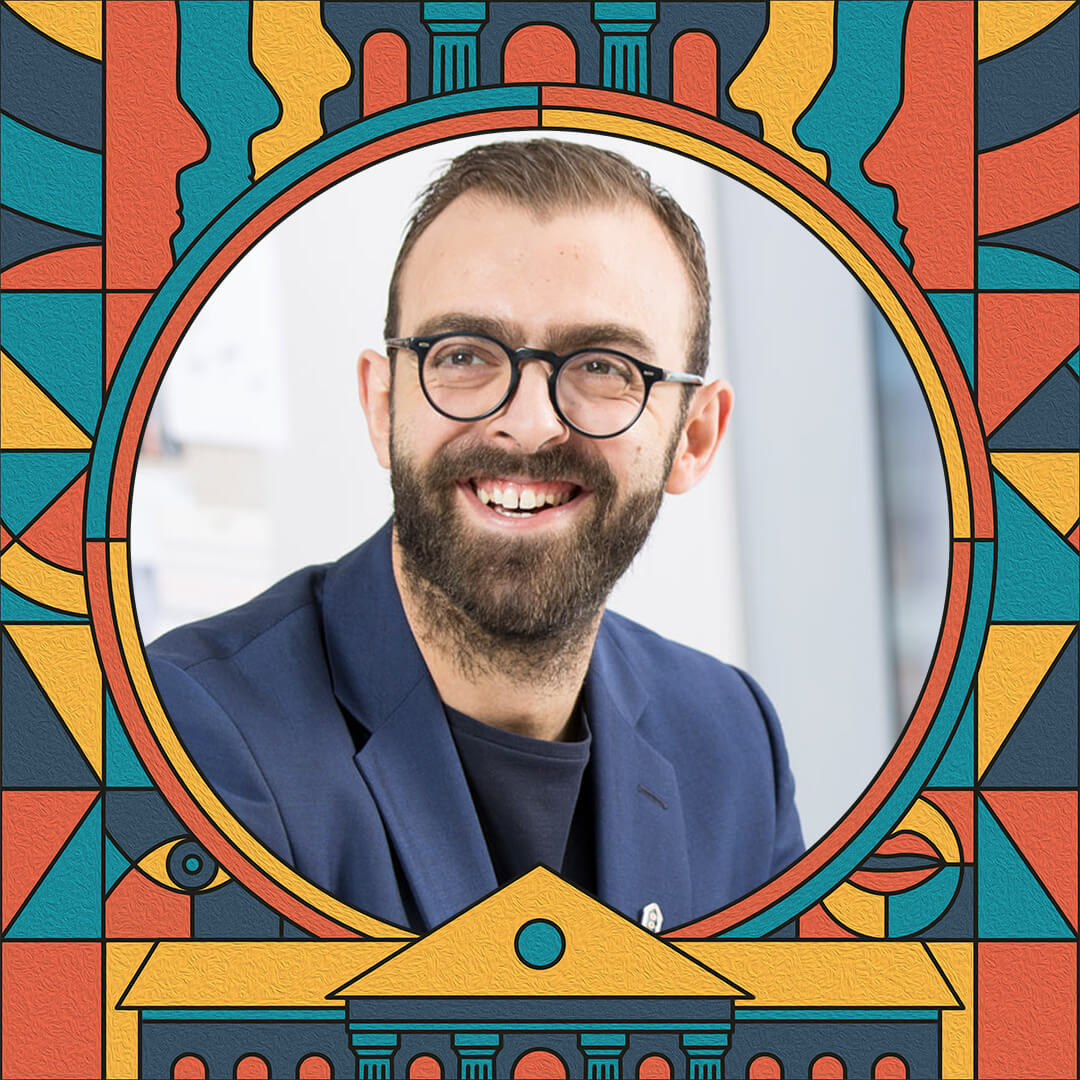
Abby: Hello and welcome to Matters of Experience. My name is Abigail Honor.
Brenda: And I’m Brenda Cowan.
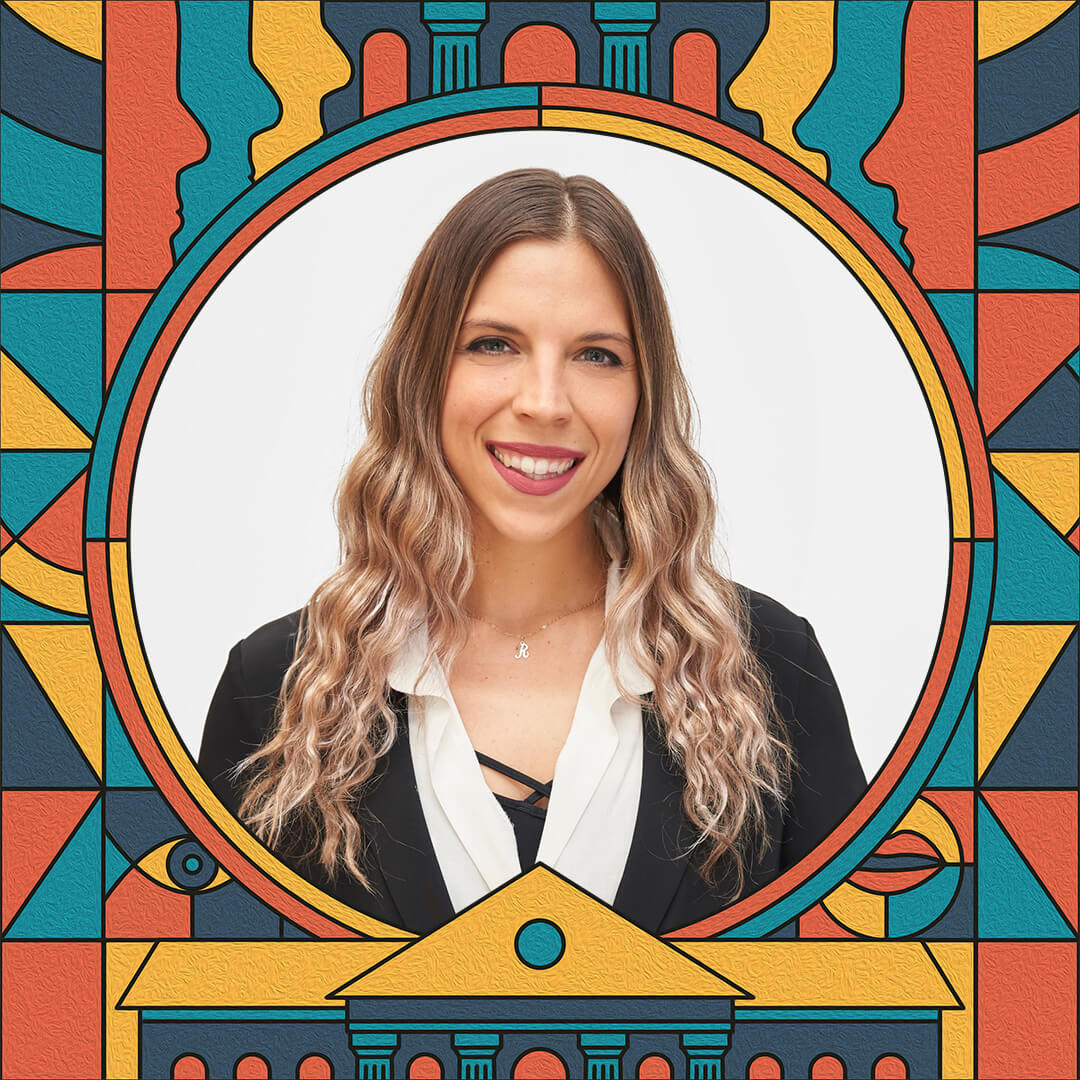
Abby: Today on the show, we’re focusing on experiences in the metaverse. Yes, another heady topic in its early stages, but never afraid to shy away from a hot topic, I’m excited to welcome Raina Mehler, Pace Gallery’s director, where she has worked for over a decade. Among the many things Raina does at Pace, she’s part of Pace Verso, the gallery’s Web3 hub.
And prior to this, she was part of the founding team who created and launched Superblue in Miami. It’s a new enterprise dedicated to producing and exhibiting large-scale immersive art installations for ticketed experiences, definitely a must see for everyone traveling to Miami. Raina is an emerging authority in the pioneering field of experiential time-based art and the Web3 space, seeking to bridge the gap between fine art and NFTs.
Brenda: So, let’s start at the beginning. Raina, what pulled you into the fine art space initially? And well, why is art important to us?
Raina: I actually got interested in art very early on. I went to a liberal arts Catholic high school, which is kind of an oxymoron, but I was able to take classes on ceramics, photography, drawing, and art history, and I was much better at the writing and art history part than art. But I saw from a very early age about the importance of art, the significance of it, how it can enhance lives, and just how, you know, it really conveys contemporary life.
And I studied art history in college, and I got a masters in it, and I worked in both museum and gallery worlds and ultimately, you know, preferred the gallery route because I really love working with living artists and having the opportunity to talk with them and figure out the best way to execute their artistic vision.
Abby: It’s interesting, Raina, you and I actually share similar heritage in terms of I also went to art school. I studied painting, actually.
Brenda: I did too.
Abby: And Brenda did too, so we’re all budding artist wannabees. And so can you sort of elaborate a little bit? Tell us about your perspective on the importance of art to humanity.
Raina: Yeah, definitely. I always go back to the very first painting of humanity in the cave of Lascaux, those handprints, and how even very early on, our ancestors were acknowledging their existence and who they are, and what they were seeing. And I think that also coincides with technology. You know, we developed tools which was integral to our survival as a species. And so for me, art and technology has always gone hand in hand, in a sense, and it is an important part of our evolution.
And I just remember when I learned about how dictators and authoritarians banned art and were burning it and destroying it. It really, for me, was this, like light bulb that went off because it showed the power of art, especially the power of, you know, abstraction in a sense, too, and the way that we can interpret it and all get meaning from it.
Brenda: It is definitely telling that when, you know, a society is being upended, art, education, books, literature, those are the first things that get attacked. And I think that it is not only because it’s where original thought exists and where cultural and individual expression exists, but it is also where intellectualism and ideas and idealism exist.
Raina: Yeah, and I also just find it so interesting because artists, you know, they just have this innate motivation to create. And I also think we as a species have this like hunger and drive to see things and experience things and to experience them with each other.
Abby: Yeah, that’s interesting you bring up that innate need to experience things together. I think it’s fundamental when you think about art when you think about visiting an exhibition. I think deep down there’s this shared connection, the shared bond that we want to have with each other. I think there’s something at our core that needs to be satiated by these group activities.
Brenda: No, absolutely, and I think the things that elicit wonder and awe, they absolutely promote and prompt pro-social behavior. It’s just built into the human animal.
Abby: I think that was one of the big things during COVID that a lot of us experienced was you didn’t have those shared experiences anymore. How did it affect you, Raina, personally, and how did it affect you in the workplace?
Raina: It’s interesting that you said, you know, you didn’t have that shared experience, and I really think that’s when digital realities became more important in our life, is because of COVID. There was a shift from going to the office and having meetings in person to having meetings on Zoom. And you’re seeing everyone’s faces, right, but you cannot read their body language.
And also, the way you remember is different. One way that we remember things is through like spatial awareness. And I just find that really interesting because when you’re in a meeting, you remember things that were said based on kind of the spatial and audio awareness, which you really don’t get in Zoom. And I think that’s a really interesting thing that’s being developed with VR and headsets and stuff like that.
But going back to COVID and how that personally affected me, I was working at the time on, you know, a ticketed experience and we had to do everything over Zoom. But honestly, a lot of the artists that I work with live in different countries around the world. So I’m very used to having to log on to a screen and have a meeting and figure out things.
And I think the biggest thing was not having any kind of human contact and having to do everything virtually. And I think it made it a lot harder. I mean, you get Zoom fatigue. You’re sitting all day. It was back to back meetings. It was really exhausting in some ways. And I think it, you know, it hindered the ability to have like a free-form brainstorming session.
Abby: You were into digital before COVID, though, so what sort of drew you to the darkside? I’m joking, jokingly referring to digital as the darkside, as it’s one of my favorite places to be. But in my work, I’ve been interested in that balance that you mentioned between technology and art and how they collaborate together. So what interested you and still interests you about digital art?
Raina: Well, when I first started working at Pace, one of the first shows I worked on was teamLabs’ first exhibition at any Pace location in 2014 in Chelsea, and it really was like a game changer for me and inspiring because the way people were interacting with it compared to when you go and are looking at contemporary painting – and I just want to, you know, before I get into this, I love paintings, and I love photography, and I love sculpture, but I think that the generations growing up right now with like a phone in their hand, they’re more open in a sense, to seeing it as fine art rather than this like inferior medium of digital media.
And, you know, after that show, I wanted to work with all of these interdisciplinary art collectives because I do feel like there’s a shift from wanting to possess something or own something versus wanting to experience it. And there’s been this huge, you know, just a lot of excitement about the experience economy. And I think, you know, sometimes immersive and interactive installations, they allow you to participate and to have that experience with somebody else in a different way than looking, you know, maybe at an abstract painting where everyone’s seen different things, whether it’s textures or colors and they apply different mediums.
I think it in some ways allows for this kind of shared connection and also this idea that the viewer kind of completes the piece, like really goes back to conceptualism and performance art and other, you know, earlier movements. So I really see it coming out of the arc of art history and looking at artists like Bob Whitman, James Turrell, they were, you know, using the medium of their time. You know, Turrell was using these cutting edge like laser photography and started using light. And I think technology’s just ubiquitous in our lives. You know, everyone has a laptop now, everyone has an iPhone and having access, unprecedented access to information like what is happening globally around the world, but also misinformation and how does this all affect us and how will we live and exist in this world when we’re becoming increasingly more intertwined with the digital and the physical?
Abby: You’re so right. Artists working today have so much meat to chew on in terms of responding to the world around us, the situations we are in and reflecting those back to their audience. I think now is a very exciting time to be – a very worrying maybe – but a very exciting time. Just thinking back to discussing propaganda, misinformation. It’s such a fascinating area to immerse yourself into, and as an artist, I think it’s really challenging and a fun challenge.
Raina: Yeah.
Brenda: I’d love to be able to just talk a little bit about the metaverse. I have a really difficult time grasping all of what the metaverse really is and what it means. And I’m wondering, Raina, if you could give us a sort of point of entry to understanding what metaverse really is and also what it can be. And for the sake of our conversation, we can say that it’s a group of technologies that includes VR and metaverse includes AR. But it’s important to note that these spaces don’t have to be exclusively accessed via VR or AR, or headsets. It could be a desktop, a laptop, a game console, it can be your phone. And these are all starting to refer to themselves as being able to access the metaverse, so if you could just give us a quick intro to how do you define the metaverse and then how you see it as a transformational tool and experience.
Raina: Yeah, I mean, how, how I would start off explaining it is that it is a virtual environment that allows for people to have real-time interactions and experiences, you know, across the globe. And as you mentioned, you can experience this through your web browser or in like a VR headset, and you have all these different virtual environments that people can log on to, and in the future, the goal is to really have all of these different metaverses connect and communicate with one another so you can jump from place to place and have these different kind of portals.
Abby: I’m going to jump in here because how realistic is that? Businesses are never going to collaborate. Like, what’s your feeling on that in reality?
Raina: I mean, I think it’s just going to cost a lot of money to have the infrastructure. But ultimately if you’re not pigeonholed to one metaverse, you know, you want people to kind of jump around and go through all the things, and businesses could have theoretically different buildings or spaces throughout the different metaverses, just like there’s chains of restaurants and fashion stores where you can visit them in different cities around the world, you know, you have Chanel in New York and London and Paris. I think it’s just more about who’s going to build this infrastructure that then everyone can kind of benefit and use it.
And I am glad you mentioned companies because for me, I think the biggest concern about the metaverse is that it isn’t just ruled and run by greedy corporations that are feeding us content or things that we don’t even really need or want. And I curated this NFT sale that was about this, it was about inclusiveness in the metaverse, and how do we kind of prevent this cycle that continuously disenfranchises the same group of people and minorities? How do we truly make the metaverse accessible and inclusive for all?
Because that is what people are saying, right? Like about NFTs and the metaverse, you know, it’s for everyone, but in a sense it’s not, right? You have to have the understanding of it, the knowledge, and the tools too. So I think that’s something that’s kind of touted by the Web3 community, but not necessarily true, and I think there needs to be more education about 3D tools in general and, you know, taught in schools and just kind of a massive, I think, education rollout in every community so that it truly can be accessible.
But, think about the future of the world, like where are we going? There’s a lot of concerns about climate. And let’s just say fast-forward 100 years and really go to like a doomsday scenario. Maybe you can’t even go outside during the day because it’s too hot or there’s sandstorms or there’s flooding, and the only way that you can really connect with people is through VR.
And at that point in time, if you can go to the metaverse and see your friends, see your family and connect with them and do things and do activities and see music, that will feel more like the life we know now, right, than being stuck inside all the time, which we totally had a glimpse of through COVID when we were isolated and stuck at home all the time and didn’t have access to the things we were used to. And what effect did that have on future generations?
And then the other idea about the metaverse is very like Westworld, Westworldy if you’ve seen it, is that like literally people’s consciousnesses can be uploaded to the metaverse and like exist and have like their own lives in this complete virtual world.
Abby: Well, you’ve just mentioned a number of very interesting things in terms of like the doomsday scenario where we’re all stuck in our little tiny box with a bathroom, and not even a pet, and everything else is sort of inside the metaverse. I immediately jump to, how am I, are we atrophied and we’re just a brain with some arms lifting the device on and off.
Brenda: Oh now we’re back to, what is it? Wall-E.
Abby: Oh, Wall-E.
Brenda: The movie, remember that? They were on target.
Raina: But you can work out, you know.
Abby: You can. Yeah, that’s true. Well, I’m guessing that we would have a small box we would be able to move in. So, the near future for you. What do you find about the metaverse that is exciting, personally?
Raina: I think the metaverses will become more high fidelity and more realistic, and I think that will make it more interesting to go to, because some of them right now have this, I don’t know, like Sims kind of quality, you know, like cartoony and I don’t know, I can see why some people are kind of turned off by it, but I think it’s going to get more like high-res and high fidelity.
But I think, you know what Krista Kim has been speaking about, and she created a metaverse that’s launching this fall called [0], which is supposed to be super high fidelity and high quality. And she looks at it as this place for meditation and reflection, and higher thought. And I think that could be a really interesting thing is the therapeutic aspect, how like lights and sound could be used to kind of help, I don’t know, just to help people, like whether it’s relax, or meditate or you know, there really hasn’t been any studies into like whether it could help with trauma.
I think going back to art, though, what’s so amazing about the metaverse is that you do not have the same constraints of reality. You’re not refined to scale or weight. You can have things upside down or ever turning, you know, deep in the ground, like high above the ground, any shape. And I think that’s going to allow for really cool architecture in the metaverse and artistic landscapes. I mean, artists don’t need to even be confined to like a specific space, like they can just create the whole space. And I think it’s going to be super interesting to see how the digital and physical will merge through exhibitions.
Brenda: Raina, I’m wondering if the architects who are listening are feeling a sense of dread. How do you think that whole profession is developing and what do you think experiences in general could evolve there from an architectural perspective?
Raina: Well, a lot of architects that I’ve been meeting with are architects in real life, and some of them were super excited because a lot of things they couldn’t realize in real life, they’re able to in the metaverse, because you just don’t have the same limits to reality because of gravity and weight and time and space. You can have buildings that are like in ruins or moving or constantly changing or any material you want.
You can walk into a room that looks like something you recognize with four white walls, but open the window and go out and you’re like, on top of the moon, and I just think the possibilities are endless. And for artists and architects, I think it would be a really exciting time when they’re partnered with the right people to create something just new and something that we can’t even fathom now.
And I think that’s what’s amazing about you know, artists in general. It’s like you give them a tool and they discover something completely new. And I think those, those accidents that will happen in 3D or in the, you know, in the metaverse will be really interesting and exciting that then become commonplace.
Abby: So there’s three things I want to address that you mentioned, Raina. I’m going to go for the first one. The idea of this immersive environment in VR where you have therapeutic sessions for, potentially people with PTSD or who have experienced anything tragic in their lives that they’d like to escape and get well in sitting in these environments. I know of a company called Reulay. They’ve actually done a lot of white papers on this. They’ve created an immersive experience, VR experience that does just as you say. So I think there’s a lot of companies out there now starting to create these relaxing environments, and I think that’s fantastic.
And then you mentioned AR. There’s now been launched by Mojo Lens; They have contact lenses which have the augmented reality on top. I feel, as you mentioned, that this technology goes incredibly quickly. So I could imagine coming into Pace, popping my lenses in, and off I go with those amazing, incredible artistic overlays that are AR, maybe it’s also supplemented in some way by VR, and then in putting on a headset, who knows, that’s for the artist to decide, but I think it’s going to get there incredibly quickly.
Raina: Yeah, no, I completely agree. I mean, Meta partnered with Ray-Bans to create these AR glasses that actually have a camera inside it and it’s so small that you can’t even see it. And they can take a photo or take a video. But yeah, I think it’s going to develop quickly, and just like all tech it will be super expensive at first and then, you know, everyone’s going to have it pretty soon. Just like the iPhone.
Abby: Yeah, yeah, I know, completely. And then talking about architects, you know, we work closely with architects when we’re designing our experiences. And even if I think internally to Lorem Ipsum and our staff when we’re building out our 3D spaces, they use completely different software to what our architects are using. I feel like the metaverse is very multidisciplinary. What happens internally with us is we have our renderers, we have our 3D modelers, but even they are starting to have to use gaming engines and work out how their software can collaborate with an Unreal, for example. Like it’s very complicated from a technological perspective. It’s not just, oh, just build it in the metaverse. And so there’s a real deep understanding and a whole team, is what I’m getting to, that needs to be able to create these things.
Brenda: Well, this brings me to something that, you know, I think about quite a bit, honestly, when I think about these new tools and technologies. I’m really curious about co-creation, though, between artists and museums, but also if you see visitors, the broader public, also supporting, informing, you know, the subjects of the museum’s content or the experience’s content as well as the shape of the environments, the shape of the experiences. How much is co-creation on a visitor level and on a public level, do you think is going to play into the future of, you know, the kinds of spaces that we’re talking about?
Raina: Yeah, I do think co-creation is a huge part of it, especially in the beginning of a new, like, genre, I guess in a sense. Because I even think about the interdisciplinary art collectives that I work with, you know, there is kind of a head or a duo or something that are the head creatives, in a sense. They think about the content, but then they have on their team engineers, sometimes architects, mathematicians, CGI animators, AV, IT. You really need so many different levels of expertise to create these immersive multimedia installations or even digital realities. And people really have to collaborate and partner to execute something and I think, you know, as the public goes to view it, there are these layers of education that is needed.
Like I just think about sometimes when you go to shows, you get this email kind of like telling you no running or, you know, this might have flashing lights and could cause a seizure, like, I don’t know, just kind of like the warnings and rules, which is like the really unsexy side of it.
But then you also have the meaning behind it from the artist, which is more of a concept. And that explains to you, like if the intention of it is for you to lay down, or the intention is for you to stay in it for the full cycle. And then there’s often people on site that explain to you, how do you interact with something?
And even, you know, in the metaverse there are these like live chats with people that can help you navigate through it and also explain to you how you can run or jump or move, and even with the metaverse, like, I think there needs to be ethical rules, and people should really understand their privacy settings. And, you know, you can, you can give distances about how close people can get to you or like where’s the freeze button or the exit or stuff like that, like that seems so simple, but like in the moment, if you’re feeling shock, you really want to understand how to get yourself out of the situation.
Brenda: That’s such an extraordinary arena of thought. How do you think an ethos will evolve that protects people and that enables people, like you’re saying, to know how to behave and to have, sort of, guidelines of what’s appropriate. And you know, what isn’t appropriate.
Raina: One thought is you don’t really want a world, right, where there’s Big Brother oversight. Is there a world where you have like AI moderating the universe, just looking for, like, certain words, you know, or actions or something that then it can like pause you, or you can get warnings. But then, yeah, who develops that sort of system?
I, at this point don’t really know. I just think that this sort of governance system should be a group of people, but like from every ethnicity, you know, every kind of background, female, male, self-identifying, male self-identifying, female, like every single person needs to have a voice in this to figure it out and decide.
Abby: So looking at the art world in general, embracing the metaverse, these new digital realities, tell us from your perspective what’s working and also what’s not.
Raina: Yeah, I think, you know, because of COVID, we saw this really huge emergence of the online gallery and online viewing rooms and art fairs. They all became virtual. And I think, you know, from the gallery perspective versus like an NFT marketplace where artists can upload their work, you have no control over like who you’re next to, and there’s just like, on some of the sites, like hundreds of images next to each other, and it’s very overwhelming. And I think as a gallery or a museum that’s doing something virtually, you know, you really need to consider the whole experience of how one moves through the space, what artwork is next to another, how people can read about it. You really want to be, I think, really user, user friendly. And also on brand with your gallery or institution. I think it’s important to show quality art. I think it’s important to have curated content. And to you know, have shows that have a purpose and convey the issues of our, of our time. It should be meaningful and thoughtful and not just random and spontaneous.
Abby: And what about the role of the curator, then? How is that going to be different in the metaverse?
Raina: Curators are always so important. I see them as mediators of, you know, mediators of art. You know, they, they mediate between the artist and the viewer, and I think it’s going to continue to be a significant part of that dynamic. Curators kind of explain why something is important or significant. They contextualize it, and it’s a really important part of the whole process.
Abby: Yeah, Raina, I think that ultimately as we move into the metaverse, my takeaway is it’s still about stories, it’s still about connecting at a base level, it’s still about connecting with each other. Whether we’re in a dystopian future or not, at least what happened back in the caveman times is still needed today, that idea of communicating with each other our emotions, our feelings and telling stories.
Raina: Yeah, I see the metaverse as the next step in our evolution, and it’s going to help preserve contemporary life. It’s going to allow us to imagine a different future without the restrictions of reality and, you know, going to be the next step that allows us to kind of transform and transmute.
Abby: Well, Raina, thank you so much for joining us today. And for everyone listening, please write in with your thoughts, comments, or suggestions. We really want to hear from you. Email us at [email protected]. Thanks for listening.
Raina: Thank you so much. I had so much fun chatting about the future of the metaverse with you.
Brenda: It was fantastic. Thank you so much.
[Music]
Producer: Matters of Experience is produced by Lorem Ipsum Corp. Please tune in next week for another conversation. Thank you all for listening.