[Music]
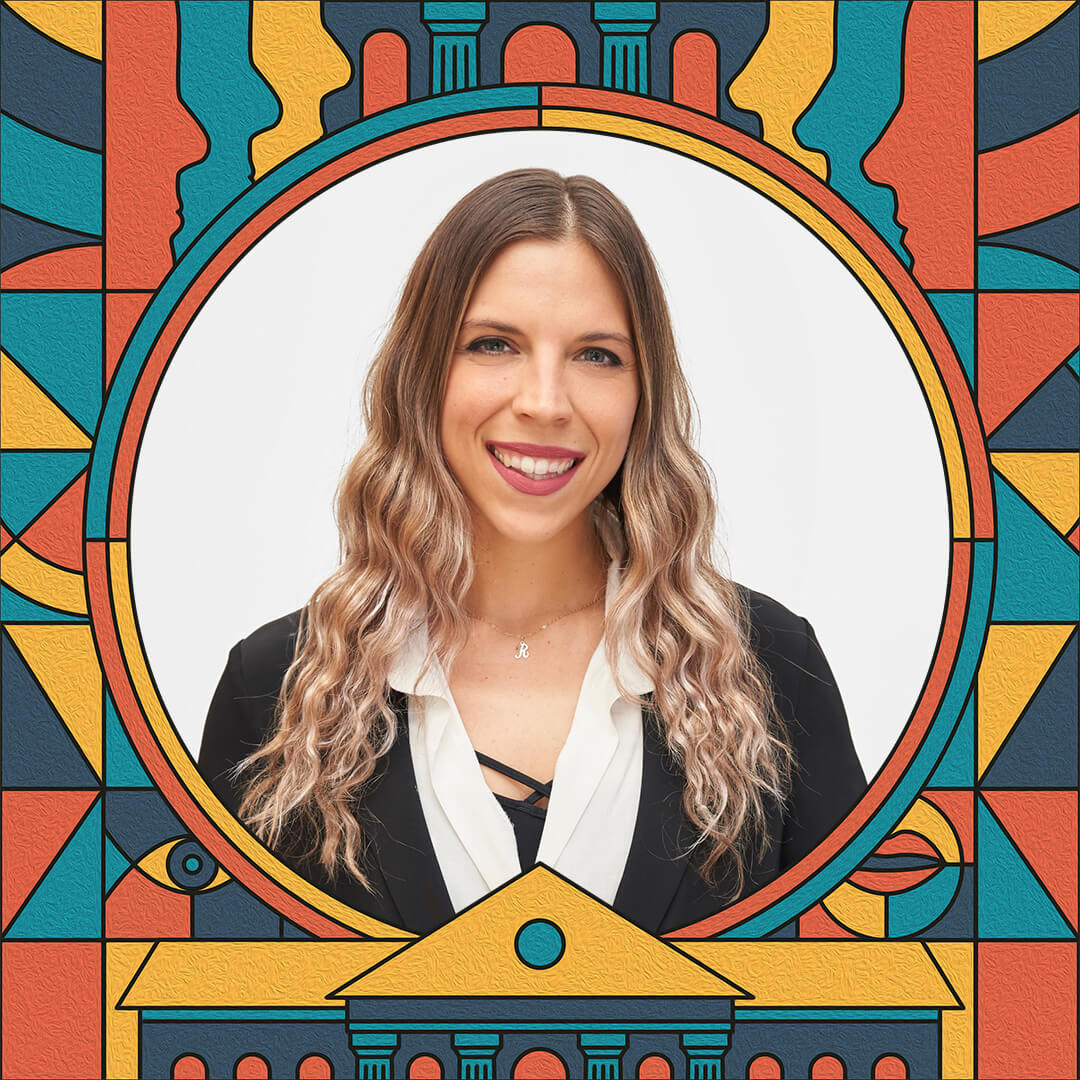
Abby: Hello and welcome to Matters of Experience. My name is Abigail Honor.
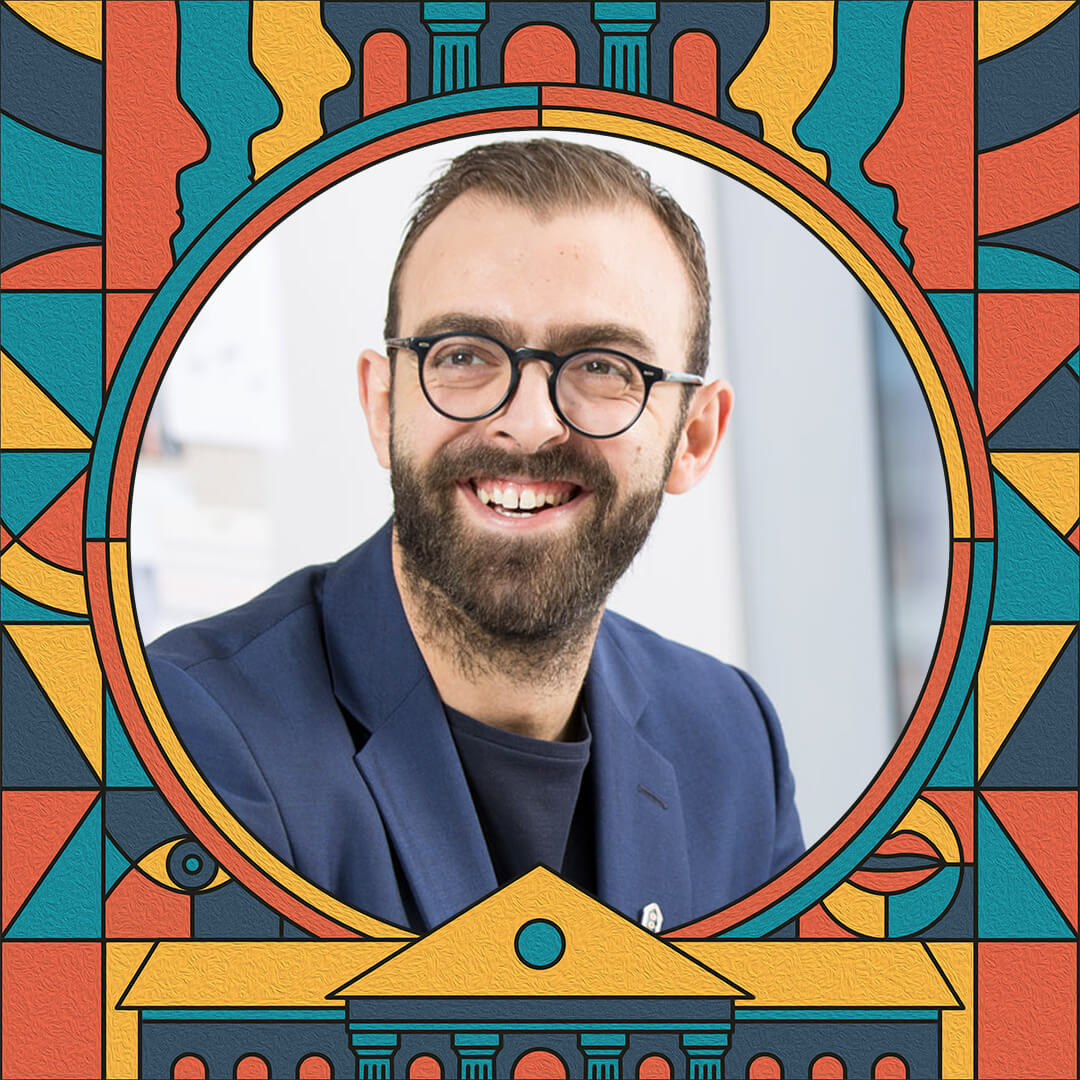
Brenda: And I’m Brenda Cowan.
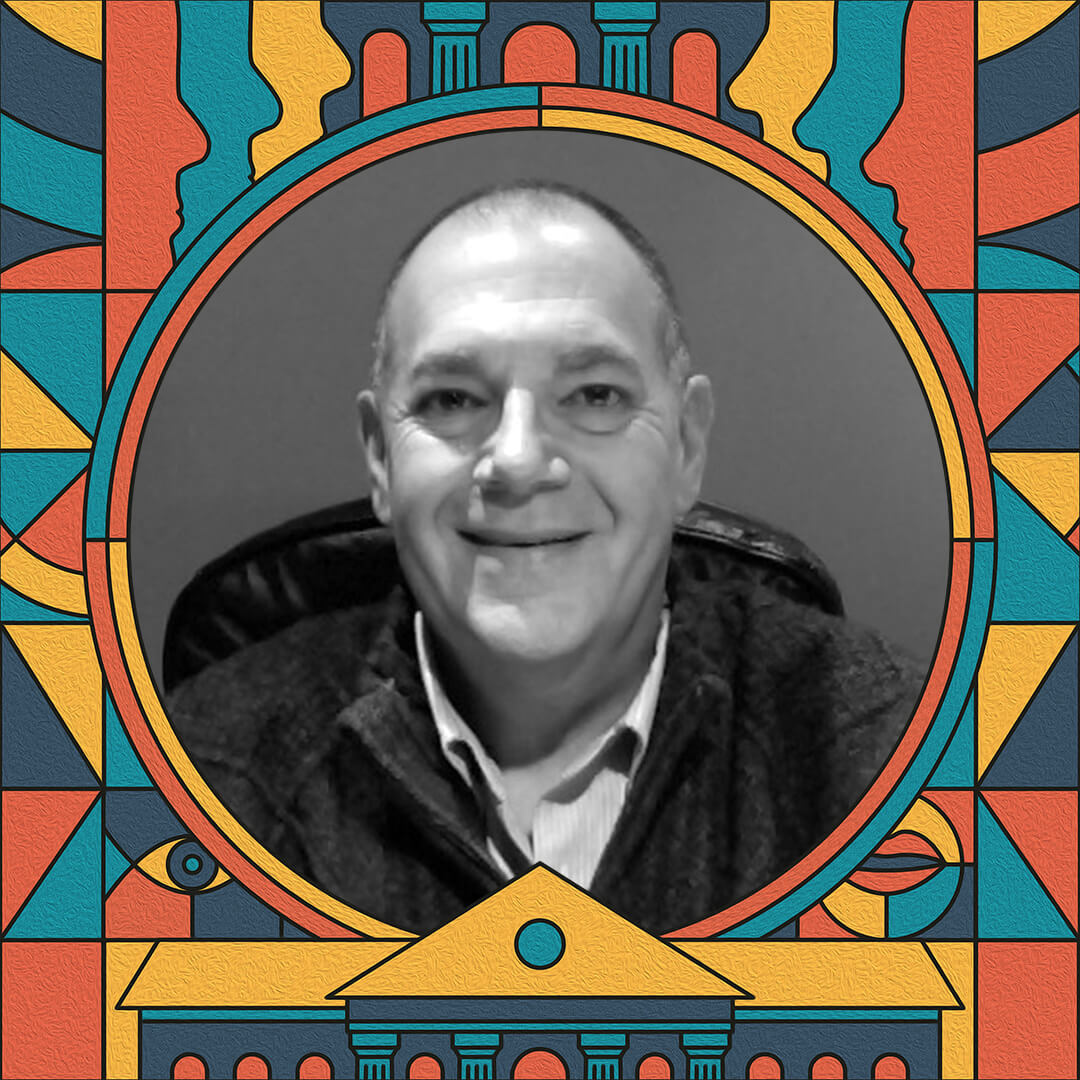
Abby: Welcome to this week’s podcast, Taming the Wild Beast with our guest, Rob Cohen. Rob is VP and general counsel of Display Supply & Lighting and its related companies. He is responsible for managing all aspects of the business as well as the legal affairs. Yes, Rob is also a lawyer. Rob has also helped to launch and sell off a variety of startup companies so he has a range of experiences throughout the business world.
Rob, this is a pretty formidable resume and an interesting path into our industry. I look forward to learning more. Thanks for joining us today.
Rob: Well, thank you for inviting an aging man to share some thoughts.
Brenda: Rob, for our listeners, could you share the work that you do in the exhibits industry and how did you get here?
Rob: I guess my story is just like everyone else’s with a little sarcasm there. In 1996, while practicing law and wanting to get back into the business world, I had a group of clients that were willing to back me to buy a company. And then I found a small company that manufactured clamp-on arm lights, and it took us ten months to buy this little company.
And then three years later, we pulled off merging three significant companies together to create what is known as Display Supply & Lighting. We sell supplies products, lighting products to resellers of folks that build and design trade shows, as well as all types of experiential environments.
Abby: So, what happened to you then? Your trajectory changed to sort of running a business, right? Were you the CEO, were you at the helm of it?
Rob: I was the CEO of the company. I actually hired my father to work for me, which is a very, very strange thing that I can talk about in therapy someday. It was a good three years together that we got to spend while growing the first company and living through everything from after acquisition, finding out that the seller had lied to us and that there was a big manufacturing defect that existed, to growing the company, expanding its product base, and learning a new industry at the same time.
Abby: So it sounds like you started the company, and you already had a business ethics issue close at hand.
Rob: That’s great insight. And I also found out that the person I bought the company from withheld inventory from me and competed against me for a period of time. So, learned a lot of lessons very quickly.
Brenda: Rob, you have a formula for success in business practice. So, what do you mean by success? Are we talking financial success or something more intangible?
Rob: There are lots of ways of defining success. And if you asked me this question two years ago, I wouldn’t have been ready to formulate the response, but my dear friend Brenda Cowan pushed me and asked me and was kind enough to request that I write a piece for an upcoming book that she’s working on for the museum industry. And I came up with a really simple equation to hopefully explain success, and that was gratitude plus ethics equals success, and success comes in many forms.
Certainly there’s monetary success and if we’re in a for-profit business world we have to drive profit. But along with that comes customer satisfaction, company longevity, satisfaction and opportunities for our employees, as well as industry impact. And I think all of those collectively are elements of what I think of as success.
Brenda: Rob, where does this formula come from? You are, of course, a lawyer, a business owner, and I know that your Judaism is an important part of your life. Does that come into play here as well?
Rob: It certainly does, and I don’t want to be preaching religion. I’m a very traditional person. My upbringing, a family business, taught me to always be thankful to customers. I had parents who instilled in me to appreciate what we have and to always give back. My ethics go back, I think, to my immigrant great-grandfather, who is a founder of an organization down in Rhode Island called the Providence Hebrew Free Loan Association, which gave interest-free loans to new immigrants.
My religion has a teaching and a book that’s very close to me. The book is called Ethics of Our Fathers, and this particular teaching states that the world is based on three pillars: study, prayer – and interestingly, the Hebrew word for prayer is also the Hebrew word for work – and also acts of loving kindness. So being grateful for what we have and helping others in need is a cornerstone for so many faiths.
And I think if you take those and incorporate them into your work, again without preaching, you can have a really good ethical base for how to go about running a business.
Brenda: I think that it’s a really important model, the fact that you’re willing to talk about it as a part of your business world and the work that you do and everything. I mean, I think that there’s a really good teaching in that, that we’re whole people. We don’t just turn on and turn off who we are.
Abby: My kids go to UNIS and it’s really not about how well you do. It’s about what kind of a person you are; who are you holistically in this world? And I think Rob, that’s really important in business. It’s who you are from a 360, and what you bring to your business should be all of you, should be the same as when you’re at home and all of those values.
I think that people who think that it’s about making money any way they can end up completely unfulfilled. Let’s talk about Albert Camus’ quote that “a person without ethics is a wild beast loosened upon this world”. Is that how you feel in terms of business ethics?
Rob: I would think so and I’m not a perfect person. I want to be really clear about that. But I want to be around other people who are good people and who want to make our industry better. And fortunately, there are a lot of those people in our industry, which is really quite like a family in many ways. And I can appreciate and respect them for their beliefs.
They can appreciate and respect me for mine. We can know that we’re all going to fall down at some point and make a mistake, and we can say, as long as you’re there to correct the mistake, we can continue to work together.
Abby: So let’s say you have a employee who favors the blame game, they are never to blame for anything and they can talk their way out of everything. How do you handle that?
Rob: I try to have a straight-up conversation with them and say, listen, we all make mistakes. The important thing is admitting to the mistake, working together to see how we get through the mistake, and make sure that it doesn’t become a pattern.
Brenda: Rob, nurturing good relationships is obviously a huge part of your ethos and I’m curious specific to the exhibits industry. I’m wondering is there something particular about our profession that makes these kinds of good relationships particularly challenging?
Rob: This is an industry that’s very much in the now. I need this now. Time is everything. And people are under that pressure, and things can get personal when you get in the heat of the moment. We also travel a lot together and socialize together on the road with these people. I urge the members of my team, even though this is business, to go and create personal relationships with these people, get to know them, relate on a personal level, and show that you care.
I enjoy just as much checking in with colleagues on their families or personal problems that may have struck them as I do trying to sell the next project. And, you know, people remember you if you just act as a good person, and that brings with it opportunities. So relationships are critical in my book.
Abby: Another thing I think is critical is trust. In my business, we’re always looking to make sure that our clients and our colleagues can trust that we’re going to deliver, can trust on the quality of what we’re going to create, and can, you know, trust that we stand behind everything that we’re creating. And with that, obviously, there does come a little bit, as you said, tension in the moment as you’re installing or as you’re turning on the technology, which can sometimes be a little fickle.
You have to sort of take a deep breath, take a step back and understand and believe that it’s all going to be okay at the end of the day, because I think we get very overwhelmed in that moment, Rob, and it’d be interesting to find out how, sort of, do you have any techniques to help the team see the bigger picture when they’re in the rabbit hole?
Rob: It’s a great point you make about trust, Abby. We even take a selling philosophy within our organization, and we’ve taught this to our team and they use it that when you’re presenting to the customer, tell them we can be one of two things. We can be a vendor and we can sell you product when you want product. But our value comes when you allow us to be a vendor partner.
And when you give us insight into your project, and you share about your vision with us so that we can then share alternative strategies and alternative products to bringing your vision to life. When we are in that rabbit hole, the first thing that that we teach our customer service people is solve the problem for the customer. Don’t worry about who’s going to pay to solve the problem.
There are times when products are just defective. There are times when there are programming issues. There are times when there are lots of things that can go wrong. Solve the problem, and if we have a real partnership, we’ll be able to talk with the customer afterwards and sort everything out.
Brenda: Rob, I’m curious about the past few years, the COVID years, and I’m wondering, have the COVID years presented any opportunities in the exhibit industry or, you know, has the decimation of so many businesses sort of challenge the idea of altruism as a means to success?
Rob: Sadly, I think that the COVID years have actually afforded an opportunity to build deeper bonds within the industry. All of a sudden, people have time on their hands and some chose to go hide in their rabbit holes. Others chose to get involved a little deeper, and getting involved was on different levels. For me, I had never been involved in federal advocacy work, and this afforded me the opportunity to demonstrate a sincere and caring dedication, I hope, to the industry.
I also observed many groups that formed that met on Zoom to support one another. People were talking about everything from am I going to be able to keep my doors open to, as things came around, have you heard about things like the employee retention tax credit and how you can go about applying. Also, taking the time to reach out one-on-one with people in the industry and stay in touch created deeper, more sincere relationships.
So those were three things I was thankful for. We were very fortunate in our company that we had a big chunk of business that we had landed outside of the industry before COVID hit. So, we were able to do that while still staying in touch with the industry and keeping ourselves financially healthy.
Abby: As a business then, Rob, it sounds like being able to pivot quickly and being able to leverage different opportunities sometimes outside the industry, that brings, you know, most bang for its buck that that’s a good thing and something that you would encourage businesses to always do, so all their eggs are not in one basket, so to speak.
Rob: Yeah, you said my least favorite word, Abby, and that’s pivot, because I don’t think anyone should be pivoting. I think that they should have a broader landscape of how they conduct business from the beginning. We’re fortunate in that even during economic downturns pre-COVID, we never had more than 7% of our business with any single customer. And that’s an important thing to understand, is the diversification of your customers, because if you have a concentration with a particular customer or two particular customers and they fall on financial hard times, then your goose is cooked along with theirs, and the more you can spread that risk out over a wider landscape, the more insulated you are from the financial success or metrics of your customers.
Brenda: How do you then, how do you advise a startup with this frame of thinking, folks who are only just starting to build a client base and get themselves established? Can you give any particular bits of advice to how to actually begin to create, as you put it, that broad landscape?
Rob: Don’t just focus on slaying the big dragon or, you know, to reel them in as a customer. The more you can put small pieces of business together with more customers, the more solid of a foundation you’re going to have. You’re also spreading, you know, your risk with smaller bets, so to speak. If I can place $5 bets with 20 customers rather than one $100 bet with one customer, I have a much better percentage rate of success in all likelihood.
So spread that risk out as much as you can. And yes, that may take more work on your part to begin with. But if business was easy, everyone would be an owner.
Abby: You have to have a certain appetite to be an entrepreneur I think, Rob, and it’s a very…
Rob: I don’t know if it’s an appetite or craziness, you know.
Brenda: Well, Abby, what’s what’s it for you being a business owner?
Abby: It’s craziness.
Brenda: Okay, so it’s craziness for your part. Okay.
Abby: Definitely enjoying a bit of craziness. So in terms of building a business, you’re an entrepreneur, as Brenda mentioned. Yours essentially was a sort of startup, Rob, in the very beginning. Sales teams. How big is your sales team now, and were you it at the beginning?
Rob: Oh, I was the chief cook and bottle washer at the beginning. I’d go from writing orders to strapping packages together in the back at night, and I remember when the box company delivered boxes, they would drop them outside in the parking lot, and I had to walk them up a flight of stairs.
I still think it’s important for the business owner though to always get their hands dirty. It’s not that you’ve become the CEO and you just wear a white collar all the time. When I’m out in my office in Illinois, I like to make sure everyone at headquarters understands the fact that there’s no job I’m not willing to do. And I make sure I spend time in the warehouse, working with the guys, assembling product, working with the team, and in stocking shelves.
The guy who empties the garbage cans, I try to find one night to walk around with him while he’s emptying the garbage cans. And it’s not just to empty the cans, but it’s for me to get to know that person a little bit better as well. I think that’s, that’s pretty important here.
Abby: But Rob, that all sounds wonderful and like a harmonious, amazing place to work and we all want to come and work for you, but what about…
Rob: No, you don’t, because you got to listen to me, too. That’s not that much fun.
Abby: What about when you’re trying to protect your employees because maybe you didn’t have enough money in and so you’re taking a pay cut yourselves or you’re taking some hits that you don’t necessarily want to share. I know open communication is really important, but sometimes from morale perspective or any sort of particular reasons, you may want to hide things from your colleagues, from your team.
Rob: I’m still a lawyer, and I do believe that there’s still a difference between stockholders and employees. And we have to find that correct balance of what do you share and what is not out there to be shared? You know, I don’t think that necessarily our employee base is entitled to know what my partner and I make financially. But at the same time, that’s only fair if the employees are all being treated fairly, both from a normal compensation standpoint, as well as bonuses based on the success of the business.
That’s an individual line that has to be drawn. When we merged the companies together, I found that nothing was being shared before from the bigger company and I had to sit down and explain to the folks that worked in the warehouse what all the widgets cost to make the component, because many of them had the understanding or belief that if we sold a product for $75, we made $75.They didn’t understand the cost equation and what was a gross profit margin and how valuable all these little pieces were. And when you drop a piece of glass and it broke, that cost us money.
So, education of the employee and understanding the business is important. They’re not going to understand every aspect of the business, but certainly taking pride of ownership for their portion of it, I think is critical.
Brenda: Abby, I’m curious. I want to ask you a question actually, as you’re listening to Rob and his works in the exhibits industry and a lot of the trade show and corporate interests, now you do a lot of work for museums and non for profits. And I’m just curious what’s resonating with you or are there things where you’re kind of thinking inside that fabulous head of yours, well, it doesn’t really work across the board though.
Abby: For us, the biggest thing is they want the world, and their budgets tend to get smaller and smaller. When we start a project, there’s a lot of talk about what we can do and what we can achieve, and then when the rubber hits the road and it comes time to signing and okay, let’s move ahead, things tend to shift.
Rob: So, it’s interesting because the corollary over to the world I live in, if everyone could just be honest about budgets, we could go a lot further a lot faster.
Abby: Yeah.
Rob: And customers think that we’re asking so that we can increase how much money we’re going to make.
Brenda: Right, right.
Rob: And that’s not the case at all, and so we can be recommending products and technology that fit in so that people aren’t disappointed at the end, that they can only afford this as opposed to that.
Abby: That’s exactly right. We face that all the time, Rob. And I say to people, I say, you’d like a house. We could build you a house for $100,000 or we can build your house for 10 million. How much money do you have? Let us approach even concepting with that in mind.
Rob: When we get the benefit of going in and speaking to students in the industry, we try to teach these students right from the beginning about the partnership and that it’s okay to share budgets. Their clients are investing in their designs. They have to be investing in the right technology, too, and quality of product.
Brenda: Well, Rob, let me also just throw out a big gratitude to you for all of the work that you do with with students on the undergrad and on the grad level. What do you say to folks who think that that is nice, but really not of benefit to you and perhaps doesn’t equate to the time that you spend.
Rob: One, I’d let them know that I think the most important thing we can do is give of our time and help teach and educate. It’s critical to be giving back and whether you’re doing a sales presentation and teaching, whether you’re at a conference and giving up your time to speak of an area of expertise or stepping into a classroom on the graduate, undergraduate, trade school level, high school level, all those things are critical. And what we have to share as participants of an industry can go a long way to help molding the future of the industry.
Abby: I don’t think we do a great job, or we haven’t in the past of sort of promoting our industry. You know, when clients think that they have a new job, they’ll maybe go to an architect, or they’ll go to an agency. One of the things I feel is that they don’t necessarily think about us, and we are the ones with all the experience in designing these immersive, pun-intended experiences.
So Rob, how can we do a better job of advocating for our industry and letting people know what we bring to the table in terms of all of our services?
Rob: You can join the great trade association, the Experiential Designers and Producers Association, the EDPA and become a part of a new initiative of theirs, which is the future workforce. This group, which I am a part of, is actually developing slideshows to have members of our industry go out and reach out from the trade school level on up to talk about our industry and all the jobs that are available in it. From working in a shop and bringing carpentry skills and electrical skills to the show floor or shop floor through project management, account management, design, and letting them know that there’s this great hidden industry out there to be a part of. And by the way, we’ll be more than glad to tell you about employers in your area.
Abby: But it’s not sexy. Architects have this aura about them, and when people have the purse strings, they do want to emotionally spend. They want to be associating with people who seem to be very uber-creative and dress a certain way and act a certain way.
Brenda: Glamour. Glamour sells.
Abby: So how do we make ourselves a little bit more endearing or at least competitive with with that group?
Rob: Glamor sells, but you invited me for a reason on a podcast and there’s no…
Abby: You’re saying you’re not glamorous, Rob Cohen?
Rob: No. This is a face for radio.
Brenda: Ladies and gentlemen, he’s going to be here all day.
Rob: There is a sexy aspect to the industry. You get to travel. You get to see new places. You get to meet new people. You get to have great experiences. We have to talk about that as well, and we have to talk about how sexy it is to create and then see our creations. From a museum standpoint, how wonderful is it to sit back and actually watch people partake in the experience?
Abby: Tell me about a recent project that went well and personally why you felt a lot of gratification.
Rob: I’ll talk about the biggest one we did, which was several years ago. We got called in by a very large customer. They said, Could you help us to update down at the old Atlanta Braves baseball stadium known as Turner Field, The Coca-Cola Bottle out in left field. So we want to bring technology and life to a 50-foot-tall Coca-Cola bottle.
I said, sure we can. And then I ran back and grabbed my lead engineer and said, how the heck can we do that? And we got brought in to meetings with our customer and people from the world of Coke, and we helped to bring along a realistic vision of a 50-foot-tall Coca-Cola bottle with changing colored light in it with a ten-foot-tall 360-degree LED screen, custom built to the contours of a Coca-Cola bottle for the label of the bottle. And inside the bottle, they kept the guts of a dumbwaiter, an elevator, that brought fireworks to the top of the bottle whenever the Braves hit a home run or won a game, and they shot fireworks off, which we took an exclusion in our warranty on our products, too.
But to collaborate with so many different people, we had never done anything like this before in our lives, but we joined in with a team and pulled it off, and it was a great project that, to this day, people still talk about even though the stadiums gone and they moved on to a new stadium, and the bottle was taken apart and thrown away.
Abby: Oh, did you have to end on such a sad note? Well, it obviously lives on in a lot of people’s memories, and I just really want to do a shout-out to those phone calls from clients and you say, yep, we can do that. And then you turn to your team and you say, how the hell can we do that? I love those moments. That’s when I feel the most excited, the most alive when we’re given a challenge that’s never been done before.
Rob: Absolutely.
Brenda: Rob, I wish we had all day to talk with you. And I want to give you a hearty thanks for your time and for sharing with us. This has been wonderful.
Rob: Oh, thank you, Abby. And thank you, Brenda. I truly appreciate and am honored to have been asked to be a part of your podcast. And I hope that your listeners can at least find one tidbit to take away and help them to grow their businesses and careers.
Abby: Thank you so much, Rob.
[Music]
Producer: Matters of Experience is produced by Lorem Ipsum Corp. Please tune in next week for another conversation. Thank you all for listening.