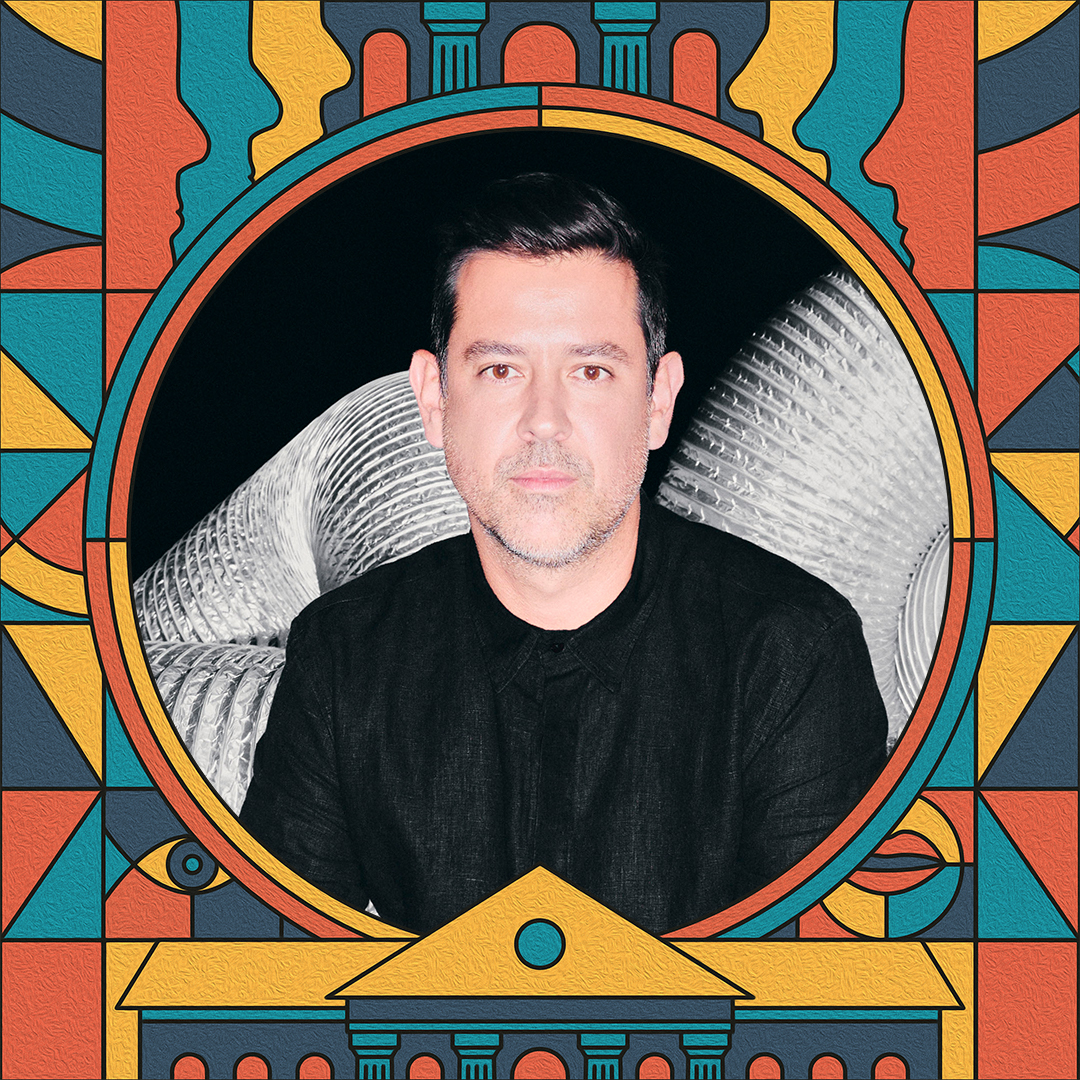
Spencer Luckey doesn’t just build playgrounds—he sculpts experiences that invite curiosity, joy, and exploration. In this episode of Matters of Experience, hosts Abigail Honor and Brenda Cowan sit down with the artist, designer, and president of Luckey Climbers to talk about the intersection of play and public space. Spencer shares what it’s like to grow up inside a creative legacy and how he brings imagination, engineering, and poetic thinking to his large-scale climbing sculptures. He also opens up about the role of play in design, the creative tension between form and function, and how architecture can encourage not just movement, but wonder. For designers, educators, and anyone who believes space should spark emotion, this conversation is a reminder that play is a serious—and joyful—part of human experience.
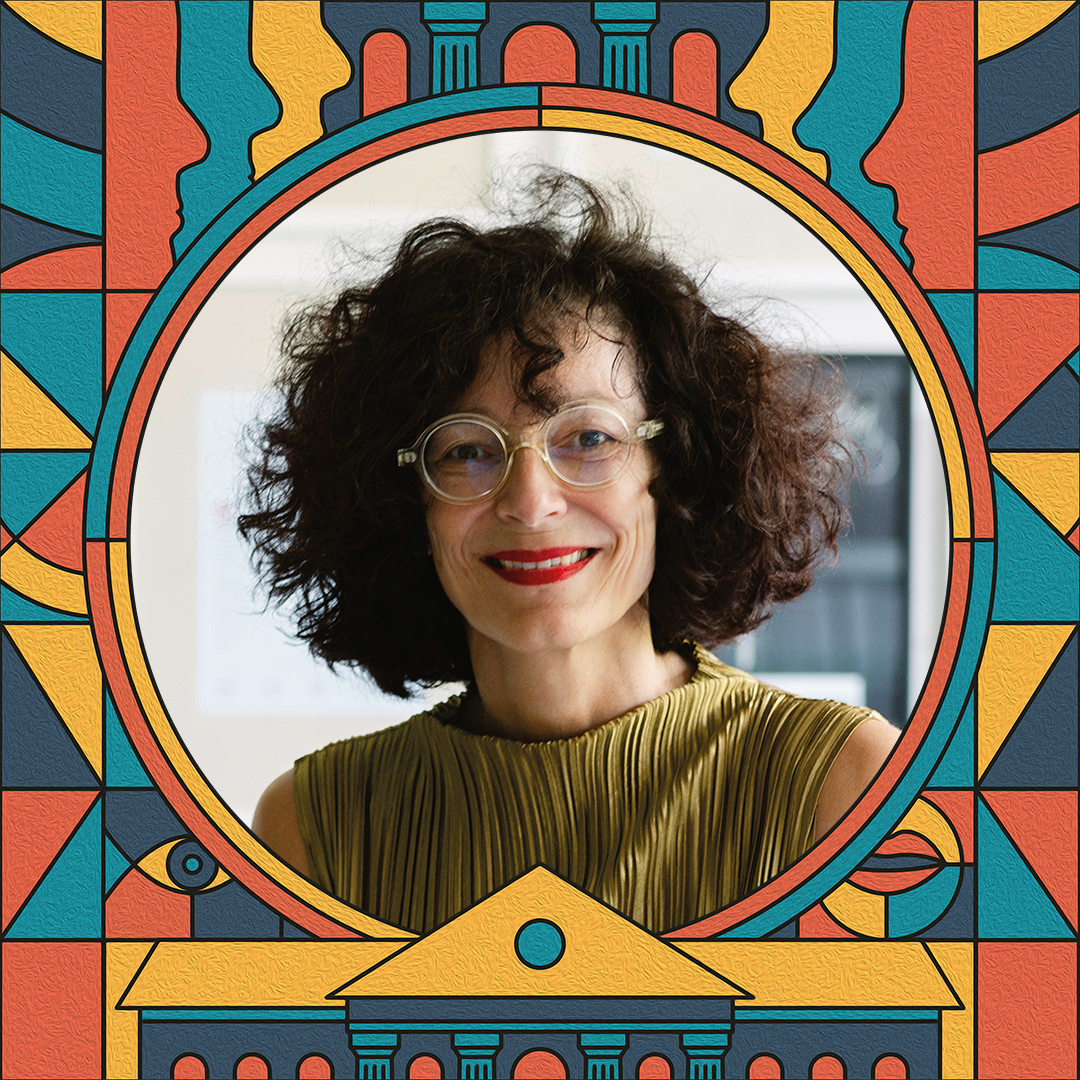
Where Stories Becomes Spaces
Design can do more than communicate—it can captivate, transport, and transform. In this episode of Matters of Experience, Abigail Honor and Brenda Cowan sit down with Shirin Frangoul-Brückner, founding partner of the globally acclaimed design studio Atelier Brückner. Shirin shares her journey from architecture to experience design, the philosophy of “form follows content,” and how immersive exhibitions—from the Titanic artifacts to ancient Ephesus—use emotion, interactivity, and sensory design to create lasting impact. She also opens up about leadership, guiding clients through vision and complexity, and how her firm is integrating AI to serve creativity—not replace it. This conversation offers inspiration for designers, museum professionals, and anyone passionate about creating experiences that move people.
About Shirin Frangoul-Brückner
Transcript
[00:00:00] Abigail Honor: Welcome to Matters of Experience at Podcast where explore the creativity, innovation, and psychology driving designed experiences and encounters. Thank you for tuning in and supporting our conversation today. My name is Abby Honor.
[00:00:19] Brenda Cowen: Hello, I’m Brenda Cowen.
[00:00:20] Abigail Honor: So today it’s my pleasure to welcome Shirin Brückner to the show.
She is a founding partner of Atelier Brückner, which if you are in our business, you should have heard about them. And if you haven’t, go check out their work after the show because. It is incredible.
[00:00:37] Brenda Cowen: Mm-hmm.
[00:00:37] Abigail Honor: Shirin focuses on new business and management, but is still very much involved in the design process.
Um, in 2024, she was honored as an SEGD fellow and International Recognition for Visionary Leaders whose work sets the global standard in design excellence. And you are one of the Power 10 in the Blue Loop 50 Museum influencer list 2024. Which is an accomplished group of people from our industry. So Shirin, congratulations on all your recent accolades, and I know there’s even more that I didn’t list, but a huge welcome to the show.
[00:01:11] Shirin Frangoul-Brückner: Thank you very much for inviting me, and I’m happy to contribute to this podcast. Thank you.
[00:01:16] Brenda Cowen: We’re so excited to be talking with you today, Shirin, and just to get us kick started. Can you let us know what is it that attracted you to this industry in the first place? Do you have an origin story to share with our listeners?
[00:01:31] Shirin Frangoul-Brückner: Yeah, so basically this is a question which pops up quite often when people ask me, how did all this happen? Yeah. And um, I basically, I grew up in a very cultural, diverse family. So my father is a Iraqi, my mother is German. And in this mix of cultures, this really shaped my worldview and gave me a strong sense, uh, of resilience.
And from a very early age, I learned how somehow to interact with different perspective and also to embrace culture in really many different ways and forms. So also in school, I somehow, uh, was in both in mathematics, logical thinking and in creativity. And this is why I, at the end, I chose architecture and I really felt that is a perfect choice.
I’m so happy with not only with studying this, also in doing this as really this combination of, of logic and art. This is, um, sim, this is a very harmonious way of working and I think the next question is how, where was this big turning point for, um, from architecture to exhibition design? Yeah.
[00:02:45] Abigail Honor: Wait a minute. Let us ask the question. Otherwise you don’t need us. I love that about you. Yeah. My question was, what is it about experiential design that pulled you a little away from architecture?
[00:03:00] Shirin Frangoul-Brückner: It was more of just a, a coincidence I would say, you know? Um, and this was the moment when we got in touch with a client who bought the rights to exhibit, uh, the, the objects of which were found on the ground, um, in, of the sea for of the Titanic.
And, um, he somehow looked for somebody to design this. And, um, this was a chance for us, for me and my husband to, um. To work on this very, um, emotional topic, I would say on this story, which, um, everybody knows from films and I think this was the first real opportunity to somehow apply this architectural thinking to exhibition design on the one side.
But it was also very special that we could, um, focus on a emotional story, um, somehow to put the visitor in the center of experience. And this was somehow, and to tell stories along of different characters and persons. Yeah. And a different perception on one story of very different people. And I think this is, this was the turning point.
This was an exhibition with in Hamburg, in the Spy Hashad, uh, um, and it was the same, at the same time the film came out and, uh, together with this film, it was a really success story. Also having a different approach and exhibition design. Um, not only from the explanations, but also about talking about emotions and people behind that.
[00:04:39] Abigail Honor: When you got this job, did, did you handle most of that work? Did you hire for that work? How did you address the needs of a museum exhibition as opposed to an architectural project?
[00:04:50] Shirin Frangoul-Brückner: Basically, uh, we were a team, uh, of, um, architects and, uh, somehow project popped up and we didn’t have employees or something like that where I was directly after my studies.
And my husband also just finished studies in stage design and somehow with this friends, we. We just worked on the project. Yeah. And everybody brought in his, um, his, his knowledge. And we, uh, also with the background of my husband on stage design, we just put the, uh, visitor in a different place. He’s not looking at a stage, he’s part of the stage, I would say, or working on the stage.
And this, I think somehow this combination, this was how it happens, I would say. Yeah.
[00:05:35] Brenda Cowen: We would love to hear about how it is that Atelier Brückner transformed or moved from more of a small laboratory for scenography and architecture. Into what some would say is a powerhouse of design that it is today. Was it sort of a smooth evolution or were there challenges along the way?
[00:05:58] Shirin Frangoul-Brückner: Please tell us there are challenges. Shirin,
[00:06:01] Brenda Cowen: Abby loves all of the challenges. Abby loves the
drama.
[00:06:04] Abigail Honor: Say smooth sailing.
[00:06:06] Brenda Cowen: You love the drama.
[00:06:07] Abigail Honor: I do.
[00:06:07] Shirin Frangoul-Brückner: I think there are challenges every day. It would be boring if there were not challenges, but um, I think how was the transformation? Um, it’s, I think this is necessary.
That we all somehow move forward and create new things and face challenges. And if you ask for challenges, I cannot remember one. You know, because this is what we’ve overcome and forget and we should not keep them in mind. Um. Of course there was a lot of crying and uh, problems, but, um, but this is not the center of our thinking.
We are looking for the success. We are looking for the solutions. And I would say I’m also a very solution driven person. I don’t stay in the problem. I immediately think in possible solutions because only this brings us forward. I think, and this is one of my personal strengths with which I could contribute to this, uh, to the success of the company, I would say,
[00:07:04] Abigail Honor: That’s, that’s great.
And actually a lot of the, the leaders or the people who head up companies have that attribute and skill to be able to look straight to how do we solve this and move forward, always moving forward. Um, so I’ve heard you say form follows content, um, and you’re very dedicated to storytelling. So I’m interested to sort of chat about the idea of storytelling in the work you do and how that’s evolved over the last, let’s say 20, 25 years for you.
The process.
[00:07:35] Shirin Frangoul-Brückner: Yeah. I think when we started. Um, somehow storytelling did exist in, but not in exhibition or museum, not in classical museums design. It was more in, in, in theater or in films and all that. And we somehow moved from this purely didactic fact-based display design. Yeah. Um, to somehow a more immersive and emotional journey.
What, which we want to convey to, to our, uh, to our visitors. And it’s really the goal somehow that we engage with all its senses. Um, yeah. And, uh, somehow connect deeper on a really deeper level. Uh, with the content, and I think this is what also what stays in mind for the visitor. There’s also, of course, this question, what are the trends at the moment, um, in this, in this direction of storytelling?
And what I really see now, it’s a big shift towards participatory experiences. Um, so. Things like role play games or interactive storytelling or highly customized journeys for, um, special target groups. Yeah. And this is something which, which really, um, um, attracts people. Yeah. And also makes content, uh, accessible for, for, for everybody, I would say.
So even interacting with real guides, with other visitors with the space itself. Um, the, just interaction and exchange with physical people. I think this is something which really touches everybody and which somehow brings stories alive.
[00:09:20] Abigail Honor: Oh, that’s really interesting. Can you talk to us a little bit though, about the senses? Because these experiences really are, to be truly immersive, have to trigger all the senses. Can you talk about a couple of projects where you brought in smell or touch and, and why you decided to use those?
[00:09:34] Shirin Frangoul-Brückner: For example, the Ephesus Experience Museum. It’s directly in the ancient historic, uh, archeological site in Ephesus.
And here we created a digital journey, a visitor center through the ancient Ephesus in earlier times. So we somehow bring this, the artifact is the historic place. Yeah. And we somehow bring this artifact alive and, and try to. Try to explain to, to the visitor, uh, what did happen, what kind of, uh, uh, experience was it would have this been in these times for the people who lived during these times? Yeah. And I. We are, in this case, combining a visual storytelling, a large scale media production with a sound and interactive elements, but, uh, where the visitors really can see the history, but also they can feel it by stepping it into, and we, in this case, we created a lot of smells who somehow address not only the seeing and the hearing, but also the, the smelling of the surrounding in these times.
And I think I. The multisensory design, it really enhances the storytelling. It’s making it more tangible and emotionally powerful and leaving really long lasting experiences. Yeah,
[00:10:53] Brenda Cowen: Well,, the sense of smell in particular has this direct link with memory, and I can imagine people going into that experience and being able to be very, to be opened up to this broader experience and this history and the story that you’re crafting and also probably connecting a lot with their own memories and seeing the relevance between this history and even their own lives, um, and how they think.
[00:11:21] Abigail Honor: Can you talk a little bit about, because this is a problem we face all the time, so I’m like, great, I’ve got, Shirin, I can ask her exactly what they’re doing, what sort of groups you are talking about, and how you shepherd them and give them a unique journey that addresses their needs.
[00:11:35] Shirin Frangoul-Brückner: I think, um, there are different tasks and if I talk about target, um, audience driven experiences, often this are children experiences. For example, in the Grand Egyptian Museum, we have a complete, uh, which is a, uh, the Tutankhamun gallery we are designing is a very, um. Very, very object driven, um, experience. I would say only working with, with a lot of light and highlighting the, the stories behind the objects.
And for children, we have, um, a complete gallery where children can understand the society system in these times. Yeah. And understand what it means to be king and farmer and for example, and understand. What was the life in these times? What games did they play? How do they dress? And it’s a very physical experience where where there’s not one real object in there. It’s somehow creating, of course, a space, but a space which where children can interact with the content and with each other also. Yeah. But my favorite exhibition, which we, um, really created is, it’s a very small project, is the dialogue with time exhibition because, uh, this is, um make, making visitors, um, understand what it means, getting older.
And it’s a interesting concept because we casted old guides and these guides, um, somehow lead a group of visitors through the experience. And, uh, then, uh, visitors together with a guide, the complete group sit on a table and they start, um, um, discussing about ideas of being old and the guide tells his story and you are immediately in a situation where you are together with people you never would have known from different social backgrounds, from different, uh, whatever experiences and with come from different directions and cultures and everything.
And I think this is something when we talk about media driven exhibitions, which we did before, and more, um, low tech, uh, exhibitions where we try to really physically connect. This is something which is still something I really believe in. And, um, for all target groups.
[00:13:56] Abigail Honor: Has it been hard for you over the years to, to back away? How much guidance are you giving to the overall creative these days?
[00:14:04] Shirin Frangoul-Brückner: Uh, I would say this is, everything’s limited by time. We have, um, but also in the energy people have and take the jobs, you know, and I think, oh, we are really good in, in empowering people to somehow bring in their cool energy in, in the projects and take responsibility.
But also I think as, um, as a team leader or, uh, it is important to show people the way because I. We are every day facing impossible challenges. Yeah. Even I, if I see what we should do, I think, how should this work? Yeah. But it’s always step back, think a little bit different and, and then find some solution.
I just, uh, remember yesterday, two days ago, I got a call from an international, um, foundation we are working with, they want to have a museum of 5,000 square meters finished in September. Design and realization, high level showcases and all that. So of course you can say, uh, it’s not possible. Definitely.
Yeah. But you also can tell them what is possible. Yeah. And show a way to do it and. And I think this is something which, which is also my role in, in our office. Yeah. That, that somehow to, to, to go a step back, look at everything and really see, um, are we on the right track. Are there completely different ways to do things, um, and make these things possible?
Yeah.
[00:15:34] Brenda Cowen: What has changed and what has stayed the same over all of the years, over the past 27 years? Are your clients, are you finding that clients are coming to you and are really very different now than they were years ago or, or are the dynamics pretty much so the same.
[00:15:51] Shirin Frangoul-Brückner: They are younger. No, but uh, I think, um, it, it did not change so much, I would say because clients, they do museums or projects like that mo mostly only once a time in their life.
Yeah. And this is their project and they have been preparing this for 10 years and now it’s the moment when the designer comes on board and they are excited and, and they are, do it only once and they are not professionals in doing that. Yeah. So, um, I think this didn’t change, um, since, since I’m working in this business.
So, um, we are in very different, uh, situations. We are the professionals and we do it every day. Yeah. So the excitement is different and we need to guide these clients throughout the processes. And these clients are individual persons. Yeah. And we, I think we really need to under need to understand what, what are the positions of these people? What do they want? What is important for them as institution, but also as an individual, also a team member, director or whatever, on, on, on client side. And I would say that did not change so much throughout time.
[00:17:07] Brenda Cowen: People are people.
[00:17:08] Abigail Honor: One of my questions to you is, as you’ve grown and matured. Um, in this business, um, do you ever say no to a client or what are some of the things that you wish you could tell your 20 plus year old self that you do now that you didn’t use to do?
[00:17:22] Shirin Frangoul-Brückner: We are not good in saying no. So I am also facing sometimes the situation where I think I would really like to step out of this process, but, um, I also can say, uh, the, when we overcome this and the result is at the end good. I’m glad that I did not step out. Yeah. So I don’t try to do this. I try to, to really go through and, and, uh, finish the job with the best, what I can, we can contribute as company to the project because, um, I think in every project we are facing. The moments where, where it’s not so easy and uh, the question is when it’s getting so hard that you want to step out, is this and why not? Yeah. And, and everybody has a different level there. And, uh, so I. Sometimes it’s also simple because, uh, the contracts usually we as, um, as, as, as designers, we are not in a position to step out. Only the client can do this. So it’s very clear we mm-hmm should not think so much about stepping out, think about getting through and doing the best, I think. Yeah. But yeah.
[00:18:36] Abigail Honor: Funny. Yeah. There’s no way out. You’re locked in. What do you, um, as you’ve grown the company, have you had any more free time?
[00:18:43] Shirin Frangoul-Brückner: No, uh, I’m not a person who has free time. If I have free time, I have a new project. So I’m, uh, somehow, um, always active and, and looking for possibilities and, and somehow to bring myself and the company forward. So it is even not a target for me to have free time. I, I invest time for what I think is important and this is, uh, the freedom. I, I have, I would say, and this is, I would like to get this more.
[00:19:12] Abigail Honor: Yeah. Oh, well, that’s great.
[00:19:14] Brenda Cowen: It’s great. It begs the question, what are you currently passionate about?
[00:19:19] Shirin Frangoul-Brückner: I would say there are two answers, yeah?. Um, I’m really professionally, I’m really, um, uh, looking forward to a transforming experience somehow, uh, to provoke, um, curiosity and, um, inspire visitors. Um, I really want to somehow be engaged in, in what I do. Yeah, this is important. And it’s always also interesting to see after 27 years, where does exhibition design go? Yeah. What is the future? What are new formats? And I would say that I’m looking to a transformation. To bring my team in a position somehow to transform the company to a company, which in the next 10 years can even proceed.
Um, and we are in a process and changing structures and doing that. And it’s really inspiring to see how this works and how to have a team, uh, after 27 years, uh, who somehow, where we can throw around ideas, where we can challenge each other and create something remarkable together. And somehow, um, it’s a joy and that really these ideas always take shape and come to life. And this is what I’m passionate about.
[00:20:40] Abigail Honor: AI. Before we run out of time, how is your company integrating AI into the process of the designs or even the ideation right now?
[00:20:49] Shirin Frangoul-Brückner: Every day. Daily in daily work as we are using it for, um, creating moods, I would say. Yeah. Uh, visually creating moods, um, pre preparatory work, uh, on renderings. Then also storyboards, so mainly technical work. Um, which, where, where a lot of diligence is you is in, but can just be done and then adapted by the designers itself. So it’s, it’s, we use it really every day, everywhere.
[00:21:19] Abigail Honor: Is anybody in your company aware or feeling the effects that AI will potentially have on the 130 people?
Not on all 130 people, but there is. AI helps you push the ball further and you don’t need quite as large teams and you’ll have to remain competitive and efficient. So, you know, what are you thinking or talking about in terms of people?
[00:21:39] Shirin Frangoul-Brückner: I think we, what we have, we have, uh, two people only working on, um, on our ai.
Um, we created, for example, um, an, uh, an own ai, AI who can draw objects. We have of often 15,000 objects, which need to be digitalized 3D to put it in showcases. So we do these things. We somehow try to put all our information in our AI system that we can find the references of showcases or, uh, if somebody asks me, where did we have the showcase detail, ex epsilon, I don’t know.
It’s so, so many. Yeah. And we try to set up something whether I, I really serves our needs. Yeah. And I don’t think that we will have less people. We have just people doing different things. Yeah. We are people, um, taking care about this AI things. Why at the moment they are rendering or waiting all night that the render is done somewhere.
Yeah. Uh, uh, things like that. So the stupid work is going away or is getting reduced. Yeah. But the, the creative work, we still need people and it, I don’t believe that, um, there, there will be less people in office. Um, it’s just different, different, um, directions and different setups. Yeah.
[00:22:58] Abigail Honor: This has been an fantastic,
[00:23:00] Brenda Cowen: wonderful
[00:23:00] Abigail Honor: Shirin. Thank you for sharing with us all your perspective experiences. Um, and yeah, we could go on and on.
[00:23:08] Shirin Frangoul-Brückner: Yeah. It was a pleasure to contribute to, to this podcast and also pleasure to meet you both. Thank you.
[00:23:14] Brenda Cowen: Likewise.
[00:23:15] Abigail Honor: Yep. Yep. Thanks to everyone who tuned in today. Please subscribe for more episodes of matters of experience. Make sure to leave a rating and a review and share with a friend. We’ll see you next time.
[00:23:25] Brenda Cowen: Thank you. Everyone.
[00:23:29] Audio Engineer: Matters of experience is produced by Lauren Ipsum Corp and recorded at Hangar Studios. Tune in next time for more fun discussions about experience design.
More episodes
See all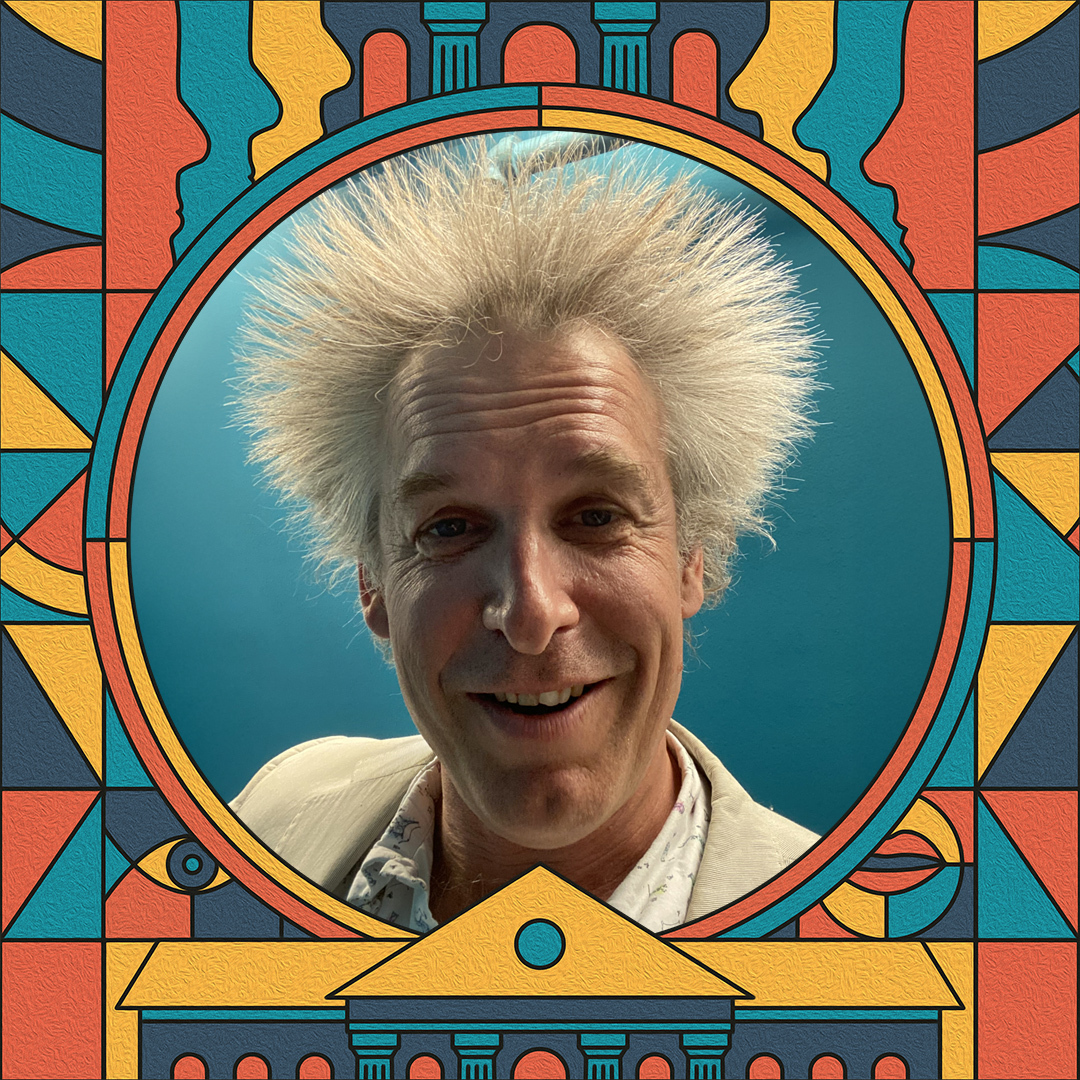
<p>What does it mean to design for dialogue—not just display? In this episode of Matters of Experience, Abigail Honor and Brenda Cowan sit down with Jonathan Alger, founding partner at C&G Partners and a leading voice in exhibition and experience design.</p> <p>Jonathan shares how designing with empathy, navigating creative discomfort, and embracing uncertainty can lead to deeper, more inclusive storytelling. From his work with museums and nonprofits to projects for NASA, Jonathan discusses how personal testimony, collaboration, and trust shape impactful experiences that resonate across boundaries.</p> <p>Whether you’re a creative leader, designer, or simply curious about the thinking behind the world’s most meaningful exhibitions—this episode offers insight into how design can be both a process and a conversation.</p>
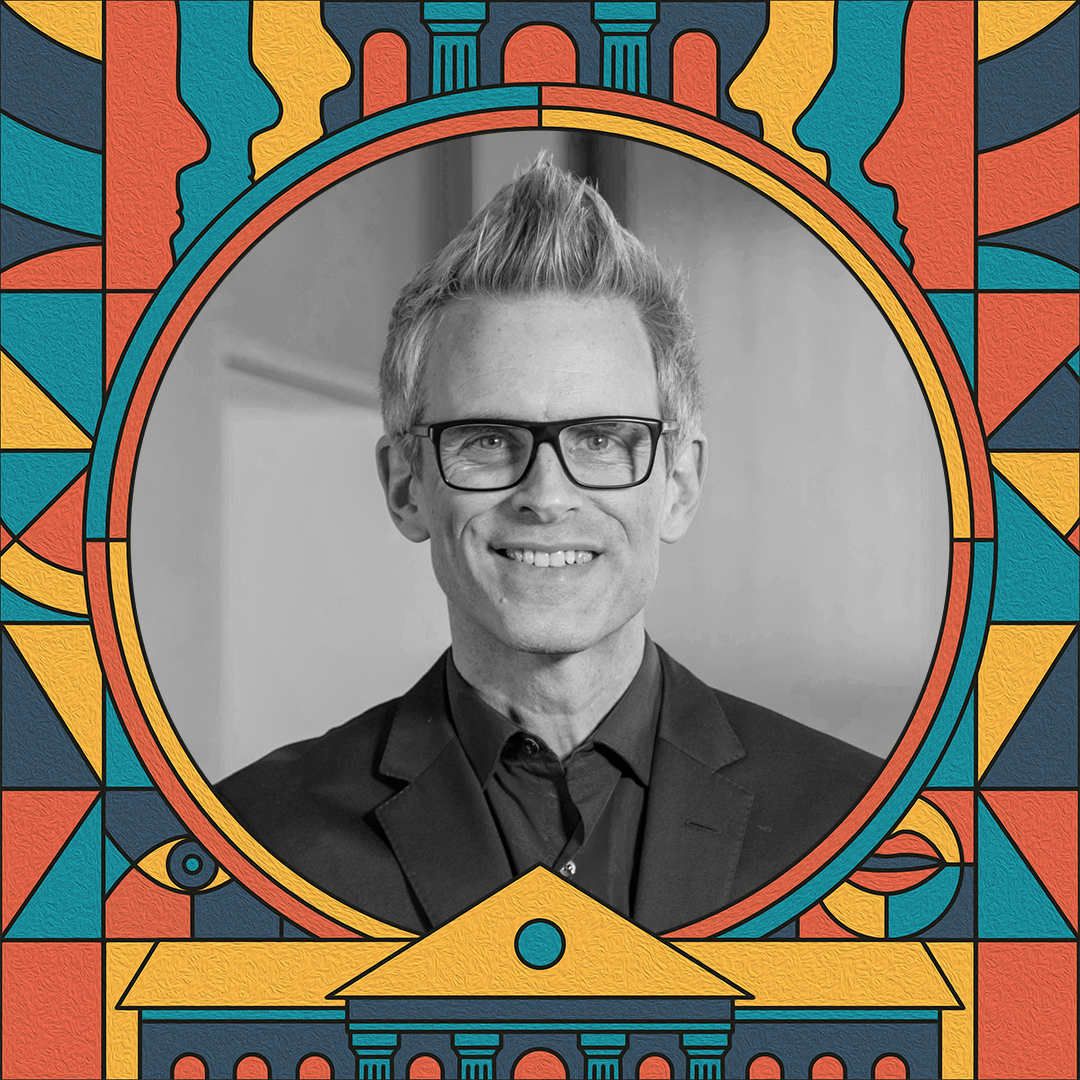
How do creativity and courage shape the future of design? In this episode of Matters of Experience, Abigail Honor and Brenda Cowan sit down with Murilo Melo, a design leader who believes that great design isn’t just about aesthetics—it’s about meaning, connection, and bold decision-making.<br><br> Murilo shares insights on the evolving role of designers as problem definers, the power of taking risks in branding, and how creativity and strategy must work hand in hand. He also reflects on the challenges of balancing speed, technology, and thoughtfulness in today’s fast-paced world. <br><br> Whether you’re a designer, brand strategist, or creative professional, this episode offers a fresh perspective on how to make brands truly matter.