<p>What does it mean to design for dialogue—not just display? In this episode of Matters of Experience, Abigail Honor and Brenda Cowan sit down with Jonathan Alger, founding partner at C&G Partners and a leading voice in exhibition and experience design.</p> <p>Jonathan shares how designing with empathy, navigating creative discomfort, and embracing uncertainty can lead to deeper, more inclusive storytelling. From his work with museums and nonprofits to projects for NASA, Jonathan discusses how personal testimony, collaboration, and trust shape impactful experiences that resonate across boundaries.</p> <p>Whether you’re a creative leader, designer, or simply curious about the thinking behind the world’s most meaningful exhibitions—this episode offers insight into how design can be both a process and a conversation.</p>
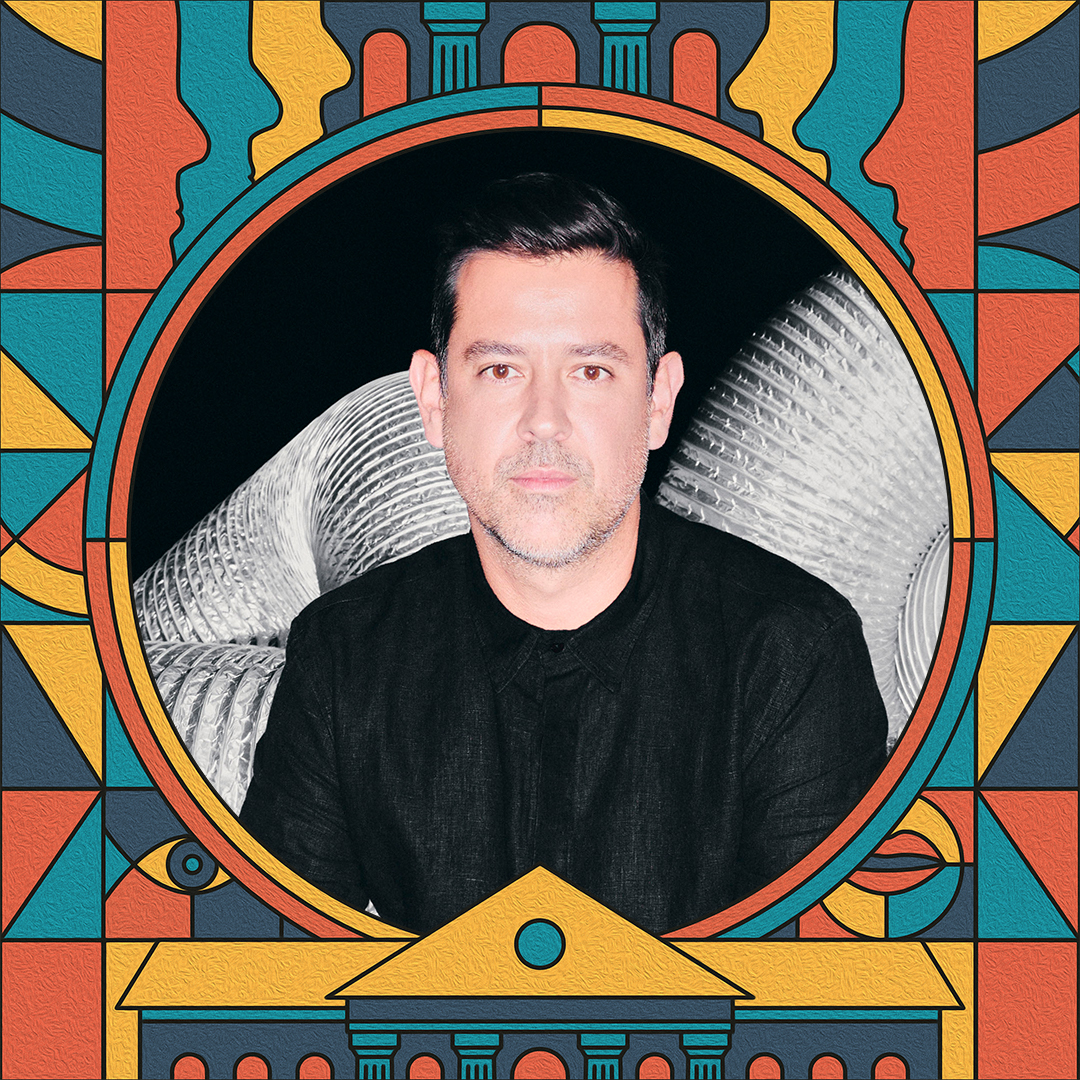
Creativity and Courage with Murilo Melo
How do creativity and courage shape the future of design? In this episode of Matters of Experience, Abigail Honor and Brenda Cowan sit down with Murilo Melo, a design leader who believes that great design isn’t just about aesthetics—it’s about meaning, connection, and bold decision-making.<br><br> Murilo shares insights on the evolving role of designers as problem definers, the power of taking risks in branding, and how creativity and strategy must work hand in hand. He also reflects on the challenges of balancing speed, technology, and thoughtfulness in today’s fast-paced world. <br><br> Whether you’re a designer, brand strategist, or creative professional, this episode offers a fresh perspective on how to make brands truly matter.
About Murilo Melo
Show notes
Transcript
[Music]
Abby: Welcome to Matters of Experience, a podcast that explores the creativity, innovation and psychology driving designed experiences and encounters. If you’re new, a hearty welcome, and to our regular listeners, thank you for tuning in and supporting our conversation. My name is Abigail Honor.
Brenda: Hello, everyone. This is Brenda Cowan.
Abby: So today we’re chatting with Murilo Melo, who is the global head of design at Gut. He has over 20 years of experience working at agencies like Leo Burnett, Publicis Brazil, and Havas. He’s worked on iconic projects for clients like Coca-Cola, Netflix, Google and Hershey: I’m not a huge fan of the taste of that chocolate, but what I do like was the HERSHE campaign for International Women’s Day, where you showcased female artists of all types on the packaging and across digital.
It was absolutely beautiful and told our story really, really effectively. And you’ve also won awards like such a long list of awards, top national, international festivals like Cannes Lions, D&AD, Effie, One Show, Clio, the list goes on. And now your career is most definitely climaxing as you join my design jury at New York Festival Advertising Awards this year, as we have the opportunity to review and award the top talent in design experience design for the past year, which we’re going to talk about later. Murilo, welcome to the show.
Murilo: Thank you so much, Abigail. Thank you, Brenda. And after this introduction, I might call you for every meeting I do with my team.
Abby: We’re available. We’re available. I’ve never been to Brazil. I’m right there.
Brenda: Oh my gosh. And I’m right there with you. And what is so delightful is that you make it very easy for us to be very enthusiastic about your work and what you do and where you’ve been. I’d love to dive in and get us kickstarted with thinking about what it’s like to design for iconic brands, iconic brands that are household names around the world, and even through your design work, how it is that you’re at once thinking on a massive scale, right, globally, but also about everyday people, everyday lives. Can you tell us about how you craft messages, how you craft experiences that work for the whole world, so to speak, and yet resonate with just individual people? The human scale.
Murilo: Yeah, this, this Brenda, is a challenge because these brands, most of these brands we are talking about, they are loved brands and people love brands, people connect with the brands, they talk about it, they’re reacting to their social media. So, when you’re working with these kind of major brands around the world, it is a responsibility to know what to do. But also the payoff is amazing because of course you have great minds at the brand side, from the marketing team, from the, even the design team inside the companies, and I feel this is important. I’m super respectful for what the relationship between brands and people, and the goal is always to be impactful in a good way, because people, people get it, you know, when you’re pushing too hard or when it’s not related and you’re just doing something to call the attention. So, what I try to do, and I think it really works, is to be true to the brand and to the consumers.
Abby: That’s really interesting.
Brenda: What does it look like to be true to the consumer? Like, is there a way of thinking about the person so that we can resonate with, you know, the brand with them? Is there a particular like headspace that you get into, or is there a method?
Murilo: I don’t think there’s an established method, but I think it’s something related to, deliver to the people what the brand has to give, because sometimes we see some, some brands, or some communication pushing so hard into a direction that the brand does not represent. They don’t have that commitment inside of their marketing team. And then it sounds fake, you know. So, I think it’s, it’s a kind of a respectful thing. And I think brands are more—they are more aware of this nowadays. We lived at a time, a recent period that anything was worth it to say if it looked good for the brands. And people are not buying that anymore and brands are taking more care. I think it’s something that the market is more mature about, which is great.
Abby: But how do you like, in, like taking Hershey or Coca-Cola, I know a lot of people enjoy Hershey, lots of people enjoy Coca-Cola. How are you putting yourself in the mind’s eye of the consumer? Do you look on social? Are you seeing the way they talk about the brand, what they like about the brand? How is it that you know how to successfully address that consumer? Words to use, visuals to choose, or concept to make the campaign about? Do you know what I mean? Because you’re over there, you’re in Brazil, you may or may not like the brand you’re working for. So how do you bridge that gap?
Murilo: Yeah, for example, the Hershey’s campaign, HERSHE, it all started with the finding that on the name and in the packaging, you have “her,” and you have “she,” which is nice, a nice finding, and we are all excited about that. But we’re like, what are we doing with this? Like, are we just saying, hey, there’s “her” and “she,” here, congratulate woman. Well, I don’t think that’s enough. But that’s kind of what I was saying before, like why, why are you saying that?
Then we took a step further and say, hey, we should elevate women, her, artists, she writes, her poems, her paintings, and then bring the community in. And like I was saying, inside the company at the time we worked on this project, there was, a department that was, the leadership was filled, I mean, majority of the leadership was women. So, it was all true to the brand, but it came to the consumers to be part of that. And the initiative really worked because it has a large scale of showing the artists and making a gallery and exporting the idea to many countries. And the community got excited because we can, you can do these kind of things, and the community refuses, and that’s okay, it’s part of the job. But it was interesting for everyone. So, I think when we got into that place, we said, well, we are actually doing something relevant, influential, and not only communication or advertising, you know.
Brenda: Yeah, it was a dialogue.
Murilo: Yes.
Abby: When you think about design, it can mean a lot of things. It’s a huge umbrella, right? There’s visual and communication design, digital and user experience design, UX, product industrial design, environmental experiential design, marketing, advertising design, fashion design, spatial design. So, talk to us about what your focus is or what types of design you’re drawn to in your sort of everyday life, so not necessarily what you put out, but what influences you.
Murilo: Yeah, sure, and design is everywhere, is in everything. And that is hard for us that are obsessed about design because it’s like, where do I look? So, I mean, I live in a constant, like, overwhelming about everything that is being done, especially now that we have access to everything throughout social media. And it’s too much, actually, because it’s too much good stuff that you see, interesting stuff and it’s hard to follow everything.
But what really caught my attention and what I like, I love the most when I talk about design and talking about the day by day, is when I see design connected to creativity. And it could sound redundant because it is a creative expression. But when design is connected to a creative purpose or something behind it, I think it’s, it elevates the creativity and the creativity, it’s really beneficiated by design.
I’ve been seeing a lot of luxury brands on social media, and they’re working so well with design, and animation, and kind of unusual things visually. And this is, is more interesting for me at least, than what we saw in the past that was kind of a blasé thing, something more distant. So, I mean, it’s a random example, but I think creativity elevates design, and since my day-by-day work is—I have a design studio inside of an advertising agency, right? So, my sweet spot in curiosity in my heart is between this connection: design and creativity coming to impact and to amuse people.
Brenda: We had a wonderful conversation a while ago with Zorana Pringle, who is an expert in creativity. She does research at Yale, and I really appreciate listening to you talk about creativity right now and its relationship with design and also thinking about how it is that creativity is kind of like a muscle that we exercise, and it sounds like, you know, when you talk about imagination, when you talk about inspiration, when you talk about creativity, you very much so are bringing a lot of that, you know, that muscle to the table, if you will, which certainly must make a big difference, or at least it seems to result in some pretty remarkable projects.
So, thinking about some remarkable projects, one of the things that I was really curious about was about pitching to clients. And I’m curious when you know that you truly have something special to share, what’s it like when you know that you’ve really created this amazing idea, and is there a trick to getting everybody else on board?
Murilo: That’s a good question, and I wish I had the trick answer, but I think it’s deeper than that because it’s a construction. In the past, I think designers from, especially from this environment, advertising, creativity, branding, they were often seen as finishers of an idea, right, like executing, developed the concept, so let’s put the design team now that things are coming right. And this perception is shifting. For me, it already shifted completely. So, designers are no longer just problem solvers, they are problem definers. So, they help shape conversation before a single visual idea is created, and this is where I think is the heart of the, the thing when you want to, let’s call it sell a design piece. You got to show the relevance before because it’s a business decision because it’s important for the brand to create value. And then I show you the idea of how doing that. And it’s not just like, being a showman, a showwoman in presenting, but about making the client realize how important the design is for its brand or its projects.
Abby: I have a quick, quick sort of build on to that because we’ve had some experiences where we’ve pitched something, a concept, and the client initially has loved it, and then over successive meetings, or it even could be the next one, something internally shifted and the feedbacks almost gets 180ed. Has that ever happened to you, when client feedback has started off really onboard to an idea and sort of got watered down, maybe somehow.
Brenda: Something got lost in the process.
Murilo: Yeah, yeah, this is really frequent because the clients, they have more complex structures nowadays, like I think before it was one-on-one, just a team of decision makers and now the big clients, they have a whole marketing team, a lot of layers, and we work with something that is kind of subjective. We sell like ideas and there is risk on that.
That’s why I think the most important thing is to push courage from the clients. It is brave to approve something that has not been done, or that’s kind of not what the brand has always worked on. And we at Gut, we have a methodology which is amazing, which is the bravery scale. We bring clients in and we say, hey, let’s look at the bravery scale, from 1 to 10, and we talk about what is being 10, brave, like living like there’s no tomorrow. And 1 is like, hey, I don’t know if I should. And there are a lot of steps on this bravery scale. And maybe the thing on some projects is to go from 2 to 3, which is amazing. It’s incredible. It’s not being like; I’m going to throw the papers and put my job in risk. No, it’s something, it’s one thing that’s going to maybe be rewarded and then you’re going to jump more. It’s going to make you feel secure and more brave. So, it’s this kind of thing we talk about this with the clients and it sometimes works.
Brenda: That’s such a beautiful answer.
Abby: Yeah, what a great idea as well to get people on board with where they’re coming from, because a lot of our guests talk about boards, if we’re creating exhibitions for museums and lots of different stakeholders, as you mentioned, often 50 up to 100 different stakeholders, all with different appetites for risk, all perceiving the job to be done with different risks involved and wanting to, as you just mentioned, move the needle. So, it’s a really great method that you’ve just described for making sure that at least from your perspective, as the agency, you understand where the client’s risk adversity lies or bravery lies. I think that’s fantastic.
Brenda: It is good. And also, I would imagine that your, your awareness of the consumer and, some of those sort of emotional connections that people have with the products, with the brands makes a big difference.
Murilo: It’s super does, and we live in a world that it’s possible to test and learn faster. You can try with a small group, you can try it on social media and see how, how is the appetite of people, if the client is a low score on the brave scale, it is a way to start, like, let’s push the tone a little bit and try this with this group. Well, it’s a good reaction. Let’s amplify. Can we scale that? And when we scale that the bravery will be rewarded. And if it is rewarded, it is something that it’s inspiring. Colleagues, the juniors of the team will say, hey, you look what he did, he, it was risky, and it was worth it. I mean, I’m talking like a dreamer because I believe in this. I think this really works.
Abby: Do you think that being a dreamer, like you’re obviously great, very personable, I would imagine fantastic with clients, very articulate. You just mentioned juniors. Can you teach what you have?
Murilo: Well, I think it’s about trust, intimacy. It’s like everything in life when we are, like, you have to make an impression, you are not yourself, and when you’re not yourself, things sound kind of fake. If you don’t connect, you don’t convince anyone of anything, you know, and that’s not quite easy, because sometimes from the client side or even from inside our team, people are not that open. And how to open their, their hearts and their conversation, and to make this, it’s this kind of soft skill, let’s call it, like that, that I think the world, the world is given so much credit for. Because technically, with all we are seeing the AI things and everything, we are reaching a high level of technical capabilities. But the emotional one, I think that’s the key for these kind of things, you know.
Brenda: The pace at which new design tools are being created have sped up projects, and I’m really curious about whether in your experiences, whether or not expectations have shifted in terms of how like rapidly teams are developing and implementing design work. How do you stay so thoughtful? How do you stay so true to the richness of what it is that you’re creating in an industry that seems to be moving increasingly faster?
Murilo: It is a paradox because it saves us time, but for us to use it and save us time, we have to invest time to learn. But I think we have to find room to, to breathe, to absorb and to use it and to move it to the next round because it’s a cause of a lot of anxiety. I’m really anxious because when we are working and doing great work and I see something coming out and say, hey, should I have worked less on this project to dedicate time for me and my team to learn that? Because this is the future and if you go into that direction, I mean, I don’t know if we can survive. It’s too much. So, I would, I would take a breath and focus on the work. Stay curious, of course, it’s like, it’s essential for our, has always been for our profession, but at least for me, I don’t see myself always working and producing and learning and testing new. I mean, we have to have space for stuff, you know, that’s at least my point of view.
Abby: Well, I think also with, with AI, when you’re making imagery, it’s a whole different way of being creative. So originally, we had pen to paper and it was one way of drawing something, and then you have your tablet and you have your pen, and now we have writing words to create images, which is a whole different mode of processing. And I’m sure if we had a scientist here, when it comes to the brain, like I’m, I’m much more a hold and do, a physical—and so now I’m typing words to articulate an image that I’m trying to get to. But it takes time, and it takes practice. We’re finding it still takes huge amounts of time to get exactly what you want. It takes no time to get something, it’s how well you can start working with it and collaborating with it.
Murilo: Yeah, there’s something kind of personal about this. I realized I have always loved notebooks and Moleskines and taking notes, and I realized, it was something that just came to me, that I was not using anymore. I had forgotten my notebooks, and I was searching already, I was thinking on the computer, so I went to Pinterest, to Google, maybe to ChatGPT, anything and was trying to—and then it came to me in December say, no, no, I have to get back to my notebook. And I bought a notebook, and it was game changer. I dedicate ten minutes, I don’t know, some time, thinking, writing, and then I use the machine and I’m trying to do this with the team, hey, hey, let’s, let’s be like AI-free, computer-free for a moment, and then we go—this step is magic, and it already made a lot of difference in my year.
Brenda: Oh, good for you.
Abby: I have a question for you, Brenda, about your students.
Brenda: Sure.
Abby: So, in a way, Murilo’s getting his team to slow down, and in answer to your observation that everything’s going faster, how do your students do that? Like how do we fight against the world we live in because everybody’s tempted to just go in and do the prompt, which is a—just get on with it, you know. When you’re talking with your students and guiding them through the world they’re about to go into, what is some advice you give them on how to slow down?
Brenda: What I’m able to do with my students is shape an understanding that we’re not fighting, necessarily, the world. The world is, you know, it is changing. It’s developing. It’s growing. The tools are there. They are faster. Ultimately, though, I have a bit of a privilege and I think the students have a bit of a luxury being in the classroom where I can say, we’re going to take a pause right now, and where the majority of the work that I do with them is paper and pencil and it’s, you know, kind of crazy and kind of messy and a little chaotic and very, very creative. And I think that learning that taking that pause, again, like, you know, we’re hearing right now, it’s just simply another tool. A pause is a tool, just like AI is a tool, just like paper and pencil are tools.
Murilo: Perfect, yes.
Brenda: So, what are like maybe 1 or 2 of the projects that you’re the most proud of?
Murilo: We did a project that was really meaningful for so many people. There’s this thing, this, this pain around the world. That is when people are going to graduate, the graduation caps, they are hard to fit into Black people hair. And then our team, which has Black people creating, executing the idea, which of course is their place to think about it, they came up with a solution, said, hey, why shouldn’t we find a designer and make some special graduation caps for all kinds of hairs? And then we said, well, this is amazing. This is a really human thing, and it’s an important moment. It’s about self-esteem, everything. And then we went to talk with a designer, a fashion designer, and he was amazed by the idea. He draw 4 or 5 caps for different kinds of curly hair. And then it was like, it was liquid, people and especially Black people that had passed these into their graduations that work here, they were so excited about the idea. And of course, we were excited too. And then we put it out in the world, and it was amazing. It was amazing. It was really emotional. And now we are actually having the caps into the graduation ceremonies and people are actually wearing them. So, I’m super proud of this, you know.
Brenda: Oh my God, this is amazing. This is, like literally, this is a problem in my own program and with my students when they graduate.
Murilo: It is Grad In Black, it’s called, the project. And we have an open source for these designs. So, the designers did, we have an open source, a PDF where you can just do it anywhere you want. It tells you how to, and it’s there.
Brenda: Amazing.
Abby: That’s incredible. Well, so that’s an example of design solving a big problem. Right? That is super rewarding. So, let’s talk about our design jury at New York Festival Advertising Awards. So, you’ll be joining a number of incredible jury members like Jonathan Alger from C&G and Monica Herman from Giant Spoon. So I’m excited to collaborate with Scott Rose, the president, to add sections in the design category that reflect our profession like experiential activations, branded environments, and exhibition design, as well as all the more traditional design entries, because one of the reasons Murilo, that, at least I and I believe Brenda, want to do our podcast is to really build awareness about what we do. And a lot of that is exhibition design, experience design. And so having those categories now under the design umbrella and be recognized for awards is incredibly important to all of the people making amazing work. So, what is it about these awards that are exciting for you?
Murilo: The jury will see much more work, creative work because the market is wider. The market is asking for more work. So, we are producing more design work, more relevant design work and it will be amazing to see. I’m actually really curious because I think this past year was game changer for design. So, I think it’s our opportunity to learn, the jury and anyone who applies the work. It is something good because people keep consuming, because people see what have beaten them or what they have beaten. So, it’s a time to study. In advertising and design, we don’t dedicate as much time to study as in medicine, for example. And I think the award shows, they have these, these possibility. Okay, let’s see the golds for New York Festival this year, what the jury said the golds are, where are the industry heading. So, it’s something about the future too, because a lot of these great minds coming together to this conclusion, it is something pointing to the future.
Brenda: That is so exciting. Murilo, I’m really hoping you can talk to us about something that you are very, currently, very passionate about. What is—and it could be anything, this is a big, wide open question, but what are you just really, really excited about working with right now?
Murilo: I’m trying to go deeper into the entertainment industry. We are doing a project for a rapper/singer in Brazil, and he has such an amazing concept for his album, and we are navigating through that, how to make content for a musician, and the first part was doing a graphic design, and it’s already amazing because you have to study the platforms, how it will look like in Spotify or Apple Music. But beyond that, how is the music industry communicating? Is it a long format? It is a video clip, it is not a video clip anymore, is something on TikTok. So, it’s like a reinvention and there are no answers for these questions, as every time is a new thing. Like Beyoncé comes with an album that talks about, I mean, all the legacy from the country music, and it’s something that is a decision. But Rosalía doing something in TikTok, that is making a performance of her whole live album, which is something that shook the industry. So, I’m really curious about that at this moment.
And I would expand the music thing to entertainment, like we are working for a project for Netflix and it’s a new series, it’s a title treatment, and then you have to deep dive on how the art direction and the design comes to life inside the series. How can we apply the logo or the, the attitude or the photography inside of the content? So, these are things that are on my radar right now, and I’m really trying to study and to learn about them.
Brenda: I don’t know, you know, I listen, I’m listening to you, and I just keep imagining that you think in a very kaleidoscopic way, like how it is that you are able to integrate so many different aspects of design, be curious about so many different kinds of things, and yet altogether you’re able to form a single message, a single image, perhaps a single idea.
Abby
This was really enjoyable. I love the way you described us as problem designers. I just love that. And that method of sort of when you’re pitching, showing the relevance to the client, whatever it is you’re pitching and creating that value and then showing the idea is just is it’s a great way to really ease in ideas that are out of the box. Murilo, thank you so much.
Brenda: What a pleasure talking to you.
Abby: Yeah, this was fantastic.
Murilo: It was really a special moment. Thank you.
Abby: And thanks to everyone who tuned in today. If you liked what you heard, subscribe for more episodes of Matters of Experience, wherever you listen to podcasts. Make sure to leave a rating and a review and share with a friend. We’ll see you next time.
Brenda: Thank you for joining us, everyone.
[Music]
Producer: Matters of Experience is produced by Lorem Ipsum Corp. and recorded at Hangar Studios. Tune in next time for more fun discussions about experience design.
More episodes
See all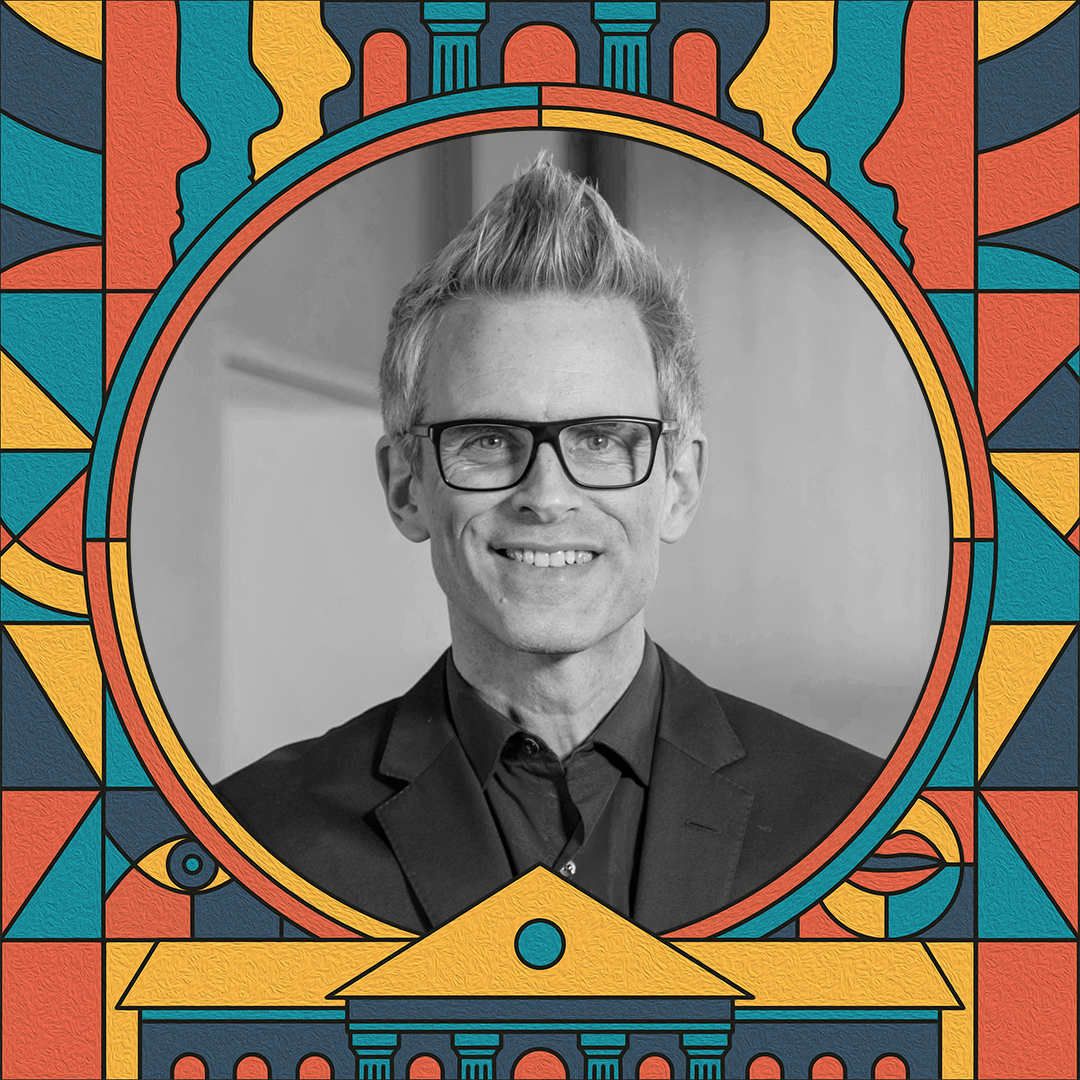
In this episode of Matters of Experience, Abigail Honor and Brenda Cowan sit down with Monica Herman, a seasoned experiential design strategist, to explore the transformative power of meaningful experiences. Monica shares how her work moves beyond “cool” designs, focusing instead on creating moments that address real needs—whether building awareness, shifting perceptions, or evoking awe.<br><br> Discover how experiential design bridges the gap between brands and audiences, turning awareness into emotion and inspiring action. From pop-ups to shared urban moments, Monica unpacks the art and strategy of designing experiences that truly matter.<br><br> This is a must-listen for anyone passionate about creativity, connection, and the evolving role of design in shaping how we live, work, and feel.
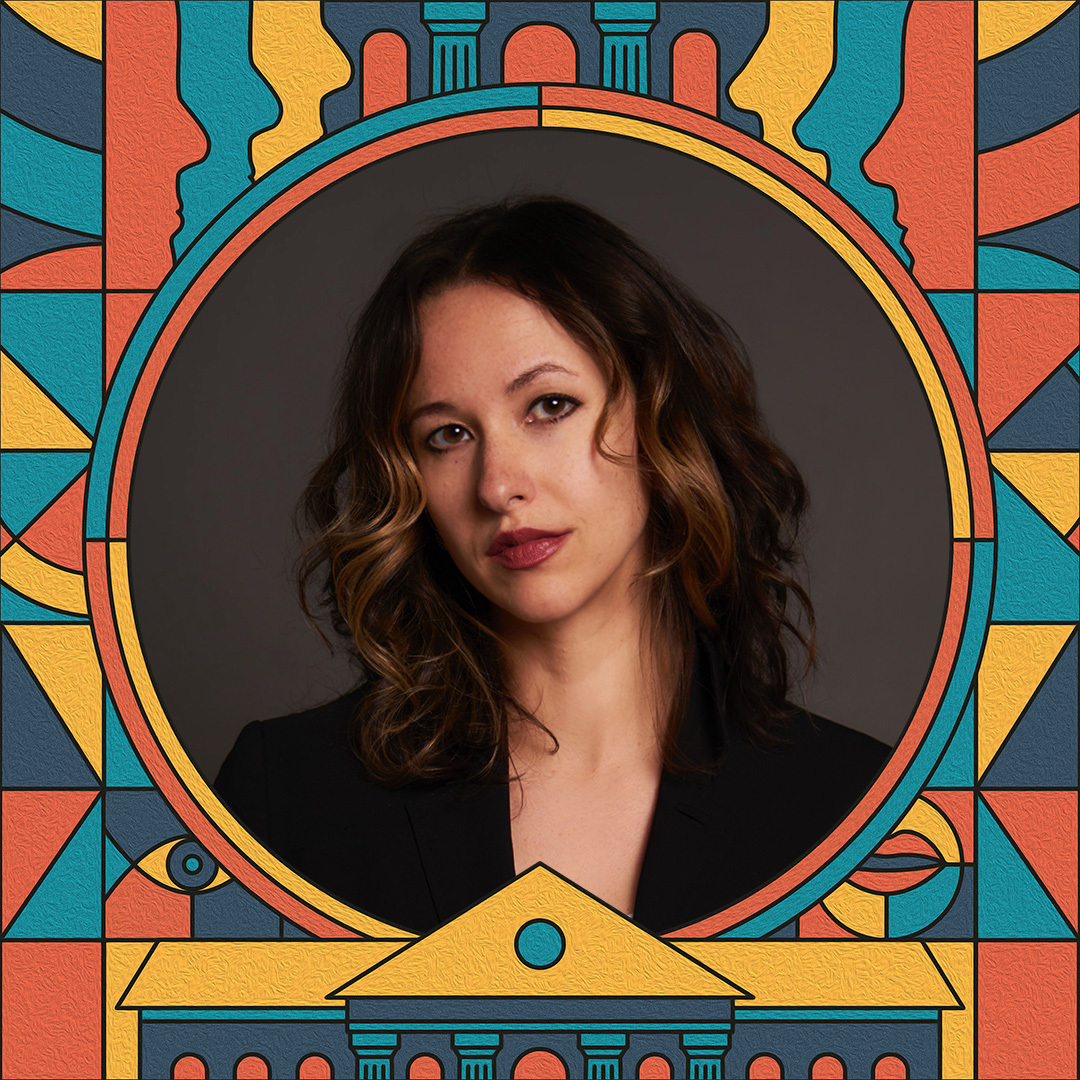
How can digital technology transform our everyday spaces into memorable experiences? In this episode of Matters of Experience, Abigail Honor and Brenda Cowan speak with Brandon Harp, Director of Digital Experiences at McCann Systems Experiential Technology Practice. Brandon shares insights into designing multi-sensory environments, the importance of storytelling in digital displays, and how data and creativity intersect to create meaningful connections. From airports to immersive art spaces, discover how Brandon’s innovative approach bridges technology, architecture, and human emotion to craft unforgettable experiences.