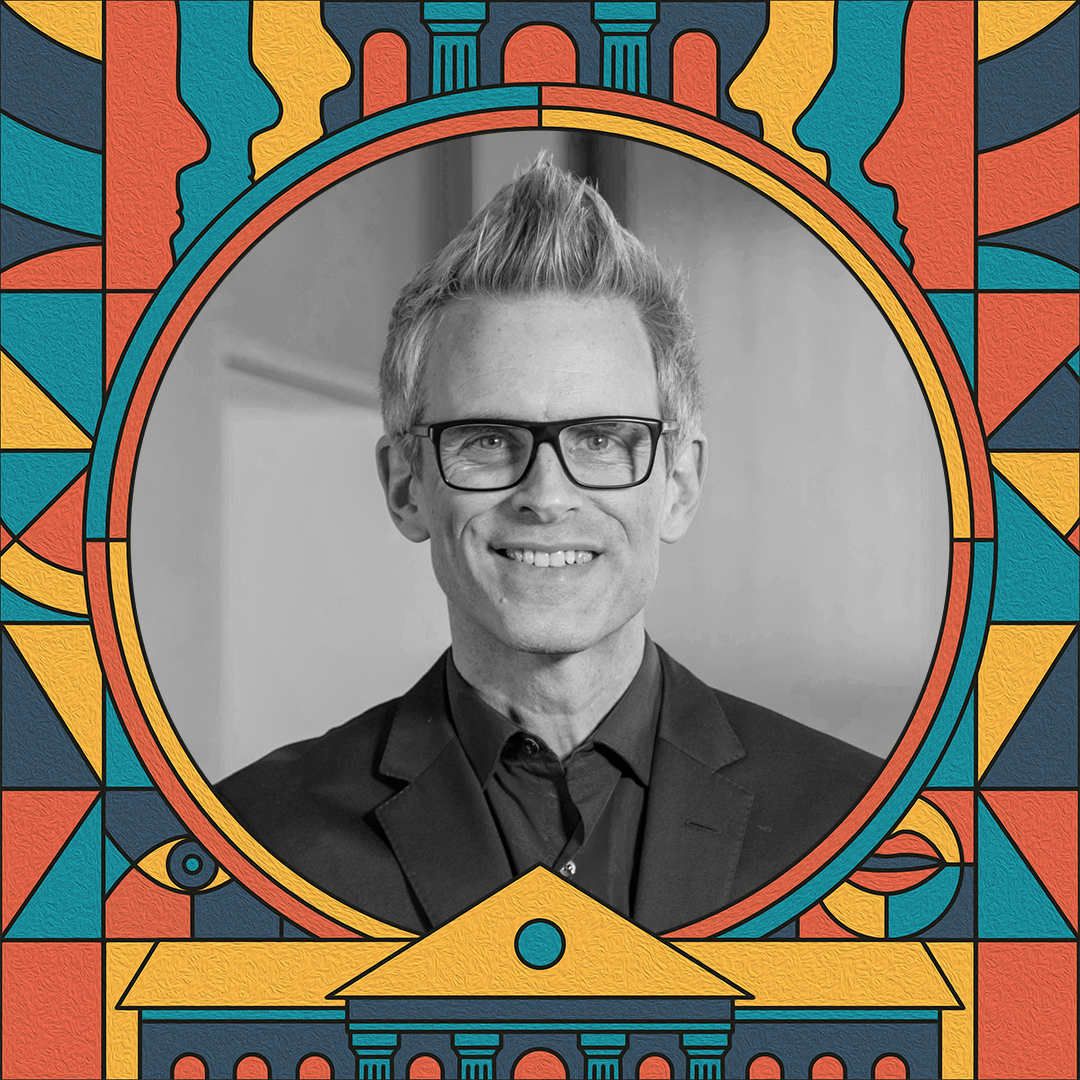
What does it take to transform a colonial institution into one that centers healing, justice, and shared humanity? In this episode of Matters of Experience, hosts Abigail Honor and Brenda Cowan speak with Micah Parzen, anthropologist, attorney, and CEO of the Museum of Us—formerly the San Diego Museum of Man. Micah shares the museum’s bold journey toward anti-racist, anti-colonial practice: from the emotional complexity of repatriating ancestors and sacred objects to the decision to eliminate curators in favor of collaborative exhibit developers. He reflects on the power of language, leadership without fear, and the museum’s commitment to being a space of belonging for communities historically excluded from cultural institutions. For designers, museum professionals, and anyone navigating institutional change, this episode offers a roadmap of reckoning and a call to reimagine the museum as a place not of authority, but of accountability, curiosity, and care.
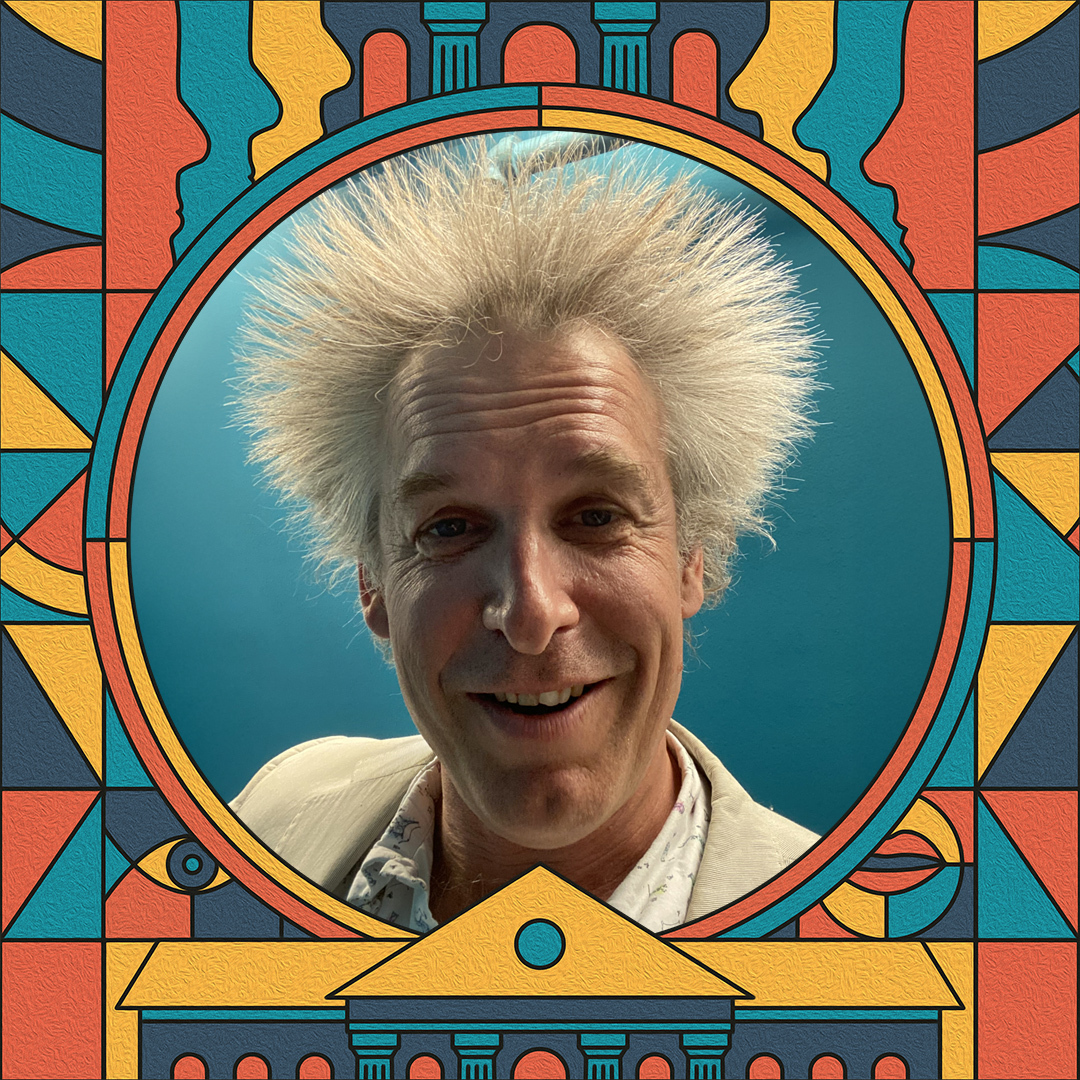
The Architecture of Play
Spencer Luckey doesn’t just build playgrounds—he sculpts experiences that invite curiosity, joy, and exploration. In this episode of Matters of Experience, hosts Abigail Honor and Brenda Cowan sit down with the artist, designer, and president of Luckey Climbers to talk about the intersection of play and public space. Spencer shares what it’s like to grow up inside a creative legacy and how he brings imagination, engineering, and poetic thinking to his large-scale climbing sculptures. He also opens up about the role of play in design, the creative tension between form and function, and how architecture can encourage not just movement, but wonder. For designers, educators, and anyone who believes space should spark emotion, this conversation is a reminder that play is a serious—and joyful—part of human experience.
About Spencer Luckey
Transcript
[00:00:00] Abigail Honor: Welcome to Matters of Experience, a podcast that explores the creativity, psychology, and innovation driving designed experiences. A big, hearty welcome to everyone listening. My name is Abigail Honor.
[00:00:17] Brenda Cowan: Hello everyone. This is Brenda Cowen.
[00:00:19] Abigail Honor: So today’s guest is Spencer Luckey, who leads Luckey Climbers and is a self-declared kid architect.
Luckey Climbers, for those who don’t know or who have seen one of over 80 that exist around the world, but don’t realize who made them, are those impressive climbing structures often in museums, but other locations too that are sort of suspended environments that hang and are intertwined spaces you can crawl through.
Um, Spencer’s work is a joyful rebellion against adult centric spaces turning architecture into a playground of exuberance, spontaneity, and connection. To quote him directly in his manifesto, he writes, climbers are kids built voice reminding us that design isn’t just about structure, it’s about soul movement and meeting.
So, uh, he builds not for power or prestige, but for celebration. For the questions kids ask and the delight we still carry. Spencer, a huge welcome to the show.
[00:01:21] Brenda Cowan: Welcome.
[00:01:22] Spencer Luckey: Thank you for that generous introduction. It’s just, um, you know, it’s a huge honor to come down here, to New York City to talk to really anyone but myself.
And, um, so I just, I think this is really incredibly, um, exotic and, and delightful as a sort of suburban mouse. I’m, I’m thrilled to be here.
[00:01:41] Abigail Honor: What’s it like, uh, working with kids, you know, and being surrounded in a kid’s world all the time?
[00:01:47] Spencer Luckey: One of the funny things about my business is I don’t actually work with kids.
I work almost exclusively with adults, and one of the things that I’m always constantly trying to eradicate is this sort of adult sensibility because it’s just. It just to sort of make way for kids to have their own imagination and have their own, um, you know, agendas. Uh, the big project of childhood is in a way, uh, trying to get more rights.
And so what they really want to do is have agency, you know, that’s like the end result of these rights. So. If you put them in a fake fire truck or something, which is, you know, could be cool if it was a real firetruck, right? Because then the kid would feel like they were, you know, acting out a, a, a real life fantasy or something.
But if you put them in a fake one, they’ll, they’ll play along with it for a little while, but they’ll pretty much not be firemen. Um, so that just goes out the window immediately and it really just becomes this thing that adults sold to other adults. And, you know, and they all kind of nodded along. Yeah, we’ll put the fire truck over here by the tree and, um, you know, and it’s, it’s well intended, but at the end of the day, kids are going to age out of that and they’re going to think to themselves, you know, I can’t go in that thing because it’s no longer compelling, um, use of my time and furthermore, it’s gonna like undermine my agenda, which is getting more rights.
[00:03:18] Abigail Honor: Yeah. So kids have taste and visual preferences. I mean, how they, they have preferences about everything as soon as they almost pop out, but they have, uh, they do have sort of aesthetic reactions to color and form quite early on. So how does their aesthetic sensibilities influence your work and, um, what materials do you use?
[00:03:39] Spencer Luckey: I have no idea how my sensibilities, um, influence kids or anything like that. I can only do what any other person in my situation, um, who’s honest about what they’re doing does. And that is just try to please myself. I’m not saying that I’m trying to make, you know, flat, black sort of chrome, weird battleship things with, uh, dazzled, but I’ve done a lot of thi, I mean, I’ve tried to make evil climbers. I really have, because I just think it’s funny, I, you know, would have an evil piece of playground equipment that people, as a matter of fact, we try to do this evil one out in, um, Normal, Illinois and unbeknownst to the engineers, I changed out these, you know, really critical, um, connection parts in the ceiling and to be, instead of these sort of dorky things, to be these really menacing claws very articulated and stuff. And, um, and you know, and then I confessed to him that these were, you know, new and better and evil and he edited them out. We had to.
[00:04:40] Brenda Cowan: No, we’d
[00:04:41] Spencer Luckey: hack them out. Yeah. People were, he was genuinely not on board with that as an agenda, you know, as a designer and art or artist or sculptor or whatever you wanna call me.
That’s my, the only thing I’m capable of really doing authentically is pleasing myself. So I have this simple rule where I just, you know, I, I try not to kid myself. I, I, I never finish something and then send it right out because I need to sleep on it a little.
[00:05:09] Brenda Cowan: Bit. Mm-hmm.
[00:05:10] Spencer Luckey: But then I never send it out unless I actually genuinely love it and I can think about all the reasons why I love it and you know, have a sort of rational response to my original sort of emotional action.
[00:05:23] Brenda Cowan: I think that there’s something about how open-ended your experiences are is probably why it appeals to kids. And well, and adults, but you know, kids, you know, beyond the age of four or five. Right. I think that they invite imagination and exploration and curiosity in a way that you get to, you get to decide what this is about and what it’s for and how to use it even.
[00:05:53] Spencer Luckey: Yeah. And at the end of the day, I mean, you know, the high sort of highest end I can think of is to have people come away feeling a little bit better about themselves and the world, and I don’t know if that, if it’s through an open-ended experience, I’ll take it.
[00:06:12] Brenda Cowan: There you go.
[00:06:13] Abigail Honor: I have a quick question about stakeholders. A lot of the museums we work on have many, many, many stakeholders. So we could have the local community, um, we could have, um, historians, curators, educators, people from the government, um, but we really make sure that we’re involving that community, who we are building the museum for. People who are going to use it.
You just mentioned that you are working directly with adults. Are you, when are you bringing the kids in? Are you prototyping with the kids? Do they have any involvement at all from the moment you’re awarded the job to the moment you open the experience?
[00:06:56] Spencer Luckey: To be perfectly honest, and you can put this in your podcast, I, I don’t.
I do my best in the early interviews to make it clear that I, I would much prefer to, to work alone in my office and then make suggestions and then they make decisions. You know, if they want to go and show it to a bunch of kids after I’ve done it, that’s fine. But I don’t wanna end up with a look, a kind of a brownness to, um, or grayness to sort of collaborative artwork.
You know, it’s hard enough, you know, somebody gives you a couple of bucks and you, you’ve gotta produce something that you think is compelling. In the early days, when I first got into this business, that I would fly out to wherever with the model and I would show them the model. And that was this, you know, had a lot of sort of emotional gravity to it in this, you know, nice set of drawings and all of that.
And, and they would, you know, we could converse and there would be a sort of substantive conversation. But these days, you know, I’m lucky if I can get my counterpart on the phone. So I’m often in this situation where I’m like, well, I’ll just, I, I mean, I, I wanna know what they have to say about this, and it doesn’t really matter what I say. I mean that, that’s a proven fact. So, um, I just email it to them with something like, here’s the latest.
[00:08:12] Abigail Honor: I think I’m just subject jealous. I think it’s jealousy and also like. You are an artist then, so the more I’m learning about your process and what you are you are creating for people to enjoy and experience is that it’s very much like an artist creating something.
[00:08:26] Brenda Cowan: In a way, it’s, what a, what a blessing.
[00:08:30] Abigail Honor: Oh, it’s fantastic.
[00:08:30] Brenda Cowan: To be able to make something with your hands that is truly unique. There’s a particular climber that you did in California that you were particularly fond of.
[00:08:45] Spencer Luckey: Oh, the Irvine Spectrum Center?
[00:08:46] Brenda Cowan: Yeah, of course,
[00:08:48] Spencer Luckey: For sure.
[00:08:48] Brenda Cowan: Okay. Can you tell us about it?
[00:08:51] Spencer Luckey: Yeah, so, um, we got this really amazing, I mean, there’s this, this mall out in Irvine, California, and um, so they sent me these drawings and it was gonna be under this, um, pergola thing.
And, um, so we made it so it just scratched the ceiling of the pergola and, you know, it was gonna be too big for the space, which is kind of like one of my things, you know. How can we get more into this? How can we sort of make it look like it’s not supposed to be here, but it is here. It’s sort of like a, Richard Serra, I guess, is a good example of somebody who does that.
So it has a helix on the top and then these, um, sort of, uh, curved leg. So it’s just like the weirdest, nobody would ever recognize it as a sawhorse, but that’s my structural concept. And then it just sort of evolved and one day I noticed that there was this kind of tunnel that I was kind of making inadvertently, you know, I don’t know how much work you guys do in computer computer modeling, but you know, the computer teaches you or sort of truncates you into this sort of state of like, you don’t accept anything but perfection.
So, you know, I’m like making part of it perfect. And meanwhile neglecting the other part of it. ’cause I only wanna, you know, work at this one little park ’cause that’s all I can see on my computer screen. So I, I pan out and I’m like, wow, that’s a really cool thing. There’s this space under there. What if there’s like a walkthrough and then there’s pathways?
And one of the things that happens in California projects specifically is that they ask for an ADA accommodation. And, um, having spent a lot of time with my severely handicapped father who was also in the climber business. You know, we made any number of, um, sort of accommodations for the handicapped population.
So what I did was compose this funny little trail through the underside of this climber that a kid in a wheelchair could very easily navigate. That’s totally unmarked and, um, I have no idea again whether kids in, in, in wheelchairs end up there. I mean, the truth of the matter is that. I never talked to the client about it at all. They don’t know it’s there.
[00:10:58] Abigail Honor: Oh, that’s interesting. Oh, okay. You just put it in there.
[00:11:01] Spencer Luckey: I just, it just happened. You know, it’s one of those things, like I said, you sort of fixate on something in the computer and then all of a sudden you realize what you’ve done and then you, you know, you move a couple little things to sort of. Make it a little bit more legit, but not much more legit.
[00:11:16] Brenda Cowan: I love that serendipity can happen with a computer experience.
[00:11:19] Spencer Luckey: I mean, you have to acknowledge that that’s your medium, you know?
[00:11:22] Brenda Cowan: Sure. Your tool. Yeah.
[00:11:24] Spencer Luckey: And, um, you know, it’s an amazing tool. I love computer modeling. I probably wouldn’t have made it through architecture school where it not for computer modeling, I can’t draw particularly well. I mean, I can draw well enough to sort of like please myself. Mm-hmm. Or not even please myself. I used to actually the opposite, annoy myself and to, you know, sort of test something and then get to this point where I’m like, this has no scale, that it’s so ugly, you know, it looks nothing like what I had in my head,
[00:11:54] Brenda Cowan: Uhhuh.
[00:11:54] Spencer Luckey: And, but you know, it, it, it has a sort of geometric reality and so then, you know, you take what you can from that.
[00:12:02] Abigail Honor: But how big are these square footage wise? So the audience can, Ima imagine them in general.
[00:12:07] Spencer Luckey: You know, some of them are quite large. We’re we just finished one down in, um, Carmel, Indiana. That’s, uh, about 60 or 70 feet long. It’s really pretty, um, amazing. It’s a, we’ve just figured out how to put, uh, a, dynamic light, lED lights in our climbers.
[00:12:26] Abigail Honor: So do the LEDs, are they lighting up the stages of so that where, where you sort of step onto or are they, um, is it for something in the evening so you can see and still climb in the evenings?
[00:12:36] Spencer Luckey: Is it weird for me to show you a picture?
[00:12:38] Abigail Honor: No, no. Show us picture.
[00:12:41] Spencer Luckey: So this is the first generation LED.
[00:12:45] Abigail Honor: Oh, it’s lovely. Oh my gosh. Gorgeous. It’s like lily pads that are all illuminated around the edge.
[00:12:50] Spencer Luckey: Yeah. And these ones, um, you know, they can change the, change the colors and um, it can sort of migrate from one color to another.
But, um, the most recent version,
[00:13:02] Abigail Honor: that’s very cool. Spencer’s showing us sort of how they illuminate and the color changes throughout them, so it really brings them to life.
[00:13:09] Spencer Luckey: It’s just the latest, greatest thing.
[00:13:10] Brenda Cowan: Looks like falling pedals. So, so many of your climbers make me think of falling pedals.
[00:13:15] Abigail Honor: That’s very exciting. They also look like disco. Like I wanna get in that now.
[00:13:18] Brenda Cowan: Okay. Disco falling pedals.
[00:13:21] Abigail Honor: Yeah. I wanna get,
[00:13:21] Spencer Luckey: And here’s the rave version.
[00:13:22] Abigail Honor: Yeah, yeah. I’m so there. That is definitely bringing up to 11 to 13 year olds. I’m there.
[00:13:28] Spencer Luckey: There’s the super patriotic version.
[00:13:30] Abigail Honor: Oh, very nice. Red, white, and blue.
[00:13:32] Brenda Cowan: Amazing. Back to thinking about working with clients, what are the skills that you employ? What do you need to really do to be able to do this really unique kind of work? You’re not off the shelf?
[00:13:47] Spencer Luckey: Well, first and foremost, I try to make a friend. Mm-hmm. You know, it’s like nobody wants to do anything with somebody they don’t like, so it’s not in a manipulative way. I, I, you know, I actually really like people. So that’s always my first agenda is to, to try to, I don’t know, be amusing. And sometimes I overdo it and, you know, turn people off. I don’t know, I, I, it’s precarious right at the beginning. The first conversations are always sort of fraught in a way. You know, I generally, um, try to understand what their agenda is, what they want out of the climber, what they, you know, the, try to understand the architecture that it’s gonna go into, and. You know who their audience is. Um, you know, sometimes I get it completely wrong the first time, the second time, the third time, the fourth time, sometimes they lose patience with me and then don’t, you know, they ghost me. And I don’t know, it’s just, again, it’s like goes back to that. I send something, send somebody a, an email and with a bunch of pictures that I’m totally intrigued by, and then I hear nothing back.
But that happens, you know? Mm-hmm. It’s just as part of the game, I suppose.
[00:14:55] Brenda Cowan: But it’s the, you’ve got the creative process that you’re going through, which has its own ups and downs and unknowns and uncertainties, and then epiphanies, and then, you know, moments when you’re really energized. And I was, I’m really curious, like when you see a space where a climber will someday live.
What’s that like? Does like, do things start to pop into your head or?
[00:15:17] Spencer Luckey: Well, I, you know, I’m part Vulcan, so I always try to sort of like, look through the walls and see where the lines of structure are. Um, I try really hard to make something, design something that is, that’s, you know, complimentary to the architecture, to the structure of the building. Um, and we’re doing this project, uh, this summer at a, at a little school down in Florida. And, um, I was sitting on a train and I just was like, you know, I should really work on that project. Started drawing these things. So I was like, okay, it has to be kind of like this, you know, two columns with a lintel. And I was, all right, you know, it’s dumb, dumb. Um, that’s stupid and it’s ridiculous. Ridiculous. I have pages of these, you know, sort of, uh, double T looking things. Um, in my sketchbook coming back from DC and, um, and then, you know, a couple of days later I was like, oh, it’s a pie symbol, you know, because they can go and talk about it. It definitely exceeded their expectations about, you know, what it could be. And, um, and it’s ridiculous. I think that, you know, you have to just allow your, um, you know, kind of get conversant with what the problem is in a sense. Um, you know, we did this funny project in, um, Moscow a bunch of years ago, and they were like, you know, Ve vant zis space zeeme. Alright, space theme. What does that mean? You know, so, you know, my most sort of weirdo notions of space or sort blobs and, you know, and they’re like, this just not, we don’t get it, you know? But then I was like, you know what they want again? They want to feel good about themselves. They want to get it. They don’t want to be left out of the joke. They don’t, you know, none of that’s, it’s totally invalid in a way. And so we have this way of making like a tripod. My old man was obsessed with these. He, a lot of his climbers were just these simple tripods. ’cause it’s the simplest structure. My old man. Just like his son is a, was a bit of a Vulcan. And, um, but I tried to best him by making this one where the, the tripod with this and the sticks pass, um, passed the vertex. And then I was like, wow, what if I put like an atom symbol around it? Because, you know, one of the problems with that structure is that the top of it, you know, can, is a cantilever, but so, but if you constrain it with these hoops that make the atom symbol and all of a sudden I was like, it’s Russian constructivism. Like right there.
[00:17:52] Abigail Honor: And they loved it.
[00:17:53] Spencer Luckey: And they loved it immediately.
[00:17:54] Brenda Cowan: Oh my god. And there you go. The pitch.
[00:17:56] Abigail Honor: So he does know how very well to talk to clients and how to spin the work he does.
[00:18:01] Brenda Cowan: I know that we’re out of time, but I have to ask one quick question, which is, so I am a professor of design students and I would love to know, what advice would you give young creative folks right now who wanna build things and create things for others?
[00:18:21] Spencer Luckey: I was a never the teacher’s pet in school. Um, and so I’m, I’m kind of the last person that you should ask that kind of a question to. But what’s worked for me is, again, to be, to be honest and to be kind of cold with my, um, with my reflections on what I’ve done. Um, you know, a lot of my, uh, practice as a musician, you know, is it you just do scales, you know, or whatever it is again and again and again, and there’s no notion of perfection, it’s, you know, it’s fleeting. It’s, um, and you have to sort of, um, at least I try to just embrace my honest reflections on these things. And, and then I, I really try hard to never show anyone anything that I don’t love. Mm-hmm. It’s just a, and I, you know, I can’t put my finger on that, but, you know, I love the pie symbol. When I first, you know, I was like, this is, they’re gonna love it. I’m gonna love it. I can make it into something I’m gonna love. Or the constructivist thing or, um, the idea comes and it’s often, it’s not like epiphany or some sort of, it’s a process. You know, you have to again, get yourself so you’re kind of thinking about it, you know, when you’re, you know, doing laps in the pool or whatever it is you do. And just get it past the point where you’re in any kind of panic about it. Because that’s the, like the worst space for your brain, um, to be creative and get, you know, relaxed. One of the things that I learned in school was, you know, they have these hideous deadlines and they just come at you.
And so you have to learn to sort of compartmentalize the schedule and the stress and, um, and, you know, the, the context within which you’re operating and, and try to find calm in there. And, and not. Be reactive to your environment. Just stay on task. And it’s not that it’s a very hard thing to do, particularly when you’ve got your cell phone and you know, all the energy drinks and whatever goes on at science schools these days, um, but uh, yeah, that’s, that’s, that’s kind of it to me it’s the whole shoot and match is pleasing oneself. If you can’t honestly please yourself, you know, it’s kind of
[00:20:54] Brenda Cowan: How do you expect others, to fall in love?
[00:20:56] Spencer Luckey: Humans are really, really great at, um, spotting authenticity. And um, you know, you just can’t fake it.
[00:21:05] Abigail Honor: I completely agree. Just to sort of wrap it up here. No, I agree, Spencer, that when I’m listening to you, um, it’s never usually an epiphany could be a aha moment, but it’s at the end of a lot of work. It’s a process and you have to do to achieve something. Sitting and not doing as creatives and physical creative, whether it’s using a pen and a piece of paper or using a computer, you have to work through ideas to get to the idea. And so I just wanna say huge thank you for joining us on this show today. This is a pleasure.
[00:21:35] Spencer Luckey: What a huge honor it is.
[00:21:37] Abigail Honor: It’s been amazing. Like to glimpse into your life and how you make these incredible climbers, and I would like to challenge all our listeners, find the nearest climb and get in it.
[00:21:46] Brenda Cowan: Get in it.
[00:21:46] Abigail Honor: The kind of amazing and beautiful sculptures to actually even just, just look at, so. Thank you so much, Spencer. Thanks to everyone who tuned in. If you like what you heard, subscribe for more episodes of matters of experience wherever you listen to podcasts. And make sure to leave a rating and a review. Please share with a friend. We’ll see you next time.
[00:22:04] Brenda Cowan: Take care, everybody.
[00:22:08] Audio Engineer: Matters of experience is produced by Lorem Ipsum Corp and recorded at Hangar Studios. Tune in next time for more fun discussions about experience design.
More episodes
See all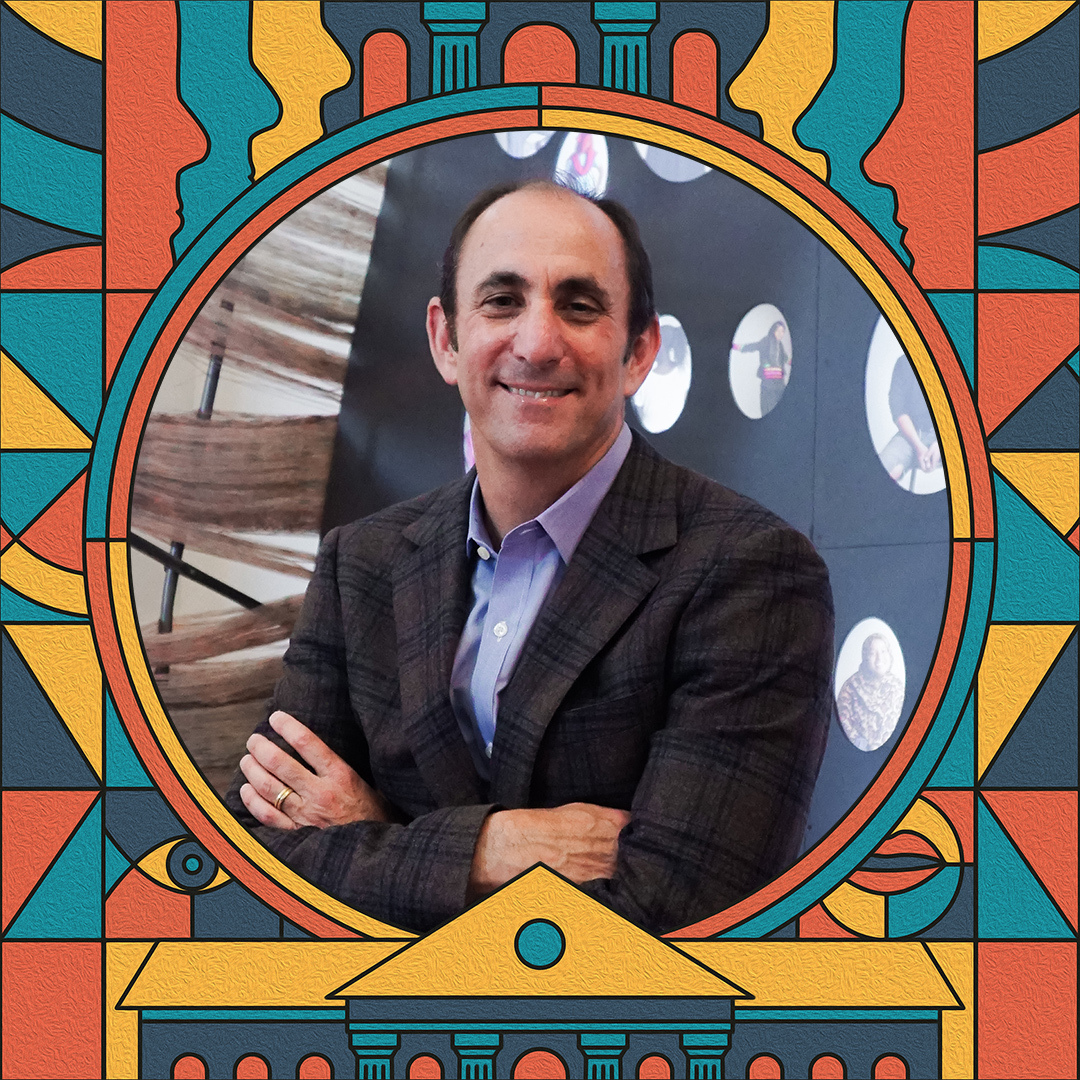
Design can do more than communicate—it can captivate, transport, and transform. In this episode of Matters of Experience, Abigail Honor and Brenda Cowan sit down with Shirin Frangoul-Brückner, founding partner of the globally acclaimed design studio Atelier Brückner. Shirin shares her journey from architecture to experience design, the philosophy of “form follows content,” and how immersive exhibitions—from the Titanic artifacts to ancient Ephesus—use emotion, interactivity, and sensory design to create lasting impact. She also opens up about leadership, guiding clients through vision and complexity, and how her firm is integrating AI to serve creativity—not replace it. This conversation offers inspiration for designers, museum professionals, and anyone passionate about creating experiences that move people.
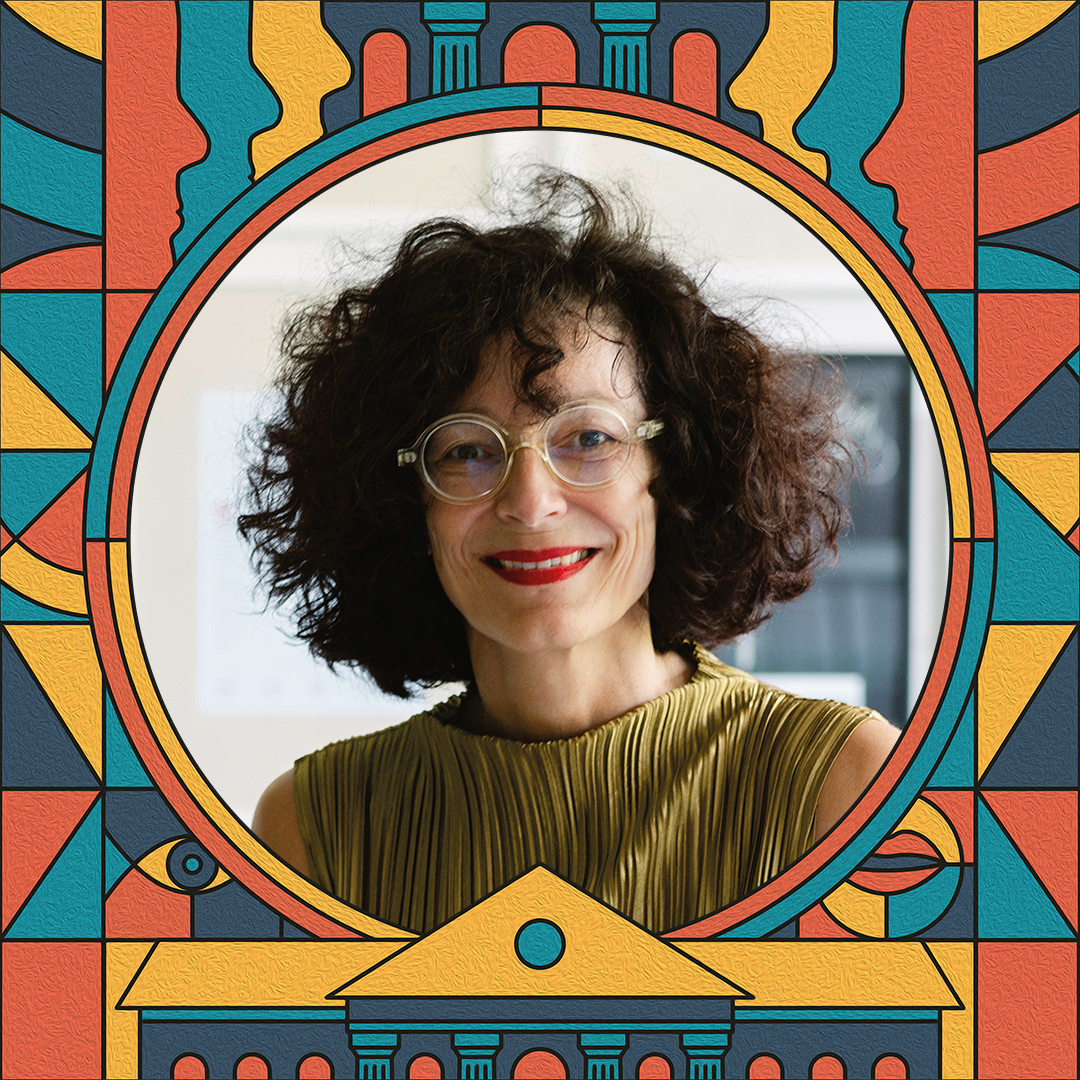
<p>What does it mean to design for dialogue—not just display? In this episode of Matters of Experience, Abigail Honor and Brenda Cowan sit down with Jonathan Alger, founding partner at C&G Partners and a leading voice in exhibition and experience design.</p> <p>Jonathan shares how designing with empathy, navigating creative discomfort, and embracing uncertainty can lead to deeper, more inclusive storytelling. From his work with museums and nonprofits to projects for NASA, Jonathan discusses how personal testimony, collaboration, and trust shape impactful experiences that resonate across boundaries.</p> <p>Whether you’re a creative leader, designer, or simply curious about the thinking behind the world’s most meaningful exhibitions—this episode offers insight into how design can be both a process and a conversation.</p>