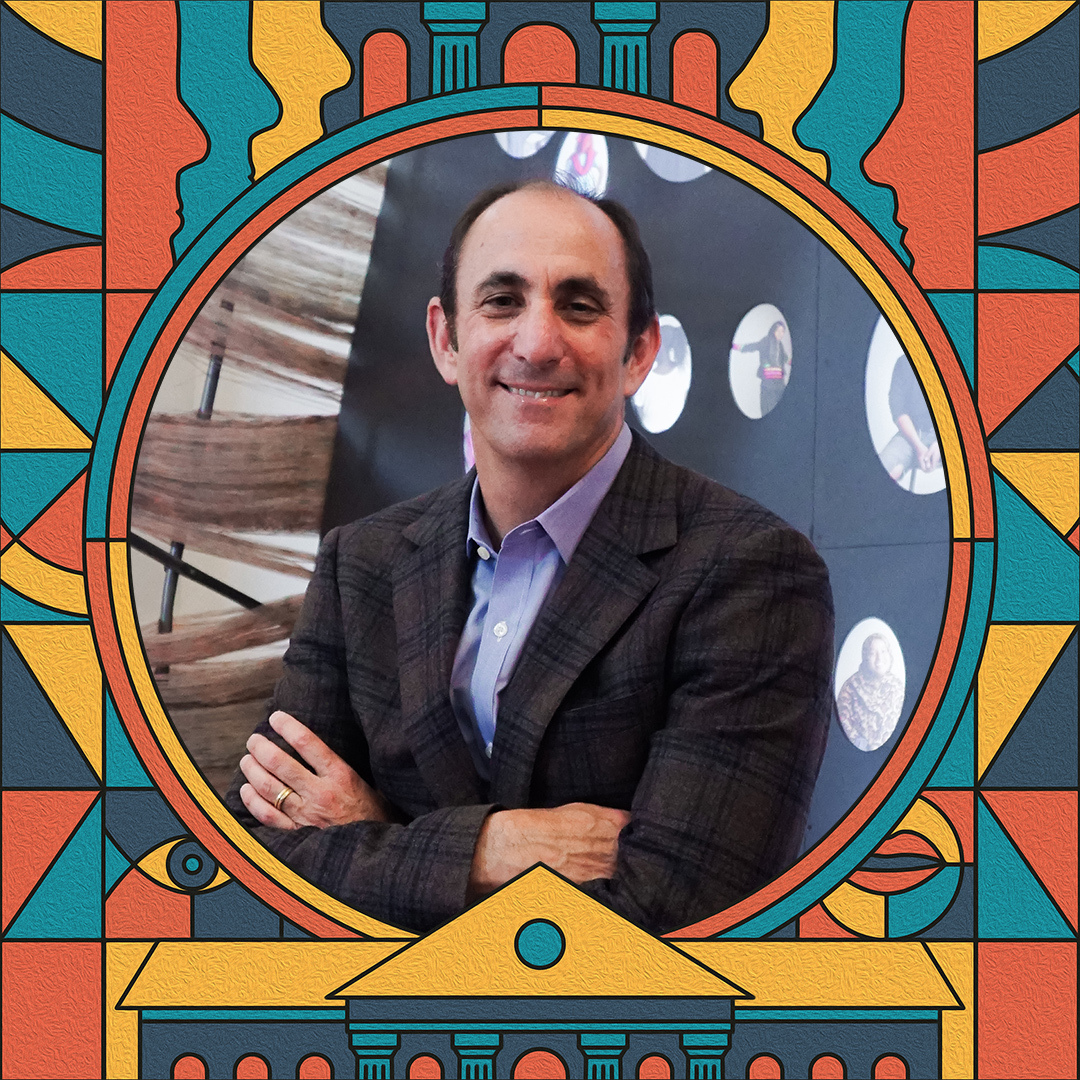
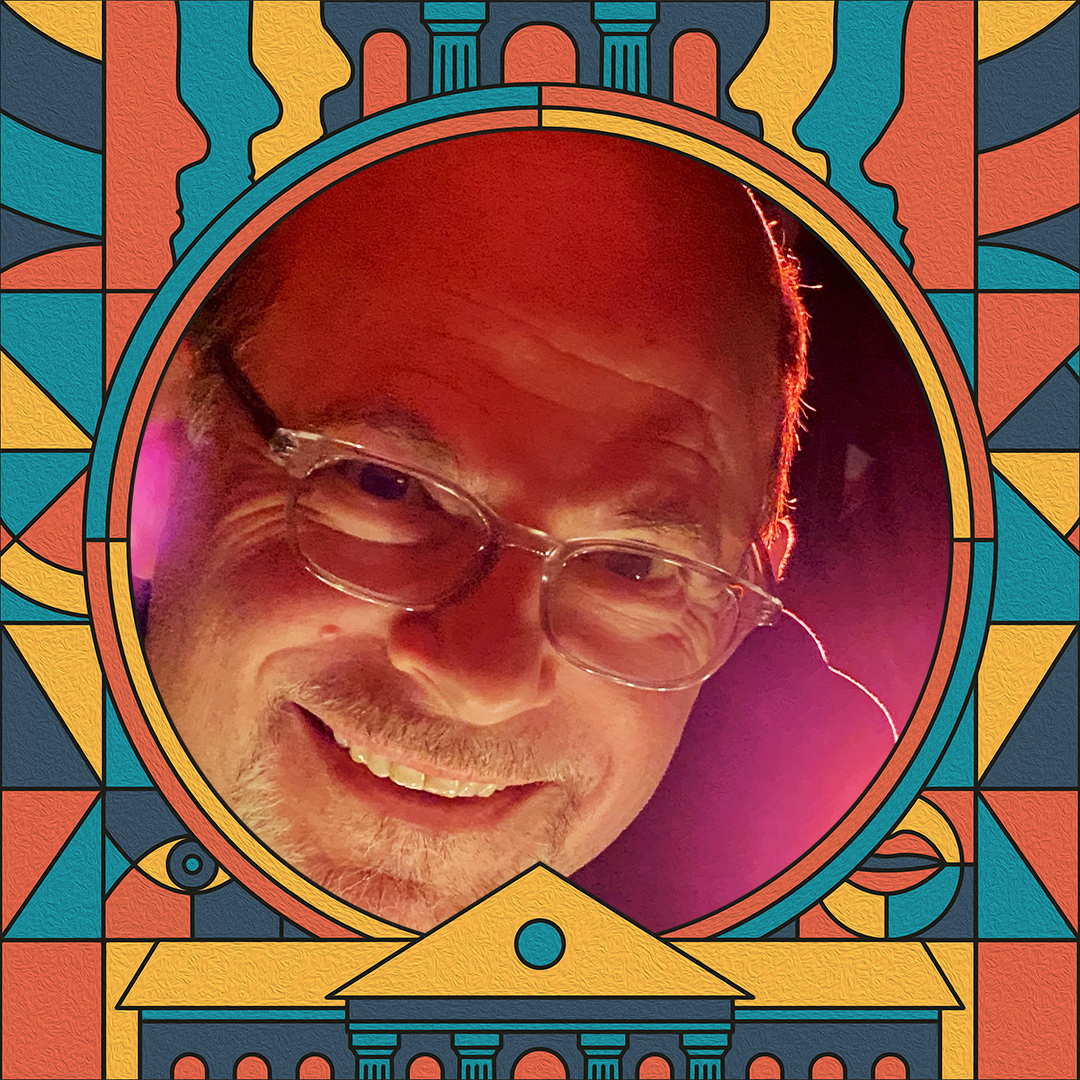
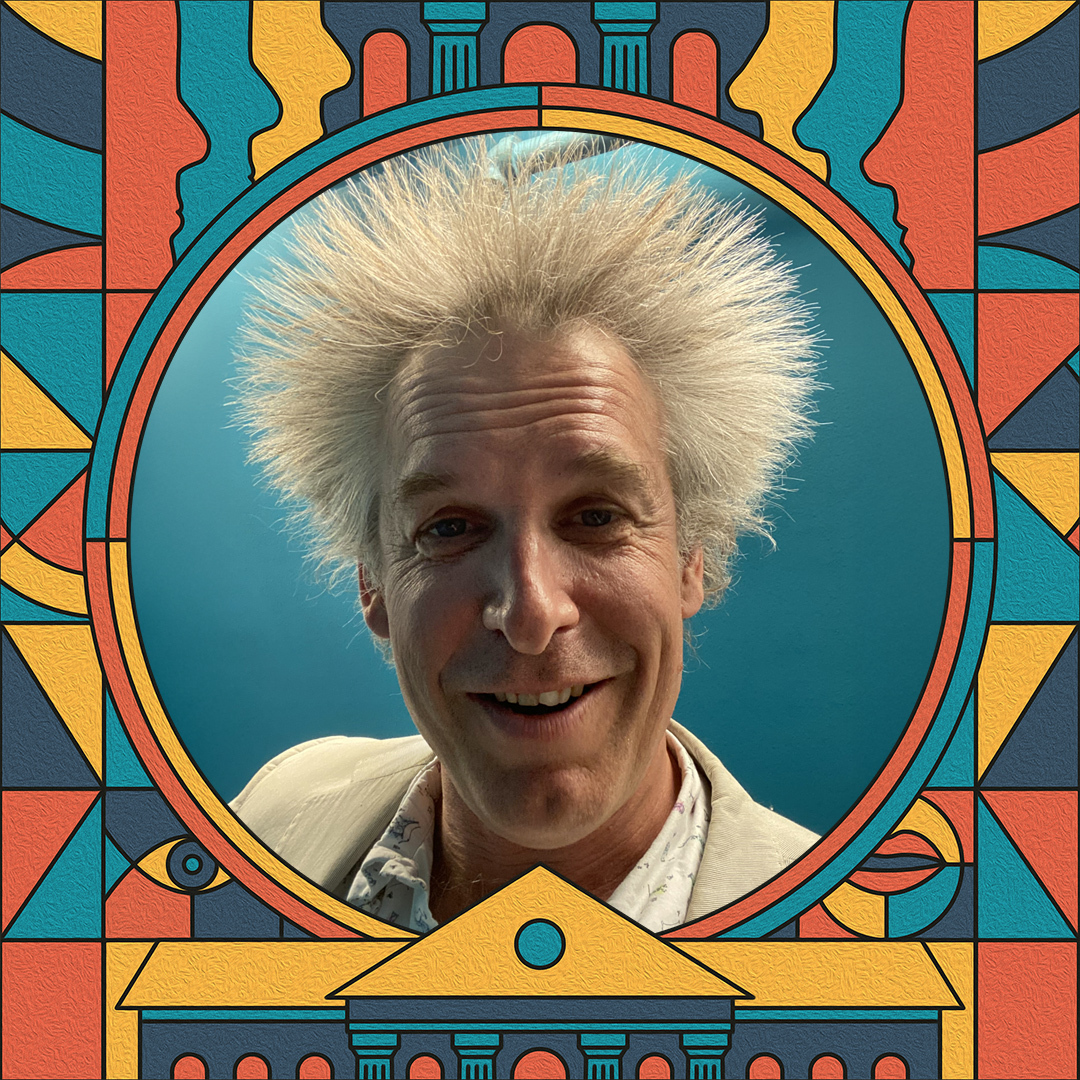
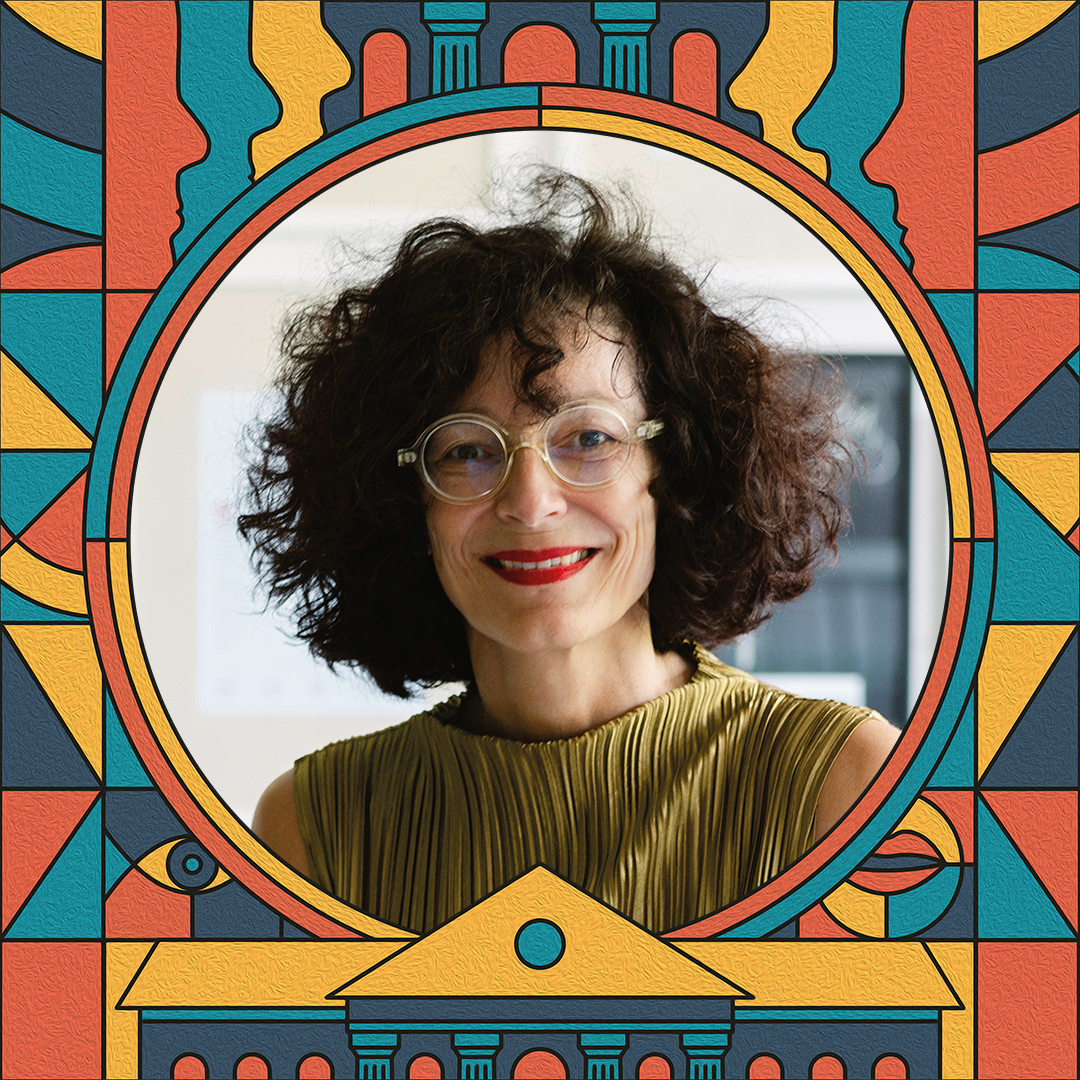
[00:00:00] Abigail Honor: Welcome to Matters of Experience, a podcast that explores the creativity, innovation, and psychology driving design and immersive experiences. If you’re new, welcome to the show and to our regular listeners, thanks for tuning in and supporting our conversation. My name is Abby Honor.
[00:00:22] Brenda Cowan: Hello, this is Brenda Cowan.
[00:00:23] Abigail Honor: Today we’re talking with Micah Parzen, who is the CEO of the Museum of Us in San Diego, where he focuses on developing better practices in what an anti-racist, anti-colonial museum can look like. And then he shares those practices and lessons learned in ways that create a positive ripple effect in the museum field and beyond.
Whether it’s through his writing or speaking engagements and various board duties, Micah is also an anthropologist and an attorney, and it is a pleasure to have you on our show today.
[00:00:59] Micah Parzen: Thank you so much, Abby. I’m really happy to be here with both of you.
[00:01:03] Brenda Cowan: We are so excited to have you and you are indeed this sort of Renaissance person.
Um. How did you find yourself working in museums and, and then in a leadership role at the Museum of Us?
[00:01:18] Micah Parzen: I fell in love with anthropology as an undergraduate and um, it just opened my world to really a philosophical orientation to the world that resonated so deeply with me from a values-based perspective.
Went down that path and ultimately got a PhD in anthropology and got very disillusioned with academia. And had had some experiences, uh, right after undergraduate, um, that, um, exposed me to the law as a form of what I would call activist anthropology. And I decided to go to law school to proliferate my options and, um, having no idea where it would lead.
I ended up practicing, um, employment law at a very large firm in San Diego for about seven or eight years, and I, I made partner there. I was chair of the pro bono, um, program. And, um, I served on a lot of boards and, um, I realized one day, particularly after making partner, that that was sort of the work that was getting me up in the morning, um, really serving the community in different ways.
And, um, I had been recruited by the then San Diego Museum of Man to join the board. Um, there had always been a senior partner at my law firm who had served in that capacity and there happened to be an opening and, uh, they reached out and said, would you consider joining the board? You’re with the firm, you’ve got this PhD in anthropology.
And, um, they started telling me that they had been going through a difficult time and had a difficult separation with their former executive director. And had just hired a search firm to do a national search for a new CEO and I had literally a light bulb moment where I just thought, oh my goodness, that would be the most amazing job ever.
And I threw my name into the hat and was very fortunate to kind of be in the right place at the right time with all the qualifications on paper. Um, and then I, I started to find my way from there.
[00:03:16] Brenda Cowan: Amazing. Like I said, Abby, Renaissance man.
[00:03:19] Abigail Honor: Yeah. But also it’s really refreshing to hear about people who will trust in others, not necessarily just because their resume is exactly what they’re looking for, but because their skillset and what they bring to the table matches what the job needs.
So. Talking about the Museum of Us, what sort of exhibits like will I see there? What time periods are covered? What should a visitor think about when they think about the Museum of Us? Can you tell me?
[00:03:44] Micah Parzen: You know, it’s a place that really invites people, um, into a transformational journey where your assumptions might be challenged.
Um, you’re exposed to different ways of thinking and being in the world. It’s really interesting. If you, um, read our social media reviews, we tend to either get five star. Or one star, um, you deeply resonated with me. I love this place. All museums should be like this. Oh my goodness. Or avoid that place like the plague.
It’s the, um, you know, woke cancellation culture at its worst. And, um. I think that that’s a really good sign, even though
[00:04:24] Brenda Cowan: mm-hmm.
[00:04:24] Micah Parzen: It’s sometimes difficult, um, to read those extremes because, um, we are touching a nerve and we are either deeply resonating with people’s values and they want more, or they’re, um, feeling defensive and threatened and challenged.
And so we have a wide variety of exhibits about difficult issues like immigration and, um, the harm that’s been caused by colonialism to indigenous peoples. So it’s a little bit of everything about. Um, what it means to be human in all of its manifestations.
[00:04:54] Brenda Cowan: It was around 2020 when you were working with your constituents, the staff, the board, to change the name of the San Diego Museum of Man to the Museum of Us, or eventually it became the Museum of Us.
Can you fill us in on this initiative and what you encountered when you were, uh, making this major change?
[00:05:16] Micah Parzen: Um, there was a small group of folks who were affiliated with the National Organization of Women, and they started to complain that the name of the museum was too limiting. And, and the organization actually, um, considered it at the time, at least two or even three times, they put it up to a vote of the membership who roundly, um, decided against the name change at that time and, um, we eventually got to the point as an institution that the world had changed around us so much and, um, the museum had changed so much, but um, the name was still the same. And so I. Um, we started down that path in earnest in 2017 or 18 with board support, um, to find the path toward a new name if possible.
And, um, the community sort of freaked out. Um, they couldn’t imagine that we would change the name and the nostalgic Museum of Man and I grew up with that. And that’s all political correctness and all the rest. So, um, we put it all on pause. We were sort of paralyzed. And then COVID, um, hit of course in 2020 and we decided that one thing we could really control in that sort of space of chaos was, um, how we represented ourselves to the, the outside world and how we thought of ourselves.
And so in August, um, we, uh, announced the new name as the Museum of Us, and, um, it was quite a bumpy ride filled with love and, and support, but also criticism. We ended up on Tucker Carlson and Fox News, who lambasted the change as, you know, woke cancellation culture run amok and political correctness at its worst.
In many ways, as difficult as that was and how the juggernaut of hate kind of emerged from that, it was the best thing that happened to us, um, because it really allowed us to be crystal clear about who we are as an organization and what we stand for, and it really forces us continuing, you know, almost five years later now to every day ask the question, what does it really mean to be a museum that is truly for all of us.
[00:07:19] Brenda Cowan: Mm-hmm.
[00:07:19] Micah Parzen: And not just for the usual suspects.
[00:07:21] Brenda Cowan: Mm-hmm.
[00:07:22] Abigail Honor: Yeah.
[00:07:22] Brenda Cowan: You know, you mentioned, uh, the years of the pandemic, and tell us about your call to serve community needs and what the Museum of Us looked like during the COVID years.
[00:07:34] Micah Parzen: You know, we really, like everybody was struggling, you know, what role do we play? How, you know, what do we do? Do we hunker down? You know, what does this look like? And. It dawned on us that, you know, back in the 1940s during World War II, uh, the museum had actually, uh, been converted by the Navy into a hospital to care for the sick and wounded.
So we decided to put out a, a one page, um, proposal to serve community need. And in it we explain this sort of history and that here we are in a moment. The museum’s got these amazing assets in terms of its, um, building its location, its, um, staff. Um, and, um, if there’s some way that we can, um, be a pos play a positive role in the midst of all this pain and suffering, uh, that was the pandemic.
We wanna do that. And so we got hundreds and hundreds of responses. You know, we were trying to think differently about the role museums could play in the community. And, uh, if we can’t be open to the public to show exhibits and do our usual thing, um, let’s think differently about what that, what it could look like.
[00:08:42] Abigail Honor: Micah, often you’re saying things like, is there something I can do? It seems to me like you don’t have a large fear factor. It feels a bit like every, anything can be thrown at you. Is that because you’ve been an attorney? Is that ’cause you’re a tough cookie? Is it ’cause of your upbringing? Why is it that you are so A, willing to do things for people and B, fearless.
[00:09:02] Micah Parzen: I, I do think, um, having never worked a day in a museum gave me kind of a superpower, you know?
[00:09:07] Brenda Cowan: Mm-hmm.
[00:09:08] Micah Parzen: In many ways it was a weakness, right? I didn’t have all the experience under my belt, but I also didn’t have all the baggage about what a museum should be, who it should be for, what role should it play in the community, how it should be run.
And I could ask all the kind of dumb questions and, and not, um, be satisfied with, well, that’s just how we do things, right? I mean, when you’re a hammer. Everything looks like a nail. You know, I think museum professionals are often no different, uh, that you’re trained a certain way and that’s your comfort zone.
And so coming in, um, kind of with beginner’s mind was very, um, I think valuable for me and, and allowed me to do a lot of things. I think bringing both an anthropological background and knowing how to think like an anthropologist and very open-ended, um, curious, um, sort of human centered ways. And then also being able to think like a lawyer in very, you know, action oriented problem solving, analytic ways kind of gave me a lot of tools in my toolbox to, um, know that I didn’t have to be afraid of, of, of pushing the boundaries.
[00:10:11] Brenda Cowan: What I would love to follow up on. In this vein of thinking is one of my favorite moments where on social media there was a piece about your ask, the CEO and listeners, he was set up in a little booth, kind of, uh, imagine Lucy’s booth in the Peanuts comics. And Micah, you made yourself available to visitors to ask any question they like. This is daring. So as I understand it, it was rather successful and very positive. And that there was also an encounter with a young visitor who was asking some pretty difficult questions. Would you fill us in on what happened?
[00:10:49] Micah Parzen: You know, we’re in a, a field of curiosity, right? Like, how are we supposed to do better if we don’t get the input from the folks we’re ostensibly serving?
So. Um, there have been a lot of wonderful benefits of being out on the floor in that way. And again, tomorrow will be my second time. One is that my team sees me engaged with the visitors
[00:11:09] Brenda Cowan: mm-hmm.
[00:11:10] Micah Parzen: In ways that they have to do every day, um, and field these difficult questions. Why did you change the name? Um, you know, what is, why do you have an exhibit about race?
That museum shouldn’t be political. Um, you know, why are you giving back the belongings and ancestors to indigenous peoples? Um, and in fact, the, the young man you referred to, he sat down, his dad was sort of walking around and giving me, um, furtive looks, uh, from time to time. Uh, and, and also I could tell very grateful that I was taking the time to speak to his son, and his son took me to task on our decolonial work and the idea that.
You know, why would we want to, um, return these belongings and ancestors to these more sort of primitive peoples and that, um, shouldn’t science sort of be, you know, considered the, um, kind of proper way of understanding the world. And, you know, I pulled out every tool I had and every trick in the book to try to.
Kind of persuade him of the long, deep, dark history of how institutions like museums, um, had harmed indigenous communities and the government, um, all the horrible things that have happened. And he was not buying anything I was selling. I. Although I’ve also learned from this work that, um, sometimes you don’t even see the impact until
[00:12:37] Brenda Cowan: mm-hmm.
[00:12:38] Micah Parzen: Um, years and years later.
[00:12:40] Brenda Cowan: A hundred percent.
[00:12:40] Micah Parzen: Um, and, and it’s so important to just stay the course and hold the space and, um, eventually, you know, the arc of the moral universe bends towards justice as Martin Luther King said.
[00:12:52] Abigail Honor: I know you work in the museum on being what you call anti-racist. So how was racism manifest in the museum maybe before you or in your first few years, and how are you effectively changing that?
[00:13:04] Micah Parzen: The origin story of the San Diego Museum of Man is that, the first exhibit was called The Story of Man through the ages, and it was, um, a series of about a hundred, um, morphological busts of representing the different races. So there were caucasoid busts and negro busts and mongoloid busts and the, sort of, um, pseudoscientific racist presentation was that because of the shape of these different skulls of the different races, um, the brain was shaped in different ways too. And of course that meant that the caucasoid brain was superior to these other races. And, um, it was really designed as an effort to promulgate the eugenics movement of the, um, early 19 hundreds along those lines when anthropology museums and the work of physical anthropologists was sort of used in this, um, as a form of scientific racism.
So that’s the how the museum began. Over the years, the museum did many harmful things to indigenous communities. They took their belongings and ancestors refused to give them back. Um, the museum supported research expeditions of a guy named Stanley Petraeus, who was a psychologist who administered intelligence tests in Australia.
To justify the genocide of aboriginal peoples there. Um, you know, the museum did fashion shows in the 1950s that had trustees and donors and volunteers wearing sacred ceremonial garments, um, on display for sort of fun and show. So when we say anti-racist, when we say decolonial, we mean telling the truth about those histories.
[00:14:46] Brenda Cowan: Mm-hmm.
[00:14:47] Micah Parzen: How we’ve harmed those communities in ways sometimes, unintentionally, but oftentimes because we thought we were justified and entitled to do so, it’s holding ourselves accountable for the role we played in promulgating those harms. And then most importantly, it’s coming up with concrete action steps for how we can do better now that we know better.
And um, I tell you, some really magical things emerge from taking that, that approach.
[00:15:16] Brenda Cowan: Let’s dive into the present moment. As a highly progressive, forward-thinking cultural institution, the Museum of Us must be weathering a lot in the current cultural and political climate. And as we all know, museums are being targeted in a variety of ways regarding content, funding sources, how they serve their communities.
We’ve got the Smithsonian being attacked. Grant sources being shut down. Okay, Micah. How is the Museum of Us operating with best practices? In these difficult times.
[00:15:52] Micah Parzen: A couple things we’ve done kind of early on in, in that vein. Um, the first was we offered a Know Your Rights workshop for, uh, immigrant and refugee communities who were under such fire early on with the executive orders.
Um, and we opened that up to the entire park, and, uh, nonprofits throughout the community. Soon after that, we did a, um, trans, um, non-binary allyship workshop. Along those same lines, right? You have these executive orders that are basically saying these people do not exist and it is causing, um, retraumatizing them in all sorts of ways, right?
Um, how can we be better allies to those folks in this moment of such great need? Right? Um, so those were some of the things we sort of did early on, but we decided that, you know, in this moment where we’re all flailing and exhausted and reacting to all this horrible news and trying to understand and, and we just have such little gas in the tank, we decided that we would begin a planning process.
To identify a path whereby we are engaging in a three year initiative, um, which will, um, both involve fundraising, but also a commitment from the board of up to a million dollars a year for three years, so that we can scale up our cultural resources team so that we can begin to put a real dent in returning the belongings and ancestors of the 186 indigenous communities throughout the world whose belongings and ancestors we hold. One of my trustees framed it: the museum will never be free until it really prioritizes this commitment. We won’t be free spiritually.
[00:17:37] Brenda Cowan: Mm-hmm.
[00:17:37] Micah Parzen: We won’t be free morally. We won’t be free ethically.
[00:17:41] Abigail Honor: When you give them back, are they going to be taken care of or does it not matter? Is it they can do with them whatever they want? Is that the general mentality when you hand them over? It’s says they do with them what they want. Even if they disintegrate.
[00:17:52] Micah Parzen: It really is Abby. It’s none of our business. They weren’t our take in the first place. We don’t even ask because it’s up to them.
These are often living animate beings for them. You know, they’re not objects, they’re, they’re part of their knowledge system and way of being in the world. And, um. They’re sacred, right? And, um, our business is just to help them, um, get to the point where, where they are reunited with, um, their belongings and ancestors.
[00:18:22] Abigail Honor: If everything disintegrates in theory on mass, everyone decides to do what you are doing. Then how does the history get preserved for future generations? Is it just gonna be a written down oral or photographic history based on whatever documents you’ve managed to keep? How is it all not disintegrated?
[00:18:37] Micah Parzen: We have found, uh, after doing many of years of this work, that when we, um, consult with indigenous communities about their belongings and whether they would like them back, while many of them do want them back, others don’t want them back. They want the museum to continue to hold them, but they might have very different standards, um, for how we take care of them.
And, um, who has access to them and what kind of research is allowed, if any? Right. Um, I’ll tell you a quick story. We had a Messiah cultural Ambassador come a, a few years ago, and our practice was to lay everything we had from Messai land out on that table. And he came in and we said, we’d like to give these things back to you if you’d like them.
He said, no, you know, we. We have other examples of these belongings and, and we’d like you to keep them, but you see that spear over there, um, that’s a really important part of our culture. And, um, it’s dying. You’re not taking care of it. And the way that we take care of it is we rub it with sheep’s fat and that allows it to come to life, both physically and spiritually in all sorts of ways. And, um, as you know, bringing organic materials into museum settings and you know, is against sort of best practices. And it can bring in critters and there are justifications of course, but based on our decolonial values, we said alright we went the next day. We got some sheep fat. We did exactly how he had instructed, and sure enough, the spear came to life in a completely new way. So the things we still have, Abby, are here with informed consent.
[00:20:16] Brenda Cowan: Mm-hmm.
[00:20:16] Micah Parzen: With a lot deeper, more holistic knowledge, not just Western academic knowledge. And in the process of doing that and giving belongings back to their home communities.
You embark on a process of relational repair, right? Where, um, something previously unaddressed harm. That just festered and caused resentment and anger and sadness and trauma can begin to come out and be, be healed on both sides.
[00:20:47] Abigail Honor: I was gonna say, you actually, you are learning from them and all of their experiences and so it’s like a partnership then moving forward.
[00:20:54] Brenda Cowan: Mm-hmm.
[00:20:54] Micah Parzen: Right.
[00:20:55] Abigail Honor: As you both are custodians and taking care of these incredible artifacts or, or sacred objects, so how involved in that. Ex in the exhibit storytelling. ’cause you’re a great storyteller.
[00:21:06] Brenda Cowan: Mm-hmm.
[00:21:06] Abigail Honor: So how into the exhibit design do you get, have you got any comments on what works well for your visitors from an immersive or experiential perspective?
You know, what are your thoughts on design?
[00:21:17] Micah Parzen: Mm-hmm. Mm-hmm. I’ve thought a lot about it, and you’re right. I’m not an expert by any stretch, although learned a lot from my team. And I really hire good people and then get out of their way, right? And I’m always there to sort of on high kind of support and maybe say, well, shouldn’t we be thinking about this?
But I will share with you about. Maybe 10 years ago now, we decided to eliminate the role of curator and hire only exhibit developers and exhibit developers are more like shepherds. They’re project managers. They bring together a wide variety of lived experiences and diverse voices from within the organization, from outside the organization.
And they kind of weave it all together into a, a mosaic or tapestry, right? That is. Always much richer, um, and, and much fuller than, um, you know, a single person’s vision. We have a, a litmus test for joining our board of trustees, and it applies to the staff as well. And that is that you cannot be the smartest person in the room.
And we say that tongue in cheek, but it’s very effective. Uh, and it sends the message that we don’t care how smart you are, you’re drowning out and you’re taking up all this space of the multiplicity of voices that are, are the collective beehive that is always wiser. And, um, frankly more interesting
[00:22:34] Brenda Cowan: mm-hmm.
[00:22:34] Micah Parzen: Than one person’s perspective.
[00:22:36] Abigail Honor: Well, it’s what we talk about all the time. I mean, yeah. On the show, or I complain about all the time, is exactly the way you put it. The curators go deep and go small. You need to make sure that you’re including everybody at the level that they’re coming into the museum at, and when it’s hot topics, it’s incredibly difficult.
You can have phenomenal results if you get it right, but I know how hard that is and really can appreciate what you are doing over there at the Museum of Us.
I think it’s worth talking about audience just for a moment, right?
[00:23:06] Brenda Cowan: Mm-hmm.
[00:23:06] Micah Parzen: Because you, you raised that, you know, we have just committed that our, our primary audience are people of color who have never felt welcome in a museum like ours.
And mainstream museum. Our secondary audience is, um, people who are ally, want to be allies, ally, curious. They wanna learn more. And then our tertiary sort of third level audience is everybody else and almost everybody else, right? Like there are some people who are just want to cause harm to this kind of work and others who just come from a different experience.
And I, and I think one of the, um, biggest challenges we have is how do we. Make a lot of space for meeting people where they’re at and bringing them along wherever they are on their journey, while still not compromising and diluting the message to people of color that this is a museum that honors your lived experience because the dominant narrative we’re, we’re swimming in that fishbowl all the time. We’re breathing that air, right? We don’t need to those are the stories that are just always being told without us even realizing it, right?
[00:24:11] Brenda Cowan: Mm-hmm.
[00:24:12] Micah Parzen: And so we believe that the world needs spaces that those other alternative, um, lived experience and perspectives need to be really highlighted and not just in a culturally specific museum.
It’s not that you go to the African American Museum of History and Culture in the Smithsonian to learn about the black experience. The black experience is the American experience, right? And it should be baked into any exhibit right, in meaningful ways. Um, so that we’re not just in that echo chamber.
We’re not just. You know, breathing that same air over and over and over again without even realizing it.
[00:24:48] Abigail Honor: I just wanted to say a huge thank you. This has been absolutely fantastic and truly inspirational. Now, you talked about exhibit developers as shepherds. I feel very much like we’ve, we’ve been in the presence of a, of a major shepherd today.
Uh, lead leading not only the museum, but your community and the community at large. Um, forward. So thank you for joining the show.
[00:25:09] Brenda Cowan: Thank you, Micah.
[00:25:10] Micah Parzen: My pleasure. Thank you so much for having me. I’ll come back anytime.
[00:25:14] Brenda Cowan: Absolutely.
[00:25:15] Abigail Honor: And thanks to everyone who tuned in today. If you like what you heard, subscribe for more episodes of Matters of Experience wherever you listen to the podcast, and make sure to leave a rating and a review and share with a friend.
We’ll see you next time. Goodbye everyone.
[00:25:31] Audio Engineer: Matters of Experience is produced by Lorem Ipsum Corp and recorded at Hangar Studios. Tune in next time for more fun discussions about experience design.