[Music]
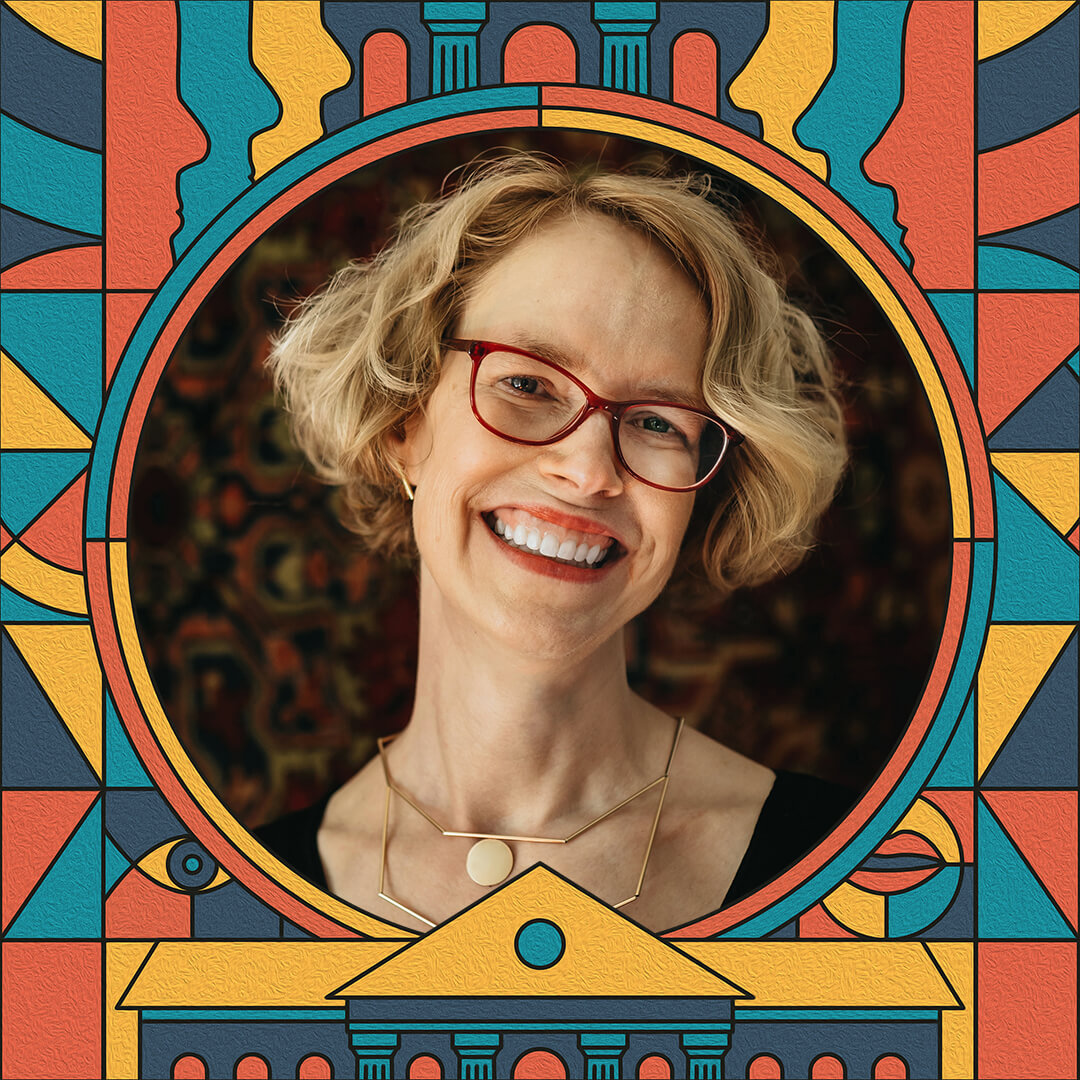
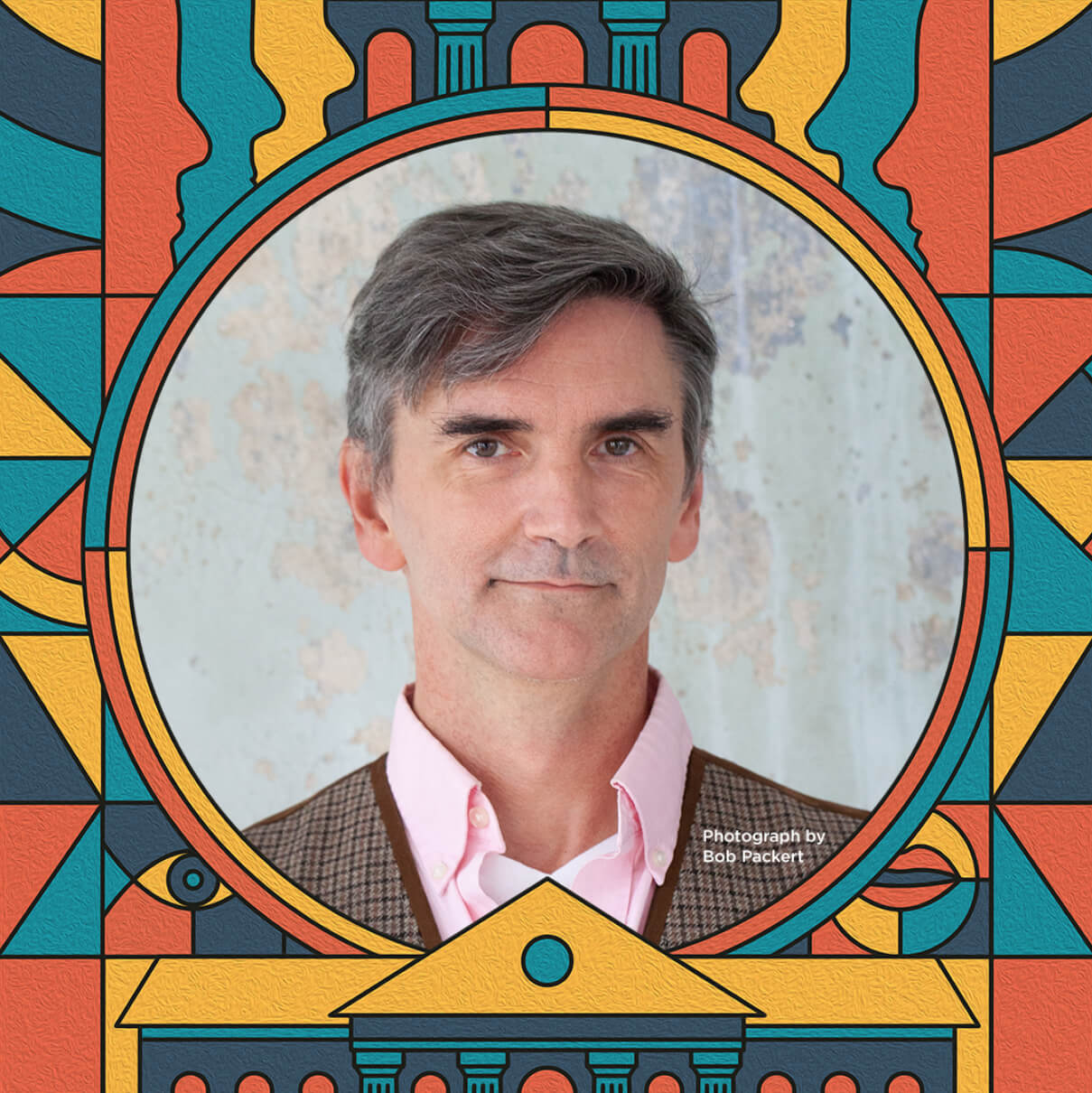
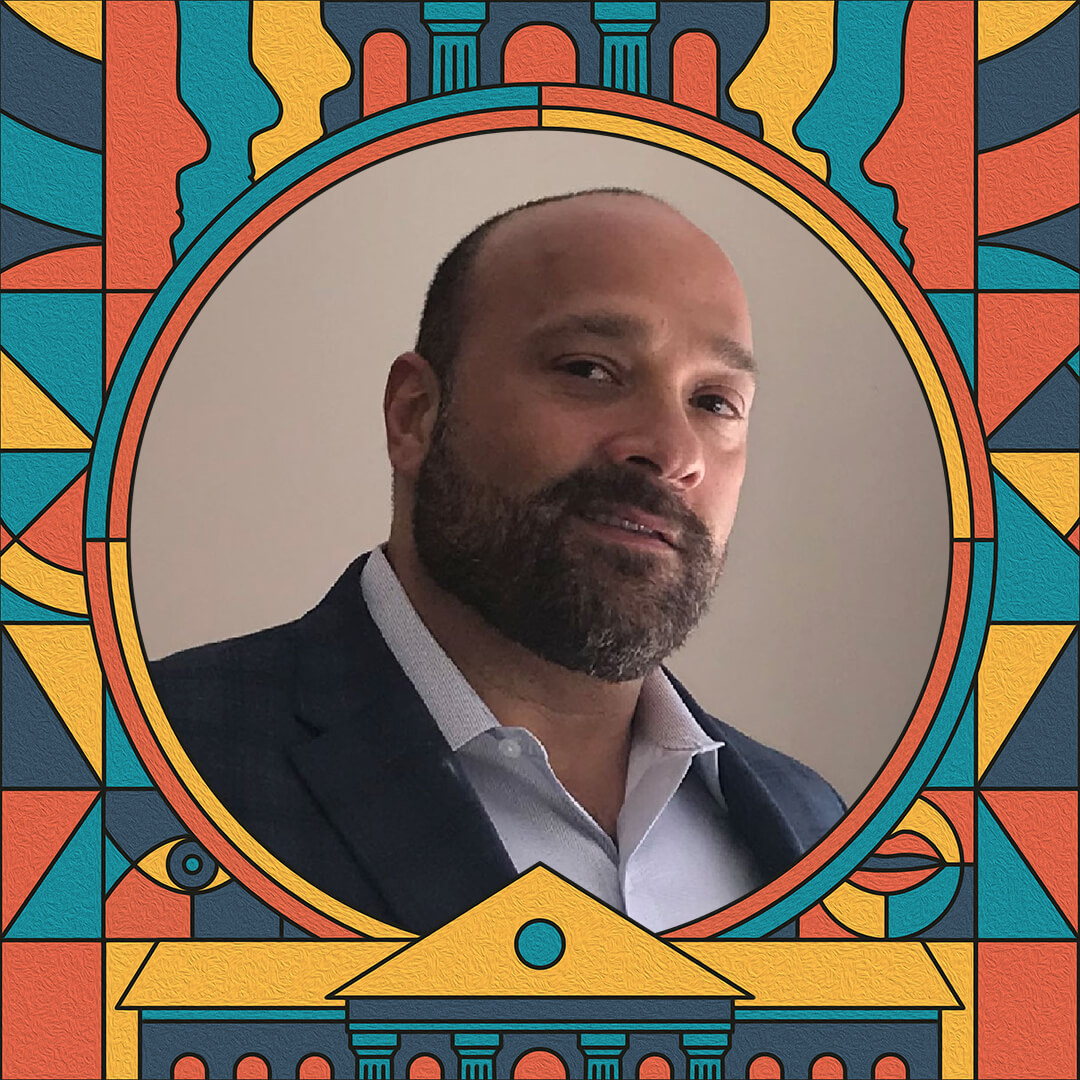
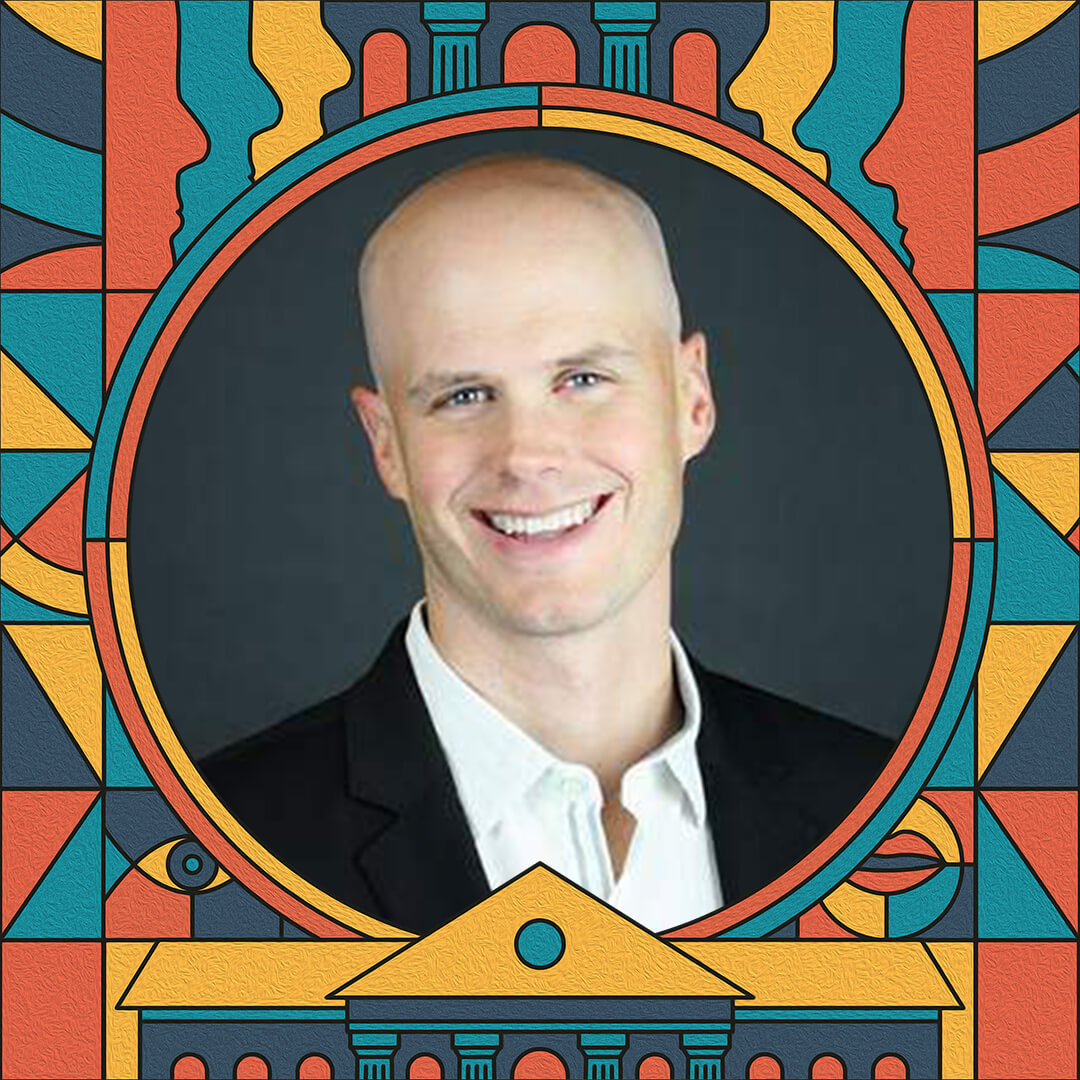
Abby: Welcome to Matters of Experience, a podcast that explores all the many facets of designed experiences and encounters. If you’re new, a big hello, and to our regular listeners, thanks for tuning in. My name is Abigail Honor.
Brenda: Hello everyone. I’m Brenda Cowan.
Abby: Today we’re talking with Ellen Lupton. Ellen is a designer, writer and educator. Her books about graphic design include Thinking with Type, Design Is Storytelling and Extra Bold: A Feminist, Inclusive, Anti-racist, Nonbinary Field Guide for Graphic Designers. She teaches in the graphic design MFA program at Maryland Institute College of Art in Baltimore and serves as the The Betty Cooke and William O. Steinmetz Design Chair.
And she is curator emerita at Cooper Hewitt, Smithsonian Design Museum right here in New York City, where hopefully some of our listeners were lucky enough to see her show The Senses: Design Beyond Vision, which was fantastic, with over 65 design projects and more than 40 objects and installations to touch, hear and smell. Ellen, welcome to the show.
Ellen: Thank you. I’m excited to be here.
Brenda: We are absolutely amazed at how versed you are in all things experience design, typography, multisensory design and of course, areas of psychology and perception. When we look at your vast and fascinating body of work, tell us how did you get into this profession in the first place? What are your own origins, and what have you brought with you?
Ellen: Well, all of my work really stems back to graphic design. I went to art school at the Cooper Union, where I studied art generally, but graphic design more specifically, and really everything I do comes out of that discipline, even though what I do with graphic design is much broader. I’ve become a writer, a curator, a speaker, educator. But the root of all that thinking is really in the art of visualizing language and communication.
Abby: And of course, your storytelling in design, which you so beautifully articulate in your book Design Is Storytelling.
Brenda: Absolutely. You know that by the way, Ellen is a favorite resource in my teaching. Listeners, Ellen brilliantly unpacks the elements of story structure and emotion and multisensory design, all with exhibition creators and users in mind. So, I have to give it a plug. It’s an amazing book.
Abby: So, you know, how is storytelling or let’s say, narrative experience a unifying theme, do you think, across the breadth of your work, Ellen?
Ellen: Well, if we think about design, almost all design has to function. It gets something done. It has a, you know, mechanical or user requirement component to it. But what makes design compelling to people is the element of sensation and emotion and surprise and beauty. And if we think about a story as having a plot, which is really the mechanics, the nuts and bolts, the facts of the story.
But when we talk about storytelling is how those nuts and bolts actually unfold for people. And that experience is temporal. It involves suspense and withholding and false leads, you know, all kinds of manipulations, right, of the mind. So I like to think about design as having that functional architecture but then this delicious, surprising flash of beauty and surprise and humor and sensory detail.
Abby: As you’re thinking about those storytelling points and how you want people to feel. There’s a lot of work that goes into making sure that you’re creating the right emotional response, right?
Ellen: None of it is easy, but it does become intuitive, just like storytelling for a writer becomes intuitive. We start to develop a vocabulary and a set of techniques or methods that seem to be effective.
Abby: And does it resonate with everybody across the board? Or have you noticed responses that surprised you? I’ve seen, for example, things where you thought people would be nervous or scared and they’ve acted in a very different way. So, you know, can you tell us about some of the reactions of the groups?
Ellen: Well, as a museum curator, that is a very humbling experience because we imagine people reading every word that we write and looking at every artifact that we have collected and looking at it in the order in which we intended, and the reality of museum work is that people make their own path through what you lay out in front of them. And so our goal can be to be as inclusive as possible and to consider the needs and interests of as many people as possible. But the reality is that each individual comes to it with their own desires and hang-ups and interests.
Brenda: Ellen, sensory design is a passion of yours at the moment. Can you tell us a little bit about what it is that you’re experimenting with, or what are you exploring at the moment?
Ellen: At the moment I’m actually more focused on typography. I’m finishing up my book Thinking with Type, third edition, which is very visually oriented. But if you think about how we talk about typography, there is certainly a sensory component to it. We talk about a typeface being warm or cool or being hard or soft, or blunt or spiky. And those are all tactile metaphors for what is really just ink on a page, right? We can’t really touch type. It isn’t really sharp. It’s not going to prick our fingers, we’re not going to stub our toes on it. But tactile language is so useful for people to describe what they see.
Abby: Talk to us a little bit about how you work with the different teams. Paint an honest picture, Ellen.
Ellen: Well, when I was a curator at Cooper Hewitt, we worked with wonderful big teams and the curator is really just one voice and is establishing the primary narrative, but we also collaborate with exhibition designers, with education staff who help to interpret the content and make it accessible to as many people as possible. A crew and a team of experts in museum construction who are very involved with the experience of visitors and the safety of visitors and the safety of objects. So it’s very much a big group effort. There are moments that feel lonely, and like you’re all by yourself. But then it very quickly becomes a big group project.
Abby: So something like The Senses then, was that your idea and your vision to start with, or was that brought outside into you?
Ellen: Yeah, that show was my idea. I co-curated it with my beloved colleague Andrea Lipps, and we had just completed together an exhibition about beauty, and when we were working on our exhibition on beauty, we, you know, had to contend with philosophically what is beauty? And one of the things that one keeps coming back to is sensory experience. And so together we thought, what if we did a whole exhibition just about the senses and not limiting it to beauty, but also function and communication, how the senses give us way more than, than beauty and pleasure. They provide us with the tools for survival.
One of the things that we did that was unique is really talk about sensory design in terms of accessibility. So not just, oh, it’s a fun experience, but how do we make this experience accessible to everyone, including people with sensory differences? And the book that we published with the exhibition is still in print and is a guide to sensory design that includes a lot of content about accessibility and how sensory design can be helpful for aging in place, for example, or for creating inclusive museum designs.
Abby: Have you seen then, I mean, thinking about your recent work that the industry has really changed, that exhibitions over the last 20 years, what would you say was some of the key changes that have happened?
Ellen: Well, museums are very interested in incorporating technology, both as an assist to, you know, illuminating traditional museum content, but also as a thing unto itself. Digital art, digital design, digital experience. Accessibility has become really important, has moved to the forefront of many museums. Agenda to make sure that all visitors are welcome, not just by meeting the codes of the ADA, but to actually create a welcoming experience once people are inside the museum. And that’s a learning that many museums are engaging in.
Abby: Actually, it’s funny you mention, like welcoming into the community. We actually created an app for Cooper Hewitt a little over a year and a bit ago, which was all about bringing the Smithsonian, Cooper Hewitt to the people on the streets, to people who didn’t feel welcome at the institution. How important was it to you in your work to create work that reached a new audience?
Ellen: It’s something that we, we aspire to. These audiences, however, have to want what we create and then we have to meet people, you know, where they are.
Abby: Do you think that maybe we should start listening more to the groups that we want to bring in and talking with them and creating a lot more of a sense of community?
Ellen: I do. I think many museums are engaging in that, and it’s, it’s a big job. It isn’t always what the staff is familiar with, right? It requires new skills, new people, new kinds of programs. And then sometimes those programs aren’t successful. You know, sometimes a museum will create something and imagine that the community will come rushing in and the community is still maybe not choosing to go to a museum as their first, you know, leisure activity. It’s tough. Museums have a long history of being intimidating exclusionary spaces, and that isn’t going to crumble overnight.
Abby: I was talking to Max Hollein over at the Met about the fact that they’re spending a lot of money on architects, millions and millions of dollars on three different wings with three different fantastic architects, and then they have their curators who’s going to make sure that all the right things are in there. And when I approached him and talked to him about, you know, experience design, what we do, just to be clear to all the listeners, what we do is we explain why the artifacts are interesting and try and connect with the visitor at a very base level so that they can understand history, enjoy history, have fun with history, and have a very informative and emotive experience in a museum. And he said, I should talk to the head of education, in my opinion, completely missing the point. You create exhibitions which are fantastic, immersive, multisensory. I don’t know how you manage to do it because you’re one of few people within the Smithsonian, I feel, successfully done that. How do you do that when it seems that the establishment doesn’t understand what you’re doing?
Ellen: One of the reasons museums are restrictive, uptight places is because stuff breaks if you touch it. You know, we have valuable things, things that it is our moral duty to protect for future generations. And so that means sometimes the museum is too dark or you can’t see things because there’s glass between you and the object. And you certainly can’t touch things. There just certain things about how museums exist that mitigate against the most inclusive, playful, freewheeling of experiences.
Abby: But isn’t that where technology or where very clever recreations or you could blow things up? Because I agree with you, some of these artifacts need to be preserved. That is definitely the responsibility of the museum. But alongside that, just thinking of other hands-on moments that people could have during their visit, just adding that layer of, as you said, designed storytelling so that the visitors could have a more connected experience and I think it’s very simple. I think it’s not difficult. It’s looking at moments throughout the exhibition where you can help enhance the story, I’ll call it. Beyond just looking with your eyes.
Ellen: Right, so you can create replicas of things that people can touch. There’s incredible work, my friend Steve Landau, who you might know, who does a lot of touch-based museum installations where you can touch an object that also speaks to you and explains what you’re touching, describes what you’re touching. This kind of supplement to artifacts is really great.
And then there’s exhibitions where there is no artifact, and it’s all about those kinds of experiences. But, you know, there are people that then question, is that authentic? The huge popularity of these Van Gogh projection exhibitions, you know, where it’s not the actual painting, it’s a light show. And yet people feel very invited to explore and sit on the floor and experience it at a different scale, experience something that they have some familiarity with. These experiences are extremely popular. Among museum professionals, there’s a lot of skepticism, you know, because it doesn’t seem scholarly and authentic.
Brenda: What’s your take, Ellen?
Ellen: I think it is really important to look at what people love and enjoy and to say, well, if we think there’s something missing there in terms of authenticity, how can we create an authentic experience that incorporates that level of enjoyment?
Abby: Yeah., I’m just thinking about what you’re saying because it’s putting an ultimate value on the authenticity of an object, in this case, let’s say a painting, and then it’s, again, really down to accessibility, because only if I have enough money to be able to travel to see all of Van Gogh’s in all the different places they are, am I truly having an authentic Van Gogh experience? I’m not sure that’s true. It’s a different experience., but sitting and looking at the work and not thinking about the brushstrokes because that’s what you get in person, right? You get the brush strokes, you get the scale of it, you get the intimacy, but you have it at a completely different scale, right? It’s all around you. You’re seeing it brought to life. So, you’re having a different sort of a relationship with the painting.
Ellen: Right, and the question is, is it less authentic? I’m not sure. So, the filmmaker, Peter Greenaway, has been making films of paintings projected inside architectural spaces, since way before the Van Gogh experience. Nobody questions are these authentic? They give us a filmmaker’s unique experience of great works of art that in a way allow us to see them better than we could in the environment where the original exists.
Because it brings us in close. It gives us details. It allows you to kind of enter into the painting. So I think there are like really great artists creating these digital interpretations of art that really become a work of art in and of themselves.
Abby: Peter Greenaway, goodness me, he’s a phenomenal film director, and you’re exactly right, and then who’s to say who’s an artist and who’s not an artist. But I guess that’s what the museum institution is built on and values, which is their knowledge, right, because it’s very important, you know, when it comes to antiquities and objects that they’re verified, that they’re showing us something that historians have approved of. This is genuine. This is real.
Brenda: But I’m thinking about the conversation we just had with Annie Polland at the Tenement Museum and the role of, in their example, the authentic environment with a number of authentic, if you will, objects: the wallpaper, and the linoleum on the floor and some stray objects that they were able to find during various excavations. And then also how they incorporate a lot of other objects that are from the same period that suit the same story that, you know, are really practically just like what would have been used by the family featured in the particular environment.
And yet, you know, the question of authenticity can also be a bit of a, you know, going down a rabbit hole because at the end of the day, you’re serving the story as I see it, and at the end of the day, you’re serving the visitor and bringing them into new ways of thinking, into new ideas, into a story, into an emotive experience, and having as much sensory-rich experience as possible. And I think there’s room for both, I guess is where I’m going.
Abby: Oh, Brenda, Brenda, right on the fence, as usual. She’s straight down the middle, not left, not right.
Brenda: I’m the Libra! Everybody needs to know that, yes, it’s true. I am a Libra, which means I am always going to see both sides.
Abby: I will add that last time I was in, looking at Da Vinci’s Mona Lisa. Oh, my goodness. Couldn’t get close. It was a complete Instagram moment. It was just a line of people taking that quick picture and that quick picture and that quick picture. So, I was trying to have a profound moment with Mona, but it didn’t quite work that way.
Brenda: Abby, Abby meets Mona.
Abby: Alright, so let’s talk about the role of media. You think that online exhibition experiences, especially during the pandemic, have been unsatisfying, but the programs and workshops did well. What do you see as the role of media and technology in experience design? Like how should it be used, and how should it not?
Ellen: Well, creating experiences for people during the pandemic online was huge. We did so much of it at Cooper Hewitt. I participated in so many events all around the world as an audience member, as a scholar, you know, in every way. It was really incredible. But those were, you know, lectures, programs, workshops. I did not find it satisfying to look at an online exhibition.
I think those might be useful to, you know, a college student writing a paper, you know, for me, doing research, wanting to know what other museums are doing, you know, what websites are super important, journalists writing about exhibitions. But I never found an online exhibition experience that was really satisfying. However, that opening up of the museum to these other kinds of programs was and is incredible and hugely expanding audience and reach and accessibility.
Brenda: Do you think the people are now seeking different kinds of experiences as a result of the pandemic, as a result of their Zoom experiences? Are you seeing a huge shift that’s been prompted now?
Ellen: One is there’s a backlash against all that online experience. So, lots of people don’t want to do things on Zoom anymore. Personally, I hate now speaking on Zoom. I don’t like doing Zoom talks. However, I would be heartbroken if all the institutions that sponsor events on Zoom stopped doing them because as an audience member, I crave the convenience. You know that I can go see something in San Francisco or London and be folding my laundry while I’m watching it is huge.
Brenda: Absolutely.
Abby: What do you think listeners should know about what’s happening in designed experiences right now? Can you share some of your thoughts about what you think’s working over the last few years from a design perspective and what’s not?
Ellen: I think when people go to a museum, they don’t really want to interact too much with like kiosks and touch screens, things where they have to learn how to use the equipment. I think what’s much more successful is highly intuitive experiences like projections or screens that are already playing where you don’t have to do anything to make it play.
I feel like those things are more successful. I certainly enjoy them more when I go to museums and I also just observe often these things kind of abandoned and people not really doing much with them. So I just, I feel that demanding less from people with technology is a plus.
Abby: What about comfort? Do you ever think about comfort?
Ellen: Absolutely. I think seating is really important. I think, you know, light levels, to the degree that it’s safe for objects is really important. I think availability of food nearby is very important. People get fatigued in exhibitions. And so providing rest is, is really crucial.
Abby: What about fatigue with words and reading? You know, what’s, what’s your take on too much text?
Ellen: I think some people really like to read. I know I do. In museums I read quite, quite a bit. And the thing about reading is you don’t have to do it if you don’t want. So I think some museums are too scared about having text available. I think people can decide for themselves how much to read.
Abby: What’s it like designing on a small budget, Ellen? What are the things that you have to take into consideration.
Ellen: I think what’s really essential to doing a beautiful exhibition is working with designers and not thinking that an exhibition is just putting together some cases and, you know, turning on the lights. And so designers are incredibly gifted at value engineering and at finding materials that will do the job for less. They also come up with visionary ideas that cost just too much. But designers are really key to creating experiences that are exciting and beautiful. We just can’t do it without them.
Abby: So how does that work? Say you’re working with a designer and they come up with a great vision. They know roughly your budget, but it’s it’s, as you mentioned, it’s just stretching it a bit too far. How would you, you know, wrangle that designer? How would you inspire that designer to sort of cut corners? What sort of conversations would you have with them?
Ellen: Disappointing ones, and I’m disappointed too. You know, when we can’t do things exactly to the, the vision of the designer it is, is disappointing. But you know, I think all creative work involves having a, having an idea and bringing it down to earth, you know, shaping it, reshaping it. And the restrictions aren’t just about money. They’re also about fire codes and safety of objects and touch distances, foot-candles and all kinds of things that are constraints on the museum environment.
Brenda: Well, I’m thinking back to the Cooper Hewitt, and I’m thinking of the Tools exhibition and an example that I think was tremendously elegant and so much time and attention had been put into the curation, the juxtaposition of objects and very elegant, clean displays that really enabled the objects, this incredible, intelligent and exciting creative breadth of objects really enabled them to shine and to tell the story. And if I recall correctly, there was not a lot of technology.
Ellen: Yeah, there was a machine involving sand and inscribing some pattern or data into sand. There is a huge screen of the surface of the sun that was very impressive. I mean, a screen is not terribly high-tech, but I like what your memory is, how clear and concise and kind of allowing the objects to shine.
Brenda: Yeah, I guess I’m just making an argument for simplicity and for the analog moments as well within an exhibition in that smart design is about using all of these tools and it’s about using technology and frankly, the expensive stuff when it really matters.
Abby: Ellen, as you look at your legacy and the challenges that you want to address in the future, because you’ve done a lot already. So I want to, I want to know what are you excited to do moving forward?
Ellen: I’m excited to write more, which is the ultimate multisensory experience. I mean, when we read fiction and non-fiction, we are transported into people’s minds and what they’re feeling and what they’re seeing. And we have feelings of tactility and sound and atmosphere. It’s just amazing. And it’s all done with no technology. And so, in this phase of my career, I left the Cooper Hewitt one year ago, I’m really just excited about being able to create things with less and to use the tools of language and visual communication in a, in a really simple way.
Abby: What’s interesting about the written word is, as you describe it, I think everybody probably has a very unique experience.
Ellen: Yes, we make our own pictures.
Brenda: I just really appreciate how pardon the pun, but we’ve got bookends here because we began talking about type and we began talking about text, and here we are yet again talking about your love affair, Ellen, with typography, with text, with the written word.
Ellen: Perfect.
Abby: I have just one last question. So, when you’re teaching graphic design, if you could tell your students one thing that they remember throughout their career, what would it be?
Ellen: Imagine the user. Imagine other people encountering your work. What will they make of it?
Abby: Thank you, Ellen. It’s been a lot of fun chatting with you today about your work, your books, and all of our senses. Thank you so much for joining us.
Brenda: Thank you, Ellen.
Ellen: Thanks for having me. I really had fun.
Abby: And thanks to everyone who tuned in today. If you like what you heard, subscribe for more episodes of Matters of Experience. Please make sure to leave a rating and a review and share with a friend. We’ll see you next time.
[Music]
Producer: Matters of Experience is produced by Lorem Ipsum Corp and recorded at Hangar Studios. Tune in next time for more fun discussions about experience design.