[Music]
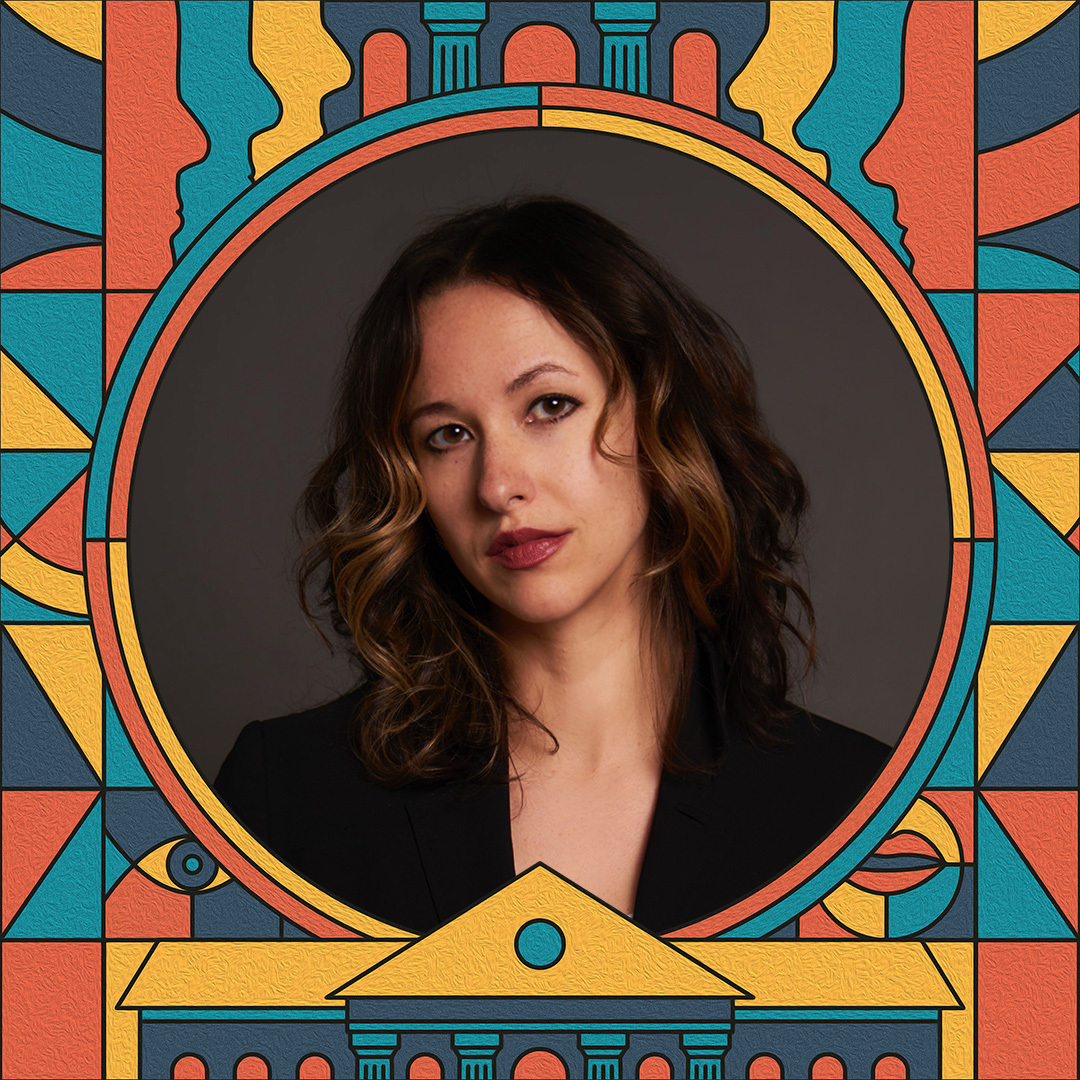
Abby: Welcome to Matters of Experience. My name is Abigail Honor.
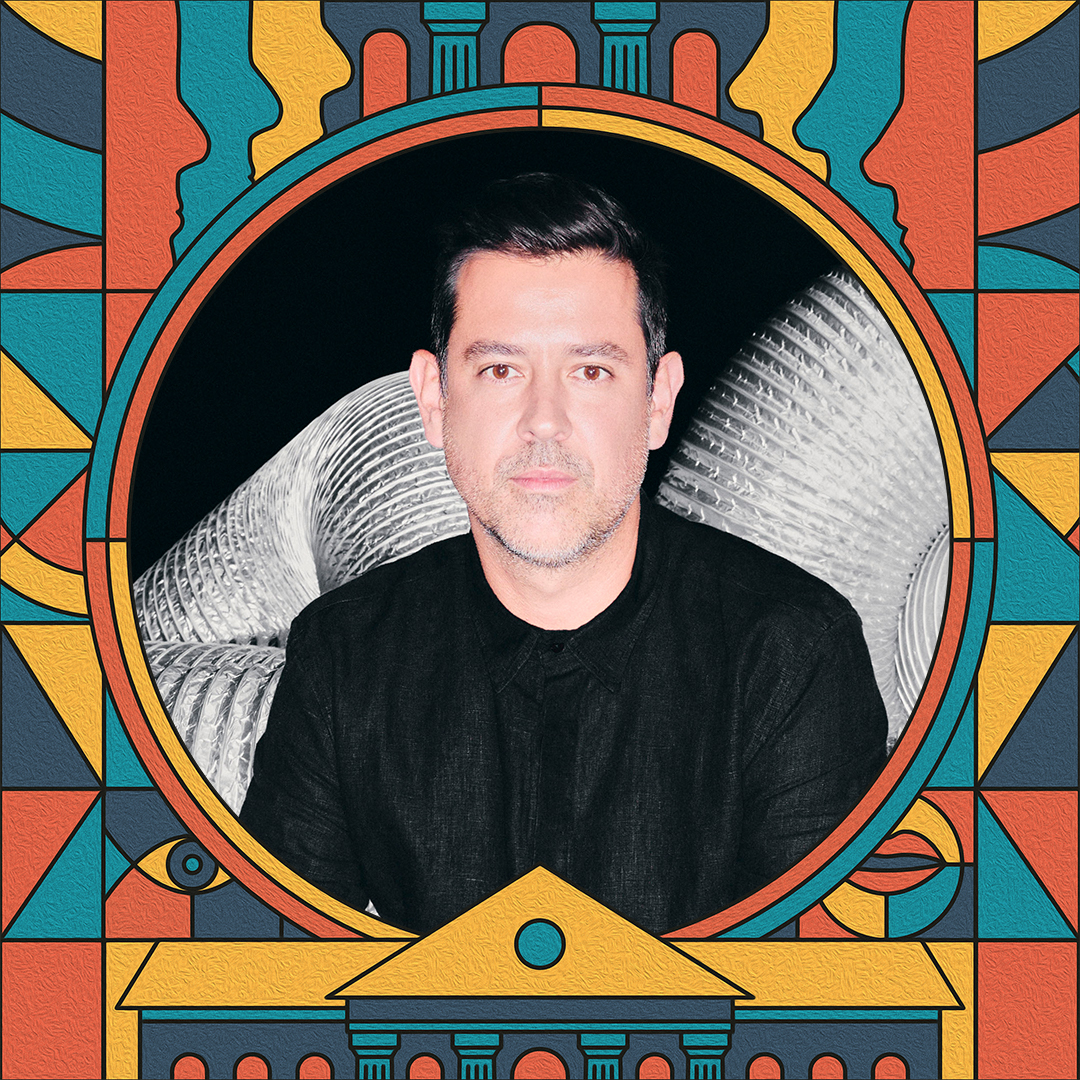
Brenda: Hello, this is Brenda Cowan.
Abby: This podcast is produced by Lorem Ipsum, a multimedia experience design company headquartered in New York City, and our podcast explores the creativity, innovation and psychology driving designed experiences and encounters. Hello to anybody listening for the first time, and welcome back to our regular listeners.
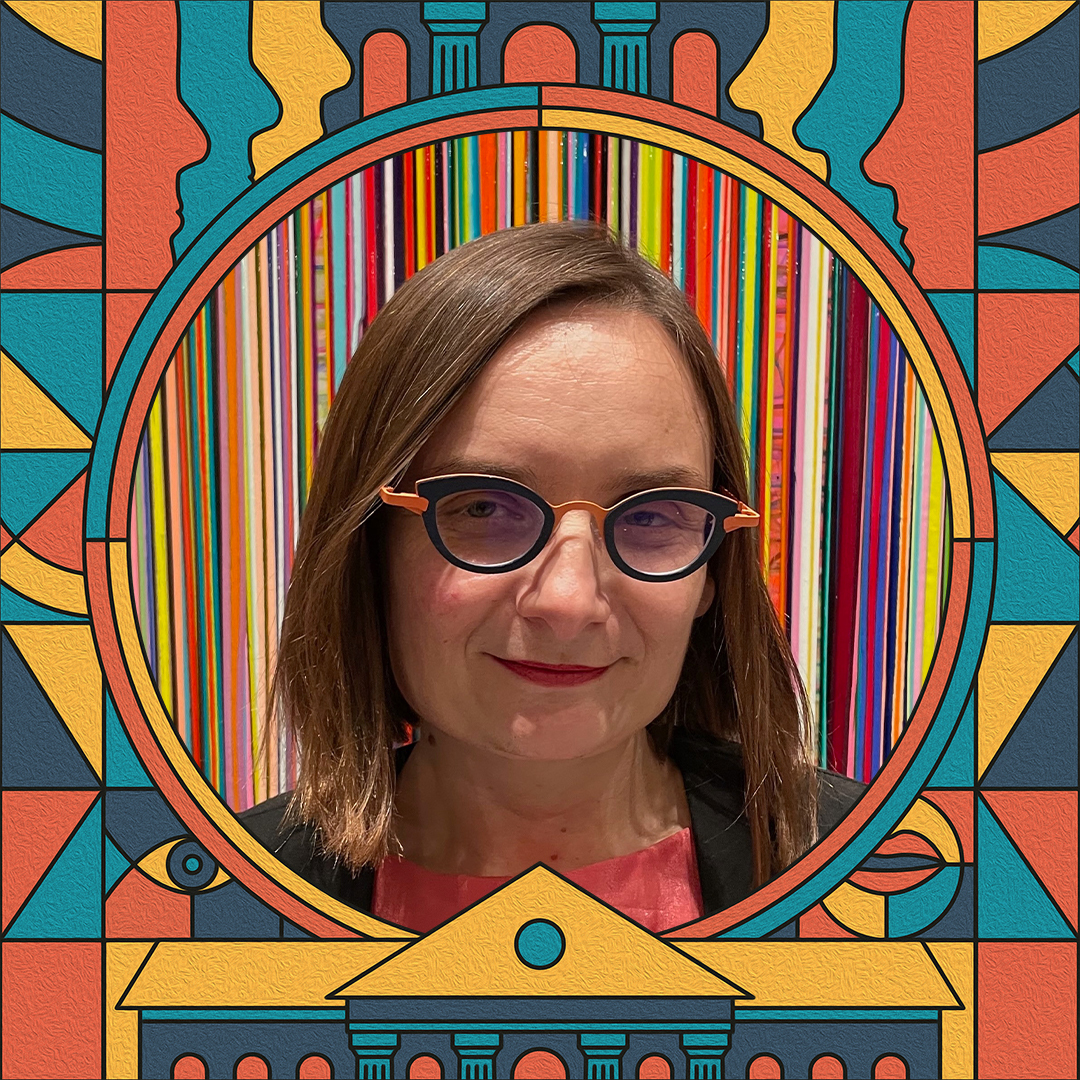
So today we’d like to welcome Monica Herman to the show, who currently works at Giant Spoon as their VP Executive Creative Director. Now, besides being responsible for the now pretty iconic House of Dragons second season promotion—which was awesome, and from my apartment I can see the Empire State Building, and there was suddenly this huge dragon creeping around the top and I was stoked, and like, “who is the genius behind this?”—and part of a fantastic integrated campaign across the city and around the world, Monica has also led experiential creative globally across Vice Media Group. And you were responsible for 29Rooms, which was another viral sensation, and you’ve got what, interestingly, both an architectural and agency background, which seems like really that sweet spot in so many ways right now. So, Monica, I’m excited to talk with you. Welcome to the show.
Monica: Thank you so much, Abigail and Brenda. I really appreciate you having me. I’ve known Brenda for years now, and I’ve been, it’s been such a pleasure visiting her class at FIT and just hearing all the great things she’s working on, and I’m so excited to talk to you both.
Brenda: We are really excited to have you, in part because you have such a breadth of areas of experience, exploration and expertise, and you’ve worn many different hats throughout your career thus far. And when I think about your work, I think about how it is that you always create with an eye for storytelling and creating epic experiences in different kinds of ways. So, we’re going to begin by just asking you about where your journey began. How did your creative world begin?
Monica: You know, it’s funny because I had parents, you know, who loved the arts, who encouraged me to do whatever. And I think, you know, I came to that very naturally. But I’d say the origin story starts with Sex and the City, which came out, I think, when I was like in sixth grade or eighth grade or somewhere around there. And I remember, like my rich friend had HBO, right, and like I would go over to their house and like when their parents weren’t watching, we would like, turn on Sex and the City, and like, my mind exploded, you know, I was like, this is New York City?! And like, the clothes and like the fantasy and it’s, it’s funny, you know, you watch it now and, you know, there’s 6000 ways it’s problematic, but for, you know, a 13-year-old in Michigan, I was like, must get there. Must do those things.
Brenda: I was just going to say, so were you like in like an urban setting or—
Monica: No.
Brenda: More of a suburb?
Monica: Small town.
Brenda: So, this was new in a whole variety of ways for you?
Monica: Yeah, it was, it was. And, you know, my mother’s family is from Chicago, so, you know, been going to the city, it wasn’t like I was on the farm, like seeing, you know, television for the first time. But just this idea that cities were just full of possibility and again, being a very aesthetically driven person, just really being blown away by this idea.
And of course, not just that, but any other cultural reference at the time where you just saw like the, like I said, the fashion and the architecture, and so I was very single minded sort of in that approach and I, I remember I think it was in like my, like a school play program in my, you know, senior year where I said, like, I wanted to be like Charlotte York. I wanted to go in art and business. Like, that sounded right to me. You know, I was like, yeah, that I get that.
Abby: So, yeah, what happened next?
Monica: Well, what happened next is I did get that art history degree at University of Michigan, and I came to the city actually planning, in all seriousness, to go into art business. And I had wanted to—I always knew I wanted a master’s degree, but I moved to the city, I graduated from undergrad, came to the city in 2008, which is when the economy crashed and I had gotten a job through some connections at a textile and rug gallery in Soho, which was like amazing.
So, working in Soho, you know, I was a gallerista, you know, I was at the front, and I was doing all those things. And, you know, I was watching the economy, like, collapse around me. Right? And quite literally, cause you’re in Soho, you’re just like seeing the streets empty out, you know, and people would come in and inquire about this and that, but no one’s buying, you know, $25,000 rugs in 2008. So, watching that experience and watching my boss, who had just recently started that business, sort of grapple with that, I got a little scared, you know, like, and it was okay, and I said, wow, like, I want a, I want a hard skill. Right? And I felt, you know, the luxury market, which is what art really is, you know, for if we’re getting into it didn’t seem like the right thing to go into at the time, especially because, you know, I didn’t necessarily have the connections to like, make it in that market.
So, I said, okay, hard skill, hard skill, how do I get one of those? And I remember—I swear, I don’t watch that much television, but maybe this is just younger, in my younger days—Project Runway was very popular. So now I’m Sex and City, Project Runway. I’m definitely gonna regret this podcast later. So, I said, like, maybe there’s something with fashion design. So, I looked up Parsons and I was super interested. But you know, they didn’t have a master. You had to get an undergrad, and I didn’t want to do that at the time, I knew I’d be doing this on my own with student loans, so there’s just a lot of factors there. And I came across a master’s program for architectural lighting, and I saw that, and I said, that, like, I want to do that. I don’t know what that is. It sounded great. I must do that. I ended up going to the dean because I had no portfolio. And I said, like, let me in, let me in. Please. So, he said, okay, go to summer school for architecture, which I did. And then I started my master’s in architectural lighting design, and then I ended up working in that field for two and a half years after grad school.
Abby: Wow. That’s amazing.
Brenda: No, it’s, you are exactly what I hope all of my graduate students would be like. You know, and actually, I think that they really are because so many of them, right, likewise, they come into the program, they’re just like, gimme, gimme, gimme. I want to get into this industry. I want to get into this business. I don’t even know exactly, entirely precisely what it is, but I know that I want it, and that’s such an important way to think. And I can actually see back to the original idea of, you know, the origin story. It makes sense that you have ended up or at this point in your career, doing things that are really innovative and really different and unexpected and really spectacular in a lot of ways.
Abby: How did you decide to sort of move over or include all of the experience design you’re now doing? So, what was that transition like and why did it happen?
Monica: So, I was really lucky. I ended up in an incredible architectural lighting agency, I would say the best in the world, the Office for Visual Interaction. And my main client was Zaha Hadid and I was working on—
Abby: Wait, your main client off the bat?
Monica: Yes, off the bat.
Abby: Wow.
Monica: Off the bat, that’s right. And so, you know, working on the Zaha work and traveling to Rabat and traveling to London and being under the tutelage of such incredible designers and the founders, Jean and Enrique, absolutely amazing. It was like going to boot camp.
Abby: How were you chosen? Why, why you?
Monica: You know, you’ll have to call Jean and Enrique and ask. But I do remember, I was lucky, I remember they came to see my thesis presentation. Maybe what they, they saw in my work, which, coming from liberal arts, I was so obsessed with sort of psychology and the human experience, and I remember, so there’s, there’s a tendency, I think, in some of those, theses that I’ve seen now over the years, because I go back to school, for people to, to really focus on sort of like tactical problem solving, and a lot of the themes come up again and again and they’re not bad. They’re ripe for, for discussion, whether it’s like, circadian rhythms or, you know, hospital lighting or all these things.
But I really came at it from what I saw as like a very sort of emotional, romantic, and I was, my thesis was about, you know, how lighting profoundly can influence people’s relationships in space, right, so if I’m having this conversation with you at this table and we’re under this fluorescent lighting, that sets the tone, if nothing else was changed except suddenly it’s just me, you and a candle between us, like, everything’s different. Just, just by changing that. And I, you know, I found that subject so fascinating, and I think it was, it was different, and they respected that.
So, back to your question, which was okay, but then how did I go from that to, to leaving that. And I think it speaks to okay, I was with the best in the industry. I was, I was working on the best architect in the world. I was working on the most exciting projects, and I wasn’t fundamentally happy. And I don’t know, happiness, if you want to say it that way, but there was something that, I think, about the field was potentially at odds with my personality or the kind of things that drive me, which has to do with probably my worst trait, which is like impatience.
And I think to be a successful architect, and you could, I’m sure other people would argue differently, you know, you—patience is really a key virtue. And when I spoke to the really passionate architects, you know, on Zaha’s side, the way they spoke about their work and the idea of legacy and leaving something behind and their dedication to seeing something through with decades, you know, I’m sitting across the table and being like, that’s so cool. I don’t feel that at all. Like I just, I didn’t feel that way.
And so, I was sort of fixated on this idea, like, what is this? How could I possibly be bored in this field that’s fundamentally unboring? But to me, who just, like, wants to keep moving on and trying new things like, I don’t know that I have it in me to really sort of dive in for that decades long, which is what the projects deserve, and which is incredible. I wish I was that person.
Abby: Is it the legacy part that you weren’t—like if they’re doing these ten-year projects so that they can leave a legacy and the building will stand, is the projects you do now, one, bam, they’re done. You are leaving a legacy of the work that you’ve, I mean incredible work, your portfolio, but a different sort of legacy I guess, not one that people can go and physically enjoy. So, do you think about your legacy in your work right now?
Monica: No, I think about my legacy in my personal relationships, and I actually think, so that’s one of the things that gives me the freedom to enjoy my job is that I take my work very seriously, and I am so dedicated to and I have so much gratitude. But it’s a cliche to say, like, we’re not, you know, curing cancer, but it’s a cliche for a reason. You have to approach work that way where it’s, you know, your, you kind of say like, this is fundamentally, it’s a non-necessary thing, that it’s just a joy to create. So yeah. So, I’ve never felt that. I feel very motivated by my career. I love to work. I feel lucky to work. I’m ambitious, but I’ve never felt like I must leave my mark on the world. I’d love to. I mean, I love reading, so I get so jealous of novelists, you know, and I wish that was me, but since it’s not and when I look at that, I’ve never felt like, oh, that’s the thing I need to leave behind.
Brenda: You strike me as a very highly present person, and a person who’s really all in, in the moment and being creative and really thinking through what it is that you’re doing and being creative. And it just seems to me that working like that, you know, whether it leaves a legacy or not, who cares? We’re in the moment, we’re making something cool as shit, right?
Abby: But she’s making—you are, Monica, communicating with people because you’re making memories and moments for others which leave an indelible mark, and they’ll remember forever and ever. Like when you think about Sex and the City and that little relevance that it played to you in moving to New York City, when you see some of or encounter some of the projects that you’ve worked on, I mean, they really connect with people, and I think that they’ve built those people’s memories and people hopefully will be inspired in whatever it is they do after being immersed in some of the amazing things that you’ve created, that I know we’re going to go on to talk about. So, I think that you’re, the way you are and who you are is very much reflected in the type of work you do.
Brenda: I think that there’s a big difference between doing creative work because it’s what you want to do, and it’s where you are, and it’s the headspace that you’re in. There’s a difference between just doing the work and/or protecting your brand, so to speak. And I think that that makes for really different kinds of projects, if I were to guess.
Abby: And then moving to your projects, so you work physically, digitally, conceptually, and all of your work really connects people together in very powerful, playful and even I would say introspective ways. So, I’m thinking about the Samsung YOUniverse (y-o-universe to those listening) Experience, the Adidas City Takeover that you did, and Unbothered Wash Day. So, you’ve done a ton of different projects for brands and messaged in ways that really reach out to participants in meaningful and personal ways. So, tell us about some of your projects where you think the story really was evergreen or archetypal and connected with people in fundamental ways?
Monica: Well, let’s talk about Unbothered Wash Day. So, this was a virtual event—that cursed phrase, virtual event. But this happened in January, I believe, of 2021, right, so right in the thick of the pandemic. I was working at Vice at the time, and Unbothered was a Refinery29 subbrand focused on our Black female audience. And there had been success editorially with a column called Wash Day that focused on ritual and haircare, and the idea of that sort of time of week where our Black female audience was doing, sort of, wash day, doing hair. And there was so much talk around that, and there was so much online community forming. How can we celebrate that community and kind of make it bigger than people’s personal routines, but find a way to really celebrate that culture with the audience?
So actually, kind of inviting everyone to a shared wash day in which we had creators come in to talk about self-care and talk about what self-care meant for our, the community of readers in that time in the pandemic, I mean everything from sort of products to mental health to, all of that coming together. So, I think doing that at the time and just creating that space and sort of more literalizing the idea of a community coming together for a virtual event versus sort of just everyone sharing stories. You actually got to be live and talk face to face and sort of share your experience or meet some of the creators you were interested in. So that was great. And I remember we won an award for that. It felt like a gift. Right? You’re not, you weren’t sitting there saying like, oh, we want you to do this, or we have a message to you. It just felt like we were actually giving something to, to the audience who at that time, it was something to do when no one could do anything and just, a way of sharing experience during a really complicated time.
Brenda: I’ve got like so many thousands of thoughts and responses now and what I love about listening to you talk about Unbothered Wash Day, right, is that you talk about it, from the perspective and for the perspective of the audience, right, it’s all about the audience. It’s all about the person who’s going to engage, who’s going to get something out of it.
It’s not about your personal brand, right, and it’s probably why you’re able to work with so much speed is if you take that, if you’re taking that approach, are you taking that approach like with every project, like do you, you know, start with, okay, the end user and where are they coming from? Who are they? What do they want? What are their expectations? What are they desiring, you know, and then how do we craft towards that?
Abby: I’m going to build on that just for a second and say, yeah, like how do the projects come to you? Are they, help we need, this is our problem as a brand, you know, this is our community, like how is the process of the way the jobs come in and then how’s the process of the way that you’re ideating and who for, the client or the customer?
Monica: Well, first of all, it’s always for both, right? So, it’s not binary. And that’s a great, but it’s a great task to say that is it for the client or the, or the customer. You do start with the business problem, right, and that’s, that’s what we’re in, right, like we’re not there just to do cool things because it’s cool.
We’re there because we’re addressing something, whether that’s awareness, no one’s ever heard of this brand or perception, it’s maybe a big box brand that wants to look cool and culturally relevant. You’re really thinking about kind of, what is it this business needs to sort of accomplish, you know, it’s viewership, it’s sales, it’s whatever, and you, you start there and we’ve got strategists who come in and they, and they come up with that approach and you sort of figure out what it is that you’re trying to say. And then this is really, really important. And we can talk about this when we get into House of the Dragon or something else, you then craft the medium coming out of that, right, so you never if you’re, you know, you don’t approach it being like, okay, we’re going to do a screening, we’re going to do a pop-up. You can, but that’s not the work I’m interested in doing now.
So, it’s like, and I’m talking about this in the ideal state, right. So it’s identifying that and it’s identifying for me a hook, right, and I think like one of the things that is, can be a pitfall both for creatives and for brands is this desire to accomplish or say, every single thing you’ve ever felt about sort of your brand, you know, through the lens of like an experience or something like that. And I get that impulse, like I really, I sympathize with, I empathize with it, you know, so my job is to sort of guide people away from that because I’m like, you know, let’s take, for example, a television show, right? You know, you’re like, I don’t need to recreate the story that your show does that, my job is to not take that and then replicate it out in the world. My job is to just get people excited and wanting to learn more, wanting to do that next step.
Brenda: Well, this is, I mean, it’s the perfect timing to just have you talk about House of Dragon. You know, I’m excited and just want to sort of introduce the question by talking about the physicality of House of Dragon, that campaign, which I, I think it was mind boggling in just the best possible way, and not just because of all of the various media elements, but because, you know, there were so many physical, you know, monumental physical attributes to it.
And, you know, maybe it’s just like a personal thing for me or whatever, but there’s something about taking over the Manhattan Bridge, the Empire State Building, the Brooklyn Bridge, right, and seeing that and driving past that every single day or walking down the block from it. And it would be wonderful for you just to share with our listeners, how did you come to those, and if you would just describe a little bit about what the physicality was, in particular?
Monica: We had done House of Dragon Promotion season one, and in that, you know, HBO had come to us and they’re so smart, like, our clients at HBO are great marketers. So, they knew sort of for season one that they wanted to reach the sort of all existing fan base first, people who love Game of Thrones, bring people into the world of the show.
So, when we did that, we created an immersive experience at Comic-Con. It was a standalone recreation of the Red Keep, in which we invited fans to actually line up and experience hatching a dragon for themselves, right, so it was very theatrical. There were literally actors there, you know, you are recreating sets in some ways and bringing this to life and tapping into that, like true fantasy element for people who already were sort of invested in that, or we knew we could kind of reignite that.
Now, season two, right? They’ve got a foothold and now they want to go big. So right, I said season one, we bring people into the world of the show, season two, we brought the world of the show into our world, and we’re doing that in service of what they had asked us to do, which was kind of tease the narrative structure of season two, which is that basically there’s two warring factions, right? You have two, kind of, competing queens, you have a green council and a black council, and the whole sort of, all of season two is built around the idea that all must choose, right, and like there are two sides, everyone must choose them. Like everyone’s going down, but they’re going to go down fighting and there’s sort of no middle ground.
So, in doing that, you know, we’re like, okay, but how you do that, I’m not going to get there and I’m not going to make a billboard experience that’s like, so Queen Rhaenyra did this and Queen Alicent did this, and this is why she—no one gives a shit, right? I’m going to lose people right away. But if I can tap into, if we can tap into people’s sort of existing affinities that you’re already familiar with: Mets versus Yankees, this bagel shop versus that bagel shop, your competing housewives, you know, whatever it is that you already—everyone loves competition and rivalry, you know, whatever that is. If we can find a way to bridge those affiliations suddenly without doing anything at all, we’ve got you, right, and this was a multifaceted campaign.
So, you mentioned The Dragon. That was a big stunt. And then we made it really, really simple, right? You know, it is just kind of like green, black, green, black, all must choose, and these inciting messages. So, it was this combination of meeting people where they are and doing it in a very simple and visually ownable way, right, so just saying like green and black banners like, that’s it. And that’s one of the things you’ve got to really think about is, you know, what is the ownable sort of visual symbol for the show.
Brenda: Why do you consider season two House the Dragon, one of your best, your very best projects?
Monica: Yes. I love it in its simplicity, and I love that it defies categorization in some point. So, I’m very careful, like people say it’s an experiential campaign, I’m like, no it was not. It was a 360 integrated campaign. It’s not a, you know, whatever you want to say about it, it wasn’t, it was totally unique in that respect. So, they didn’t come to us and say, okay, we want necessarily a massive stunt. They just said, what is the best way to get people to raise their banners? World’s your oyster, any canvas you can think of. So that was competing trailers on YouTube. That was the sports partnerships, like I said, we did do the bar nights of sort of competing cocktail bars that, you know, different places in Manhattan, you know, competing pizza spots to the stunt to that—
So, it’s like when you. when you really look at the breadth of all the ways we brought that message to life and showing that that simple concept of just sort of assigning allegiances, right, is infinitely scalable. We just, we went wild and that was very fun. So that’s, that’s what’s interesting to me. I’m always looking to build, to break medium.
You know, we could talk about this idea of like, what experiences, you know, are or can be, and I think the idea of pushing medium and it’s not always like a pop-up, there’s not always, you know, 6 to 100 pallets of plywood, you know, in a built thing going into this, it really can be everything from a social experience to the sort of shared awe that comes when, you know, all these millions of people in the city walk out and they’re on their commute and they see a dragon on the Empire State Building, and I’m getting texts from people I haven’t heard from years, like, oh, I work on 27th Street, and we looked out and we could see it. So that was really sort of incredible. And I think the one other point you brought up was that mix, and you said this of what was real.
And Brenda, you asked about, you said physicality, what was real and what was not real, you know, what was CGI. And that was very important to us too. And we knew, like, okay, we wanted to do some things or show up in places we know we’d never get the permits for, even though if anyone can get permits, it’s Giant Spoon, but we knew if we went like pure CGI, like it wouldn’t land, right? So, what we needed to do is actually mess with people, right? And not in a, like a manipulative way, again, like you’re, you’re trying to trick people, but to just say like, whoa, like this is incredible.
Brenda: It’s playful, in a playful way.
Monica: It’s playful, you know? So, when you look at that, like those banners on Grand Central, Rockefeller Plaza, the New York Stock Exchange, like all of those were real, right? The dragon was real. So, you see that, and then you’re like, but the bridges, they’re not, you know, and everything, it was just like a total, so people were actually, they didn’t feel tricked. They were having fun. They were having fun, kind of understanding, like what they were seeing.
Brenda: If you could have anything that you wanted where, in terms of experiential, where do you hope things go five years from now?
Monica: I hope they’re sustainable. Right? That’s going to be a really interesting challenge and one I don’t have the answer for. Everyone’s been trying for years and years. But it’s you know I think substituting you know sustainably sourced MDF versus not is not the answer, right, like it’s going to take like pretty wild innovation to think about what that means. Right? Like it’s not just recycled materials. So, I think it’s a sustainable industry in which we can find ways to bring these stories to life that are low impact, and doing that through technology, through sort of social invitations versus maybe built environments as much. I love built environments, so it’s a tricky—makes me nervous to even say that because I love a built environment, you know? But I’m thinking, well, how could I do that sort of absent of materiality in some ways and just kind of invite people to experience things different?
So, I would say in five years I want to define that, and I want to find a way to always keep doubling down on relationships of people in real life. You know, that’s what inspires me is to see kind of what people are, what they’re doing in the world. There’s a reason I’m in experimental and that, you know, I just love that. So, I don’t know, I think it’s that and it’s, it’s making sure that the technology, while that will advance and we’ll find different ways of kind of creating environments, that they’re all in service, of just making things feel more human than they were ever before.
Brenda: You just have such an insightful way of thinking about, really, the whole world of experiential and the nature of people, and which gets back to your, right, origin with your interest in psychology.
Abby: And community building. A lot of your work brings communities together virtually or in person. So, you’re building communities, which essentially is what we all try to do, whether it’s exhibit design or in all the advertising that you do. Yeah, you bring together these people, so they keep this human connection, and the delight and all that you bring, we don’t have enough of that in the world.
So, thank you for all the work you do. I think it’s absolutely incredible and really excited to see what you can do next in New York City, what’s around the corner.
Brenda: I don’t know, I see you hitting rural areas next.
Monica: I would love that.
Brenda: I see that in your future.
Monica: I can’t stop dreaming about crop circles. I hope that’s not a hint.
Abby: Oh, you heard it here first, crop circles.
Brenda: No, I’m seeing you do major earthworks. Okay.
Abby: Thank you so much, Monica, for joining us today.
Monica: Thank you so much for having me.
Abby: And thanks to everyone who tuned in. If you like what you heard, subscribe for more episodes of Matters of Experience wherever you listen to podcasts, make sure to leave a rating and a review and share with a friend. See you next time!
Brenda: Thank you everyone!
[Music]
Producer: Matters of Experience is produced by Lorem Ipsum Corp. and recorded at Hangar Studios. Tune in next time for more fun discussions about experience design.