[Music]
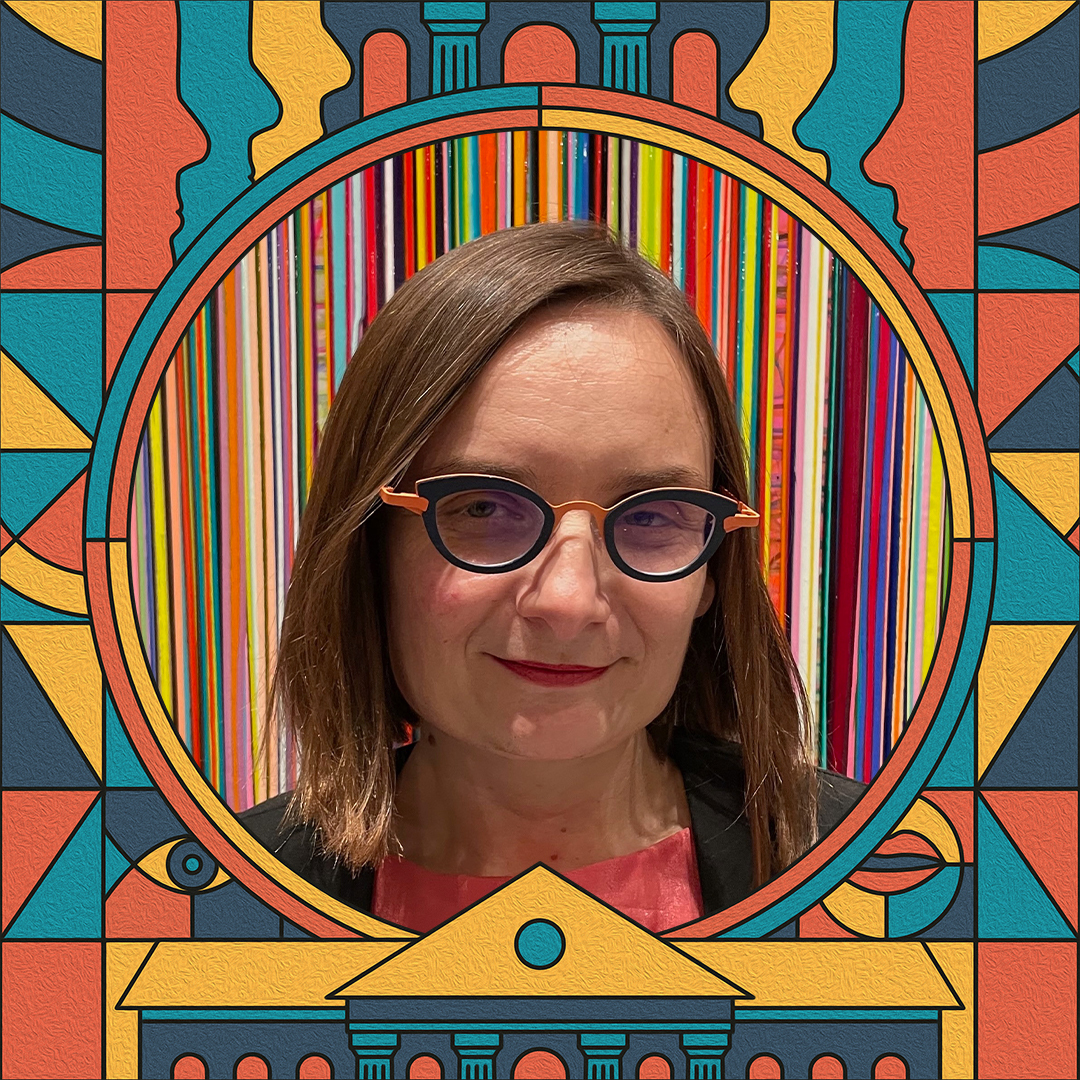
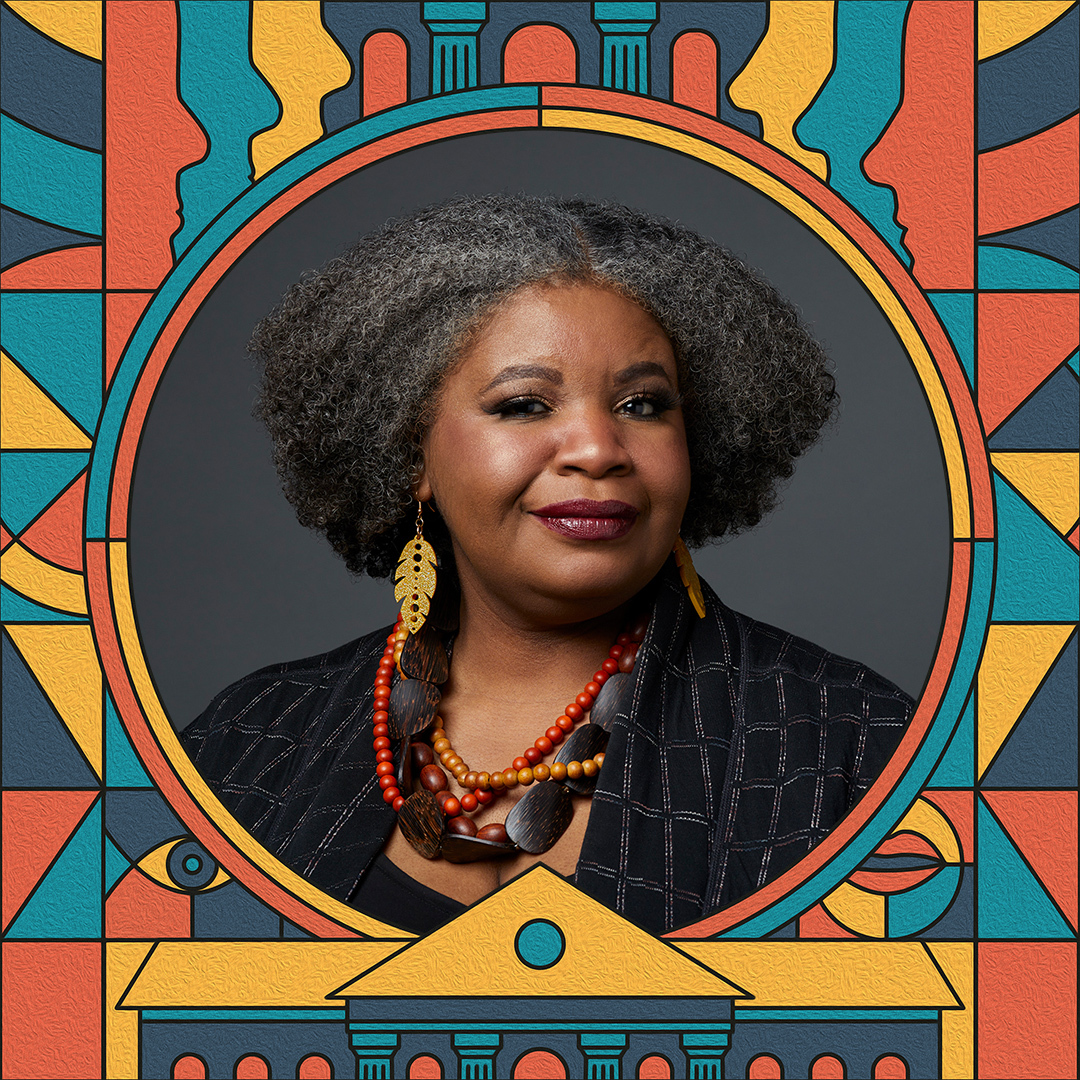
Abby: Welcome to Matters of Experience. My name is Abigail Honor.
Brenda: And I’m Brenda Cowan.
Abby: This podcast is produced by Lorem Ipsum here in New York City and explores the creativity, innovation, and psychology driving designed experiences and encounters. Hello to anybody listening for the first time, and a big welcome back to our regular listeners.
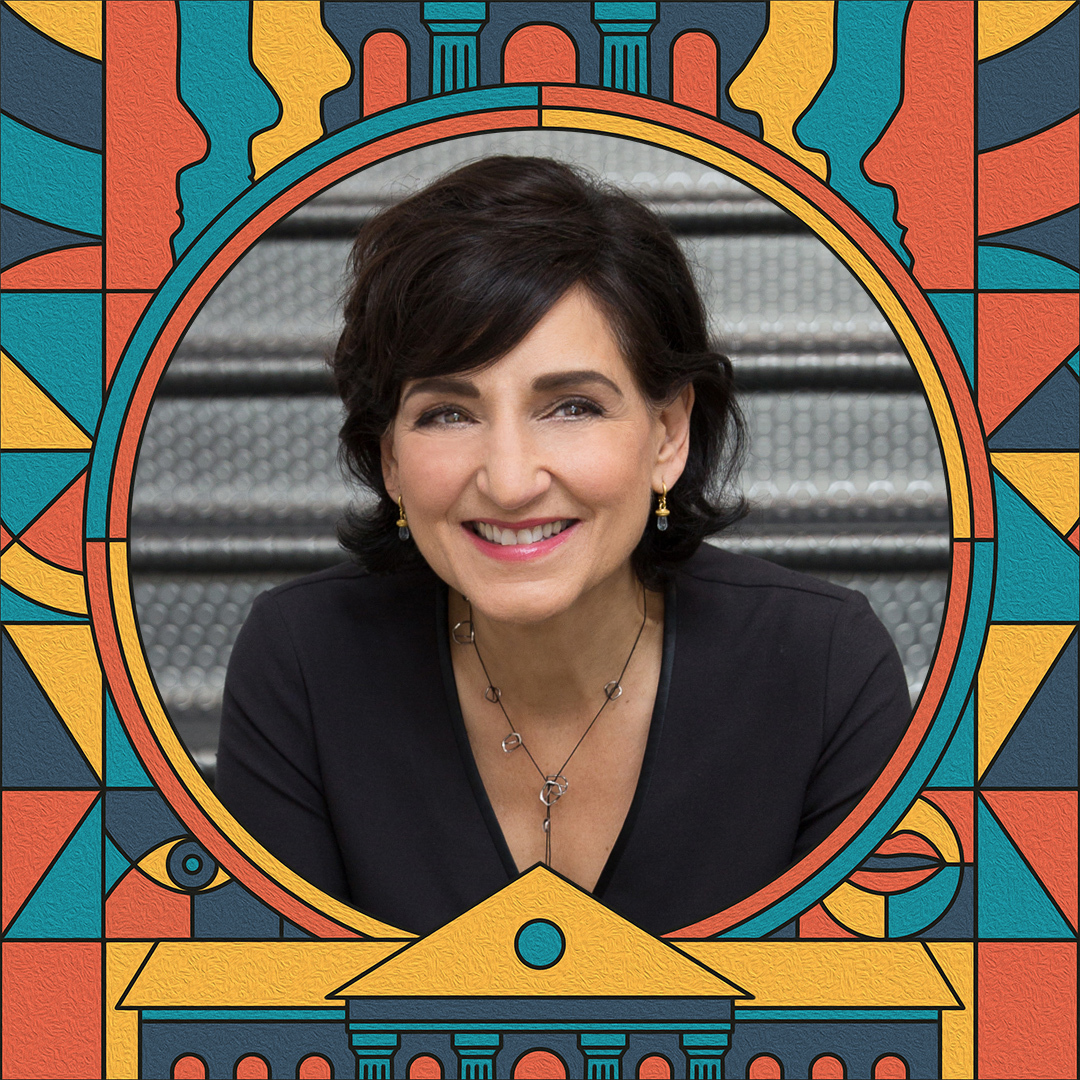
So today our podcast guest is Zorana Pringle, who is a senior research scientist at the Yale Center for Emotional Intelligence, where she primarily studies the role of emotional intelligence and self-regulation in creativity and well-being. She received the Award for Excellence in Research from the Mensa Education and Research Foundation, and the Berlin Award for Outstanding Early Career Achievement from the Society for the Psychology of Aesthetics, Creativity and the Arts. Zorana is also the author of an upcoming book called The Creativity Choice, where she explains how to make ideas into realities and dispels the myth that creativity is a trait that you’re born with. So, I think we can have some fun today with this, Zorana. Big welcome to the show.
Zorana: Thank you. Thank you for having me.
Brenda: We are so delighted to have you here and to talk about what I think is at the root of so much that makes us human: the relationship between creativity and emotions. Let’s begin with some broad strokes, though. You work at the Yale Center for Emotional Intelligence. How do you define emotional intelligence, and why is this an important area of research?
Zorana: So, scientists define emotional intelligence as set of four related abilities: they are abilities to accurately perceive emotions in oneself and others, ability to use emotions to help thinking and problem solving, the ability to understand emotions, and the ability to regulate or manage emotions both in oneself and in others. And if you think of general intelligence that we have all heard about, it is about solving problems. Emotional intelligence is also about solving problems, but those problems are emotional in nature.
Abby: Obviously, we all feel we are all trapped in these, our own bodies and and our brains and we feel. But you’re not putting that aside when we’re thinking about how we perceive other people feeling. Because for me, I would say, don’t most people, I guess unless they’ve had some sort of trauma, feel their own emotions and thoughts. You can’t sort of escape those.
I’ve met a lot of people who can be very emotional, but completely, like, tick the first four things personally, but when it comes to thinking about somebody else, they’re tone deaf and totally emotionally do not understand other people and hit any of those four things, but you seem to pop them together.
Zorana: Yeah, it seems that they largely go together. It is possible to think of individuals who are able to solve problems and figure out what they are feeling themselves and understand what’s going on with themselves, but then not translate that to others. But that’s more of an exception than the rule. When we are trying to understand, perceive what’s going on emotionally, we are solving a problem.
It doesn’t seem like we are solving a problem because nobody kind of posed it formally, but essentially, we are solving a problem because we are collecting different pieces of information and making a judgment of what is the solution to those pieces. So, think of, okay, if somebody asks you this moment, how are you? What are you feeling? You are not in that moment thinking what you were feeling. You were just going about your business. And so, for a second you have to say, okay, let me figure that out. Let me solve that problem. Let me answer it. And then you are trying to gather information, and we gather information about emotions. And then we can use emotion as information for other things we do in life.
So, if you are trying to say, when you are asked that question, what are you feeling right now, you have to get together the clues. Okay. What am I doing? Are there some physical symptoms I have? Jitteriness, palms sweating, and when you start putting those things together, you can start piecing it and putting labels to it. Okay, if you are feeling very activated in your body and you are feeling unpleasant, well, maybe you are anxious or maybe you are angry. Which one fits the situation better? So, you are solving that problem.
But you are using similar kinds of information when you’re making judgments about what somebody else might be feeling. You are not going to have first person information about the internal experience of activation, but you can observe it in behavior to a certain extent, and you can perceive those behavioral signs of what might be going on with somebody else, from facial expressions, from body language, from tone of voice and things like that. So you are, in both cases, you are collecting information and putting information together.
Abby: When are you talking about emotional intelligence in the example you gave, like a physical thing, all picking up on audio cues, what about knowing a history of somebody? Are you talking about emotional intelligence of meeting a stranger, or emotional intelligence when you could know why they would be feeling a way they are?
Zorana: Sort of both. If we are meeting a stranger, we have fewer cues to make an informed judgment. Think of it as, how much certainty we can have in what somebody is experiencing. We are going to have more margin of error if you are meeting somebody from the first time, because you are going to be relying on more superficial things.
If you know already somebody and have a relationship and know how strongly they respond to things, for instance, you can calibrate for that and take it into account. I happen to have a friend who is very emotionally reserved from his cultural background, he is of Scandinavian origin. It is not very expressive for somebody who grew up in the Mediterranean like myself.
So, I have to take that into account when making a judgment. The fact that he doesn’t raise his voice very much, whereas people I grew up around do, does not mean that he’s not excited, it’s just you have to take that into account. And if I met him for the first time, there would be more chance of me misjudging it.
Brenda: You know, it’s making me think about one of the studies that I did with a museum in Stockholm, and it was an exhibition project that they were co-creating with folks from the Syrian community, both immigrants and also refugees. And I was fortunate to be able to work with like 35 different families across the country, Syrian families, and to talk with them about what their partnership was like with the institution.
And I heard over and over and over again about how very, very different emotion and expression was between the two cultures, and it seemed to be one of the biggest difficulties, actually, was, you know, miscommunication and folks just not really syncing with each other until the museum created an exhibition that enabled the Syrian community to tell their individual stories.
And all of the sudden there became this sort of this middle ground that the Syrian folks would refer to as their new home, where they could express themselves and actually feel like they were being understood and heard. And in the, you know, in the form of the museum. It was really remarkable.
Abby: Let’s talk about creativity. Let’s start with a tough question. What is creativity from your perspective?
Zorana: Creativity is something that is in the same time original and in some way meaningful, appropriate, useful or effective, depending on different contexts and depending on what area of work we are talking about. And I don’t want to get into a trap of saying anything specific that is going to limit how creativity can be expressed, because it can be expressed in any medium, in any area of life, from it being in an idea to being in a design to being in a piece of art. And so I want to leave that part open. The key is original and, in some way, meaningful, useful, or effective.
Abby: Okay, I’m going to pick up on the original because my background is painting, as our listeners who listen in know, and then filmmaking. And when I researched and studied the history of art, you see that everything evolves, right? You learn from the past, previous artists, you build, technology evolves. And so this idea of originality, from my perspective, seldom happens. When you say original, can you help me understand better what you mean? If I think that everything is a derivative of something, it could be a new version of or a different spin on, but from at least in my experience, there’s nothing that’s truly original.
Zorana: And I do not disagree with you. If we take the definition of original as something that is in no way related to what has been done before, but if we go into that territory, I think we are almost getting in territory of religion and starting from nothing. And in creativity studies we don’t do that. We see that there are different ways of being original and different levels of being original.
So, it can be an original version of something that is in some ways different from what has been done before. It can be original that is a different kind of reaction to what has been done before. As I think of history of art, I am not an artist myself, but I love art and art history, and I think of it as a series of reactions.
So, there is a movement in art and then another movement emerges, oftentimes in reaction to it. It still makes it original, and it’s meaningful because it is interacting with the existing world and getting an effect from its audiences. Another thing that you have mentioned that reminded me as you were talking about there is no true originality, well, what’s the meaning of true originality, made me think, well, maybe that true originality comes in only in this, what creativity scholars call big C form. And big C is creativity of people and creativity of products that are changing our culture. None of us here are physicists, but if you think of what physicists you can name, those are the big C physicists.
You can name Einstein, you can name Bohr, for instance, or Tesla. Those are the big C creators. They have completely changed how we view something, how we understand something, and even our culture. I think that the reason why I don’t like to talk about originality in that way is it can be discouraging. If you know, and I, for example know that I am not, you know, a Picasso, it could be discouraging, because if you cannot be that and if that is the only originality there is, what can you contribute?
Brenda; Part of what keeps going through my head, listening to this is one of the nuggets of inspiration I received when I was kickstarting a lot of my own research work. You know, I had a lot of self-doubt and self-judgment, and I thought, well, but, you know, am I really contributing anything? And is this new? And the advice was learn how to see the familiar in unfamiliar ways.
And that was really invigorating. You know, I actually also started as a painter, and it just, despite getting a degree in it and so on and so forth, it never really gelled. And I never thought of myself as a creative person until I started teaching. You know, there’s ambition, there’s intention, obstacles, you have to pivot all the time and needing to keep things going when they’re not working.
And you’ve got to try to make connections and then breakthroughs. And, you know, ultimately, one of the keys I find for myself is empathy comes into play quite a lot. The need to connect, to see others, to be open to, to see into relationships. Zorana, I know that you see a relationship between creativity and our capacity to engage with empathy. What does that look like for you?
Zorana: As psychologists have studied the creative process, they have identified one of the key aspects, if not the key aspect as something we call problem finding. And what problem finding is, is identifying and then constructing and developing, reframing and redeveloping what we are working on. In that process, empathy is a great starting point. You might start with a given problem, that, so you are not identifying the problem directly.
A client is, for instance, approaching you with a certain issue they need to address and to give us direction and imbue meaning in that process of narrowing and honing in to how to approach a certain task is the lens of empathy, is thinking of the end users of our products or of our designs? Thinking of what are their needs?
What are the obstacles they might be experiencing? Talk to them. Learn from them, truly listen, and be open to changing the ideas that you start with based on that feedback.
Abby: So, you said my big C-word, Zorana, clients. So, when we think about, when we think about emotional intelligence, we have to manage up when we’re designing spaces and we have to manage them and where they’re coming from and the pressures that they’re under. But I don’t really ever feel that they’re managing us at all, when we’re under stress and strain clients and maybe roles that people have, cause people to need to have higher emotional intelligence or not care or not need to have the same amount of emotional intelligence. So how is it when it comes to hierarchy, maybe on a project, and when I’m thinking about clients?
Zorana: Emotional intelligence skills help in all interactions, and you have to approach different interactions in different ways. So, you have interactions with colleagues on a project, interactions potentially with people who are leaders in places where you work and to whom you are responsible. In some ways, you have interactions with people outside of your organization who are coming up with problems for you to solve, and they are having relationships with people who they are responsible to.
How successful a project will be, and the nature of the design will be is dependent on the success of communication with all of those different relationships. That makes it much more complicated, obviously. There was research that shows that when clients are represented by middle managers, they approach this interaction with a designer in a very particular way. They approach it with almost a checklist of I want this, this, this, and this in an end design, when those pieces of the checklist may not be the ideal choices for the design to be truly successful, because what they are doing is they are not fully present in the interaction, not fully hearing the designers with their input. They are only reflecting the fears and concerns from those they are responsible to. When we are truly present in the interaction, we can then be hearing both sides and opening up a conversation. For that to happen, there needs to be certain prerequisites. There needs to be a level of trust on different sides of the relationship.
Brenda: I’m listening and I’m thinking, you know, again, back to creative process, how it can bring out a lot of frustration, a lot of fear. You talked about the need for trust, and especially in situations where there are vulnerabilities, trust is a really big ask. And I see with my students, for example, they have to embrace the unknown. All of us who are in, you know, the creative design world have to, to a certain extent, embrace the unknown in the work that you do.
Right? Good design means not knowing exactly where things are going to end up. You have to have faith that your skills and abilities to work with others will result in unexpected or rich outcomes that really work for visitors. And I’m curious Zorana, how do we overcome this, what I think anyway, is natural anxiety that comes with being creative, and that could be, like we’re talking about, in the form of interactions with others, or even just amongst ourselves?
Zorana: I think that’s a beautiful question. And the real answer is we are not going to overcome the anxiety. And once people know that the creative process, not just for you, there is nothing unique about you experiencing this anxiety, experiencing this uncertainty, experiencing doubts. Everybody who is involved in creative work, in the creative process is going to experience these things.
They are integral to the process. I think that is freeing because then you realize that there’s nothing unique about you that is wrong. Sometimes when we feel something unpleasant, we feel something is wrong with us. No, nothing is wrong with you. This is completely natural part of the process. That does not mean that you cannot do anything about it, but you also, you have to start with the realization that this will happen.
I have recently come across, a quote from Georgia O’Keeffe. And let’s face it, we all love Georgia O’Keeffe. And she said that she was never comfortable with anything she did in her life, that she was terrified of all the decisions she made and all the things she tried, but that never stopped her in doing it.
Some of us are more prone to feeling vulnerable and feeling anxious. Well, I happen to be one of those people, but that doesn’t mean that you cannot do things. You can do things even if you don’t feel comfortable. It’s okay. You can still do it. You manage those feelings. You learn to live with them and manage them but accepting that they are going to be part of the process will liberate you in knowing that, well, you know, you are not special in the way of being specially broken. That is just part of it.
Abby: Well, I was going to jump in as well and just piggyback on that, because I think having fear is very much akin to excitement and adrenaline, at least for me. So, whenever we’re, you know, doing something that is making me have doubts, fears, it’s now synonymous with thrills and excitement because I’ve had practice, doing things that are not comfortable. And the more practice you have, I totally agree Zorana, it never goes away. I think it shouldn’t go away. It’s like an intrinsic human condition to be scared. It’s not bad. It just is. I mean, it protects us, right, from bad things happening. So having fear is something you live with. But for me, being happy in that moment of fear and knowing that it’s going to pass and using it and harnessing it. So, I sort of embrace fear. I like it.
Brenda: You’re a junkie.
Abby: I’m a junkie. You have to if you want to be creative, because like we talked about earlier, if you want to push any boundaries, then that usually involves doing something original, new, different, that is not going to be comfortable because there are no guarantees there. So, I feel like fear and creativity, it’s sort of synonymous.
Zorana: I very much agree. And in the emotion science, what we talk about is reframing. So, the same experience can be framed in different ways. You can say, I am experiencing this jitteriness right now because I am anxious. I am anxious because I am unsure whether I can do this, or you can reframe it and say, I am experiencing this because I deeply care about how I’m going to do on this task, and this reflects my level of commitment and the excitement for it, but also realization of how important it is.
Brenda: Okay, how about exhibitions? So not everybody is going to be moved by an artwork or let’s say sometimes exhibitions with fine art in them fail to engage folks who maybe don’t feel welcomed or who don’t feel knowledgeable enough in the first place. What can we who are in the design profession, what can we do to make art more accessible and open up more possibilities for people to experience deep emotional interaction with art?
Zorana: Currently, we are working on a big project where we are studying what makes art meaningful and the theoretical framework, we are using what is called the mirror model of art based in psychology of art and empirical aesthetics. And what it states is that the process of art appreciation is a mirror reverse image of a process of art creation.
So what happens in creating art, in that process, is that artists start with ideas, concepts, insights, or feelings they want to convey in their work and then finally they put those finishing touches on their piece and audiences start with those finishing touches” what is in the piece physically, what is jumping at them, and then if they continue engaging with it, they start making personal connections, and then they start wondering about what artist’s intentions and ideas might have been. So as museum designers and exhibition curators, our task would be to facilitate this process, facilitate engagement so that it doesn’t stop. It continues so that people can make this progression and truly engage in it.
Now, you have raised something very important in that there are barriers for people in engaging with art, some relatively physical and some that are more social and psychological, where people, many people feel either unwelcome in the art spaces or cannot see themselves in their own experiences represented.
And to truly reach that deep experiences of art, we have to see it. We have to, in some way be able to, to connect with it. And our challenge is to curate with that in mind.
Abby: Zorana during Covid, we were part of multiple different companies who worked with Cooper Hewitt, the Smithsonian online collection of 3 million, over 3 million exhibits, and they wanted to activate it beyond the walls of the museum and to visitors who didn’t feel like they belonged within the museum walls. We chose a group of objects, and it was all from the La Belle Époque in the 1912s.
It was all from a music room. So, we chose them to be from this specific space. And then on the phone, you use the QR code, download an app and you step through a portal and into this room and all the way that the conversation was, the text panels were not text panels, they were little pop ups that spoke in very conversational tone and reference. For example, like the Neapolitan ice cream was the favorite ice cream of this time period. What’s your favorite ice cream? So, it was really about democratizing, in a way, these institutions and making them more approachable and reaching and bringing in new audiences who could resonate with all these stories, these untold stories that these artifacts have. So, it’s interesting you bring all this up because it was exactly what we were trying to do with that project.
Zorana: Sounds like a wonderful idea where you are doing two important steps. One is bringing people in who might not be interacting with artworks to begin with, but then you are doing an extra step in helping them make that personal connection from which they can engage more deeply.
Abby: So, Zorana, thank you so much. This was thought provoking, insightful. I just absolutely loved it. And next time I’m, you know, boldly going where I’ve not gone before and got sweaty palms, I’ll think about you and getting through to the other side. So, thank you so much.
Brenda: Thank you, Zorana.
Zorana: Thank you very much.
Abby: And thanks to everyone who tuned in today. If you like what you heard, please subscribe for more episodes of Matters of Experience wherever you listen to podcasts, make sure to leave a rating and a review. Share with a friend. We’ll see you next time.
Brenda: Thank you everyone!
[Music]
Producer: Matters of Experience is produced by Lorem Ipsum Corp and recorded at Hangar Studios. Tune in next time for more fun discussions about experience design.