[Music]
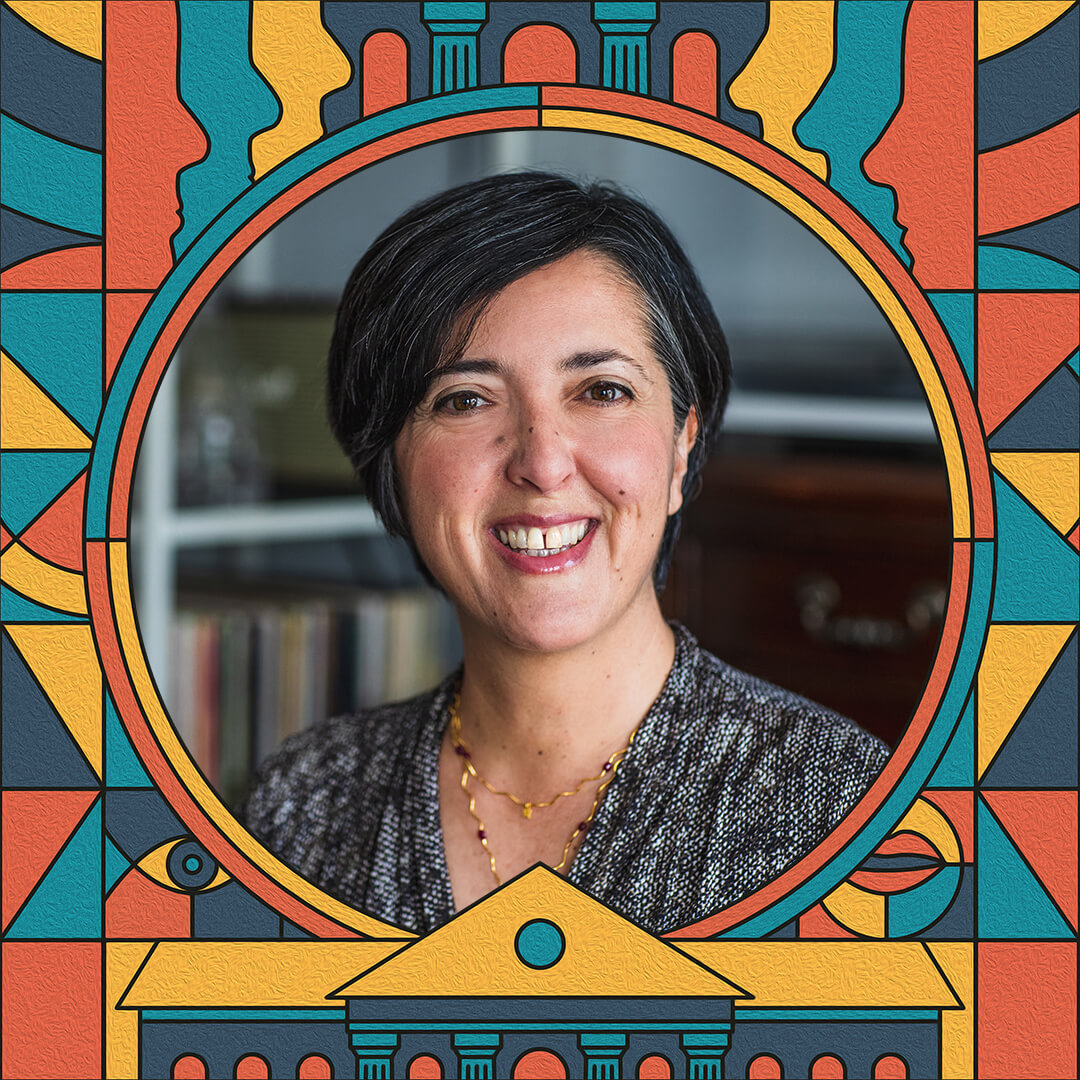
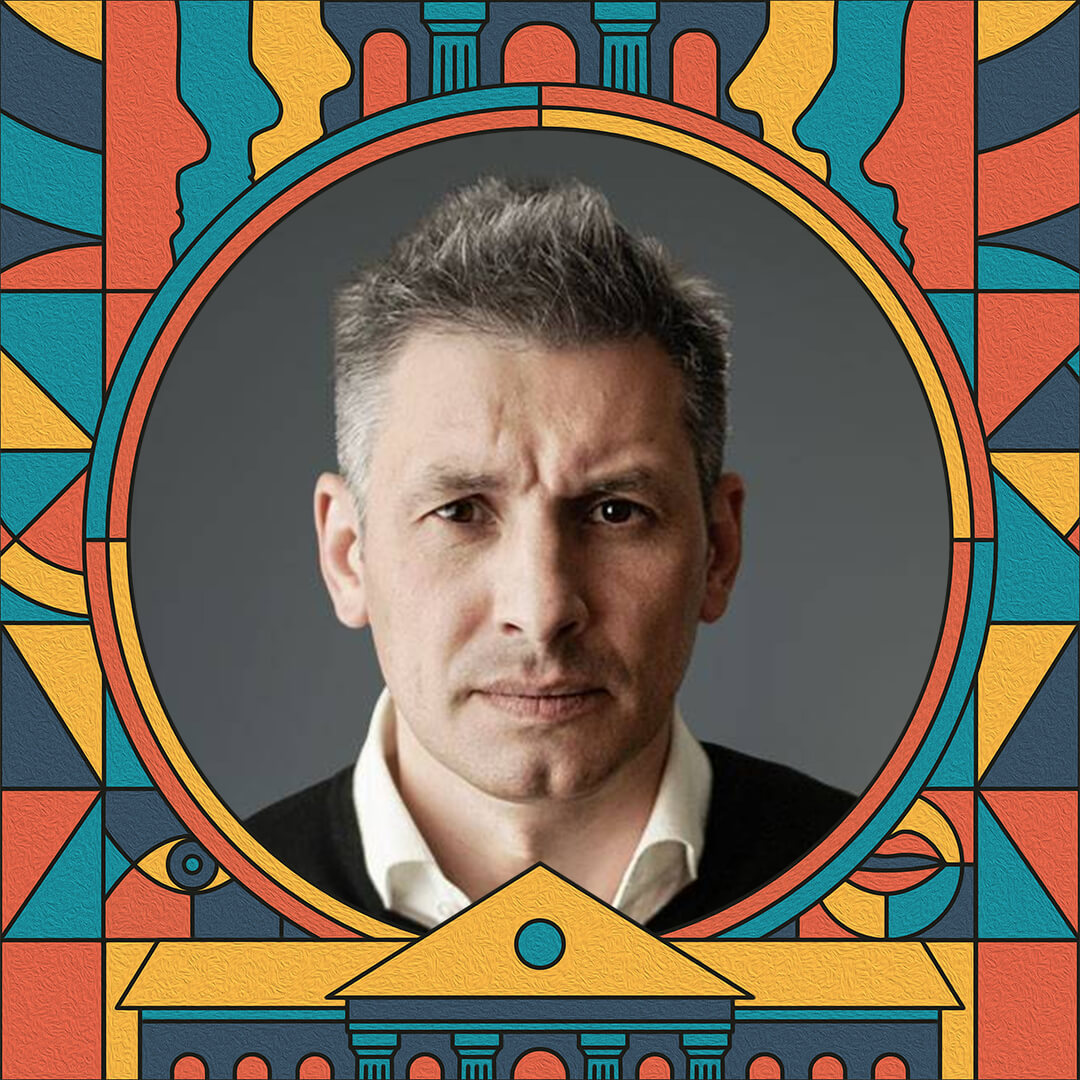
Abby: Welcome to Matters of Experience. My name is Abigail Honor.
Brenda: And I’m Brenda Cowan.
Abby: Today, we’re going to talk about empathy in design, how we create experiences that help the visitor feel the feelings of the people in the story because that is a very powerful way to promote understanding of each other and help us realize that we have more in common than differentiates us. We all need to be reminded we’re all humans with similar wants, needs, and challenges.
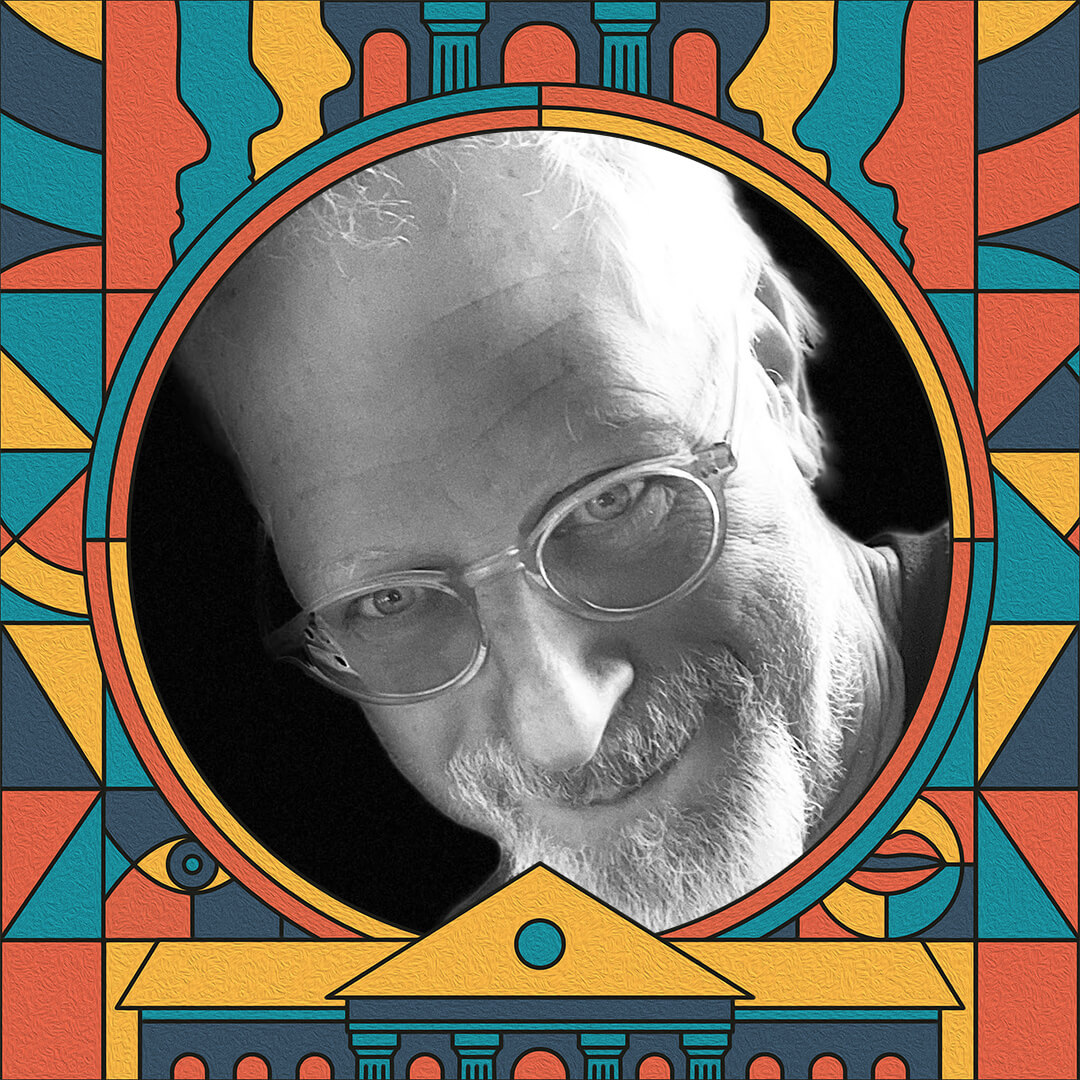
So I’m very excited to welcome today’s guest, Elif Gokcigdem, an author, professor, and founding president of ONE: Organization of Networks for Empathy. Elif curated and co-chaired the world’s first Summit on Fostering Universal Ethics and Compassion through Museums with His Holiness the 14th Dalai Lama and she leads major strategic international partnerships in arts, culture, museums, and biodiversity conservation around the world. Welcome to the show, Elif.
Brenda: Hello, Elif, I’d love it for you to be able to share with our listeners how did you come to become a professor and leader of this international organization focused on building empathy?
Elif: First of all, thank you so much for having me for this conversation. My path to empathy has, I guess, began with my interest in history of art. I studied history of art with a focus on Islamic arts. I grew up in Turkey, and I finished my Ph.D. on this topic, mostly focusing on Islamic arts and mysticism, Islamic mysticism, and also the geometric patterns, you know, the symbols of light in Islamic mysticism, which connected me to empathy.
So I guess the destiny brought me back to this, you know, arts culture in museums. I’m just trying to do the best that I can in a way, that, how I can contribute to this cause of empathy-building in our world.
Abby: So empathy, I really want to define what empathy is, because empathy and understanding like, can you explain to me the difference? And better yet, is there one way to define empathy?
Elif: The short answer is there are many ways to define empathy. There’s, you know, there are several scientific definitions of empathy. There’s a Webster Dictionary definition of empathy. And there’s you know, there are many understandings of empathy depending on the discipline and the work you are involved in.
Abby: But just jumping in here, empathy is actually, you know, when I just pulled it up, now it says the ability to understand and share the feelings of another.
Elif: Yes. And also, I mean, feel, this is a very human-centric definition that leaves, you know, our ability to empathize with nature and animals and other beings. You know, that, I mean, there are so many cultures, especially indigenous cultures that talk about empathizing with a mountain or a river. So that definition, I think, leaves all these possibilities out.
And before actually, you know, we talk about the definition of empathy. I think we also need to talk about why empathy, you know, why is it important? Why are we even having this discussion? And that actually brings me back to your question of human-centric versus more expanded understanding of empathy. When you turn on the news, you’ll see these, you know, sort of cries from all different kinds of organizations and institutions.
For example, the United Nations. Just to give you an example, the United Nations keeps telling us, you know, to achieve a sustainable future for all, we need to act urgently to protect biodiversity, the web of life that connects and supports us all. So if we go back and look at the statement and similar statements like this, there’s this urgency to care for all and to act and to protect, and there’s this like this oneness and the whole that we need to care for, we need to learn to care for. And I believe that’s where empathy is important; empathy comes in. And that’s why we need to work on the definition of empathy and not get stuck on one definition or one understanding. The platform that I’m creating is actually because of this, so that we can include, you know, cross-cultural, cross-disciplinary, cross-sectoral understanding of empathy so that we can better define empathy for our collective future so that we can better develop the tools that we need to foster empathy in our world.
In my view, empathy is critical for us to go from a fragmented worldview to a worldview where everything is interdependent and interconnected. And I call this the oneness mindset. And all the work that I have done so far brought me to this sort of working definition of empathy. Empathy is a form of perception that enables us to connect with ourselves and with others while awakening us into our oneness. So, in this case, empathy leads us to develop a recognition of the intrinsic value of each unique element that makes up the whole and encourages us to calibrate and harmonize our attitudes, actions, and behavior accordingly.
Brenda: So you see a lack of empathy as being a public health issue on a global scale. And you talk about how museums are natural platforms for health and empathy practice. Elif, I’d love for you to talk more about what you see as being particularly instrumental about museum environments and experiences when talking about empathy and the practice of empathy.
Elif: Well, you know, empathy is often discussed as something that can help us help others. You know, it’s, it is often confused with sympathy, just like feeling bad for somebody’s, you know, misfortune. I believe empathy is a portal for human flourishing, not just, you know, physical well-being, but spiritual well-being as well, because empathy through self-knowledge enables us to connect with our own internal world and allows us to recognize those, you know, biases and filters through which we perceive the other.
This, this is where museums come into play because empathy is not a linear process. It is not an intellectual process. It is a lived experience, and museums are the perfect platforms where anyone can experience empathy building to get a knowledge of their own selves within a collective experience. Many of those around also are going through similar experiences. Even if you’re in the same room looking at the same thing, there’s a multitude of expressions, reactions around the reality, what we call reality, and that’s the reality of the world we live in, of our existence. So an understanding of this expands our library of narratives into, oh, you know, actually there are many other ways of being, there are many other ways of perceiving, and mine is not the only way.
Brenda: I really, I love the idea of museums as being a place of equal footing for people in empathy building, and I know you were recently speaking with one of my students, actually, and I know that you had spoken to her about what sparks empathy in museums and that you used an analogy of nature walks as a means through which visitors can experience and develop empathy in their own way.
Can you tell us a little bit more about this? Like, do you, are we literally talking about walks in nature or is this also an analogy for other kinds of ways in which people can practice empathy in their everyday lives?
Elif: Exactly, so the framework that I’m working on equips individuals to come prepared and be intentional about empathy building and have some maybe questions and ways of looking and articulating and noticing how we look at things. And museums are particularly useful for this. My first book, called Fostering Empathy Through Museums, collected case studies from different kinds of museums, not just arts museums, but from animal sanctuaries, science centers, civil rights centers.
And at the end of the day, the sort of the executive summary of that book is that museums can be platforms for empathy building in five evidence based, science based ways which are: you know museums, first of all, hold a mirror to society. They can be a safe place for encountering the other. The other way that museums can be useful in empathy building is through storytelling and creating new narratives, new ways of being, new futures, getting us to imagine other ways of being and other ways of existing in the future, and also museums are places for experiential learning.
This is essential, but not just being in a museum and doing a hands on experience on some science experiments. You have to be intentional and you have to sort of articulate the steps and what is going on and the outcome. To make your point that, you know, what you, what you just went through is related to empathy and empathy building.
Brenda: When you said that museums are like mirrors to society, I find that really, really provocative and in a variety of ways, and I’m really curious, what is it like when that mirror shows us things that we aren’t very comfortable with?
Elif: Yes, and that’s exactly the point, you know, creating discomfort. I don’t say it in a way that we are just beautiful and we’re looking at ourselves and admiring ourselves in the mirror of museums. That’s not what I meant at all.
Brenda: Right.
Elif: This is basically, museums are mirrors with their colonialistic past and their racism and all kinds of baggage that they bring to the, you know, today, you know, like the institutions that they are.
We can take a look and learn from that and imagine new ways of being, new ways of creating museums, or museums behaving differently in our new reality. How can they be helpful for a, for a collective vision of being inclusive and equitable and accessible, and respectful? I mean, there’s, there’s a story of, like a fable, right. This ancient story where the lion and the rabbit, you know, this lion terrorizes this forest and all the animals, and one day this, you know, smart rabbit decides to take the lion to this well, deep well, where there’s just a little water left in the bottom, which creates this mirroring effect.
And the lion thinking that, you know, there’s this other king that is claiming his territory, he just keeps roaring into the well, and all he hears is his own roar coming back at him. And eventually, he jumps into the well to kill that other lion. But in, of course, there’s no other. It was just him all along. And I think our world right now, the news and our institutions and what we are going through is that moment of lion, us, roaring, you know, and thinking that, oh, you know, like we are all-powerful, we are at the center and everything has to be around us.
But this is the moment. This is a critical moment to face the mirror in that way so that we don’t choose to die, but we choose to imagine a new future and better ways of being in this world.
Brenda: Well, I like the idea that there’s an awful lot of clever rabbits out there, sort of pointing out the, the way and leading us to the well.
Abby: Let’s talk practically. It’s very hard to have empathy for others if you’re sort of not used to looking at things from other people’s perspectives or you have really strong beliefs when you’re walking into a museum or a situation. When we think about politics right now, our world is incredibly divisive, and it’s easy to put that stake in the ground and not to actually listen, hear, or debate the gray areas, right?
For some of our work, a visitor’s already coming in with what I call this loaded gun when it comes to their perspective and how they believe they perceive the truth, what’s true, what’s untrue. And they filter a lot of that based on their biases as we all do, so our challenge isn’t always to provoke because sometimes provoking somebody shuts them right down immediately.
So we tell a story in a sort of a slow and subtle way to gradually win people over or start to have people think at least a little bit differently. You know, we think about how is our protagonist relatable? Why do I care about this person? Why are they interesting? What’s their inner and outer conflict rather than actually focus a story on, on the visitor’s beliefs and try and challenge them that way.
What’s your experience Elif, when it comes to people really being open to empathy in museums or being ready to receive the information from a design perspective in a museum experience?
Elif: Yes, that reminded me of the study that was done by Smithsonian Visitor Services, I guess, that looked at visitor experience with the goal of defining what is a transformative experience, and they came up with this IPOP. So we each come to the museum experience with our own identities, right? And they identified ideas people, people people, objects people and physical or tactile sort of oriented visitors.
But what, how they define transformative experience is being able to shift people from you know, I just go to this, let’s say the Asian Art Museum to admire objects just for their beauty. But what about I could also add to that a tactile experience and changing or extending my perspective or perception of that art form. But in designing for empathy, what I am suggesting is utilizing museums as spaces.
And if you can create those safe spaces where people just can come in and be open to an experience in an intentional way, we can create moments of empathy building. It is really not through design, but I’m mostly focusing on, you know, bringing people in front of an object or into a space and having them experience how they can shift their own perspective while around other people going through similar situations or challenges or experiences.
So it ends up with self-knowledge that, the knowledge that, oh, you know, I was able to expand my perspective. Empathy does not mean that you need to agree completely, agree with another. Doesn’t mean that you have to let go of your boundaries or your identities. Empathy is a way, the way I see it, is an expansion of our, you know, abilities of perception, perspective, and narratives and worldviews, where the more we expand that pool that we have, the more we are open to other ways of being.
Abby: Are there any practical things or examples of museums that you think are doing this well so that I can sort of wrestle with how to bring it into my practice?
Elif: So the first part is that you know, an empathy-building experience is where the visitor is the subject and the object of the experience. This can happen when you face the visitor with a real-life, real-time dilemma, where the visitor is expected to make an immediate real-time choice and act in a certain way. Through that action, when that action is experienced, that is a lived experience on the individual’s part. At this point, once that experience happens, this immediate choice is acted upon. You can actually invite individuals to have what I call the triple focus, an intentional observation of the self – as I said, the empathy is an internal job, an inside job – and let us focus at what just took place and take a moment to articulate and notice if there are any biases that are arising and where they might be coming from at the point of their emerging.
And then at the same time, because this isn’t a museum, it’s a collective experience, although you are experiencing the previous part in a very subtle way, in your privacy of your own body or your emotions or your mind, you’re also at the same time observing the others around you, and you are noticing, consciously or unconsciously, that, you know, simultaneously there are many ways of being and many ways of reacting to the same thing that’s happening to all of us.
The third part is also essential that this kind of experience observing the self and the other can invite us to also experience the whole, which is the realization that this whole that we are living this moment, this conflict of a shared moment is comprised with different viewpoints, life experiences, and qualities. And that’s what’s making it one.
Abby: So I was just in Las Vegas at a conference and I happened to go to the Mob Museum, I thoroughly recommend it to anybody. Incredible Museum. Gallagher designed it, Jonathan heads it up. Amazing place. Within the Mob Museum, they have an incredible experience where you go, and you learn all about de-escalating a situation, and you know, the police and how they handle things is a very divisive conversation right now in America.
And so when you go into this experience, you are taught how to de-escalate a situation. And you go into a situation, and you don’t know if it’s an innocent person with a problem or if it’s a perpetrator and a lot of the time, people are scared. They’re nervous. They don’t know who this person is. And I know that after that experience and seeing the way you react in that situation, you sit for 2 hours after you’ve done it, analyzing why you did what you did, and so it’s exactly what you’re describing. It’s having empathy and understanding for people in a situation that you’ve never been in before, and so it’s an unbelievably immersive, phenomenal experience. I recommend anybody to go and try it out. That’s at the Mob Museum.
Brenda: I wish we had another hour…
Abby: Me too, yeah.
Brenda: …to talk with you. Elif, you’re just making me think, though, when you were giving us your sort of your three, outlining these, these three crucial interrelated steps. First of all, just good design, period, being very inclusive. That good design, period, should always, and just by nature, intentionally include all people of all abilities.
And it seems that maybe empathy and designing for empathy is quite the similar thing. It’s not like, it’s something that you do with intention, if I hear you correctly, but it’s something that always is going to involve the physical, the emotional, the intellectual person and the social person. Is that a manner of thinking that would enable us to begin to really build towards empathy practice?
Elif: I think, you know, museums really should pay attention to create heart connections, heart to heart and opening people’s hearts. This is not an intellectual activity. This is not about knowing about numbers or facts. This is, as you said, emotional, but it is deeper than emotional. This is about our humanness and our ability to choose to see the world in a certain way and choose to be in a certain way in this greater whole that we are all a part and creating in a safe environment for everyone begins with all, you know, self-work. You know, each designer should start with the self. We cannot give something that we don’t have. And this begins at the individual level, in our own personal lives, in our own relationships, in our, you know, what we call private lives, you know, other social lives, and, and then at work, you know, this can only be a reflection of what we have. And so this requires lifelong learning and experiencing and intention.
Brenda: What a wonderful place to wrap up on. That was really heartening, and I think will be really helpful for our listeners as they go on about the practical work that they do.
Abby: Thank you so much for sharing this completely new perspective with us today. It’s been phenomenal. Thank you, Elif.
Elif: It’s been my pleasure. Thank you.
[Music]
Producer: Matters of Experience is produced by Lorem Ipsum Corp and recorded at Hangar Studios. Tune in next time for more fun discussions about experience design.