[Music]
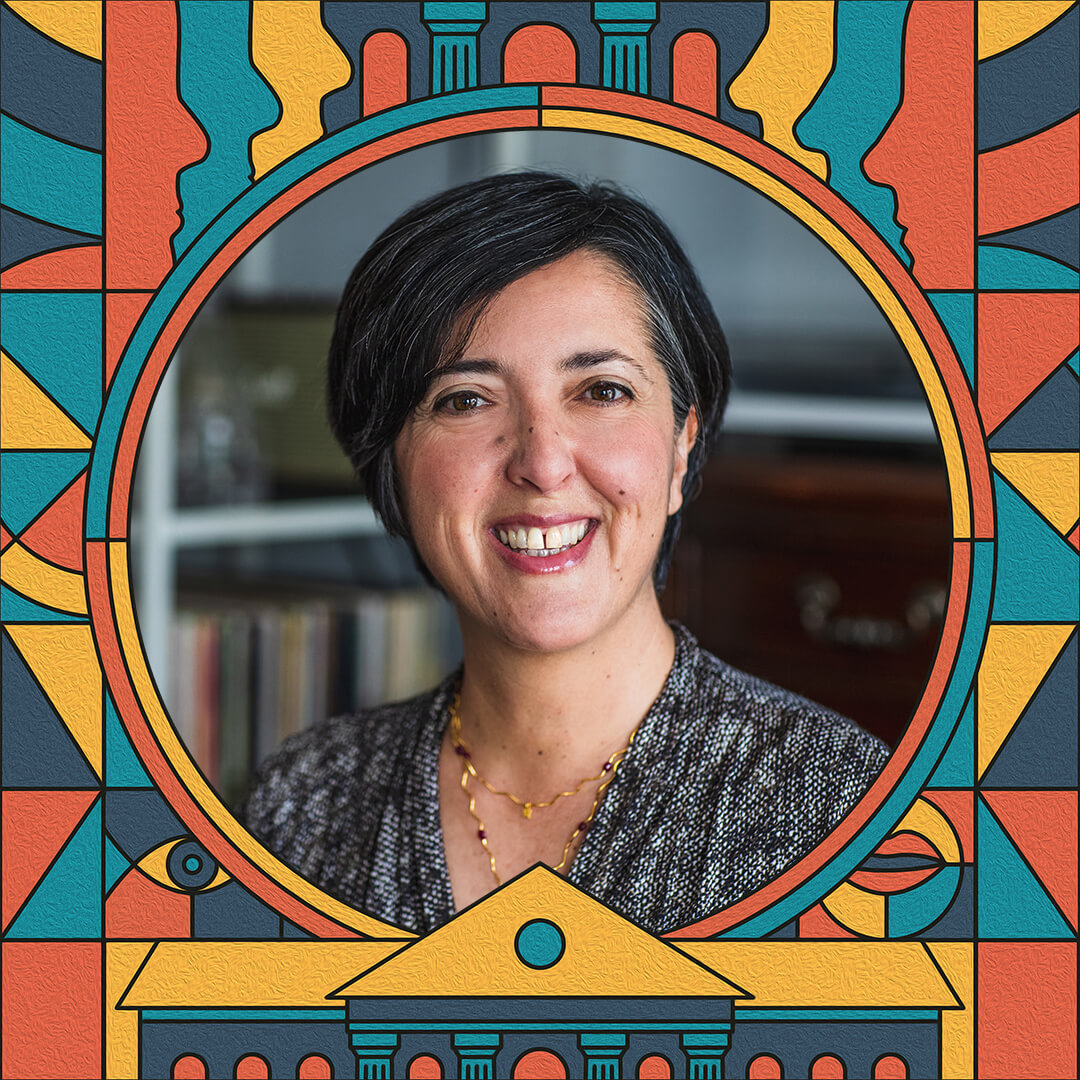
Abby: Welcome to Matters of Experience. My name is Abigail Honor.
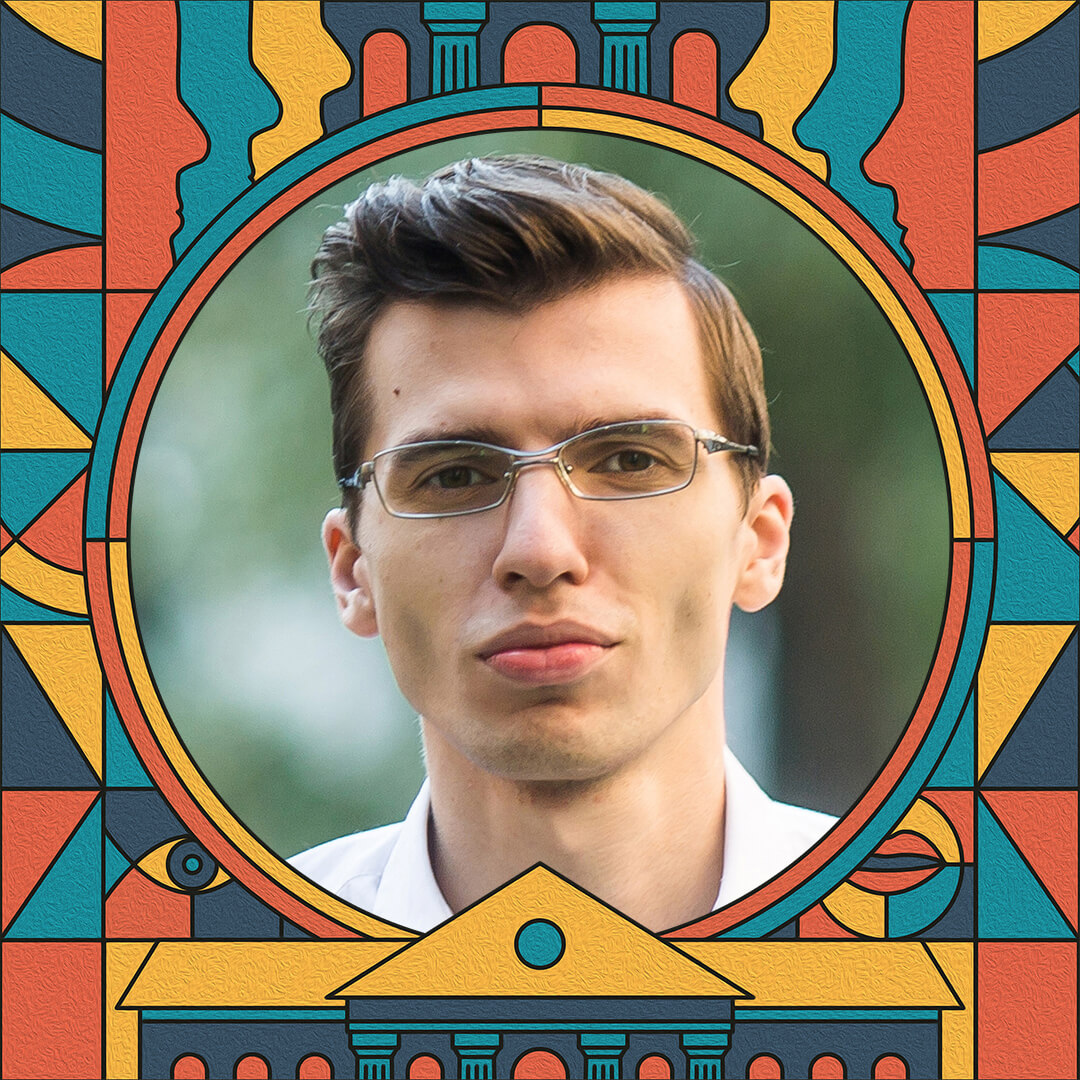
Brenda: And I’m Brenda Cowan.
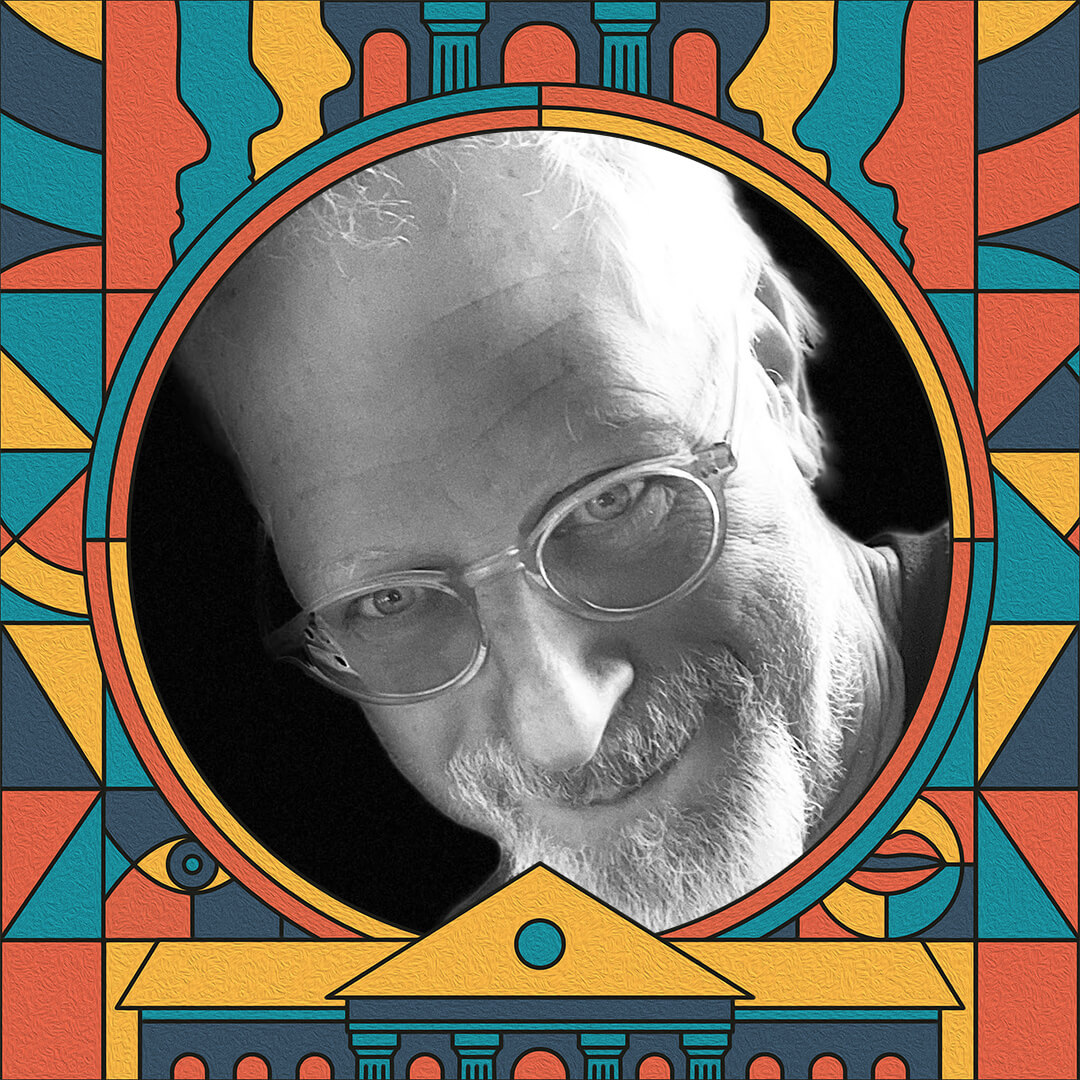
Abby: Today we’re discussing the spectacular with the former circus ringmaster and tsar of Special Events for the City of New York, Chris Wangro. Chris has spent the past four decades as a creative strategist for the design of better public spaces. He’s brought to life celebrated festivals and cultural programs as well as presidential summits and papal visits seen around the world. Known as a master of community building and spectacle, he’s worked with legends as diverse as the Dalai Lama and Dolly Parton. Welcome to the show, Chris.
Brenda: Chris, we are so excited to have you here. I want to get the ball rolling by asking you about your work as a social activist. You’ve produced events for environmental and humanitarian, and social justice organizations all around the world. You’ve generated over $100 million for those in need. How do you approach an event like these?
Chris: Oh, a part of my upbringing, part of the time I grew up in, was, you know, infused with social consciousness. And some point in my life, I sort of realized that for me there were two things really worth doing and one was contributing to the greater good. And the other was to create something really beautiful. And I think those are the two things that artists can do.
Artists can do other things, but those are the two things that I focus on artists doing and trying to do with whatever my art is at the moment. And in terms of the art of creating events, for lack of better terms, there’s an inherent beauty of bringing people together and bringing people together, whether it’s a birthday party or a concert for a few hundred thousand people, has a certain kind of power and lasting afterglow of being part of that community that has come together for the event. You know, that’s really the starting place for me. And I think that then if you can at the same time be bringing people together for a purpose, if you can do both of those things well. The beauty part, the community part, or the social action part, then I guess that’s sort of what I’ve been after.
What I realize now, having done it for a lifetime, the thing that’s unique about my path, if you will, my my story is I’ve done a lot of different things. It’s very diverse. There are common threads. But, you know, at one point, I might be putting together an environmental summit in Abu Dhabi. At another point, I might be doing, you know, a massive bit of street theater down Broadway in New York City. Each thing is very different.
Brenda: What’s important to you personally? What is it that really keeps you going and keeps you feeling the love of this work?
Chris: A part of it, I believe, for me, what keeps me going are new challenges. Part of it is a belief that that project can reach a lot of people or reach a small amount of people in a big way, but they can really begin to effect some kind of change. And that can be many different things.
You know, I’m working currently on a project with a bunch of folks from overseas called The Walk, which involves a Syrian refugee girl, and she has been separated from her parents and her mother on her way from Syria to Turkey. And then she lost her way and ended up walking from Turkey to London. And that walk was an actual walk made by this actual Syrian refugee girl. But the Syrian refugee girl was a 12-foot puppet. So it was a massive piece of spectacle theater that took place over the course of 5000 miles. We’re doing that again in the States and sort of reframing it in a different manner, but pretty much the same project. That project will reach and has reached literally over 100 million eyeballs.
The puppet, whose name is Little Amal, has a TikTok following of over 35 million. So this project is reaching tremendous amount of people, both online and in a really heartfelt way on the street. But I’m also working on projects that are small public art interventions in places like Sarasota and Raleigh that will reach far fewer people and have probably almost no online presence, but they transform people’s experience of a place, and so transform their life.
The other thing I should say is that a big part of what will motivate me to be on a project is who I’m working with. It’s really all about who I get to work and play with. I just want to work with interesting, creative, thoughtful people. And when I find them, you know, it’s hard for me to say no.
Abby: So in England, we have a unique event every year at Christmas, it’s called a pantomime, and it’s essentially a play where men dress up as the female character, and the male leads played by a woman, already very progressive when you think it’s hundreds of years old. What’s interesting about it is there’s a lot of audience participation, you know, when the bad person comes out on stage and is hiding behind the lead, the goody, the audience yells, “He’s behind you.” And there’s similar statements throughout the play, like lots of boos and look over there. But what I think is innovative is that it brings the audience into the play. They become an active participant, which is what we try to do with our work at Lorem Ipsum when we’re creating these meaningful, impactful stories, is really try to make them resonate with the visitor and include them as much as possible in that story. How do you fold the audience into your work?
Chris: I mean, I think part of it is, you know, I do sometimes and I don’t sometimes. I think, you know, if I go to a concert and I’m sitting in an audience and again, it could be 50 people or 50,000 people, I’m immersed. I’m with the people, I’m in a theater, there’s, you know, there’s music and there’s lights. It’s immersive. And I think there’s a lot of push to make things immersive in some interactive way, but it’s not really all that important.
Case in point, going back to my own bag of tricks, a few years ago, I was working on the development and creation of a new park up in Boston, the park’s called the Lawn on D. And when we built it, it was built to be temporary. It’s still there. It was, it was a big hit. Part of the reason it was a big hit was that we commissioned a piece called Swing Time, which I created with the great design team Höweler + Yoon up in Boston, and Swing Time was a large 70-foot-long set of swings.
The swings were made of plastic, a sort of milky plastic with lights inside. They’re hoop shape. And as you swing around in them, the motion will trigger the light. A tremendously successful piece and very much a, a case study and actually oft imitated. I would say that the interactivity layer, which is the lights changing when you swing is virtually useless, adds very little to the program.
But what works well, the swings, like you get to be on a swing set, you know, being on the swing set is enough, right? The extra layer of interactivity, which was sort of a mandate because of this moment in time, seemed somewhat frivolous. But, you know, I do think at times about interactivity within projects, but only if it feels intrinsic and essential, because otherwise I think it’s, could just be sort of superfluous and distracting.
Abby: I think we’re using the word interactivity differently, maybe as well, because when I think about sitting on a swing and moving my body to move, move a swing, that to me is a form of interactivity. And I remember Chris being at one of your presentations when you made us all gets up and around. We all went in the room, and it was highly interactive. So I think potentially this word interactivity, as well as the word immersion, again bandied around, thrown, thrown around and mean different things to different people, especially in our business. So I think for our clients, often it can get very confusing.
Chris: All of that I totally agree with. And it’s funny you bring up the reference you did, which was really there to break what I imagined was going to be a very formal setting of people sitting in their chairs and listening to a speech which is just not my way. And I wanted to do an actual demonstration of what it’s like to get people up and out of their chairs and a little creative mayhem if you will.
Brenda: I love that you use the term creative mayhem, and as another person who has likewise been sprinkled with your pixie dust and coated in streamers and danced along with an impromptu marching band at one of your, quote, lectures, I’m really curious to know what happens when the mayhem goes sideways or when the mayhem as hoped and dreamed for doesn’t quite happen in the way that you were hoping it would go. You’ve kind of got one shot to get things right.
Chris: I love that. You spend, it can be six months, six weeks, whatever it is, preparing for something that may last all of 5 minutes. And I love that you have one shot to get it right. And, you know, to some extent, I’m probably experienced enough that I’m generally confident that things will go somewhat according to plan. You know some are going to be better than others on average over a lifetime of doing them. You know, you can’t win them all. But in general, I don’t worry too much about it not working. I just, I just try and make it work. I think experiences is everything. And my words of advice to folks in, in FIT and others that I’ve taught has always been just do it. Just get out there and do it.
You know, I think a lot of the book learning and school learning is just secondary to going out there and figuring out how to create an event, just, you know, oh, you don’t know what to do. You know, create, create an exhibit and slam it on the street and see what happens.
Brenda: Well, experience and faith are fellows. There’s no question about that.
Abby: So, Chris, I’m glad you mentioned sort of the idea of bringing something to life because before that even can happen, you need a client who really wants something different and innovative. It’s often easy for us to dream up these innovative concepts but very difficult to get the buy-in and really bring them to life. especially when you’re pushing the envelope like your work does. So when we look at your work in the public realm and how truly fresh and different your original programming and community-building strategies are, how were you working within the confines of budget and timeframes?
Chris: I come from a world of really not-for-profit. I come from a, I come from a world where we used to dig through the dump to get materials to build our shows. But I am really all about like, on time, on budget. I’m very realistic. To your other point, I think it’s interesting, like, how do you get clients to go along with doing things that are creative?
They’re doing it, and of course, it’s frustrating for all of us because we see what the client wants to achieve. We can come up with creative ways for the client to do it, and you know, you can’t get them out of their own way.
Abby: No. And often, they want to see what you’re dreaming up, but nobody else has done it. So it’s like, can we see something similar? No, it doesn’t exist.
Chris: You want something bespoke, and you want it, especially if you know, you want something new and different, and you’ve got to get a pay for a little R&D to get it off the ground. You know, I went through a long period of my life. I worked as an independent most all of my life. And so of course I did, you know, anything and everything for a long time.
But ultimately, because I did things that were unusual, because my sensibility is a little askew, that’s what people started coming to me for. So, perhaps easier said than done, but perhaps don’t do the boring stuff because you will then be in the rut of doing the boring stuff.
Brenda: Chris, you work with so many creative people, with so many artists and unusual suspects, if there is such a thing. In addition to working with clients and clients who have their own specific vision or lack of vision, their own needs, I’m really curious about how it is that you integrate work with other artists and other cultural communities, how that has sort of impassioned you to do more.
Chris: Well, the first thing that came to mind is something I’ve said a lot over the years, which is what I do is a team sport. You can’t do this stuff alone. If you’re putting together a major public event, you need all kinds of folks. And frankly, I’m pretty, as I say, horizontal about all this stuff. I don’t mind leading the charge, but I think I sincerely feel that, you know, the guys running the power lines are as important to me as the creatives designing the stage.
It’s just the way I am. Not everyone I work with is like that. But, you know, if you if you sort of have that mindset, then everybody you work with has something to bring to the table. And the more stuff you lay on that table and the more you can bat ideas around with creative people or interesting people, the more interesting stuff will emerge.
Brenda: So who has really opened your eyes, Chris, in the course of your career?
Chris: Well, when I was in college, I learned about a whole sort of school of whacko, social, well, political arts folks in England, and I quit school and went to find them. And I spent pretty much, I mean, I spent a year on the road, and I spent probably, you know, whatever, six months or more working with those folks in various capacities. And they were all a bit older than I, right, they’re all like, you know, ten years older than I am or so. And, you know, I learned a tremendous amount about the world from them and about, you know, about having a work ethos.
When I was here in the States, I felt like people were all sort of rehearsing to do something. And the folks I worked with in Europe, many of whom were my age as well, were not rehearsing, they were doing it. They were just doing it. So, you know, as you know, I came, I started a circus when I was whatever, 19 years old. And I had learned from them in Europe, don’t keep rehearsing. Just do it. Do the damn thing. And so I just said, yeah, I’m going to do this. That was probably a pretty watershed moment.
And the other thing I would say is in a more professional life in the last, you know, whatever, 10 to 20 years, I was very busy. I was always handling many jobs and many projects at once. And there was a cadre of folks that I worked with that were producers and designers and of all kinds that I would call on, and we would work together.
I always sort of think of it like Orson Welles, who had his cadre of folks that he made different films with. For me, it was not so much as a company, but a bunch of independents that I could call on for different projects that their skills applied to. But we all learned to work together, and I think elevate each other’s abilities through those collaborations.
Abby: Building on that idea of your mentor or being mentored throughout life, I know I’ve had mentors at certain phases and mentored me for different things from a business perspective. Is mentoring an important part of what you do, Chris, and what advice do you have for the younger generations who want to make meaningful work?
Chris: I very happily try to mentor people, and I think try to just help people out because I think it’s it’s important, you know, it’s hard. What we do is unusual, and it’s hard, and there’s no real organization for it. And we all sort of have to watch each other’s backs.
The other thing I’d say, which is more akin to what I did when I was traveling, was go find people who are doing it. Find the people who are doing the work that you think is really great and go work with them. It’s interesting for me. I’ve been reading developmental psychology books because of my five-year-old daughter, and one of the things that an author I like a lot has said that really stuck with me is that we don’t teach by doing here.
And what she says in her book is that previously, through most cultures and most epochs in time, there was essentially an apprenticeship, right? She said, Well, you know, imagine if we taught baseball by teaching kids about balls and why they’re round and how you make a round ball and how you sew them, and then you teach them about velocity, and you teach them about pitching. You teach them about catching, the velocity of a ball, the arc of the curve. And then you start talking about bats in seventh grade, but you never let the kid play ball. Right. If you taught that way, kids would never know how to play ball.
Brenda: You’re making me think of something that Lois Silverman said to me once. She said, Brenda, do the work that’s meaningful to you, and the world will be better for it. And I can’t tell you how often I’ve clung to that.
Chris: I thought of something else a minute ago and I want to, I want to interject it. In the world of advice, I would say for me over the years, again, working as an independent, I always felt that maybe if I was doing two jobs out of five, two projects out of five that I could believe in, I was doing okay.
So yeah, I would do projects like the launch of Verizon in New York or some, you know, commercial project like that. But those projects allowed me not only the money, not only the money I needed to live, but they they kept informing me, kept honing my skills, you know, and allowed me to do projects for organizations like the United Nations who, you might think would pay real money, but they don’t. And a host of other not-for-profit where I could just say, I’ll do it, I’ll just do it, you know. But it was finding a balance like that so that I would do the interesting projects and the meaningful projects. But I had to do the other stuff just to keep going.
The other thing I’d say about the work I did is because it was an endless train of one-offs, as it were, going back to the one shot deal nature of my profession never got under my skin that much. Whatever I was working on, I was going to be done with soon enough.
Abby: So, thinking about things that weren’t done soon enough, we’re going to turn our attention to COVID, and public events and experiences seem to have undergone a dramatic shift since then. So what has this meant for the world of large-scale spectaculars, from your perspective, Chris? And what do you think’s permanently changed, maybe for the better, since COVID?
Chris: I think the pall of the plague is not behind us in terms of public events. I think people are still afraid in many cases to go out and be in mass crowds or in small places, you know, a theater for 500, but sitting sandwiched between people you don’t know still makes those folks uncomfortable. And I also think it’s changed habits.
I think, you know, there are a lot of people who probably by habit went out two nights a week or something, and they stopped for two years. And so it’s no longer a habit for them. And I think that’s a real problem. I can only think, though, and maybe this is just my perspective and my, again, my age, but I can only think that we will sooner than later, pretty much return to where we were.
I think there’s something indispensable about bringing people together in, in actual proximity, and virtual proximity is fascinating, but ain’t nothing like the real thing, baby. And being together in a room full of people is irreplaceable, and I think that that’s likely to continue. Whether or not there’s, you know, more and more digital presence within the, within public gatherings or not.
I think the public gatherings will continue. And the technology is just another technology that will layer on. You know, I don’t think amplified – my father wouldn’t agree with you, but I don’t think amplified music or the advent of amplification decimated Broadway and the experience of seeing shows. I think Broadway shows just became more technologically infused. And I imagine that’s what’s going to happen in general.
Abby: Yes. So you mentioned, you know, the role of technology in large-scale productions, which has just got more and more involved, bigger and bigger. When you just look at lighting, moving stages, pyrotechnics alone. Now we’re starting to see AR in particular at live shows and, over the past years, performances in the metaverse, like Justin Bieber, who went live as an avatar in his own virtual universe, Travis Scott in Fortnite, which actually had over 12 million players watching, and Ariana Grande whose concert played over a number of days.
So looking at time frames that actually extended beyond what she could actually perform. This is a completely new realm for concerts and events. How do you think these technologies, the metaverse, and advances, will change the playing field?
Chris: Well, let me see. I think they’re good because it’s interesting for a whole new wave of creative expression. I think they’re good because, in theory, if you’re a Justin Bieber fan and you live in Outer Mongolia, you can get down with Justin. I think it’s bad only in that I feel there’s a loss of what we would call authenticity.
And that leads into point B, which is because creating those experiences costs God-awful amounts of money. And so those mega transmissions, especially for now, until technology allows them to be simplified and cheaper, that’s the domain of big business. One of the beautiful things I think we all recognize about the web until it gets altered is that it’s so open, you know?
Yeah, great. I mean, I think the influencer phenomena is sometimes nauseating, but it’s really cool that some 17-year-old kid can start making movies and become a star around the world. And he can do it basically for $5. It’s a matter of that person’s worldview and creativity that can reach so many people. That’s incredible. But that’s a very different thing than the heavy-weight experiences that are being generated now by big stars.
Brenda: When people experience awe, when they experience things that are spectacular and that trigger wonder in them, it actually prompts pro-social behavior. I think that it’s going to be really fascinating to continue to see how it is that this pro-social behavior is going to continue to, to be activated. And the thing that just makes it so exciting to me is in all of these different forms, when people are triggered by the spectacular, when they are activated through a sense of, through a sense of wonder, the drive to do something that is helpful to others is really profound.
Chris: But Brenda, it’s also the same drive that allowed Leni Riefenstahl to make films, or it made Adolf Hitler allow to have parades that make people go out and do horrible things. It’s not the technology that creates a pro-social behavior. It’s the artist, it’s the human behind it. The technology’s but a tool.
Brenda: So then, what’s the future, Chris? When we’re thinking about how things can go sideways, they can, you know, aim high, they can aim low. And especially with advanced technologies when people of all sorts have so much at their disposal and can reach such mass audiences. What do you see as being the social future for the spectacular?
Chris: The global nature of our era is remarkable. For all the wall builders out there, I’m sorry to let you know it’s not going to work. We are really one world now, whether you like it or not. And that means that if you strike a right note, you can bring positive social behavior together in a global way to massive amounts of people. And that’s incredible. There’s an incredible potential there.
But of course, there’s also a credible potential for dark clouds and storms to gather and we’re seeing, frankly, in a way, more of that, I think, through technology than the good stuff when there are as many people creating really what you and I, because we share values would think of as positive social messages and positive social programs for our country when there are as many of those folks out there as there are people who are conspiracy theorists, etc., then we’ll be doing great.
Abby: You seem to have done it all. And so, in all earnestness, what really have you got still to achieve?
Chris: What I really want to do is exercise a bunch of my sort of creative focus that I haven’t been able to do because I was running so hard doing everything else for the last 40 years. You know, I want to make things with my hands, and I want to play music, and I want to do those things. And I want to spend a lot of time with my kid.
What I have found that’s interesting is that as I have cut back from doing the kind of work I’ve been doing and as I’ve been spending more time working with my hands, playing music, that type of thing, I find that my rhythm has changed. And when once my rhythm begins to change, my head begins to change, and I begin to think differently and begin to think in a way that I consider is actually a little bit more thoughtful, a little bit more considered.
There is time. There’s time to actually think things over, to mull things over, and not just to keep moving, keep moving, keep moving. You know, maybe what I would what I would say is I aspire to is to live a little bit more thoughtful existence and see where it gets me. And that’s not – thoughtful may be different than mindful, you know, mindful is a certain set of things that we, it tends to mean a certain kind of things. And I have nothing against being mindful but being thoughtful and taking the time to consider life. And something I missed out on a lot because of how hard the world pushes us.
Brenda: Chris, You’ve got such an eye for poetry and an eye for beauty and perhaps a giant heart for play. I can imagine that there’s going to be something pretty powerful in your future, whatever that is, even if it’s a quiet something powerful. And I, for one, am really excited for the time when that comes.
Abby: Chris, thanks for sharing the idea of taking our time. I think that’s really wise advice and that our listeners should all take a pause today, take some time when you’re creating, don’t rush, don’t push. Chris, it’s been a delight to have you here with us today, sharing your unique view of events and our world with our listeners. I’m very excited to see what’s next for you. Thank you.
Chris: Thank you.
Brenda: Thank you so much, Chris. It’s been such a pleasure.
Chris: A real treat. Be well, talk to you soon.
Brenda: Take care.
[Music]
Producer: Matters of Experience is produced by Lorem Ipsum Corp and recorded at Hangar Studios. Tune in next time for more fun discussions about experience design.