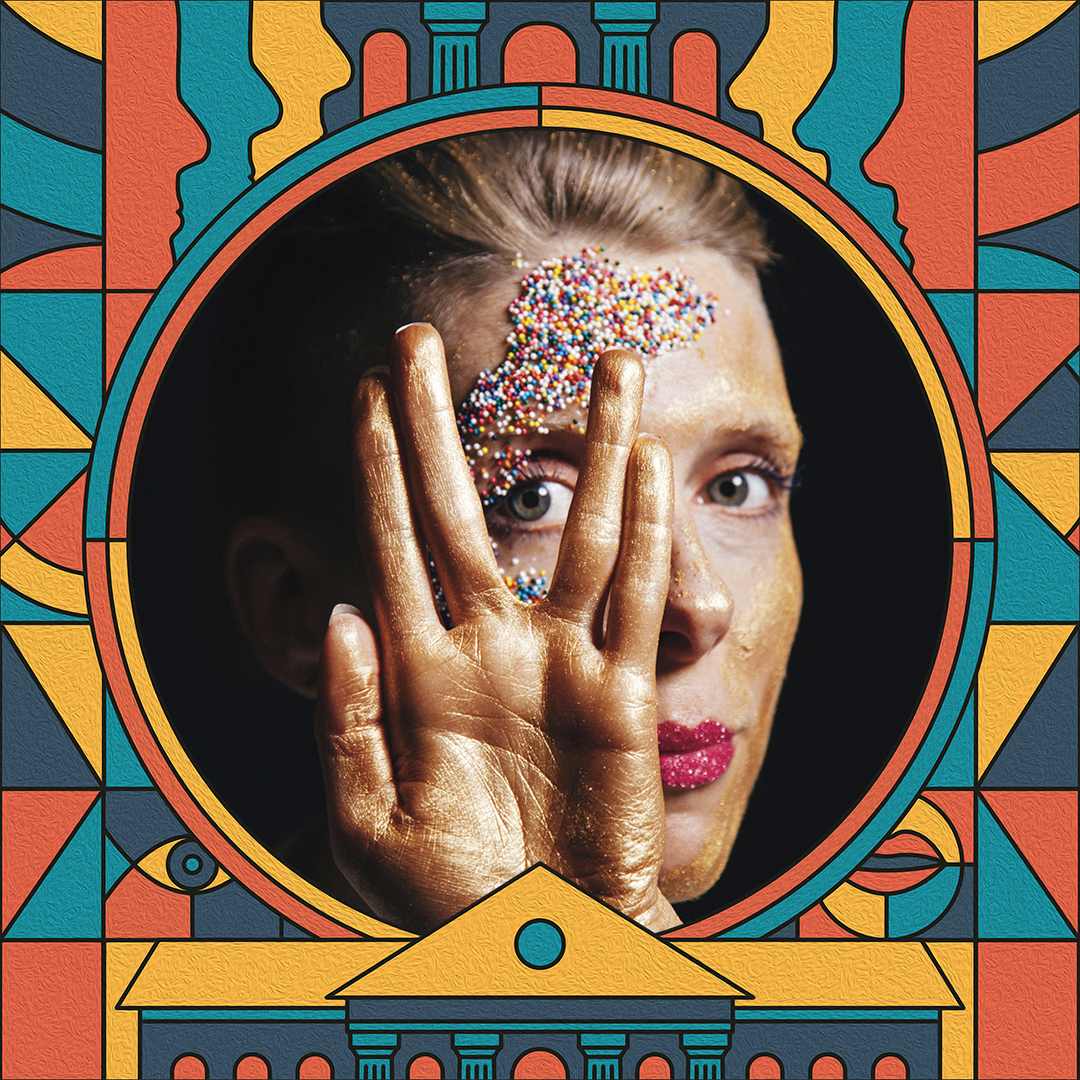
What does it take to lead and innovate in a small museum setting? In this episode of Matters of Experience, hosts Abigail Honor and Brenda Cowan sit down with Alli Schell, Director of Public Programs at the Marshall Steam Museum, to explore the unique challenges and opportunities of working in small museums. With a career shaped by a deep passion for history and education, Alli shares her journey from being a young museum volunteer to becoming a driving force in the museum community. We delve into her open letter to the American Alliance of Museums, discussing the often-overlooked needs of small museums and the importance of representation and equity in the museum field. Tune in to hear Alli’s inspiring story, creative problem-solving strategies, and advocacy for the small but mighty institutions that play a crucial role in preserving our cultural heritage.
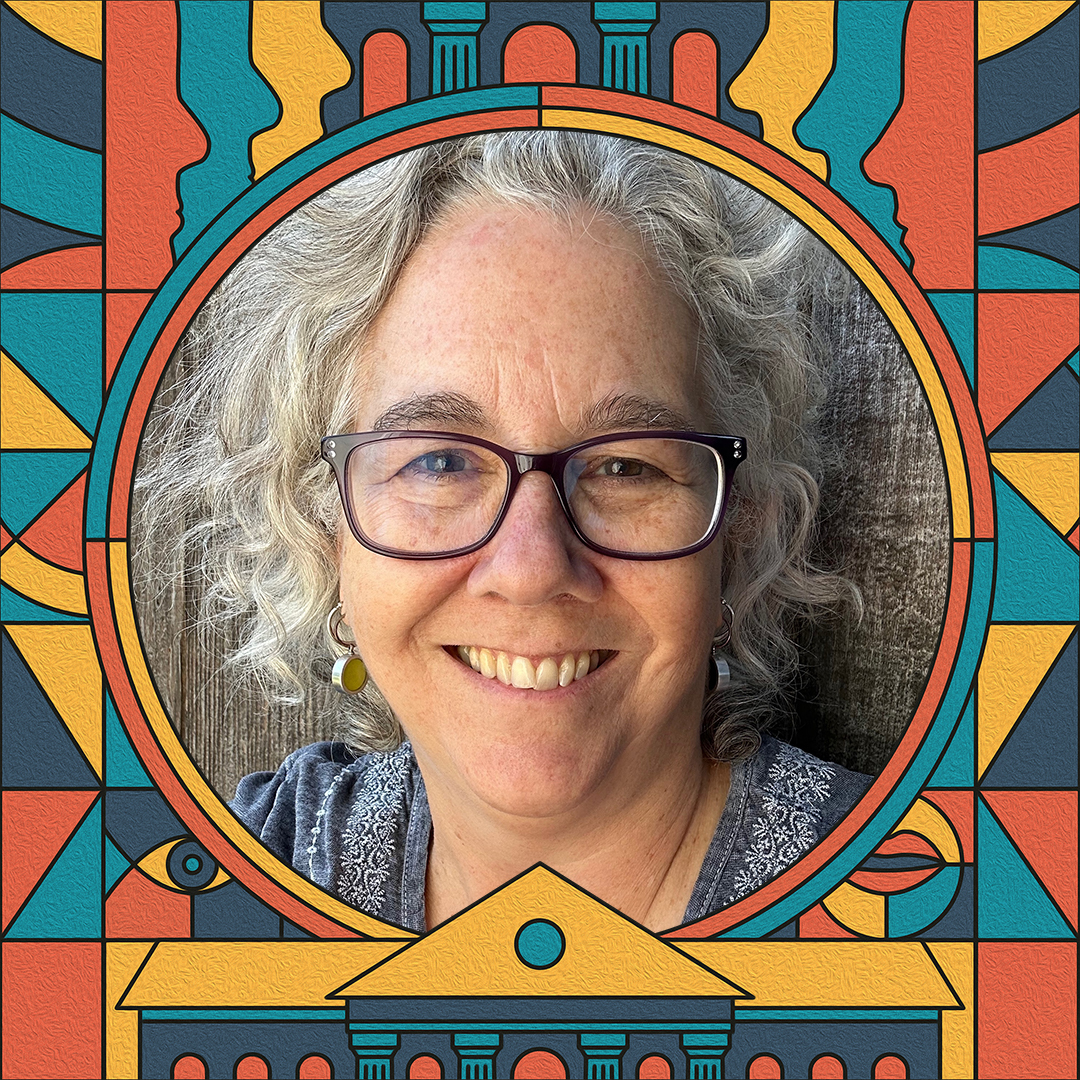
Universal Design in Cultural Institutions with Beth Redmond-Jones
How can museums and cultural institutions become more inclusive and welcoming for all visitors? Join us as we explore this vital question with Beth Redmond-Jones, VP of Exhibitions at the Monterey Bay Aquarium and editor & contributing author of Welcoming Museum Visitors with Unapparent Disabilities. With over 30 years of experience at leading institutions like the San Diego Natural History Museum and the Smithsonian’s National Zoo, Beth shares her insights on designing exhibits that inspire and connect with diverse audiences. Tune in to the episode and learn how universal design can create environments that cater to the needs of all visitors, highlighting the continuous journey toward accessibility and inclusivity.
About Beth Redmond-Jones
Beth’s career has focused on visitors—engaging them in the natural world, finding ways for them to connect, then inspiring them take that step to protect our Earth and one ocean. During the last two decades, Beth has been actively exploring how museums can more effectively serve those with unapparent disabilities especially autism, sensory processing disorder, and mental health challenges. Beth has written several articles, presented at international conferences, and spoken on podcasts about unapparent disabilities and her museum practice.
As the editor of Welcoming Museum Visitors with Unapparent Disabilities, she has been working for the last two years to gather impactful programs and exhibitions, as well as personal accounts from individuals with lived experience, to bring to light the opportunities that museums have to engage and support those with unapparent disabilities, and how museums can be community resources for well-being.
Show notes
Transcript
[Music]
Abby: Welcome to Matters of Experience. My name is Abigail Honor.
Brenda: Hello. Welcome. This is Brenda Cowan.
Abby: Our podcast is produced by Lorem Ipsum here in New York City and explores the creativity, innovation and psychology driving designed experiences and encounters. Hello to anybody listening for the first time, and welcome back to our regular listeners. So, today our guest is Beth Redmond-Jones, who is the VP of Exhibitions at Monterey Bay Aquarium and author of Welcoming Museum Visitors with Unapparent Disabilities.
Her career spans over 30 years, in which Beth has worked at some incredible institutions, including the San Diego Natural History Museum, Carnegie Museum of Natural History, and the Smithsonian’s National Zoo and Conservation Biology Institute. Her work focuses on engaging visitors in the natural world and inspiring them to take that step and advocate to protect our earth and ocean as they continue their journey beyond the walls of the experience.And also, Beth has been actively exploring how museums and institutions can more effectively serve people with unapparent disabilities, which I’m really interested to talk about today, Beth. So, listeners, this is going to be a real trip. Welcome, Beth, and thank you for joining the show.
Beth: Thank you for having me. I’m so excited to talk to the two of you.
Brenda: It’s such a pleasure to have you here. So, Beth, before we focus on your incredible work in design, visitor advocacy and leadership, let us know what attracted you to the industry in the first place. How does your story begin?
Beth: Well, I grew up in Cincinnati, Ohio, and if I wasn’t outside in the woods with my dog looking for snakes and frogs and building forts, I would request that my mom or my dad would take me to either the Cincinnati Zoo or the Natural History Museum. And the Natural History Museum, in particular, was really amazing in that they had—this was the old Natural History Museum, not the one in Union Terminal right now—but they had this amazing spelunking experience where you literally opened the cave door, walked in across these rocks with water flowing around it, a waterfall, and there were stalagmites and stalactites and I still don’t know which is which, but I would go through that again and again and again, and I would exit through this cave door that opened out, and my mom would be sitting there on the bench doing her knitting, and she’d look at me and she goes, “You’re going to go again.” And I’m like, “Yes, I am.” And it was just transformative because I’d never been spelunking, so that was the closest I’d ever gotten to it. But I was just so fascinated about the whole idea of transporting someone to someplace else and like, feeling this amazing connection with place.
Brenda: What was that magic moment when you were able to take your early experiences in caves and with the natural world and in the woods and chasing frogs and snakes, when were you able to then discover that you could continue that passion and that excitement in a cultural institution?
Beth: Working in a museum in my mind was that you had to have a degree in art history, which is what I ended up pursuing, but I also had a minor in biology and studio art, and then you had to work in an art museum. So, I did an internship at the Tucson Museum of Art right after college and worked on an exhibition there, well several, actually, which was really fun, but it wasn’t filling my soul. And so I, you know, went to Washington, D.C. to work at the Smithsonian because that’s what everyone does, realizing I couldn’t get a job at the Smithsonian because I didn’t have experience or credentials or anything else. And so I ended up going to grad school, and that’s where I met Kathy McLean. She is an amazing woman here in the West Coast, one of my mentors, and she really pushed forward the idea of content driving design and coming at it from a visitor experience side.
Abby: I love that. I love that. So, in terms of your work, then Beth, so the listeners can better understand what it was you were doing, you mentioned sort of more of the design or the approach strategically thinking about yourself as the visitor and what you want them to learn and understand. What were you doing? Were you curating? Were you designing for much of your early life?
Beth: My early life really started with project management and helping wrangle all the details of an exhibition project, and then looking at the content. So, what do visitors know about a subject? How do we meet them where they are and scaffold up from there? And then designing experiences based on what you want to communicate to visitors. So, really looking at what is the content and then what is the experience design that you want to create to formulate this three-dimensional space that visitors are going to walk through or wheel through or run through.
Abby: From a project management perspective then, what were some of the challenges when you approach it that way, from the visitor’s perspective?
Beth: I think the opportunity for me with, and one of the things I really learned through the project management was I was managing the evaluation and the front-end evaluation and seeing what visitors like, listening to what they’re saying, doing interviews, collating the data for the expert to then, you know, formulate the final report. And so really understanding where visitors were, that was a huge advantage for me.
Part of my brain is really, really good at details if I can be really focused. So, it was a lot of, you know, correlating like what are all the pieces that we need for this experience from the text and the translation and the objects and that kind of thing, and are they all represented in the design documents? So, it was more of a logistical place except the evaluation and being able to manage that really allowed me to understand visitors better and their different learning styles and what excited them, and what didn’t.
Brenda: Beth, one of the things that Abby and I are really curious about has to do with how it is that you think about inspiring visitors to take action. So, what are some of the ways that through your work, you are able to really activate the visitor.
Beth: Okay. Imagine an upside-down triangle. Okay. And you’re going to put two lines through it to make three equal parts, with the top part being the largest, because it’s upside down, the middle section, and then the tiny little point at the bottom. So that upper section is the experience that your visitor has at the museum. So, at the aquarium that’s 2 million visitors a year fall into that top section and they get to experience the aquarium in whatever capacity that they, they do and however they learn.
Then you draw an arrow from that top section to the middle section. That middle section I like to call connect. Somehow there is something in that experience that made them connect with the ocean. Maybe it was the otter that they saw on exhibit and then they’re standing out on the back deck, and they saw an otter playing around or, you know, in the kelp or something like that. Somehow there was some kind of connection that happened.
Then if you take an arrow from that middle section to that bottom section, that’s the action. So, a smaller portion of that 2 million are going to connect with something in the aquarium. But even a smaller percentage of people are going to take action. And it’s building that empathy that happens between the experience and connecting with it. And until you have that empathy in that connection, you’re not apt to do something about it. And that’s really based in all the conservation psychology that’s out there.
I always use the example of recycling. When recycling started in the US, middle schoolers at that time were the ones who were coming home saying, “Mom, Dad, we’ve got to start recycling because it’s my future that you’re screwing up.” And it was these group of teens that could make a connection to their future, where the adults had, like their future was now. So, it was a way of then activating that family to then take action by recycling. Does that make sense?
Brenda: It makes a tremendous amount of sense. And I also appreciate how you think about this in in a framework of empathy and relevancy and how it is that humans ultimately, if we can understand that the tiniest thing that we do in the course of a day can actually make a difference.
Abby: So, Beth, your work really has a strong root, clearly, in visitor advocacy and reaching out through the experiential, hands-on design. I know you used multimedia, but you know, in terms of that middle tier of the triangle and really connecting with people, we’ve found that as soon as people can touch and interact rather than just stand and passively, maybe just read, they really start to emotionally resonate with the content. So, can you talk to us a bit about the way that you sort of really emotionally touched the visitors?
Beth: Well, I think there—that aligns with why I am drawn more to natural history and live animals, because there are things that have existed on this planet for millions of years and may still be here or may not.
One of the things that we talk about here at the aquarium is that the animals are ambassadors, and we create the design of our exhibits to really highlight and focus on the animals. Everything is seamless from what we call back of house, so the animal habitat, to the front of house. And our text is very minimal, and the experiences outside are very minimal, unless they completely add to what you’re seeing in front of you
So, I was just recently talking with one of my designers about like, if you were talking about a, a femur bone from some animal, you want that bone in front of you and you want that label right there, so there’s a direct connection between that label and that femur bone, and not having that femur bone across the gallery.
Brenda: So, we’ve been talking about the wonderful things that you do with the aquarium to engage visitors and to spur action and to develop relevancy, and to make for a very successful visit on visitors’ terms. What I’d love to do would be to fold this into your most recent accomplishment, which is an extraordinary book that adds great depth and breadth to our profession’s work with DEAI.
I enjoyed this book immensely, and it brings into focus the needs of museum visitors with unapparent disabilities. So, let’s enter into this part of our conversation, if you would, with a definition. Is there like a medical definition of unapparent disabilities? And what do they mean within the museum profession?
Beth: When I started working on this book, actually the title that I pitched was Hidden Disabilities. And I started talking to individuals with lived experience and a couple colleagues of mine who work in the accessibility field, and then I looked at the dictionary, imagine that, and found that, you know, the term hidden is being out of sight or not readily apparent. It’s being concealed, which means someone on purpose is trying to hide what they may or may not have.
So, then I looked at invisible and invisible implies not being seen. And we all want to be seen. So, I started thinking about, well, you know, ADA uses physical and then it was like, well, I could talk about mental health, but then it’s also neurodiversity and its dementia and grief and things that don’t have a clear definition within the DSM or within the ICD that the World Health Organization puts out.
And so, I started thinking about the word apparent, and then unapparent just came to me. A lot of people have asked me why I didn’t use the term nonapparent, and non comes across as such a negative term for me, more so than unapparent does. So, I ended up going with unapparent, and when I spoke with others with lived experience, that resonated with them. So, it’s not readily seen or directly apparent, but it is still there. It’s not being hidden. It’s not invisible. Does that make sense?
Brenda: That makes a tremendous amount of sense, and I really appreciate the thoughtfulness that went into this. And I think that choosing the right language and you bringing that forth into the broader dialog within the profession is really important.
Abby: I also just wanted to add that I completely agree with Brenda, in terms of the thoughtfulness in the way that you consulted people with, let’s wonderfully adopt the unapparent disabilities that I think is perfect, and made sure that that community were comfortable with that term.
Beth: Well, I’m going to interrupt you for one second because I’m part of that community. I have depression that I’ve lived with ever since I was a teen, and my family didn’t want to talk about it, because if you don’t talk about it, it’s not there. But I struggled with it, and both of my kids have it, and my husband, my ex-husband is on the spectrum.
Abby: It’s very personal for you.
Beth: It’s very, it’s very personal. But one of the things that I will do at conferences is I will ask people to raise their hands and keep them up if they know of anyone that has anxiety, depression, ADHD, dementia, bipolar. Within 5 to 6 terms every hand in the room is up.
Abby: Oh, I’m sure.
Beth: And one of the things I say is that this is our present and this is our future. Everyone is touched by this, yet no one will talk about it. And the stigma piece makes me crazy and that’s part of the reason I wrote this book, because we need to start talking about it, and museums are such safe places to be able, for those with these challenges, to just be, get out of their own heads, find a moment of quiet or a moment of connection. Moment of mindfulness.
Abby: I love that you brought up museums as a place for that, a place for our society to be able to come and talk freely and openly about things like mental health conditions or any concerns. To be honest, I think that as museum institutions evolve and become places for our communities, that this is one of the wonderful roles I think they can play.
Beth: Most definitely. I think the United States, though, is way behind. The National Health Service in the UK is so much further ahead. And how social prescribing is becoming very commonplace within the NHS, as well as in Canada. And I think the United States needs to get with it and start really thinking about this.
Abby: I just have a quick design question about that. So, can you tell me or explain to me a few sort of examples about things that change when you’re designing for this group? Just some really good examples, so designers who are listening can, sort of have some food for thought when they’re designing their next project.
Beth: So unapparent disabilities impacts everybody in some way or another, either personally or someone that they may be with. So, I don’t think there is a thing about creating different types of labels or anything like that, but maybe really thinking intentionally about the space that you use and how to use it.
Do you have very high active zones for someone who may be a sensory seeker in the autism spectrum? But also, do you have quiet areas where someone who is a sensory avoider might be able to decompress, or someone who gets very anxious in crowds, that they can separate themselves away and have a moment to take a few deep breaths, regroup, and then move forward.
My oldest daughter used to have a service dog. She has autism and other mental health challenges, and she was a huge inspiration for this book, and just knowing some of the exhibits I go into, they’re not designed to accommodate an individual with a service dog. So how do you do that? Most museums don’t even allow service dogs, but they have to by ADA. So, I think there’s a lot of things you can intentionally think about in just creating a welcoming space for all. And that quiet space that someone who has anxiety may want to sit and decompress, it may be a perfect space for a nursing mother just to sit down and nurse her baby for a few minutes so then they can keep going and enjoy the experience. So, it really gets then to universal design. And what is good for one is really, can be beneficial for all.
Brenda: This sounds so achievable. And yet, as you pointed out, the US is struggling in some ways to really work with this audience and make necessary change that would make things accessible for all. And I’m curious, what do you think museums and cultural institutions have been missing? How is it that they’ve been falling short? What is it? Is it funding? Is it an unawareness? Is it an unwillingness? What is it that is not happening in our institutions that you think we can really impact?
Beth: I think it’s a lot of, actually, I think it’s at a societal level. It gets into the stigma piece of us not recognizing that individuals with unapparent disabilities are around us everywhere, and not being willing to take a stand to support this audience. I’m very fortunate my staff have faith in me and trust me, and those with unapparent disabilities will come to me, yet maybe not necessarily go to HR if they’re having a rough day or need a different type of headphones so they can function in a cubicle environment or something like that. I think it’s at all levels of, not just visitors that are coming to the museums, but the staff that are working there, and how do we really make everyone feel welcome and comfortable in whatever capacity that they’re engaging.
As to why, you know, other than stigma, I think a lot of places are afraid and they may lose funding, maybe, or be seen differently. I mean, I’ve actually had a couple people reach out to me since I wrote this book saying, well, you may not be hired in a museum ever again for being so vocal.
Brenda: Seriously?
Beth: Seriously.
Brenda: Oh my Gosh.
Beth: And, I was like, wow, okay, there is stigma, full and present, and these are people who have been in the field for years.
And, you know, one of the things that I was asked, I had several readers for different sections of this book, and one of them came back to me and said, in your very first chapter you state that you have depression. I’m like, yep. And like, aren’t you afraid of like putting that out there? I’m like, if me, as the editor of this and, you know, coauthor of this book cannot state that, why am I even doing this book?
So, I think there’s a huge societal piece to this that really needs to be addressed. And hopefully, as other museums and other individuals are willing to start speaking out, that we can maybe start making change.
Abby: And let me ask you a quick question then, a bit based on where you currently work, it’s obviously a very welcoming place and a place that gives you the support you need, for the book and for where you’ve worked and what is it, do you think about the aquarium and the staff because, you know, you mentioned the docents, but the environment you work in that you think makes it special and so accepting? And what are some of the nice moments in the aquarium where you feel that there’s fantastic, inclusive design and you’re proud of your achievements?
Beth: Okay. Well, first of all, accessibility is a journey. There’s not a start and an ending. It is a continuous journey. There’s one thing I always have to remind myself and the people that I’m working with, I think we could be better. You know, this is an amazing place, but the quiet spaces are very far and few. It’s a concrete building with a slate tile floor. We have to really be intentional in the way that we design future spaces. I’ve only been here for five years, and I only have one exhibition up currently, and we’re working on a second one right now where we’re really putting accessibility at the forefront of our design. So, it’s just how can we create spaces and do that?
And we’re right now on a journey. We have just started developing an accessibility roadmap here. We worked with all of our staff in putting together a shared Google Sheet, for lack of a better term, where people could put in opportunities, things that are working, not working for both staff, as well as for our volunteers, as well as our visitors. And we are slowly working through how do we parse out and make changes over the years to come, and where are the opportunities and the precedents that we can set.
In regards to designing the Into the Deep exhibition, which is my first exhibition here, when that project started, they designed a entry gallery that was filled with monitors and bioluminescent, deep sea animals. So, it was very sparkly and blinky and, not like strobe lights, but, you know, lights going on and off of the bioluminescence of these gelatinous animals in the deep sea. And I had us redesign the gallery so we could move that off the main path, because someone with sensory processing disorder or challenges could get to the beginning of that and turn around and walk away and never see all the amazing animals that are actually in the deep sea because of this one experience that was a multimedia experience.
Abby: This is incredible, right, Brenda? Like this is phenomenal.
Brenda: It’s absolutely perfect.
Beth, I wanted to ask you about when you were putting together the book. You have an impressive lineup of authors who contributed to it and brought many different perspectives, many different facets to the stone. How did you come to identify and select the authors that you did? Like, did the content specifically drive the selection of authors, or were there particular folks out there doing work that you knew was really essential and important to bring to the fore? How did you come to direct the chapters?
Beth: Well, I didn’t want this to be all about autism, but I felt that I needed to bring up autism, because that’s something that the museum field has really made strides in. But I also wanted to look for opportunities for where programs have pushed beyond just the sensory mornings or evenings, and how they’ve really integrated those of that community and how to move that forward. I really wanted to look at mental health, and that was a little bit more challenging. I knew of the mental health exhibition that Heureka had put together, so I reached out to them, and they were really willing to write about it.
But for me, I really get tired of us all patting ourselves on the back for all the great work that we’re doing, and that’s part of the reason I wanted to have lived experience voices in it. Because first and foremost, if we’re doing these programs, we need to be engaging those audiences and asking them how we can better serve them and not just make assumptions for how we can serve them and support them. So that was not difficult to find people who I knew with lived experience. So, it was really a pleasure that they were really excited to participate in. And be a part of that as well.
Brenda: Well, the range and the depth, the breadth of authors in there, it brings so much dimensionality to this subject, and one of the things that really is important to me is the range in particular, like your decision to bring in mental health. I was very surprised, honestly, at how encompassing you have been with this particular book, and I think that it is so important that you have brought this to the profession.
Beth: Well thank you.
Abby: I think we should just tell the listeners to go out there and buy the book. Damn it, get that book! It’s a must read, but I want to move now, as we’re running out of time, and I’ve got a really critical question. Technology, Beth. Blessing or curse? Blessing or curse? What do you think?
Beth: I think it depends on the situation. I think if you can tell the story with a real object or the real thing, then you should. I think it’s really determining what is the problem you’re trying to solve with technology that you can’t do without it.
I don’t know, I get very frustrated by technology sometimes because I feel like it’s just like, oh, well, let’s just throw it on a on a computer screen. I don’t know, I’m about authenticity and the real things. I mean, if you’ve ever been to the Holocaust Museum and you stand in front of an SS uniform or inside that train car, technology is never going to replace that. And whether it’s, you know, a totally faux spelunking experience, for me, that was the real thing when I was seven years old. But it was that immersive element that I wouldn’t have those same feelings or that, I don’t think that passion for nature without being in it and loving having my parents let me run around in the woods for hours with my dog and play and collect snakes.
Abby: So, Beth, this has been incredible. Thank you so much for sharing, like, sharing your fearlessness in walking the walk and talking the talk and being a real leader.
Berenda: Here, here.
Abby: Like, I wish there were more people like you who are willing to put their head up above the parapet and tell it like it is, and not worry about losing their job and what negative things going to happen to them. So, thank you for being you and having that courage.
Beth: My pleasure. I think all the formal learning organizations can help in making people feel more welcomed, regardless of abilities and disabilities, and that is to train the frontline staff and those that engage. That is where, in the book I bring up a couple examples of the way I was treated with my oldest daughter, and it was really unpleasant and, you know, oh, people with autism kill people and, you know, do you have a problem, do you need to leave?
I mean, there was some really, really some awful things, said, and I just checked it off as them not knowing and not knowing better. So, I think if we do anything else, is training our frontline staff to come with empathy and open hearts and compassion to whoever it may be and just be, how can I help? Anything that you need that we can help make your visit better today.
And I think if we can all take that one step, we’ll be much better as a society, and hopefully will open the door for the rest of the museum to then start thinking about how we can do that for our own staff and others as well.
Brenda: Wise words.
Abby: Beth, again, thank you so much and thank you to everyone who tuned in today. If you like what you heard, subscribe for more episodes of Matters of Experience wherever you listen to podcasts, and make sure to leave a rating and a review and share with a friend. We’ll see you next time.
Brenda: Take good care everyone. Thank you, Beth.
Beth: Bye. Thank you.
[Music]
Producer: Matters of Experience is produced by Lorem Ipsum Corp and recorded at Hangar Studios. Tune in next time for more fun discussions about experience design.
More episodes
See all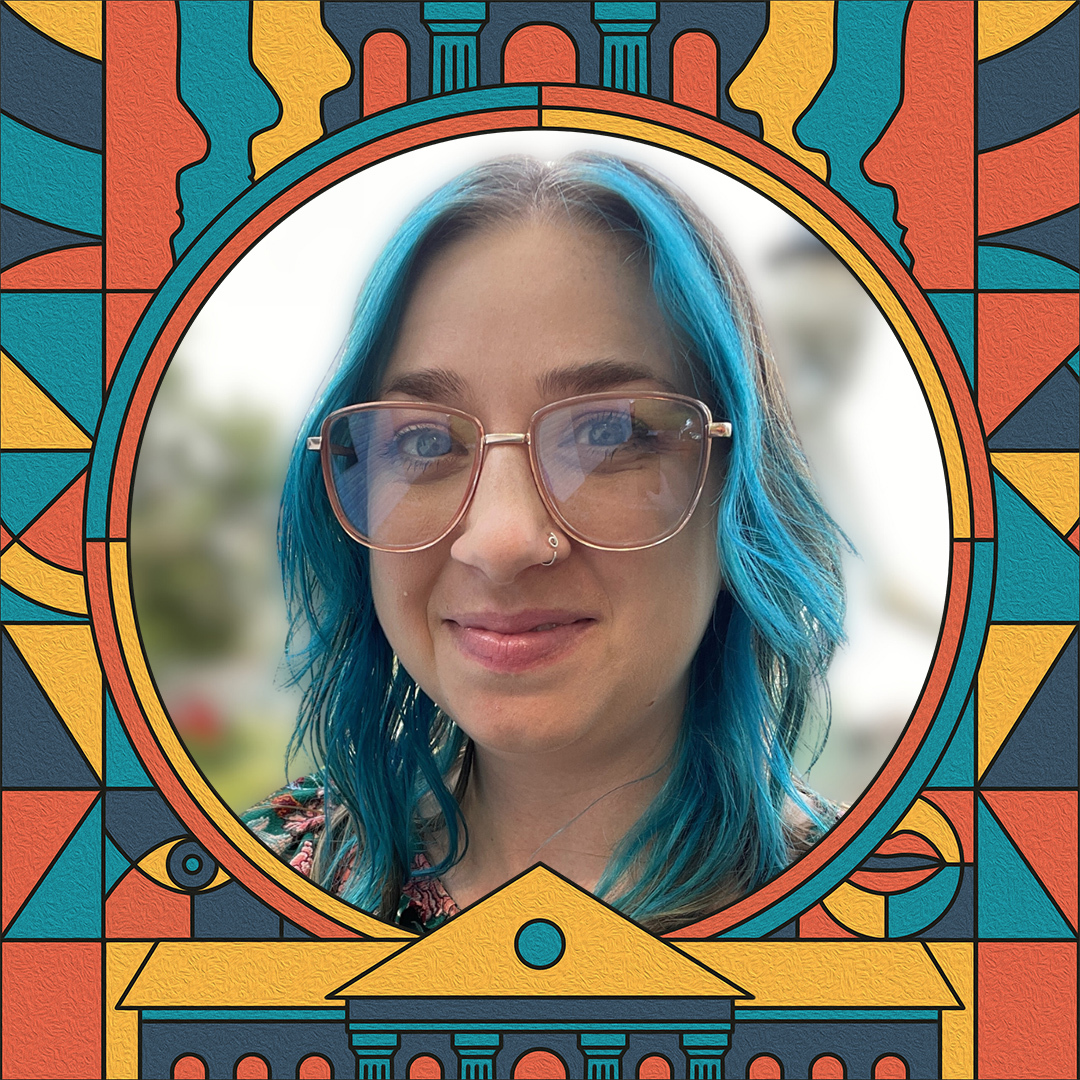
This week we discuss the fascinating debate on the role of immersive spaces in science museums with Elisabeth Ramm, an associate partner at ATELIER BRÜCKNER and co-founder of the Swiss-based Art Thinking Association. Elisabeth shares her insights on how scenography and storytelling can foster creativity, critical thinking, and a sense of wonder. Whether you’re a designer, educator, or science enthusiast, this episode offers a compelling exploration of how immersive spaces can enhance the storytelling of scientific concepts.
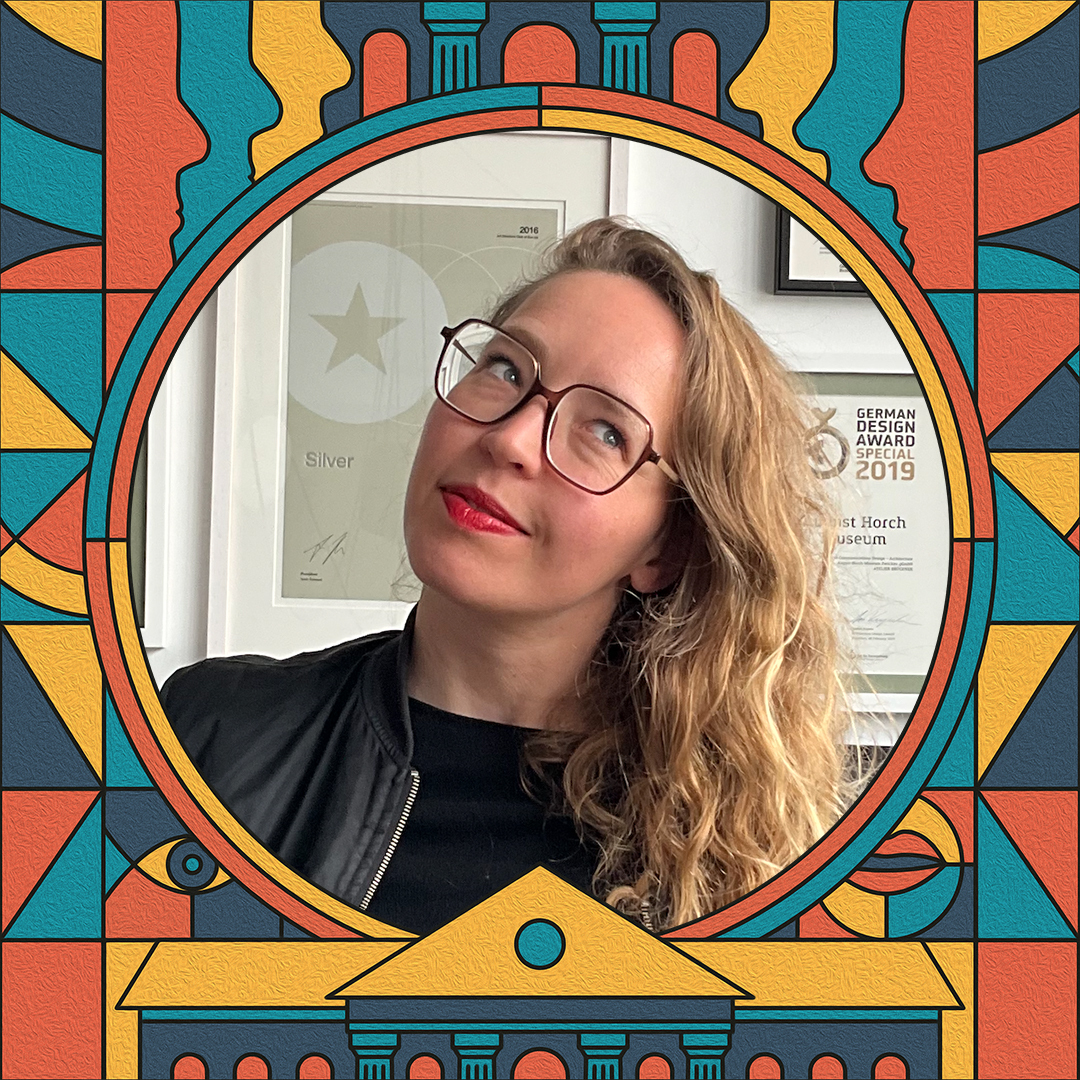
Take a bite out of the world of multi-sensory design with Emilie Baltz, an immersive experience director known for her innovative approach to combining the senses, art, and technology. Discover how Emilie’s work, such as the acclaimed Dream Machine at Liberty Science Center, fosters curiosity and wonder by engaging all the senses. Learn about her passion for community building and how she uses technology as an integral ingredient in her creative process.<br><br> Whether you’re a designer, a creative professional, or simply curious about the world of sensory design, this episode offers a wealth of insights and inspiration. Join us for an engaging conversation that celebrates the power of multi-sensory experiences and the importance of human connection in design.