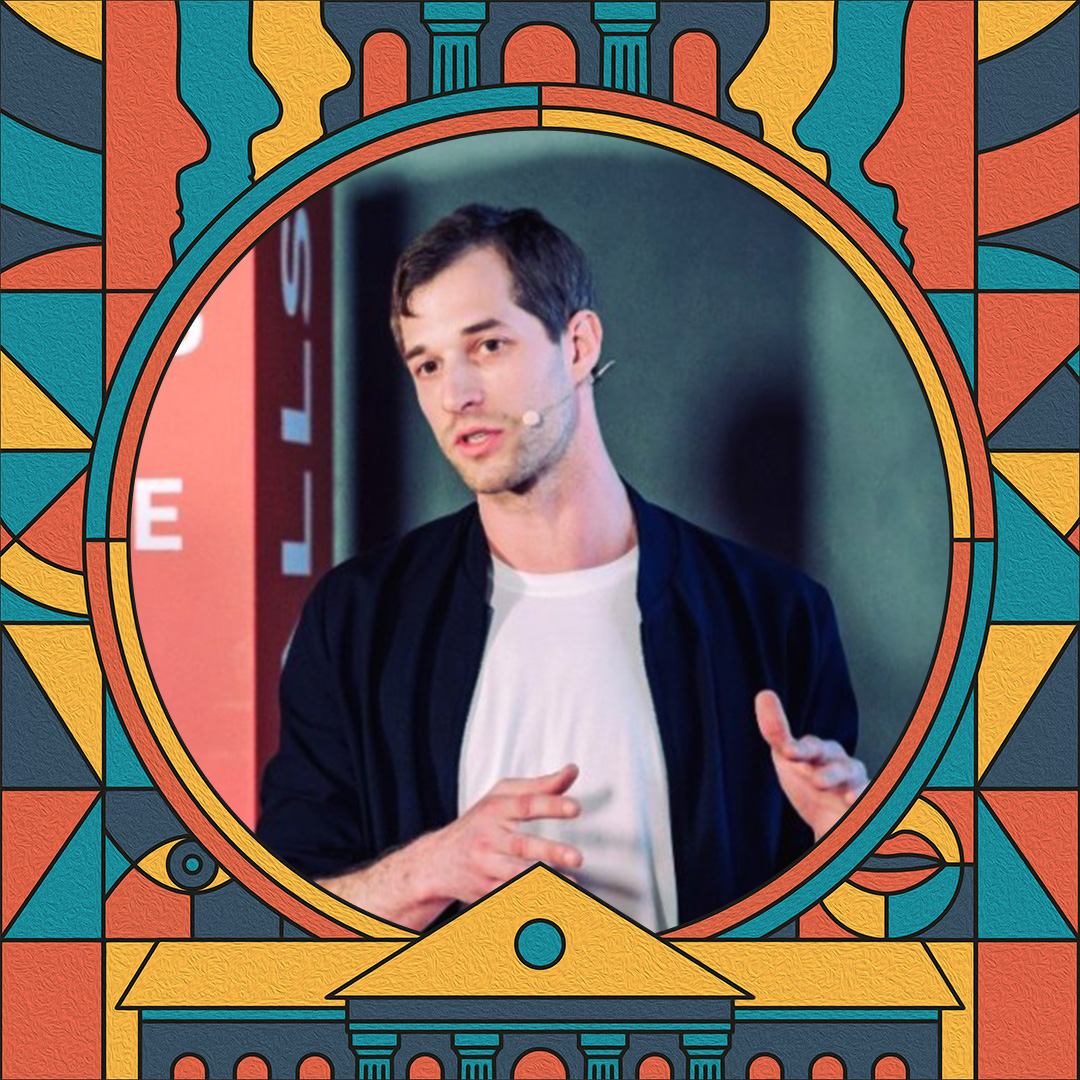
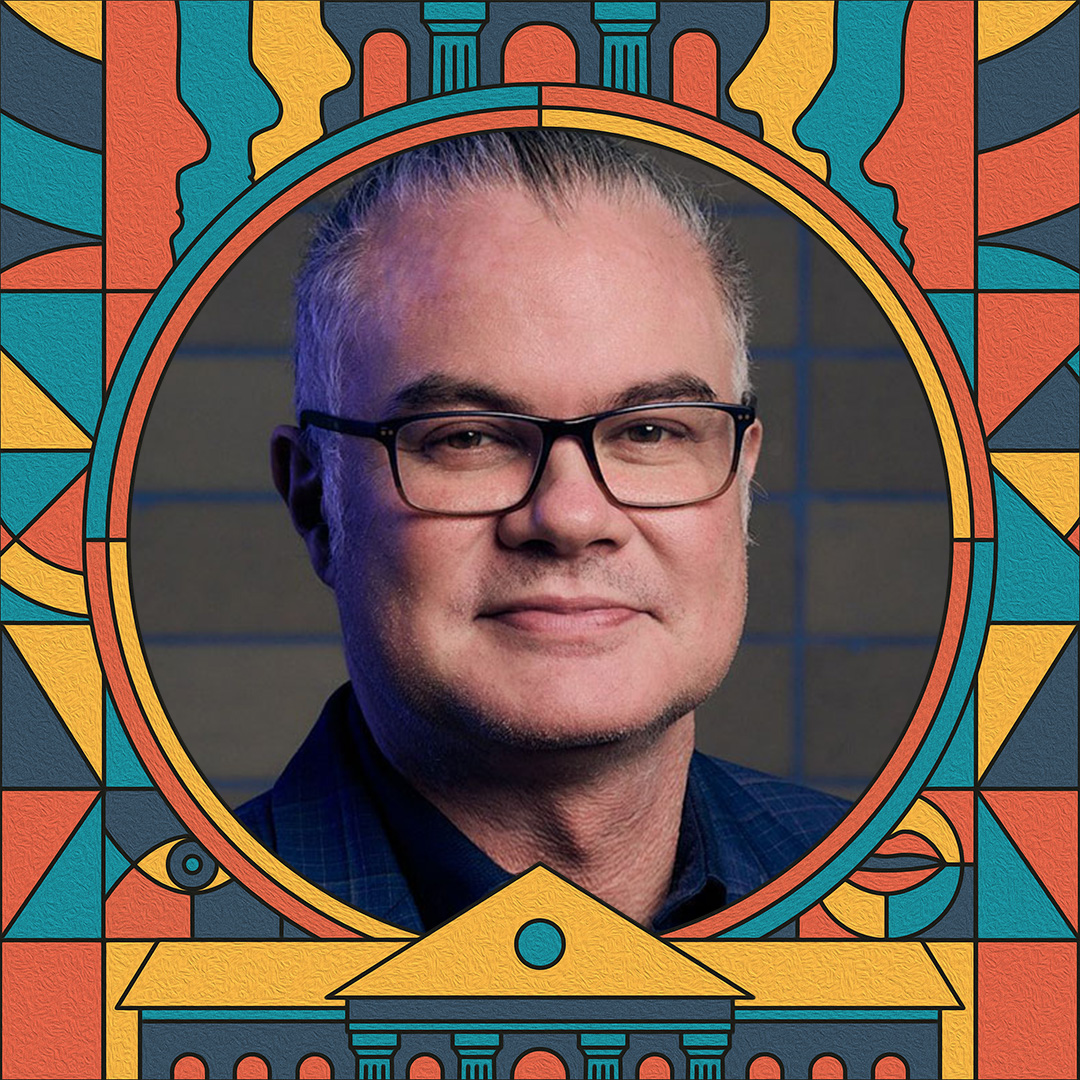
[00:00:00] Abby Honor: Welcome to Matters of Experience, a podcast produced by Lorem Ipsum, an experience design company headquartered in New York City. Our podcast explores the creativity, innovation, and psychology driving designed experiences and encounters. If you’re new, a hearty welcome, and to our regulars, thanks for tuning in and supporting our conversation.
[00:00:25] My name is Abigail Honor.
[00:00:27] Brenda Cowan: Hello, everyone. This is Brenda Cowan.
[00:00:30] Abby Honor: So today on Matters of Experience, we’re joined by Charles Philipp, founder of Micro, an organization that creates tiny museums and places them directly into everyday life. Think hospitals, bus stations, laundromats, and other places where people might not expect to encounter wonder.
[00:00:48] Charles works at the intersection of systems design, social impact, science communication, and public imagination. His museum series include the Smallest Mollusk Museum, the Perpetual Motion Museum, and the Museum of Care. Charles’ work is inventive, generous, and quietly radical, a reminder that museums do not always need grand buildings to have a big impact.
[00:01:13] Charles, welcome to our show.
[00:01:15] Charles Philipp: I’m blushing.
[00:01:19] Abby Honor: And rightly so.
[00:01:20] Brenda Cowan: It is such a pleasure to have you here. Charles, I’m gonna kickstart us with a little bit of a dive into Micro. For our listeners, Micro has a mission to build science education for a culturally decentralized future and create museums that can go everywhere.
[00:01:38] Its vision is to bring museums to where people already are. Charles, give us an illustration of what a Micro museum looks like and, and where we might come across one.
[00:01:50] Charles Philipp: The Micro museums are about the size of a vending machine. They’re six foot tall, two feet on a side, and they’re this sort of modern cabinet of curiosities.
[00:02:02] You know, say you’re walking into a doctor’s appointment and in the lobby you see this glowing column and approach it. There’s often a hero exhibit, so hologram or an optical illusion or something in the base that is at about child height. And then as you work your way up the museum, there’s small shoebox-sized exhibits that have, you know, little whirligigs and whosits and whatsits galore.
[00:02:31] And, uh, this, the educational content gets a little bit more sophisticated as you work your way up the museum. And then they, you know, can be installed in everyday places where people already are. And, uh, yeah, that’s the Micro Museum.
[00:02:45] Abby Honor: I’m really curious to hear sort of where this all began. So what led you to sort of flipping the script and on museums and, and serving people in this way?
[00:02:56] Charles Philipp: Yeah, so my background is in media. I have worked in, uh, largely animation for a lot of my adult career. I started off at Cartoon Network and Aardman in the UK, uh, who makes Wallace and Gromit. I was a puppet builder and assistant animator. When I came to the US, uh, and moved to New York, as many creative people do, I started working in commercials, um, just ’cause that’s where the industry was largely at.
[00:03:28] And then, uh, one day I was sitting in a clinic, uh, waiting for a blood test, and I was sort of looking around and the thought occurred that this is where museums should be. This is, you know, uh, instead of people playing Candy Crush or watching HDTV, you have a captive audience, um, who, you know, could really benefit from having access to these tiny world-class, you know, exhibits that can teach people about the world around them.
[00:04:02] Abby Honor: So you hadn’t had any… You weren’t working in a museum, you hadn’t designed exhibits, like museums weren’t what you were doing.
[00:04:08] Charles Philipp: I had designed casual exhibits. I have attended Burning Man and, um, other festivals like that, um, for, you know, most of the last decade, and I’ve built weird, strange exhibits out there that, uh, sort of captivate people and, um, use awe and surprise.
[00:04:29] But, uh, nothing that was this formalized or, um, systematic.
[00:04:35] Brenda Cowan: I know that for the various projects that you work on, you work with a variety of experts, um, and in different kinds of ways. Is there like a, is there a core team that comprises Micro for every project, or are the projects very different? How do you create the teams?
[00:04:54] Charles Philipp: It’s a great question. We have gone through a lot of iterations, um, with this. The first museums that we put out in New York were in the public hospital system and the public libraries, um, and those were very well received. So we started to build out the infrastructure that we needed to run distribution and fulfillment of, uh, tiny museums.
[00:05:20] We have, uh, we were– had a, a workshop in Bushwick where we would, uh, manufacture, uh, replicas of the museums and, and work with, uh, larger institutions to help them design tiny museums. And then we would put the museums out into often semi or unsupervised public spaces. So that required us to have a fleet team that would maintain the museums, that would fix any bo-broken exhibitry, would clean the museums, would place the museums, would activate the museums.
[00:05:55] We hired, uh, a lot of local school kids for each of our installations to, um, run after-school programs where they would, uh, give tours of the museums. We called them micro-docents.
[00:06:09] Brenda Cowan: Nice.
[00:06:11] Charles Philipp: And we would, uh, we would do a lot of programming, and, you know, that was a– that was an attempt to sort of increase the impact of the museums and have local students that were often bilingual who could help to bring in more visitors, uh, from the environments.
[00:06:33] Um, so during that stage, we had quite a lot of, uh, staff, and we would have, you know, researchers and fact-checkers, designers, experience designers, uh, fabrication people, and we would design and build the museums all in-house. And that through COVID, by, uh, putting these museums into public hospitals, for example, meant that we were the only museum that didn’t really close, um, during the pandemic.
[00:07:06] And during that time, we became the most visited museum in the US, which was a slightly sad accolade- Mm-hmm … but, um, one that, uh, I think was, uh, sort of a testament to the model and would get a lot of messages from people who were, you know, waiting for their first COVID vaccine and would discover these museums in the hospital and write us messages saying how appreciative they were that they had this cool, awe-inspiring experience as they were, you know, scared and maybe a little dehumanized by the hospital system.
[00:07:40] And then after COVID, I moved away from New York and moved to New Mexico, where I now live, and we sort of created a, a new model that had a little less weight to it. Uh, so we now work with people depending on each project. We have designers and, um, researchers and, and people that we bring in depending on what is currently on our plate.
[00:08:08] Abby Honor: That makes sense. Mm-hmm. ‘Cause you touch on the issue of you, when you have a great idea and you feel like it’s a great creative solution, it, it turns into a business, right? That’s what the owners tend to start to do, and then you’re hiring everybody else to do all the fun stuff, and you’re managing people-
[00:08:22] Brenda Cowan: Yep
[00:08:22] Abby Honor: and revenue and profit and loss. Yeah. And then you’re like, “What did, what happened to me?” I know. “I don’t like this.” Where did it all go wrong? “It’s pressure.” Yeah. “I hate this.”
[00:08:29] Charles Philipp: So- Like, I built the first micro museum inside of a rusty shipping container in Bushwick.
[00:08:34] Brenda Cowan: Nice.
[00:08:35] Charles Philipp: And, you know, it was, it was the Smallest Mollusk Museum and, you know, it was amazing.
[00:08:41] I was just sort of could go in and, and hack on these exhibits and figure out how the, um, platform could work and find, uh, ways of fitting these tiny exhibit into these shoebox-sized rooms. And then as, uh, things developed, I, uh, was in many ways running a fulfillment, uh, business and figuring out how to get museums insured, how to get them installed, and how to keep them, uh, maintained.
[00:09:11] And that is a very different reward system. Um, you know, uh, I- it is very rewarding to know that the museums are off in the world and having… are all grown up and having their own impact, but I very much missed the hands-on, um, aspect of the design process. And I also had less time to sort of, uh, sit in the field and watch people enjoy the museums and give tours and things like that.
[00:09:41] So-
[00:09:42] Brenda Cowan: That’s so important.
[00:09:42] Abby Honor: What do you think isn’t working well, or what did you think wasn’t working well or isn’t still for, uh, traditional museums, you know? How does your approach make opportunities that more traditional institutions can’t, you know?
[00:09:54] Charles Philipp: I love museums. Uh, I grew up with museums. You know, I, I grew up in, in London, England, where we have some incredible museums.
[00:10:03] Uh, and it was, you know, my mother studied art history. Um, you know, we would go to museums all the time, and, and they are, to me, a place of often beauty and learning and curiosity. But I’m not the person that museums need to reach the most. So I think especially now when the issues that we’re facing as a culture are so big and we really need to figure out ways to broaden the tent, uh, and include as many people as possible.
[00:10:41] I think that democratization of museums is, should be every museum’s,
[00:10:47] Abby Honor: um- Yeah, completely …
[00:10:48] Charles Philipp: primary focus.
[00:10:49] Abby Honor: When you’re designing one of your, um, mini museums at Micro, how are you deciding exactly what to show, even in the mollusc or choose any, any which one of them and describe to us, ’cause there must be so much sifting into what’s the essence of the story or the content we want to tell.
[00:11:06] I think a lot of- Mm-hmm … museums, large institutions could learn from, from your process. So could you tell us a little bit about that?
[00:11:11] Charles Philipp: Yeah, absolutely. So I had to come from outside of the museum industry in order to sort of use some of the approaches that I’ve brought to this, um, because if I had, you know, studied and, you know, like been enmeshed in the institution, uh, I would’ve been institutionalized.
[00:11:33] And, and really the solution is thinking outside of the box. It’s, uh, reimagining who museums are for. And if you’re starting from a brick-and-mortar institution that’s expensive to get to, uh, that is this large marbled hall, um, you know, that is, you know, requires you getting on a, a, a train, walking, you know, and then getting in there and checking your coat and paying often quite a bit of money, and then, you know, walking through hall upon hall.
[00:12:09] And, you know, there is a, a psychological phenomenon called museum fatigue- Mm-hmm … uh, which is that particular type of exhaustion that you get inside of museums. If you’re starting from trying to incrementally improve upon that system, your ability to achieve the impact that you want to achieve, uh, is already so substantially limited.
[00:12:33] Really what you need to do is think completely outside of the box and think about if you’re designing the museum for the general public, then go to the general public. You know, meet people where they are. Don’t meet people where you wish they were. And if you are designing for all age groups, uh, then you have to design content that appeals to different learning types and, uh, different backgrounds.
[00:13:04] Brenda Cowan: Mm-hmm.
[00:13:05] Charles Philipp: Um, you know, so one of the experiments that we did in New York, uh, with the micro museums is that we made a new museum mile, uh, which was about three miles away from the existing, uh, museum mile, which has, uh, some of the highest real estate values in the country and is running along Central Park.
[00:13:25] And we created a new museum mile in the South Bronx, uh, where we connected the public hospital system through Lincoln Medical and the family courts buildings and the library system together with, uh, different tiny museums that people could walk between. And we did it in a community that has the second highest high school dropout rates in the country.
[00:13:51] I think that the hardest thing for a lot of practitioners in this space is having trust, a huge amount of trust in the general public.
[00:14:04] Brenda Cowan: Mm-hmm.
[00:14:05] Charles Philipp: And I think that that’s something that a lot of traditional curators may be, uh, an area for improvement. You know, a lot of museum exhibits talk down to people, and if you do that even for a second in a tiny museum in, uh, the family courts buildings, you’ve lost everyone.
[00:14:24] So you have to really meet people with an extreme amount of empathy, and you also have to meet them with a lot of trust. You’re putting unsupervised, you know, museum that you’ve spent hundreds of hours building and outfitting into a public space. And the results of the experiment that we ran were so encouraging.
[00:14:50] You know, we had almost no vandalism of the museums, and I attest that to the fact that we treated people with a lot of respect. And I think people, when they feel like they’re being, uh, treated with respect, reciprocate. We had people bringing school field trips to the lobby of the public hospital because, you know, this was the only science museum in the Bronx.
[00:15:18] When you actually do that extra effort of really walking in somebody else’s, um, shoes and figuring out, you know, how to talk with them rather than at them by using non-technical language, by, uh, using play and humor, you actually reach the people who can be the most empowered and where you can have the highest relative impact.
[00:15:48] Brenda Cowan: I’d love to go through an example. of a really complex project that you’re designing right now. And you are currently working on a micro museum for the National Food Museum. So it’s gonna be housed in a retro refrigerator, and it’s gonna engage visitors with content about food and nutritional science and some history and culture, and you’ve got a lot of power facts that you’re working on, things that will make people look differently at what they eat.
[00:16:18] I’m really curious how you manage the balance. How do you design a museum that delivers a powerful message and positive emotional responses on a topic that can have a lot of trip hazards, right? That can be really rife with challenges.
[00:16:36] Charles Philipp: We are converting an old refrigerator into a tiny museum that will be in libraries and hospitals and, uh, some hopefully surprising places.
[00:16:47] Um, we really had a unique opportunity to get out of the echo chamber and meet people in a, a very, uh, human-based, trusting, empathetic way. Um, so the content of the museum is all about how the food in the refrigerator makes you, you. It builds your body. It affects your emotions. And giving people that level of understanding that, uh, you are made of thousands of meals, that sort of changes the paradigm somewhat, uh, from the stick to the carrot.
[00:17:30] It makes people excited to feed their microbiome in cool ways. What I spend the most time doing is really figuring out what the universal truth is to a topic, and figuring out how to communicate that in ways that get people excited and get people curious and fill people with awe and give people agency so that they can make the decisions over what they eat or what they do.
[00:18:02] And, you know, I think that that’s a high trust, uh, way of engaging with people and one that I’m a big proponent of for more, uh, traditional museums.
[00:18:13] Abby Honor: I want to get to the design element.
[00:18:14] Brenda Cowan: Yeah.
[00:18:15] Abby Honor: ‘Cause you’ve actually learnt a lot about how the general public like to learn. Let’s call it that. So how do they like to learn?
[00:18:21] Is it touching things, pushing things, flipping things, reading things, watching things? All of the above? Like, what have you learnt from the way we like to learn?
[00:18:29] Charles Philipp: We use a practice called passive interaction, which is where we have scavenger hunts, we have optical illusions. We have things that you have to look around and move your body to engage with, but not something which is a button or lever.
[00:18:47] We really have… You know, that’s the Venn diagram of how people like to learn and what we are able to offer, um, to, uh, their learning, and that’s just one example. We often work with smaller budgets. We work with a smaller footprint. We work with a short attention span. We work with this moment of time, uh, while people are going about their daily routines.
[00:19:11] So we have this small but mighty opportunity, and the first thing that you have to do is draw people in. And, you know, I had a, a short stint, uh, working in advertising in New York, and a lot of those skill sets that are used to sell you sugar water, um, can also be used to sell you knowledge. Um, you know, this is a, a knowledge vending machine of sorts.
[00:19:41] That’s free to the public, obviously. And that’s often the hardest thing is, you know, people are exposed to so much nowadays, and the attention economy is funneled so strongly towards the supercomputer in your pocket that getting people to come out of themselves and, uh, take the risk of approaching the unknown is hard.
[00:20:08] And you can use a lot of tricks, um, to get people in. And then, uh, once they’re there, you need to reward their curiosity. You need to figure out if somebody is there for 30 seconds or 30 minutes, what is their experience going to be like, and what do they take away from the exhibit, and how does it make their life better, you know, their daily life?
[00:20:33] Abby Honor: And to be honest, that’s what every museum should also be answering.
[00:20:37] Brenda Cowan: Yes.
[00:20:37] Abby Honor: That is the universal question that I think they should answer. And then how are you prototyping then, Charles? Because is it in a case of you decide what you’re gonna do in the design phase, um, content-wise, and then you prototype, see what works, and flip out what doesn’t all, or is it more iterative, so you try some things, bring people in to poke and prod, or is that not, like, it’s too expensive to do that?
[00:20:59] Like, tell us a bit about the process of design.
[00:21:02] Charles Philipp: The beauty of this form factor that it is cheaper-
[00:21:06] Abby Honor: Mm-hmm …
[00:21:06] Charles Philipp: to produce, to test. We will often build a foam core version of the museum, um, with, you know, the information Post-It’d across it. Before we design any museum, we come up with visitor profiles that we’re going to evaluate the content against, um, say a family, two kids, uh, a seven-year-old, a 14-year-old, and a, a parent or caregiver. And we will evaluate that content theoretically against those user profiles, and then when it is time to actually, uh, physicalize the, the museum, we will often prototype it with users that, you know, match the profiles, and we will figure out where there was a hang-up or where they lingered for the longest.
[00:21:58] Brenda Cowan: We have just one last thing to share your way, which is a question about what is currently something that you’re passionate about.
[00:22:07] Charles Philipp: I am full of passions. Currently, one of my passions, uh, that exists a little bit outside of, uh, the museum world, um, is building science. I, I live off-grid, uh, and am building our house between building tiny museums, and that has been a real passion over the last couple of years.
[00:22:36] I have, um, always been a collector. I have a habit of e- every year, uh, especially when I was in New York, I would look into the, the cracks on, on pavements and between cobblestones and pick up little lost objects. You know, a earring or, you know, um, some keychain or, you know, these little charms. And every year I create a custom typeset drawer where I laser-cut a typeset drawer and organize all the collections based off of it.
[00:23:04] So in the new sitting room area that I’m building, there will be a row of these typeset drawers organized as sort of a collection of the things that have fascinated me and, and drawn my curiosity over the last couple decades.
[00:23:18] Abby Honor: Well, I’m gonna wrap it up, so I’m gonna say, Charles, this has been so much fun, like absolutely fantastic.
[00:23:23] Thanks for joining us on the show today.
[00:23:25] Charles Philipp: Absolutely, yeah. Thank you so much for having me. Um, it’s been a pleasure.
[00:23:29] Brenda Cowan: Oh, it totally has been a pleasure. We really appreciate you joining us.
[00:23:33] Abby Honor: Yeah, and look out for micro museums wherever you are. And thanks to everyone who tuned in today. If you like what you heard, subscribe for more episodes wherever you listen to podcasts.
[00:23:42] Please make sure to leave a rating and a review and share with a friend. See you next time. Thank you, everyone.
[00:23:48] Charles Philipp: Thank you.
[00:23:54] Audio Engineer: Matters of Experience is produced by Lorem Ipsum Corp and recorded at Hangar Studios. Tune in next time for more fun discussions about experience design.